

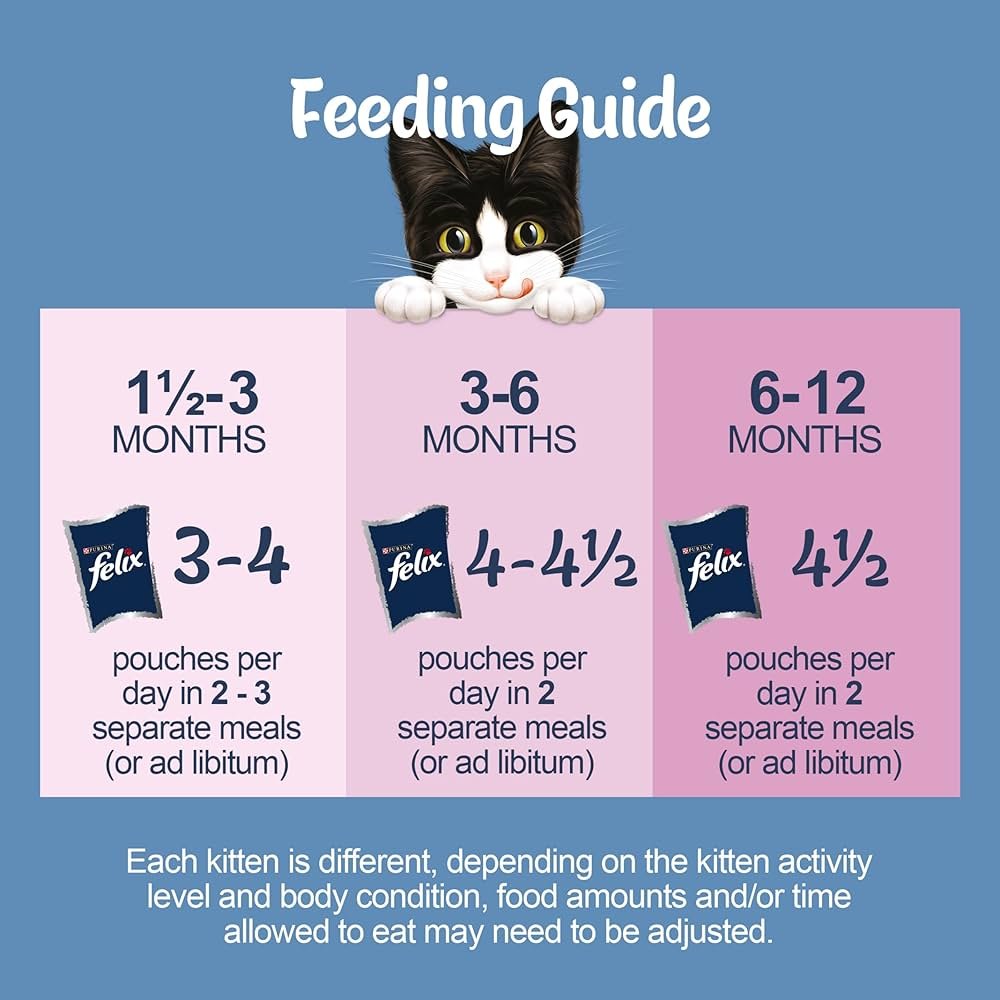
Wondering how much wet food to feed your cat? It’s a question every cat owner asks, but the answer isn’t always simple.
Giving your furry friend the right amount can keep them healthy, happy, and full of energy. Feed too little, and your cat might feel hungry or lose weight. Feed too much, and you risk weight gain and health problems. You’ll discover easy-to-follow guidelines that fit your cat’s unique needs.
Keep reading to learn exactly how to keep your cat satisfied without overfeeding. Your cat will thank you!
Factors Affecting Wet Food Portions
Determining the right amount of wet food for your cat depends on several key factors. These factors influence how much nutrition your cat needs each day and help prevent overfeeding or underfeeding. Paying attention to these will ensure your cat stays healthy and happy.
Cat’s Age And Weight
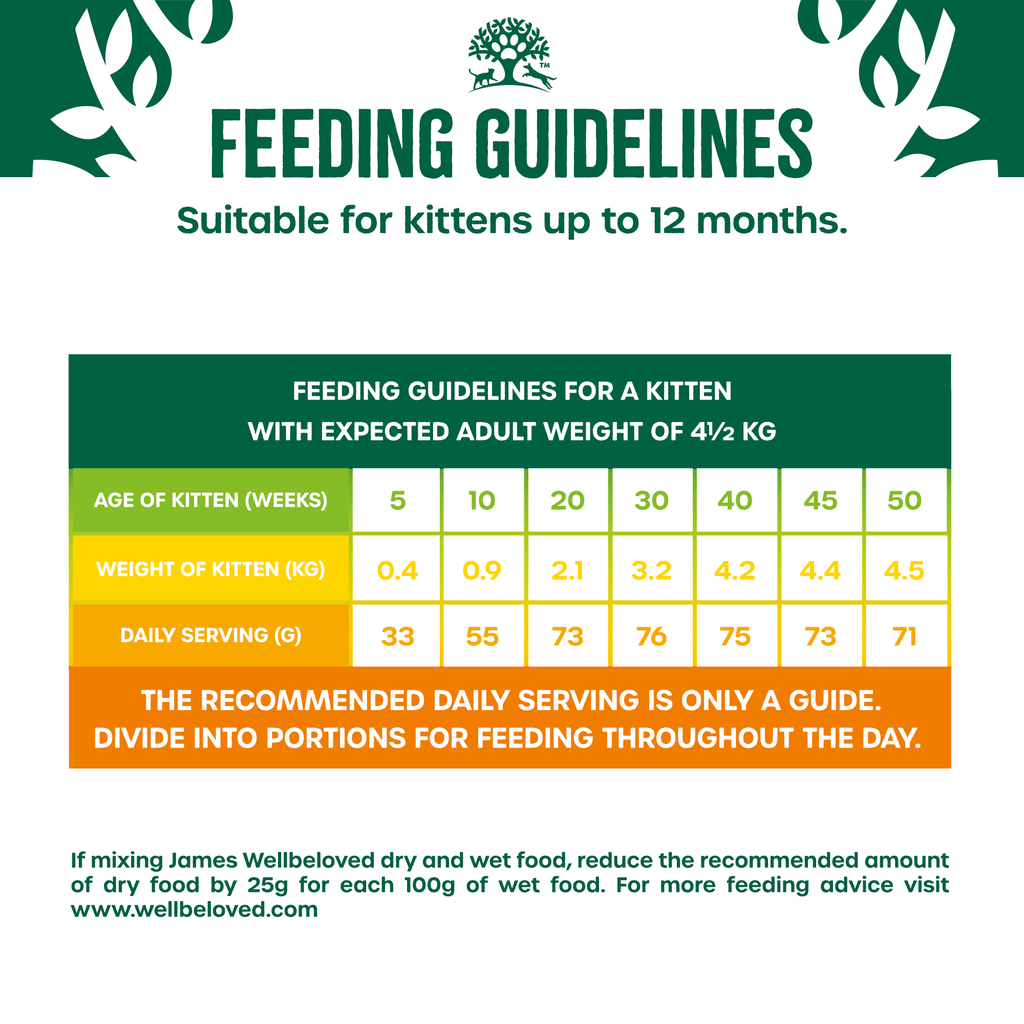
Kittens need more calories per pound than adult cats because they are growing rapidly. A young kitten may require multiple small meals throughout the day, while adult cats often do well with two meals daily.
Your cat’s current weight also matters. Overweight cats need smaller portions to help them slim down, while underweight cats might need extra food. Have you weighed your cat recently to adjust their portions accordingly?
Activity Level
Highly active cats burn more calories and require larger portions to maintain their energy. Indoor cats that lounge most of the day need less food compared to outdoor explorers who climb and run.
Think about your cat’s daily routine. Do they chase toys and climb furniture, or do they prefer naps in sunny spots? Adjusting portions based on activity can prevent unnecessary weight gain or loss.
Health Conditions
Certain health issues affect how much and what type of wet food your cat should eat. For example, cats with kidney problems often need special diets with controlled protein and phosphorus levels.
If your cat has diabetes, their food portions and timing become even more critical to managing blood sugar. Always consult your vet if health concerns arise before changing food amounts.
Type Of Wet Food
Not all wet foods have the same calorie content. Some premium formulas are denser in nutrients, meaning your cat needs less per meal. Cheaper options might require larger servings to meet nutritional needs.
Look at the label and compare calories per ounce. This helps you measure portions more accurately instead of guessing. Have you checked your cat’s wet food label lately to see what’s inside?
Calculating Daily Wet Food Amount
Figuring out how much wet food to feed your cat daily can feel tricky. It’s important to get the amount right—not too much and not too little—to keep your feline friend healthy and happy. Let’s break down the key factors that will help you calculate the perfect portion for your cat.
Reading Feeding Guidelines
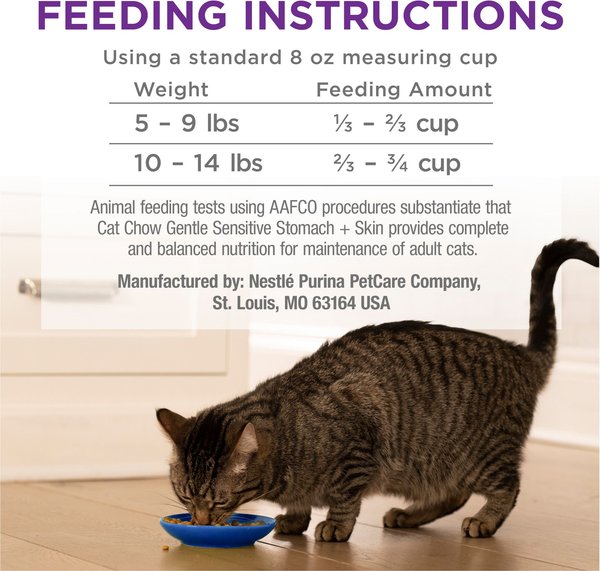
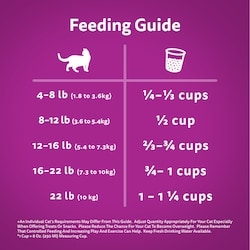
Start by checking the feeding guidelines on your cat food packaging. These usually suggest an amount based on your cat’s weight. Remember, these are general recommendations and might need tweaking.
For example, a 10-pound cat might need around 4 ounces of wet food per day according to the label. But your cat’s activity level and metabolism can change this. Pay attention to how your cat’s weight and energy respond after a week or two.
Adjusting Based On Calories
Calories matter more than just volume. Different wet foods have different calorie counts per can or pouch. You need to know how many calories your cat requires daily and match that with the calories in the food you provide.
If your cat needs 250 calories a day and your wet food has 100 calories per 3-ounce can, feeding about 7.5 ounces should work. This is about two and a half cans. Do you know your cat’s daily calorie needs? Consulting your vet or using an online calculator can help you figure this out.
Balancing Wet And Dry Food
If you feed both wet and dry food, balance is key. You’ll want to add the calories from each type to meet your cat’s total daily calorie requirement. For instance, if your cat eats 150 calories from dry food, feed 100 calories from wet food to reach a 250-calorie target.
Tracking this balance helps prevent overfeeding. You might find that adjusting one type up or down keeps your cat’s weight steady. Have you checked how your cat’s diet splits between wet and dry foods lately? It’s a simple step that can improve their health dramatically.
Feeding Schedules For Wet Food
Setting a proper feeding schedule is key to keeping your cat healthy and happy. Wet food offers moisture and nutrients that dry food lacks. Feeding at regular times helps with digestion and weight control.
Consistency in feeding times also reduces begging and anxiety. Cats thrive on routine, so establishing a schedule benefits their overall well-being. Let’s explore how to plan feeding times, control portions, and watch your cat’s appetite closely.
Meal Frequency
Most adult cats do well with two wet food meals per day. Kittens need more frequent meals, about three to four times daily. Splitting the total daily amount into smaller portions helps prevent overeating.
Some cats prefer free feeding, but wet food should be served in measured meals. Leaving wet food out too long can cause spoilage and waste.
Portion Control Tips
- Follow the feeding guidelines on the wet food label.
- Adjust portions based on your cat’s age, weight, and activity level.
- Use a kitchen scale or measuring cup for accuracy.
- Divide the daily amount into two or more meals.
- Observe your cat’s body condition and adjust portions if needed.
Monitoring Your Cat’s Appetite
Watch how much your cat eats at each meal. A sudden change in appetite can signal health issues. Some cats may eat less during stress or illness.
Keep track of leftovers to know if your cat finishes meals. Consult a vet if your cat refuses food for more than 24 hours.
Credit: www.chewy.com
Signs Of Overfeeding And Underfeeding
Knowing the signs of overfeeding and underfeeding helps keep cats healthy. Cats rely on owners to provide the right amount of wet food. Both too much and too little food cause problems. Watch for clear signs that show if feeding amounts need adjusting.
Weight Changes
Weight gain often means overfeeding. Cats may get rounder or heavier quickly. Sudden weight loss can signal underfeeding. Cats might look thin or lose muscle mass. Regularly weigh your cat to catch changes early.
Behavioral Indicators
Overfed cats may become less active or lazy. They might also beg for food more often. Underfed cats can seem restless or overly hungry. They may meow loudly or search for extra food. Changes in eating habits often reveal feeding issues.
Health Risks
Too much food increases risks like obesity and diabetes. Overfeeding stresses joints and organs over time. Too little food weakens the immune system and muscles. Underfeeding can cause anemia or poor coat condition. Proper feeding prevents these health problems and keeps cats strong.
Tips For Transitioning To Wet Food
Changing a cat’s diet to wet food needs patience and care. Sudden changes may upset their stomach. A smooth transition helps avoid digestive issues. It also makes cats more willing to try new food. Here are some tips to help your cat enjoy wet food.
Gradual Introduction
Start by offering small amounts of wet food each day. Mix it with their usual dry food. Increase the wet food portion slowly over one to two weeks. Watch your cat’s reaction closely. This gentle change helps their body adjust. It reduces the risk of stomach upset.
Mixing With Dry Food
Mix wet food with dry food to keep familiar flavors. Use a ratio like 25% wet food and 75% dry food first. Gradually adjust to more wet food and less dry food. This blend keeps the food interesting. It helps picky cats accept the new taste better.
Encouraging Picky Eaters
Warm the wet food slightly to enhance its aroma. Place food in a quiet, comfortable spot. Offer wet food at regular times to build routine. Try different flavors and textures to find what your cat likes. Use gentle encouragement and patience. Avoid forcing the cat to eat.
Credit: www.newfoundlandgrocerystores.ca
Storing And Serving Wet Food
Storing and serving wet food correctly helps keep your cat healthy and happy. Wet food can spoil quickly if not handled right. Proper care ensures your cat enjoys fresh, tasty meals every time.
Proper Storage Methods
Store wet food in a cool, dry place before opening. After opening, transfer leftovers to an airtight container. Avoid leaving wet food in the can as it can spoil fast. Keep refrigerated at 4°C (39°F) or below. Use leftovers within 24 hours to prevent bacteria growth.
Serving Temperature
Serve wet food at room temperature. Cold food can be less appealing to cats. Take food out of the fridge 10-15 minutes before feeding. Warming food slightly enhances aroma and taste. Avoid microwaving as it can cause hot spots and burn your cat’s mouth.
Maintaining Freshness
- Use clean bowls for each meal.
- Wash bowls after every feeding.
- Cover opened cans or containers tightly.
- Discard uneaten food after two hours.
- Check expiration dates regularly.
Proper care keeps food fresh and safe. Your cat will enjoy every bite without risk.
Credit: aimextools.com
Frequently Asked Questions
How Much Wet Food Should I Feed My Cat Daily?
Feed your cat about 3 to 5 ounces of wet food daily. Adjust based on age, weight, and activity level. Consult your vet for personalized feeding amounts to keep your cat healthy and maintain ideal body weight.
Can I Feed Only Wet Food To My Cat?
Yes, cats can thrive on wet food alone. Wet food provides hydration and nutrients cats need. Ensure it’s a complete and balanced formula to meet all dietary requirements for optimal health.
How To Determine The Right Wet Food Portion Size?
Check the feeding guidelines on the wet food label. Consider your cat’s weight, age, and activity level. Monitor your cat’s weight regularly and adjust portions to prevent overfeeding or underfeeding.
Is It Safe To Mix Wet And Dry Cat Food?
Yes, mixing wet and dry food is safe and beneficial. It offers variety and balanced nutrition. Ensure combined portions meet your cat’s daily calorie needs to avoid weight gain.
Conclusion
Feeding your cat the right amount of wet food keeps them healthy. Watch their weight and energy to adjust portions easily. Fresh water should always be available too. Remember, each cat is unique with different needs. Regular vet visits help ensure your cat stays happy.
Enjoy the bonding time during mealtime. Small changes can make a big difference in their health. Keep feeding simple and consistent for best results. Your cat will thank you with purrs and play.
