

Wondering how much wet food to feed your cat? Getting the portion right is key to keeping your furry friend healthy and happy.
Too little, and your cat might stay hungry or miss out on vital nutrients. Too much, and you risk weight gain or digestive issues. But don’t worry—this guide will help you find the perfect balance. Keep reading to discover simple tips and expert advice that will make feeding time easier and better for your cat’s well-being.

Credit: whitedogbone.com
Factors Influencing Wet Food Portions
Figuring out the right amount of wet food for your cat isn’t a one-size-fits-all deal. Several factors affect how much your feline friend needs each day. Knowing these can save you from overfeeding or underfeeding, keeping your cat healthy and happy.
Cat’s Age And Life Stage
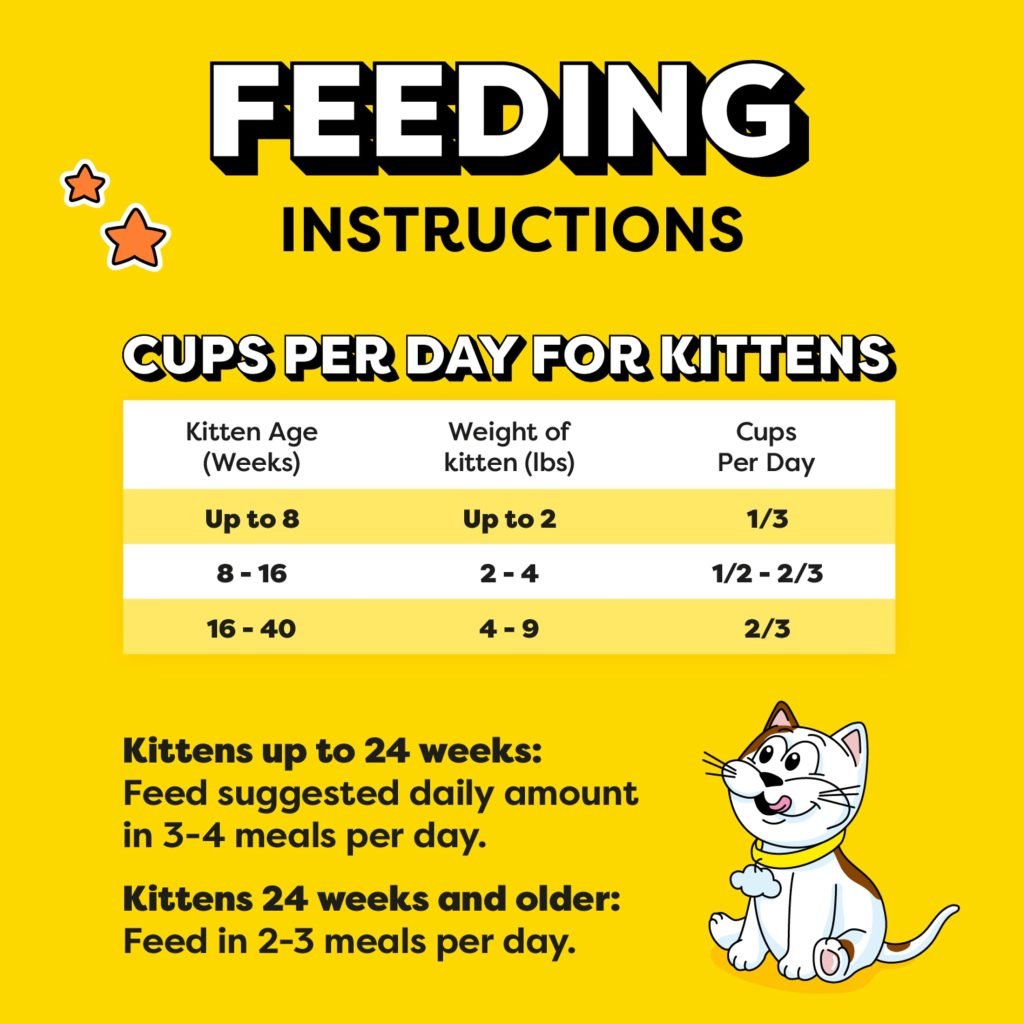
Kittens need more calories per pound than adult cats because they’re growing fast. A young cat might require multiple small meals of wet food daily, while seniors usually need fewer calories and sometimes special diets to support aging joints or organs.
Have you noticed how your kitten’s appetite changes as it grows? Adjusting portions to match these life stages ensures your cat gets what it truly needs.
Activity Level And Lifestyle
Active cats burn more calories and usually require larger portions. Indoor cats tend to be less active and might need smaller servings to avoid weight gain. Outdoor explorers, on the other hand, often need more energy-dense meals.
Think about your cat’s daily routine—does it play vigorously or lounge most of the day? Tailoring food portions to activity helps maintain their ideal weight.
Health Conditions
Some cats have health issues that influence their diet. Kidney disease, diabetes, or allergies require specific feeding plans and portion control. Your vet’s advice is crucial here to prevent complications.
Have you ever adjusted your cat’s diet after a vet visit? Small changes in wet food portions can make a big difference in managing health problems.
Type And Brand Of Wet Food
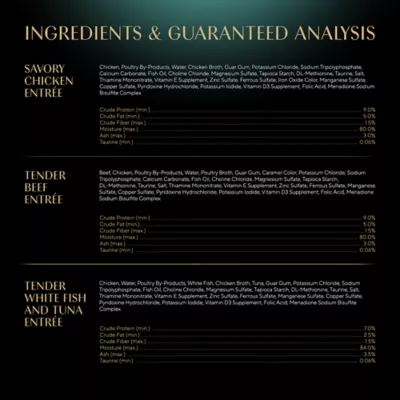
Not all wet foods are created equal. Some brands have higher calorie counts or different ingredient blends that affect how much your cat should eat. Always check the label and feeding guidelines.
Your cat’s preference might also play a role—some foods are more palatable, encouraging better intake. Experimenting with different brands can help you find the right fit and portion size for your cat’s needs.
Credit: aimextools.com
Daily Wet Food Amounts By Cat Size
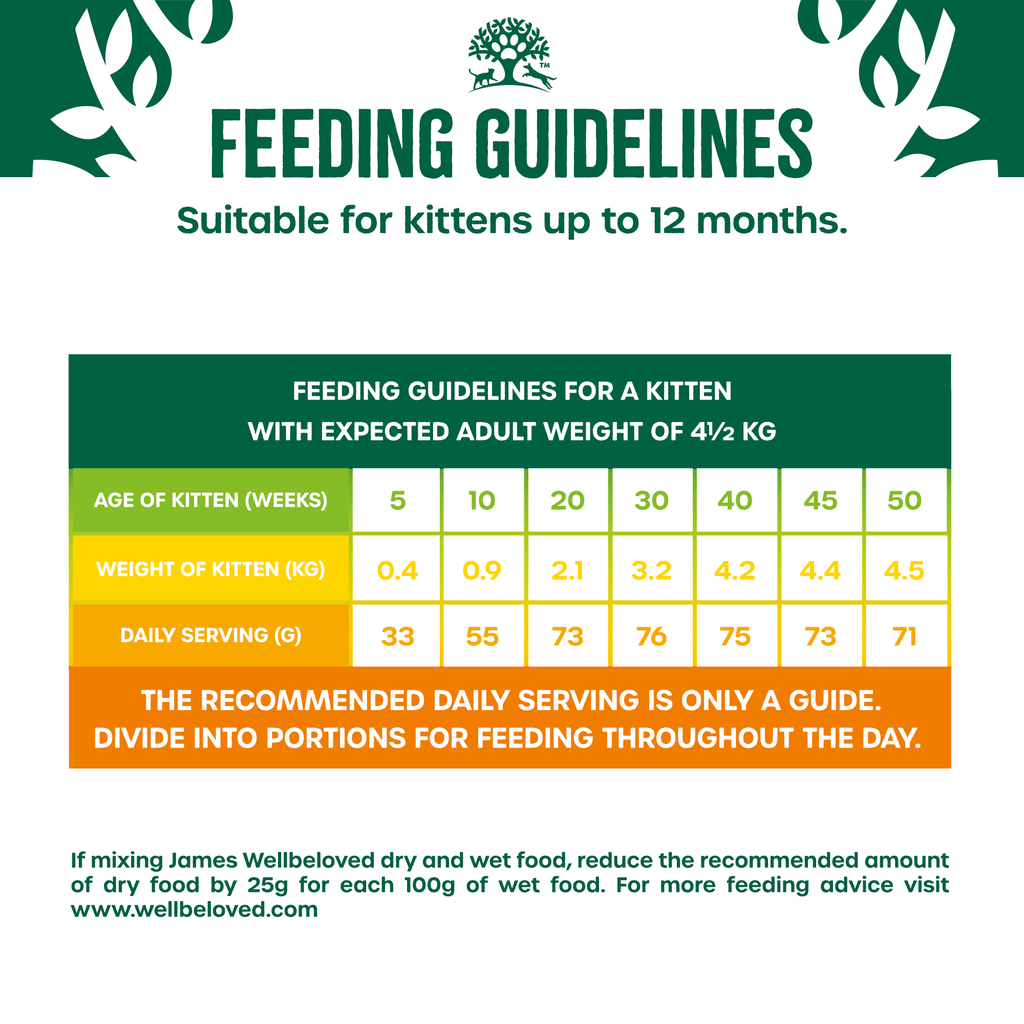
Knowing the right amount of wet food to feed your cat depends on their size. Cats need different portions based on their body weight to stay healthy and active. Feeding the correct amount helps avoid weight gain or malnutrition.
Here is a simple guide to daily wet food amounts by cat size. Adjustments might be needed based on activity level and health.
Small Cats
Small cats usually weigh under 8 pounds. They need less food but still require balanced nutrition.
- Feed about 3 to 4 ounces of wet food daily.
- Divide into two or three meals for better digestion.
- Choose nutrient-rich formulas to meet energy needs.
Average-sized Cats
Average cats weigh between 8 and 12 pounds. Their food intake increases to support their size.
- Feed roughly 4 to 6 ounces of wet food per day.
- Two meals work well for most cats.
- Monitor weight and adjust portions as needed.
Large Cats
Large cats weigh over 12 pounds and need more calories to maintain energy.
- Feed about 6 to 8 ounces of wet food daily.
- Split into two or three meals for comfort.
- Use high-quality wet food to support health.
Balancing Wet And Dry Food
Balancing wet and dry food is key to a healthy cat diet. Wet food provides moisture and helps with hydration. Dry food offers crunch and dental benefits. Combining both can meet your cat’s nutrition needs and keep mealtime interesting.
Mixing Feeding Methods
Mixing wet and dry food can work well for many cats. Some owners serve wet food in the morning and dry food at night. Others mix small amounts of wet food into dry food bowls. This variety can encourage picky eaters to eat well.
Keep an eye on your cat’s preferences. Some cats love wet food more, while others prefer dry. Adjust the mix to what your cat enjoys and digests easily.
Adjusting Portions For Mixed Diets
Portion control is important when feeding both wet and dry food. Cats need a balanced calorie intake to avoid weight gain. Wet food has more moisture and fewer calories per gram than dry food.
| Food Type | Calories per Serving | Typical Serving Size |
|---|---|---|
| Wet Food | 70-100 kcal | 3-4 oz (1 small can) |
| Dry Food | 300-400 kcal | ¼ to ⅓ cup |
Adjust portions so total calories fit your cat’s daily needs. Consult your vet for exact amounts. Watch your cat’s weight and energy to fine-tune feeding amounts. A balanced mix supports health and happiness.
Signs Of Proper Feeding Amounts
Knowing the right amount of wet food for your cat is important. Signs of proper feeding help you avoid overfeeding or underfeeding. These signs show your cat’s health and happiness. Watch for changes in weight, energy, and behavior. They tell you if your feeding amount is correct.
Maintaining Healthy Weight
Your cat’s weight is a key sign of proper feeding. A steady weight means the food amount fits your cat’s needs. Too much food causes weight gain. Too little food leads to weight loss. Check your cat’s body regularly. Look for ribs that are easy to feel but not visible. A healthy cat has a waist when viewed from above.
Energy And Behavior Indicators
Energy levels reveal if your cat eats well. A well-fed cat is playful and alert. Low energy or laziness may mean underfeeding. Overfeeding can cause sluggishness or discomfort. Watch for changes in behavior like irritability or excessive meowing. These can signal hunger or digestive issues. Proper feeding keeps your cat active and calm.
Feeding Tips For Special Needs Cats
Special needs cats require careful attention to their diet. Their unique conditions affect how much wet food they should eat daily. Adjusting feeding amounts helps maintain their health and energy. Understanding these needs supports their well-being and longevity.
Kittens
Kittens need more calories than adult cats. Their growing bodies require frequent feeding of nutrient-rich wet food. Offer small meals four times a day to support growth. Wet food provides hydration and essential nutrients. Monitor their weight to avoid overfeeding or underfeeding.
Senior Cats
Older cats digest food slower and may eat less. Wet food helps keep them hydrated and supports kidney function. Feed smaller portions twice daily to prevent obesity. Choose wet food with balanced nutrients for joint and immune health. Watch for changes in appetite and adjust feeding accordingly.
Cats With Medical Issues
Cats with health problems need tailored feeding plans. Consult a vet to determine the right wet food type and amount. Some conditions require low-protein or low-fat diets. Offer food in smaller, frequent meals to improve digestion. Monitor their response and adjust feeding as needed.
Practical Feeding Schedule Ideas
Creating a practical feeding schedule for your cat’s wet food can make mealtimes smoother for both of you. It helps maintain your cat’s health and keeps their appetite steady. Let’s look at how you can organize feeding times and portions effectively.
Meal Frequency
Most adult cats do well with two meals a day, spaced about 8-12 hours apart. Kittens and younger cats might need more frequent feedings—about three to four times daily—to support their rapid growth.
Think about your daily routine and when you’re home to feed your cat. Consistency is key; cats thrive on routine and knowing when to expect their meal can reduce begging and anxiety.
- Feed adult cats twice daily, morning and evening.
- Kittens benefit from three to four smaller meals spread throughout the day.
- Adjust frequency if your vet recommends based on your cat’s health.
Portion Timing
Timing portions properly ensures your cat eats the right amount without leftovers going to waste. Wet food can spoil quickly if left out too long, so serve just what your cat can finish within 20-30 minutes.
If your cat tends to graze, try dividing their daily wet food into smaller portions and offer them at regular intervals. This can prevent overeating and help you monitor their appetite more accurately.
Have you noticed your cat’s energy levels dip at certain times? Adjust portion sizes around their activity peaks to keep them energized and satisfied.
| Time of Day | Suggested Portion Size | Notes |
|---|---|---|
| Morning | Half of daily wet food | Right after you wake up, sets a good start |
| Evening | Remaining half | Before bedtime to keep them full overnight |
Credit: www.petsmart.com
Frequently Asked Questions
How Much Wet Food Should I Feed My Cat Daily?
Feed your cat about 3 to 5 ounces of wet food daily. Adjust based on age, weight, and activity level to maintain a healthy weight.
Can I Feed Only Wet Food To My Cat?
Yes, cats can thrive on wet food alone. Ensure the food is complete and balanced for all nutrients.
How Often Should I Feed Wet Food To My Cat?
Feed wet food two to three times daily. Splitting the total daily amount into smaller meals helps digestion and prevents overeating.
Does Wet Food Help With My Cat’s Hydration?
Yes, wet food contains high moisture, aiding your cat’s hydration. This is especially important for cats that drink little water.
Conclusion
Feeding your cat the right amount of wet food keeps them happy and healthy. Watch their weight and energy to adjust portions as needed. Remember, every cat is different. Fresh water should always be available alongside their meals. Consult your vet for specific feeding advice.
Small changes can make a big difference. Feeding with care helps your cat live a long, joyful life. Keep it simple, consistent, and loving.
