

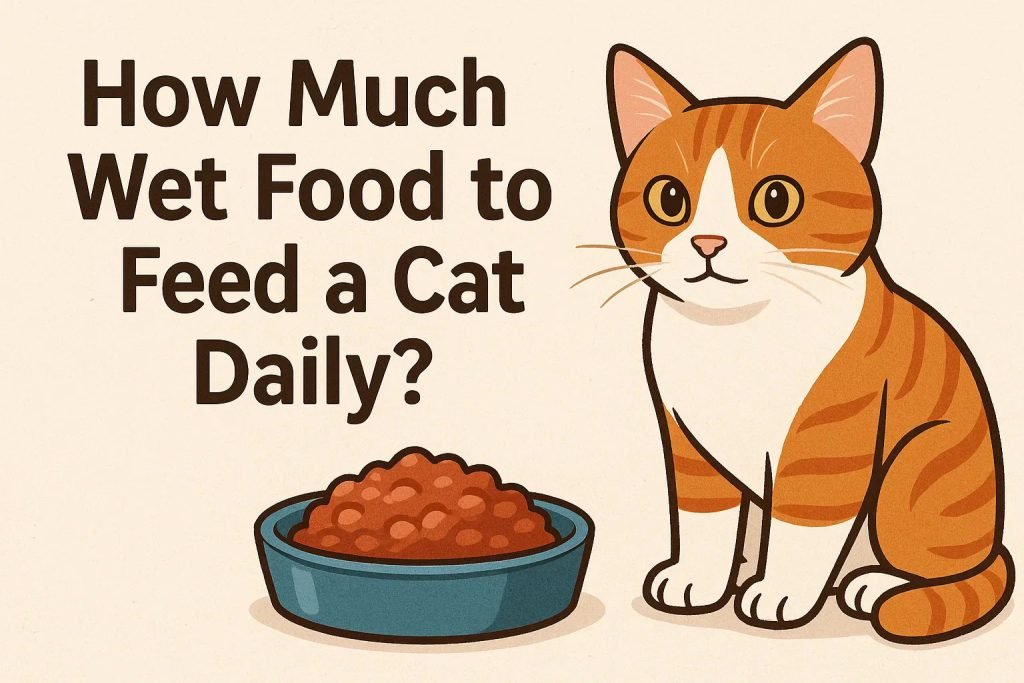
If you’ve ever wondered how much wet food your cat should be eating, you’re not alone. Feeding your furry friend the right amount is key to keeping them happy and healthy.
Too little, and they might stay hungry or miss essential nutrients. Too much, and weight problems could sneak in without you noticing. You’ll discover simple, clear guidelines to help you find the perfect portion size for your cat’s wet food.
Keep reading to make sure your cat gets just what they need—no guesswork involved.
Credit: www.purina.com
Benefits Of Wet Cat Food
Wet cat food offers unique advantages that can improve your cat’s overall well-being. Unlike dry kibble, it provides essential moisture, richer nutrients, and often tastes better to picky eaters. Understanding these benefits can help you decide how much wet food to include in your cat’s diet.
Hydration And Health
Cats naturally have a low thirst drive, so they often don’t drink enough water on their own. Wet food helps keep your cat hydrated because it contains around 75-80% moisture. Proper hydration supports kidney function and reduces the risk of urinary tract issues, which are common in cats.
I noticed my cat’s coat became shinier and her energy levels improved after I started feeding her wet food regularly. Have you seen changes in your cat’s health after switching to wet food?
Nutrient Density
Wet cat food is packed with high-quality proteins, vitamins, and minerals in a more natural form. Because it’s denser in nutrients, your cat can get everything she needs in smaller portions compared to dry food. This is especially important for cats with special dietary needs or those who are less active.
Think about how a small can of wet food can provide balanced nutrition without the fillers often found in dry options. This can make meal planning simpler and more effective for your furry friend.
Palatability And Appetite
Many cats find wet food more appealing because of its texture, aroma, and flavor variety. This makes it easier to encourage eating in cats who are finicky or have lost their appetite. Wet food can be a helpful tool if your cat needs to gain weight or recover from illness.
Have you ever struggled to get your cat to eat? Switching to wet food might just solve that problem and make mealtime a joy for both of you.

Credit: www.amazon.co.uk
Factors Influencing Wet Food Amounts
Determining how much wet food your cat should eat depends on several key factors. Each cat is unique, so the amount that works for one might not be right for another. Understanding these influences helps you provide the right nutrition and keeps your feline friend healthy and happy.
Cat’s Age And Weight
Kittens need more calories and nutrients per pound than adult cats because they are growing quickly. Older cats often require fewer calories but might benefit from diets that support joint health or kidney function.
Weight plays a crucial role too. A heavier cat will need more food than a lighter one, but you should adjust portions carefully to avoid overfeeding. Have you noticed changes in your cat’s weight recently? That’s a sign to reassess their feeding amounts.
Activity Level
Active cats burn more energy and usually need more food to maintain their weight. Indoor cats that lounge all day will require less food compared to outdoor or highly playful cats.
Think about how much your cat moves around daily. Does your cat chase toys or climb frequently? These behaviors mean higher energy needs and a potential increase in wet food portions.
Health Conditions
Health issues like diabetes, kidney disease, or allergies can affect how much wet food your cat should eat. Some conditions require a special diet with controlled portions to manage symptoms effectively.
Have you discussed your cat’s health with a vet recently? Tailoring the amount and type of wet food to your cat’s medical needs can improve their quality of life significantly.
Type Of Wet Food
Not all wet foods are created equal. Some brands are higher in calories, protein, or moisture, which changes how much your cat should eat daily.
Check the label for calorie content and ingredients. You might find that a smaller amount of a richer formula satisfies your cat more than a larger portion of a less nutrient-dense option.
Daily Wet Food Guidelines
Knowing how much wet food to feed your cat each day can be tricky. Cats have different energy needs depending on their age, weight, and activity level. Following daily wet food guidelines helps you keep your furry friend healthy and happy without overfeeding or underfeeding.
Standard Portion Sizes
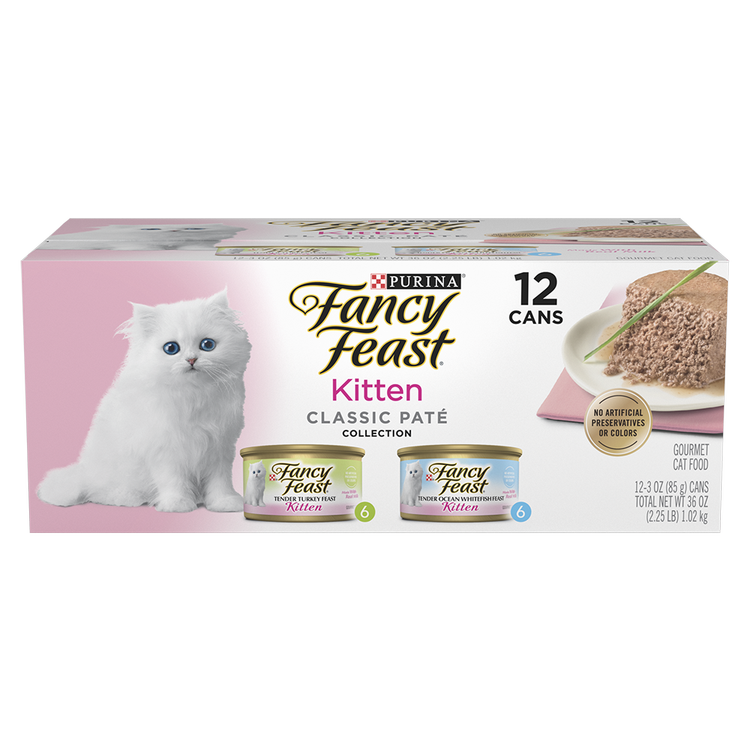
Most wet cat food cans come in 3-ounce or 5.5-ounce sizes. A general rule is that an average adult cat weighing around 10 pounds needs about 5.5 ounces of wet food per day.
If your cat is smaller or less active, reduce the portion slightly. Larger or more active cats may need more food. You can find feeding recommendations on the cat food label, but adjust based on your cat’s specific needs.
Adjusting For Free-feeding Vs Scheduled Meals
If you let your cat free-feed wet food, it’s easy for them to overeat or spoil the food. Wet food should ideally be served in scheduled meals to maintain portion control and freshness.
Try dividing the daily portion into two or three smaller meals. This helps you monitor your cat’s appetite and prevents food waste.
Combining Wet And Dry Food
Many cat owners mix wet and dry food to balance hydration and convenience. When combining, adjust the wet food amount to avoid excess calorie intake.
For example, if your cat’s daily calorie need is 250 kcal, and you feed 100 kcal from dry food, provide about 150 kcal from wet food. This keeps the total calories balanced.
Signs Of Overfeeding And Underfeeding
Understanding the signs of overfeeding and underfeeding is crucial to keeping your cat healthy. Both can seriously affect your cat’s well-being, so recognizing these signs early helps you adjust their wet food portions correctly. Let’s break down what to watch for in your cat’s weight, behavior, and digestive health.
Weight Changes
Weight is the clearest indicator of whether your cat is eating the right amount. Sudden weight gain often points to overfeeding, especially if your cat’s activity level hasn’t changed. On the other hand, noticeable weight loss could mean underfeeding or an underlying health problem.
Weigh your cat regularly and keep a log. This simple habit gives you concrete data to discuss with your vet. Are you surprised by how quickly your cat’s weight can shift?
Behavioral Indicators
Changes in your cat’s behavior can reveal feeding issues. Overfed cats may become lethargic or less interested in play. They might also beg less frequently because they’re consistently full.
Underfed cats often show increased restlessness or constant begging, searching for more food. Watch for signs like excessive meowing or even irritability. Your cat’s mood can be a powerful clue to their feeding needs.
Digestive Health
Keep an eye on your cat’s litter box habits. Overfeeding can lead to diarrhea or loose stools, while underfeeding might cause constipation or hard stools. Both situations can cause discomfort and should not be ignored.
Notice any changes in your cat’s appetite, vomiting, or gas. These digestive signals can help you decide if you need to adjust meal sizes or consult your vet. How often do you check these subtle signs?
Tips For Feeding Wet Food
Feeding wet food to your cat can improve their diet and hydration. Knowing how to handle and serve wet food properly helps keep your cat healthy and happy. Small changes in feeding habits make a big difference.
Proper Storage And Serving
Store wet food in the fridge after opening. Use an airtight container or cover the can tightly. Serve only the amount your cat can eat in one meal. Leftover food should be discarded after two hours to avoid spoilage.
Use a clean bowl for each serving. Warm the food slightly by placing the bowl in warm water for a few minutes. This enhances the smell and makes it more appealing to your cat.
Encouraging Picky Eaters
Offer wet food at regular times to build a routine. Mix wet food with a small amount of dry food to create a familiar taste. Try different flavors and textures to find what your cat likes best.
Feed in a quiet, comfortable place. Avoid sudden changes in food type or brand. Patience is key; some cats need time to accept new foods.
Transitioning Between Foods
Switch foods gradually over 7 to 10 days. Start by mixing 25% new food with 75% old food. Increase the new food amount every few days until fully switched.
Watch for any digestive issues, like vomiting or diarrhea. If problems occur, slow the transition. Keep fresh water available to help digestion.
Credit: www.purina.com
Consulting Your Veterinarian
Consulting your veterinarian is a key step in deciding how much wet food your cat should eat. Every cat has unique needs based on age, weight, health, and activity level. A vet can provide expert advice tailored to your cat’s specific situation. This helps prevent overfeeding or underfeeding, which can cause health problems.
Professional guidance supports your cat’s well-being and ensures a balanced diet. Regular check-ups allow for adjustments as your cat’s needs change. Trusting a vet’s knowledge leads to better nutrition and a happier pet.
Personalized Feeding Plans
Your veterinarian can create a feeding plan just for your cat. This plan considers your cat’s weight, age, and health conditions. It includes the right amount of wet food per day. Personalized plans help maintain a healthy weight and prevent nutritional gaps. The vet may recommend mixing wet food with dry food or supplements. This approach fits your cat’s lifestyle and health goals.
Monitoring Health And Diet
Regular vet visits track your cat’s health and diet progress. The vet checks weight, coat condition, and energy levels. These signs show if the feeding plan works well. Blood tests may be done to check for nutrient deficiencies. Monitoring helps catch problems early and keeps your cat healthy. It also allows the vet to suggest diet changes if needed.
Adjusting Portions Over Time
As your cat grows or ages, its food needs change. Your vet can help adjust wet food portions accordingly. Changes in activity or health require portion updates. Overweight cats might need smaller servings to lose weight. Underweight cats may need more food or different nutrients. Adjusting portions ensures your cat stays fit and active throughout life.
Frequently Asked Questions
How Much Wet Food Should A Cat Eat Daily?
A cat should eat about 3 to 4 ounces of wet food daily per 6 to 8 pounds of body weight. This amount meets their nutritional needs and prevents overfeeding, promoting a healthy weight and digestion.
Can Wet Food Alone Meet A Cat’s Nutrition?
Yes, high-quality wet food can provide complete nutrition. It contains essential proteins, fats, vitamins, and moisture to keep cats healthy and hydrated when fed in proper amounts.
Should Wet Food Portions Vary By Cat Age?
Yes, kittens need more frequent and slightly larger portions for growth. Senior cats may require smaller, easily digestible servings adjusted to their activity and health status.
How To Adjust Wet Food For Overweight Cats?
Reduce daily wet food portions gradually while monitoring weight. Consult a vet for precise calorie needs and consider mixing wet food with low-calorie dry food.
Conclusion
Feeding your cat the right amount of wet food keeps them healthy and happy. Watch your cat’s weight and energy to adjust portions. Quality wet food helps with hydration and nutrition. Always follow feeding guidelines on the packaging. Consult your vet for special diet needs.
Small, frequent meals often work best for cats. Balanced feeding supports a long, active life for your pet. Caring for your cat’s diet shows love and responsibility. Keep learning and observing to give your cat the best care.
