

Feeding your cat the right amount of food is one of the most important things you can do for their health and happiness. But how do you know exactly how much wet and dry food to give them each day?
Giving too little can leave your cat hungry and unsatisfied, while too much might lead to weight gain and health problems. You’ll discover simple, clear guidelines that help you balance wet and dry food perfectly. Keep reading to learn how to keep your furry friend healthy and full without the guesswork.
Daily Calorie Needs
Understanding your cat’s daily calorie needs is key to keeping them healthy and happy. Feeding the right amount of wet and dry food depends largely on how many calories your cat requires each day. Too much or too little can lead to weight problems or nutritional deficiencies.
Factors Affecting Calorie Intake
Not all cats burn calories at the same rate. Several factors influence how much energy your feline friend needs daily.
- Size and Weight:Larger cats need more calories, while smaller cats require less.
- Metabolism:Some cats naturally burn calories faster than others.
- Health Conditions:Illnesses or medical issues can change calorie needs dramatically.
- Spaying or Neutering:These procedures often lower your cat’s energy requirements.
Think about your own pet’s unique traits before deciding on food portions. Have you noticed changes in their weight or energy levels?
Calorie Requirements By Age
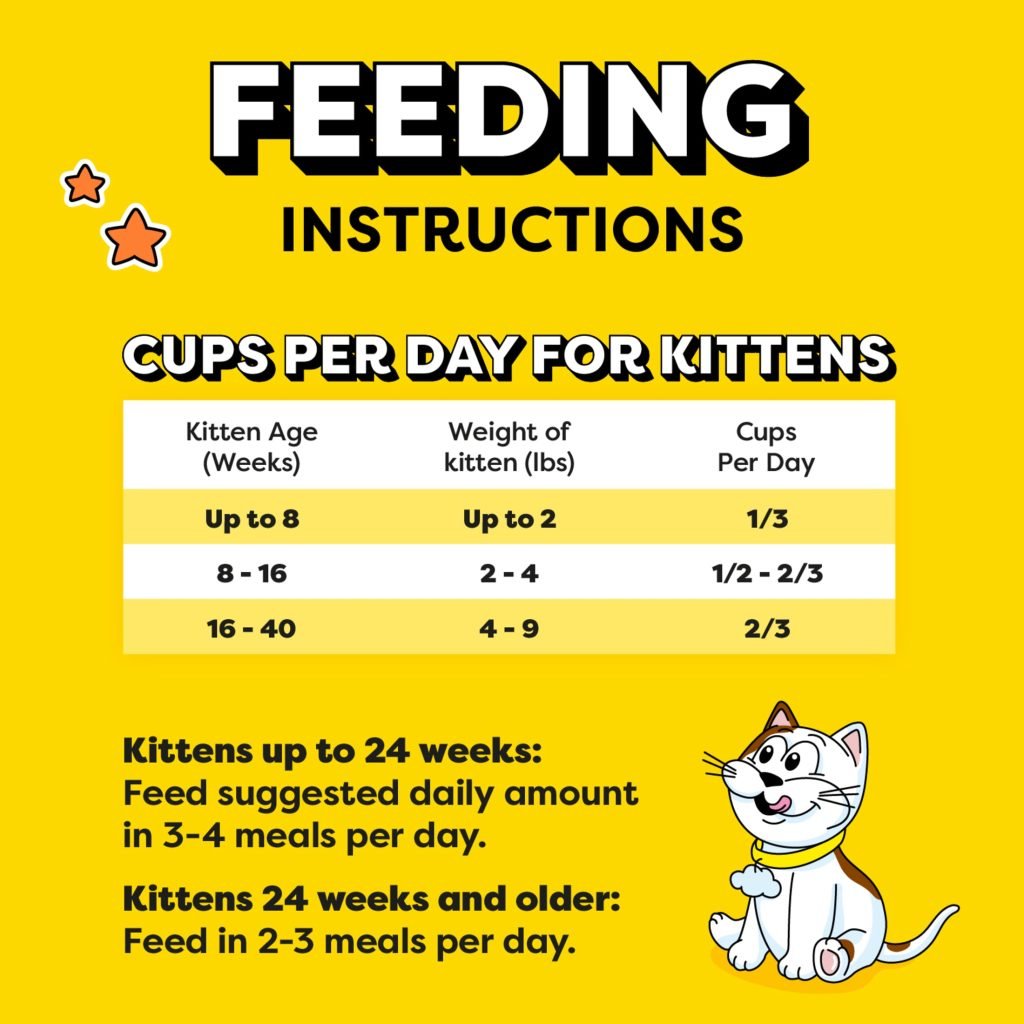
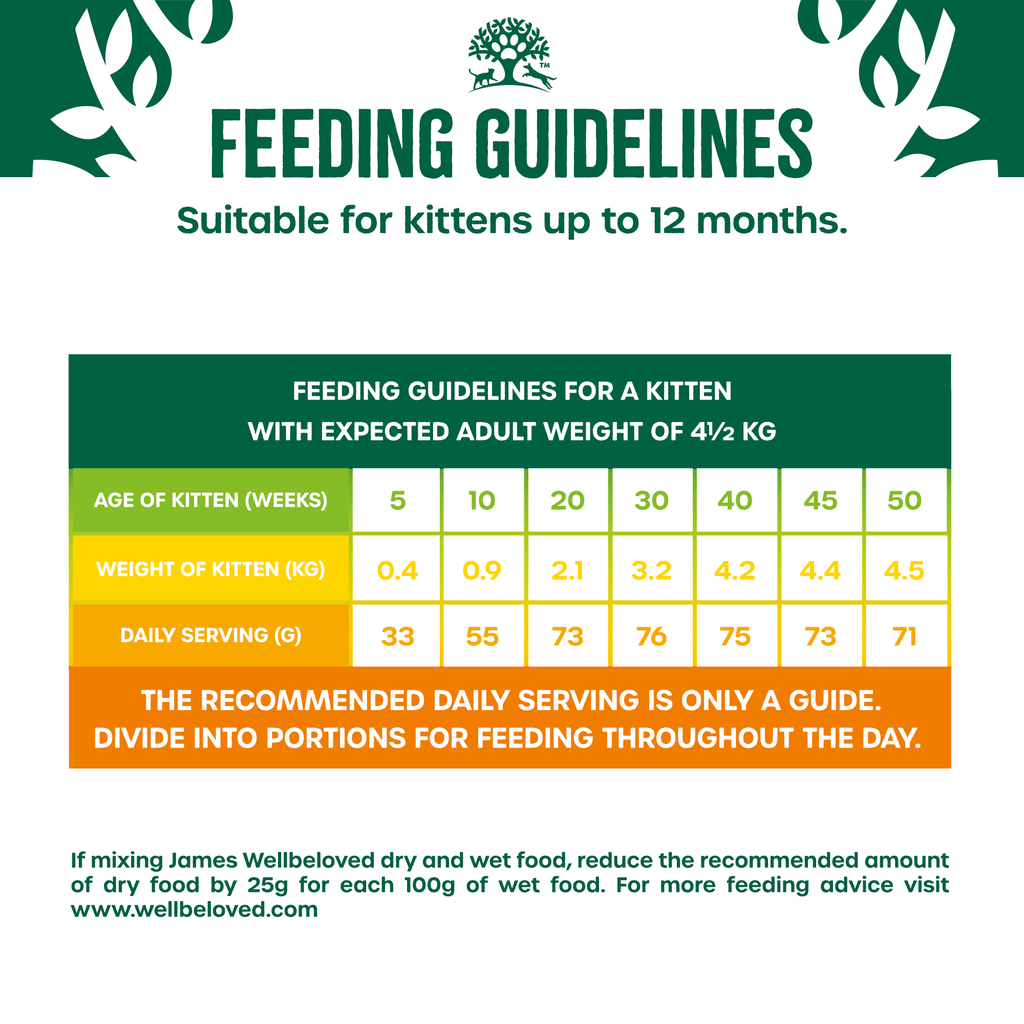
Kittens, adults, and senior cats all need different calorie amounts. Growing kittens need more energy to support development. Their calorie intake can be almost double that of an adult cat.
Adult cats maintain their weight with moderate calorie intake, usually around 20 calories per pound of body weight. Older cats often become less active and may need fewer calories to avoid weight gain.
| Life Stage | Calories per Pound | Notes |
|---|---|---|
| Kitten | 30-50 | High energy for growth |
| Adult | 20-25 | Maintenance |
| Senior | 15-20 | Lower activity levels |
Calorie Needs For Active Vs Indoor Cats
Active cats that spend time outdoors or play vigorously need more calories. Their bodies burn energy quickly and require fuel to stay fit.
Indoor cats tend to be less active and burn fewer calories. Overfeeding indoor cats can easily lead to obesity, a common health risk.
- Active Cat:Increase calories by 20-30% to support their energy output.
- Indoor Cat:Monitor food to avoid excess calorie intake and weight gain.
Have you noticed your cat’s activity changing with the seasons? Adjusting their food accordingly helps maintain a healthy weight year-round.
Credit: www.chewy.com
Wet Food Benefits
Wet food offers several benefits that support a cat’s health and well-being. It provides moisture, which helps keep cats hydrated. Many cats do not drink enough water, so wet food can help fill that gap. It also tends to be rich in essential nutrients that support a balanced diet. These benefits make wet food an important part of many cats’ meals.
Hydration And Nutrient Content
Wet food contains about 75-85% water. This extra moisture helps prevent dehydration and supports kidney health. It also contains proteins, fats, and vitamins essential for your cat’s energy and growth. The soft texture makes it easier for cats to chew and digest. Wet food often has fewer carbohydrates than dry food, which is better for cats’ natural diet.
Ideal Serving Size
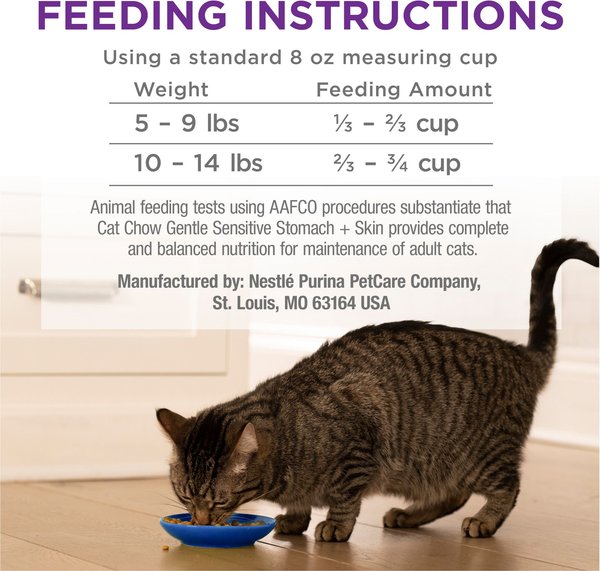
The right serving size depends on your cat’s age, weight, and activity level. Most wet food cans or pouches have feeding guidelines on the label. Generally, adult cats need about 3-4 ounces per 5 pounds of body weight daily. Split the amount into two or more meals. Watch your cat’s weight and adjust servings to avoid overfeeding or underfeeding.
Choosing Quality Wet Food
Look for wet food with real meat as the first ingredient. Avoid products with too many fillers like corn or soy. Check the label for added vitamins and minerals. Grain-free options can be better for cats with sensitivities. Choose brands that meet the Association of American Feed Control Officials (AAFCO) standards. This ensures the food provides complete nutrition for your cat.
Dry Food Advantages
Dry cat food offers many benefits for pet owners and their cats. It is easy to use and store, making daily feeding simple. Dry food helps keep your cat’s teeth cleaner by reducing plaque. It also tends to last longer once opened, reducing waste. Choosing the right dry food ensures your cat gets the nutrients they need. Let’s explore the advantages in detail.
Convenience And Storage
Dry food is simple to serve. You can leave it out for your cat to eat anytime. This suits busy schedules and free feeding habits. It does not spoil quickly, even if left uncovered for a few hours. Dry food bags are easy to store in small spaces. They take up less room than cans or pouches. This makes stocking up easier without clutter.
Recommended Portion Sizes
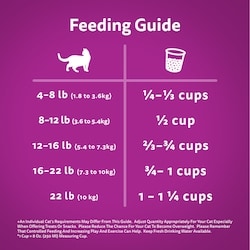
Portion control is crucial to avoid overfeeding. Check the package for feeding guidelines based on your cat’s weight. Use a measuring cup to give the exact amount. This helps maintain a healthy weight and prevents digestive issues. Feeding smaller, frequent meals keeps your cat satisfied and energized throughout the day. Adjust portions if your cat’s activity level changes.
Selecting Balanced Dry Food
Look for dry food with balanced nutrients. Protein should be the main ingredient to support muscles. Essential vitamins and minerals help keep your cat healthy. Avoid foods with too many fillers like corn or wheat. Grain-free options suit some cats better. Choose a formula that matches your cat’s age and health needs. Quality dry food supports your cat’s overall well-being.
Credit: aimextools.com
Combining Wet And Dry Food
Combining wet and dry food can offer the best of both worlds for your cat. Wet food provides hydration and strong flavor, while dry food helps with dental health and convenience. Finding the right mix can improve your cat’s overall diet and keep mealtime interesting.
Balancing Nutritional Needs
Wet and dry foods have different nutrient profiles, so balancing them is key. Wet food tends to have higher moisture and protein, which is great for hydration and muscle maintenance. Dry food usually contains more carbohydrates and fiber, supporting digestion and dental care.
Think about your cat’s specific needs—age, weight, and health conditions affect how much wet or dry food they should eat. If your cat is picky or has urinary issues, more wet food might be beneficial. Always check the labels and compare calorie content to avoid overfeeding.
Sample Feeding Schedules
Feeding both wet and dry food doesn’t have to be complicated. You can split meals across the day, such as offering wet food in the morning and dry food at night. This keeps your cat excited and ensures a steady nutrient intake.
| Time | Food Type | Portion |
|---|---|---|
| Morning | Wet Food | 1/2 can (about 3 oz) |
| Afternoon | Dry Food | 1/4 cup |
| Evening | Dry Food | 1/4 cup |
Have you noticed how your cat responds to different feeding times? Adjusting schedules can help if your cat seems hungry or uninterested.
Adjusting Portions For Mixed Diets
When mixing wet and dry food, remember to reduce the portions accordingly to avoid extra calories. For example, if your cat’s daily calorie need is 300, dividing that between wet and dry food means you won’t feed full portions of both.
Start by feeding smaller amounts of each and watch your cat’s weight and energy levels. If you see weight gain or loss, tweak the portions. Tools like measuring cups and kitchen scales make this easier.
- Track your cat’s weight weekly.
- Note any changes in appetite or behavior.
- Consult your vet for personalized advice.
Could changing your cat’s food balance improve their health or happiness? Paying attention to these details helps you make better feeding choices every day.
Special Considerations
Feeding your cat isn’t a one-size-fits-all deal. Different life stages, health conditions, and behaviors all play a role in how much wet and dry food your cat needs. Paying attention to these special considerations can help you keep your feline friend happy and healthy.
Feeding Kittens Vs Adult Cats
Kittens need more calories and nutrients than adult cats because they’re growing rapidly. Their meals should be rich in protein and fat to support development. Wet food can be especially beneficial for kittens due to its higher moisture and easier texture.
Adult cats require fewer calories but still need balanced nutrition. You might notice your adult cat prefers dry food for crunch and wet food for hydration. Adjust the amounts as your cat ages and watch for changes in appetite or activity.
Managing Weight And Health Issues
Overfeeding can quickly lead to obesity, which causes serious health problems. If your cat is overweight, reduce portion sizes and increase wet food to boost hydration and satiety. For cats with kidney or urinary issues, wet food is often recommended because it helps increase water intake.
Some cats have special dietary needs due to allergies or illnesses. Consult your vet to tailor feeding amounts and types accordingly. Have you noticed your cat losing weight or eating less? That’s a sign to adjust their diet and check their health.
Monitoring Feeding Habits
Observe your cat’s eating patterns closely. Sudden changes in appetite can signal health problems or stress. Keep a feeding journal to note how much and when your cat eats, and whether they prefer wet or dry food at different times.
Consider using measured scoops or pre-portioned meals to avoid overfeeding. If your cat tends to graze, try scheduled feeding times to better control intake. How often do you check your cat’s food bowl? Small habits in monitoring can make a big difference.
Feeding Tips And Tricks
Feeding your cat the right amount of wet and dry food is important for its health. Proper feeding helps maintain a good weight and keeps your cat active. Small habits can make a big difference in how your cat eats and digests food. Here are some useful tips to improve your cat’s feeding routine.
Preventing Overfeeding
Overfeeding can cause weight gain and health problems in cats. Measure the food portions carefully. Use a kitchen scale or measuring cup to avoid guessing. Feed your cat at set times instead of free feeding. Limit treats and snacks to keep calories in check. Watch your cat’s body condition and adjust portions as needed.
Encouraging Healthy Eating
Create a calm and quiet feeding area for your cat. Avoid distractions during mealtime to help your cat focus on eating. Offer fresh water near the food bowl to keep your cat hydrated. Mix wet and dry food to add variety and texture. Change the feeding routine if your cat shows signs of boredom.
When To Consult A Veterinarian
Visit a vet if your cat suddenly changes its eating habits. Loss of appetite or overeating can signal health issues. Check with a vet if your cat is gaining or losing weight quickly. Seek advice on the best food type for your cat’s age and health. A vet can provide personalized feeding recommendations.
Credit: www.atlanticsuperstore.ca
Frequently Asked Questions
How Much Wet Food Should I Feed My Cat Daily?
Feed your cat about 3 to 5 ounces of wet food daily. This varies by cat size, age, and activity. Wet food helps keep cats hydrated and supports urinary health. Always check packaging for specific feeding guidelines.
Can I Mix Wet And Dry Cat Food Safely?
Yes, mixing wet and dry cat food is safe and beneficial. Wet food adds moisture, while dry food helps dental health. Balance portions to avoid overfeeding. Consult your vet for the best mix ratio for your cat.
How To Determine The Right Food Amount For Cats?
Calculate food based on your cat’s weight, age, and activity level. Use feeding charts on food packaging as a guide. Monitor your cat’s weight and adjust portions accordingly. Regular vet check-ups help tailor feeding amounts.
Is It Better To Feed Cats Wet Or Dry Food?
Both have benefits: wet food hydrates, dry food aids dental health. A mix provides balanced nutrition and variety. Choose high-quality brands with proper nutrients. Tailor feeding to your cat’s preferences and health needs.
Conclusion
Feeding your cat the right amount of wet and dry food keeps them healthy. Watch your cat’s weight and energy to adjust portions. Each cat needs a different amount based on age and activity. Always provide fresh water alongside dry food.
Balance helps your cat enjoy meals and stay strong. Small changes can make a big difference in their health. Trust your instincts and observe your pet closely. Careful feeding leads to a happy, healthy cat every day.
