


Thinking about bringing a furry friend into your home? You might be wondering, “How much does it really cost to adopt a cat?” Knowing the expenses upfront can help you plan better and avoid surprises later.
From adoption fees to supplies and vet visits, there are a few key costs you should be ready for. Keep reading to discover everything you need to know about the true price of adopting a cat—and how to make sure your new companion feels loved and cared for without breaking the bank.
Adoption Fees
Adoption fees are the main cost when bringing a cat home from a shelter. These fees help cover the care and medical costs before adoption. Knowing what adoption fees include helps prepare for the expenses.
Typical Cost Range
Adoption fees usually range from $50 to $150. Some shelters may charge less, while others ask for more. The price depends on the cat’s age, breed, and health status.
Kittens often cost more than adult cats. Special needs cats might have higher fees due to extra care.
What Fees Cover
Adoption fees usually cover:
- Spaying or neutering
- Vaccinations
- Microchipping
- Basic medical exams
- Flea and worm treatments
These services keep cats healthy and ready for a new home.
Variations By Shelter Type
Animal shelters, rescue groups, and private shelters set fees differently. Public shelters may have lower fees to encourage adoptions.
Rescue groups often use fees to support their care efforts. Private shelters may charge more for special breeds or purebred cats.

Credit: www.ottawahumane.ca
Initial Supplies
Getting a new cat means buying some important supplies first. These items create a safe and comfortable home for your pet. Planning ahead helps avoid extra trips or last-minute purchases. Knowing what to buy and how much to expect keeps your budget clear.
Essential Items
- Litter box and litter
- Food and water bowls
- Cat food (wet and dry)
- Cat bed or blanket
- Scratching post or pad
- Carrier for trips
- Toys for play
- Grooming tools like a brush
- Collar with ID tag
Estimated Costs
| Item | Average Cost (USD) |
|---|---|
| Litter box and litter | $20 – $50 |
| Food and water bowls | $10 – $30 |
| Cat food (one month supply) | $15 – $40 |
| Cat bed or blanket | $15 – $40 |
| Scratching post or pad | $20 – $50 |
| Carrier | $25 – $60 |
| Toys | $10 – $30 |
| Grooming tools | $5 – $20 |
| Collar with ID tag | $5 – $15 |
Where To Shop
Pet stores offer a wide range of cat supplies. Staff can help choose the right products. Big-box retailers often have lower prices on basics. Online shops provide convenience and customer reviews. Check local shelters or rescue groups for donated items. Some community markets may have affordable options. Compare prices before buying to save money.
Veterinary Expenses
Veterinary expenses are a crucial part of the overall cost of adopting a cat. These costs ensure your new feline friend stays healthy and happy from day one. Understanding the common veterinary expenses helps you plan your budget better and avoid unexpected bills.
Vaccinations And Check-ups
Vaccinations protect your cat from dangerous diseases. Initial shots typically include rabies, feline distemper, and calicivirus. These can cost between $50 to $100 depending on your location and vet.
Regular check-ups are equally important. They help spot health issues early and keep vaccinations up to date. Plan for at least one visit a year, costing around $50 to $75.
Spaying Or Neutering
Spaying or neutering your cat prevents unwanted litters and can improve behavior. Most shelters include this in the adoption fee, but if not, expect to pay $100 to $300. Prices vary based on the cat’s age and size.
Some vets offer low-cost clinics or payment plans. Have you checked local animal welfare groups? They often provide affordable options that can ease this expense.
Microchipping Costs
Microchipping your cat is a small price to pay for peace of mind. It increases the chance of your cat being returned if lost. The procedure usually costs between $25 and $50.
This one-time fee includes implanting the chip and registering your contact info. Don’t skip this step—it’s a simple, effective way to protect your pet.
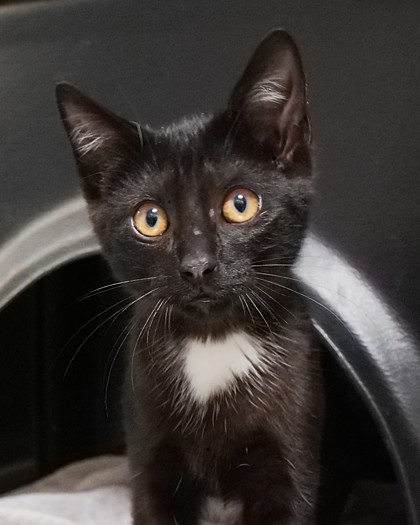
Credit: www.hamiltonhumane.com
Ongoing Care Costs
Adopting a cat means more than just a one-time fee. Ongoing care costs are part of responsible pet ownership. These expenses keep your cat healthy, happy, and comfortable every day. Planning for these costs helps you avoid surprises and ensures your cat gets the best care.
Food And Treats
Good food is essential for your cat’s health. Expect to spend on quality cat food regularly. Cats need balanced nutrition, so choose food that fits their age and health needs. Treats are nice for training or rewarding. Keep treats limited to avoid extra health costs.
Litter And Cleaning Supplies
Litter is a daily need. The cost varies by type and brand. Clumping litter is popular but can be pricier. You also need supplies like litter boxes and scoops. Cleaning keeps your home fresh and your cat comfortable. Budget for these items monthly.
Regular Vet Visits
Regular check-ups catch health issues early. Vaccinations, flea control, and dental care are routine. Vet visits cost money but save on bigger bills later. Plan for annual or bi-annual exams. Emergency visits may happen, so keep some savings ready.
Unexpected Expenses
Adopting a cat is an exciting journey, but it’s easy to overlook some unexpected expenses that can add up quickly. Beyond the initial adoption fee, you might face costs that challenge your budget and test your preparedness. Understanding these surprises can help you plan better and ensure your new feline friend thrives in your care.
Emergency Vet Care
Accidents and sudden illnesses happen, no matter how careful you are. Emergency vet visits can cost hundreds or even thousands of dollars in a single night. Imagine your cat swallowing something toxic or suddenly developing a severe infection—are you financially ready for that?
Keeping a small emergency fund specifically for unexpected health issues can save you stress and heartache. Some pet owners have found that even a basic first-aid kit and knowing quick response tips can make a difference before reaching the vet.
Behavioral Training
Not all cats adjust smoothly to new homes. Behavioral issues like scratching furniture, litter box problems, or anxiety may require professional training. These sessions aren’t cheap and can range from $50 to over $100 per appointment.
Think about whether you’re prepared to invest time and money into training. Sometimes, a few well-chosen products or guidance from experienced trainers can prevent small problems from turning into costly habits.
Pet Insurance
Pet insurance might seem like an extra expense, but it could save you money in the long run. Plans often cover accidents, illnesses, and sometimes even routine care. Without it, you might face hefty bills when your cat needs unexpected care.
Consider your cat’s breed, age, and health history when choosing a policy. Is the monthly fee worth the peace of mind? Many cat owners find that insurance helps them manage costs and focus on their pet’s wellbeing instead of worrying about bills.
Budgeting Tips
Planning your budget before adopting a cat can save you from unexpected expenses and stress. Understanding where your money goes helps you make smarter choices that fit your lifestyle and wallet.
Saving Strategies
Look for local shelters that offer discounted adoption fees during special events or holidays. You might find deals where the adoption fee includes vaccinations or microchipping.
Buy supplies in bulk or shop at discount stores to reduce costs on litter, food, and toys. Sometimes, signing up for newsletters from pet stores can give you access to exclusive coupons.
Ask friends or family if they have gently used cat items like carriers or scratching posts. This can drastically cut down your initial spending.
Cost Comparison
| Expense | Animal Shelter | Breeder | Pet Store |
|---|---|---|---|
| Adoption Fee | $50 – $150 | $500 – $2,000 | $200 – $1,000 |
| Initial Medical Costs | Often included | Varies | Varies |
| Supplies | Basic starter kits available | Usually not included | Varies |
Comparing costs like this gives you a clearer picture of where your money goes and helps you decide what fits your budget best. Would you prioritize upfront costs or ongoing expenses?
Affordable Alternatives
Consider adopting from rescue groups that may have lower fees and provide medical care before adoption. These groups often rely on donations, which can reduce your costs.
Look into fostering cats before adopting. It’s a low-cost way to care for a cat temporarily and see if you’re ready for long-term commitment.
Think about older cats—they often have lower adoption fees and can be less demanding than kittens. Plus, you give a loving home to a pet who might otherwise be overlooked.

Credit: www.reginacatrescue.com
Frequently Asked Questions
How Much Does It Cost To Adopt A Cat?
Adoption fees typically range from $50 to $150. This covers vaccinations, spaying/neutering, and microchipping. Costs vary by shelter and location.
Are There Additional Costs After Adopting A Cat?
Yes, expect expenses for food, litter, toys, and vet visits. Initial supplies can add $100 or more to the adoption cost.
Can Adoption Fees Be Waived Or Reduced?
Some shelters offer discounted or waived fees during special events. Senior citizen discounts or promotions may also reduce costs.
What Does The Adoption Fee Usually Include?
Fees often cover vaccinations, spaying/neutering, microchipping, and initial health checks. This ensures the cat is ready for a new home.
Conclusion
Adopting a cat brings joy and companionship. Initial costs vary greatly. From adoption fees to supplies, plan wisely. Create a budget that covers essentials. Food, litter, and vet visits add up. Consider unexpected expenses too. Cats need love and care.
Their companionship is priceless. Always remember, adopting a cat is a lifelong commitment. Your new feline friend deserves a happy, healthy life. Make sure you’re ready for this rewarding journey. Your home and heart will thank you.
