

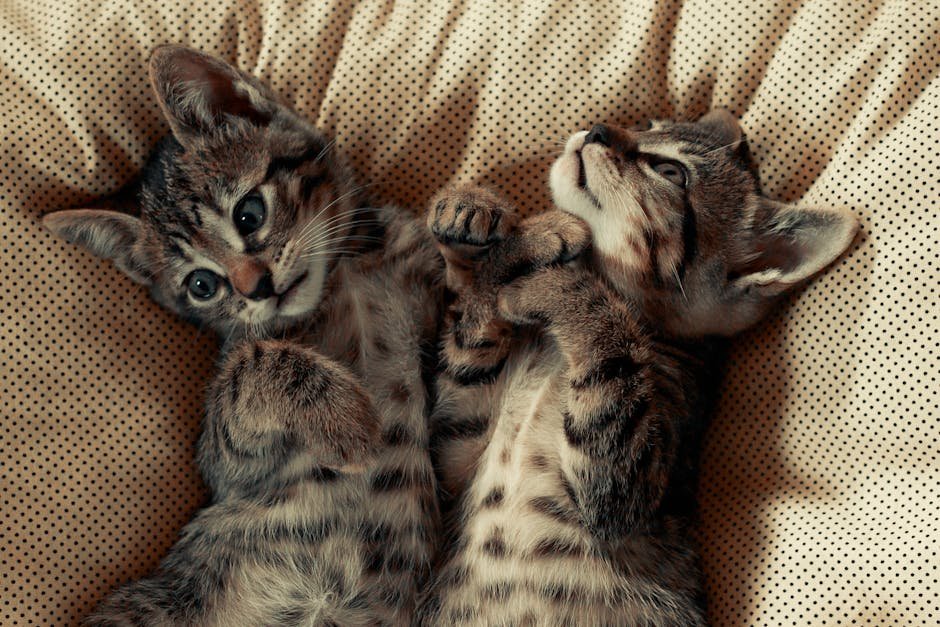
Have you ever wondered if your cat is getting enough playtime? Play isn’t just fun for your furry friend—it’s essential for their health and happiness.
But how much play does your cat really need each day? Getting this right can make a big difference in your cat’s mood, energy, and even behavior. You’ll discover simple ways to keep your cat active and content, making your bond stronger than ever.
Keep reading to find out how to give your cat the perfect amount of playtime they deserve.

Credit: www.youtube.com
Importance Of Play For Cats
Play is vital for a cat’s health and happiness. It keeps their mind sharp and body fit. Cats are natural hunters, so play mimics hunting behaviors. This helps them express their instincts safely indoors.
Without enough play, cats can become bored or stressed. This may lead to bad behavior like scratching or biting. Play provides mental stimulation and emotional balance. It strengthens the bond between cats and their owners.
Physical Health Benefits
Regular play helps cats stay active and avoid obesity. It improves muscle tone and joint health. Exercise through play reduces the risk of diseases like diabetes.
Mental Stimulation
Play challenges a cat’s mind. It encourages problem-solving and curiosity. This keeps their brain active and reduces anxiety.
Behavioral Improvements
Engaging cats in play reduces destructive habits. It channels their energy into positive activities. Play also helps reduce stress and aggression.
Strengthening Owner-cat Bond
Playing together builds trust and affection. It creates fun moments and deepens your connection. Cats feel more secure and loved through play.
Factors Influencing Playtime
Several factors determine how much playtime a cat needs each day. Understanding these elements helps pet owners provide the right amount of activity. Playtime keeps cats healthy, happy, and mentally sharp.
Age And Activity Levels
Kittens need more playtime than older cats. Young cats are full of energy and curiosity. They may play for several short sessions throughout the day.
Adult cats usually need less playtime but still enjoy daily activity. Senior cats may prefer gentle play and shorter sessions. Adjust playtime based on your cat’s energy and health.
Breed Characteristics
Different cat breeds have unique activity needs. Some breeds are naturally more energetic. For example, Siamese and Bengal cats require more playtime to stay content.
Other breeds, like Persians and Ragdolls, tend to be calmer. They need less intense play but still benefit from regular interaction. Knowing your cat’s breed helps tailor playtime.
Indoor Vs. Outdoor Cats
Indoor cats usually need more structured playtime. They rely on owners to provide toys and stimulation. Without outdoor exploration, indoor cats can get bored easily.
Outdoor cats get natural exercise from roaming and hunting. They may need less active play indoors. Still, gentle interaction strengthens your bond and keeps them engaged.
Recommended Playtime Duration
Knowing the right amount of playtime for your cat is key to keeping them happy and healthy. Too little activity can lead to boredom or weight gain, while too much might tire them out or cause stress. Finding a balanced duration tailored to your cat’s age and personality helps maintain their energy and mental sharpness.
Daily Playtime Recommendations For Cats
Most adult cats benefit from about 15 to 30 minutesof active play each day. This can be split into multiple short sessions to match their natural hunting bursts. Kittens and younger cats usually need more, around 30 to 60 minutes, because they have higher energy levels.
Older cats may prefer shorter, gentler play sessions, focusing more on interaction than intense activity. Watch your cat’s behavior closely to adjust playtime—if they seem restless or bored, add a few more minutes. If they get tired quickly, reduce the duration but keep it consistent.
How To Break Up Playtime Throughout The Day
Breaking play into smaller chunks helps keep your cat engaged and prevents overstimulation. Try three 10-minute sessions spread across the day rather than one long playtime. Cats often respond better to short, frequent bursts of activity.
- Morning session to start their day
- Midday session to break monotony
- Evening session to mimic hunting before sleep
Have you noticed your cat’s energy peaks at certain times? Aligning play with these natural rhythms can make the sessions more effective and enjoyable.
Signs Your Cat Needs More Or Less Playtime
Notice if your cat scratches furniture more or acts restless; these can be signs they need more play. On the other hand, if they hide or seem tired after play, it might be too much. Adjusting playtime based on these signals ensures your cat stays balanced.
Remember, your cat’s mood after playtime tells you a lot. Happy and relaxed means you’re on the right track. If they seem stressed or disinterested, try changing toys or shortening sessions.
Types Of Play Cats Enjoy
Cats have unique play preferences that keep them mentally sharp and physically active. Understanding the types of play they enjoy helps you tailor activities that keep your feline friend happy and healthy. Let’s look at the different ways cats like to engage with their environment and you.
Interactive Toys
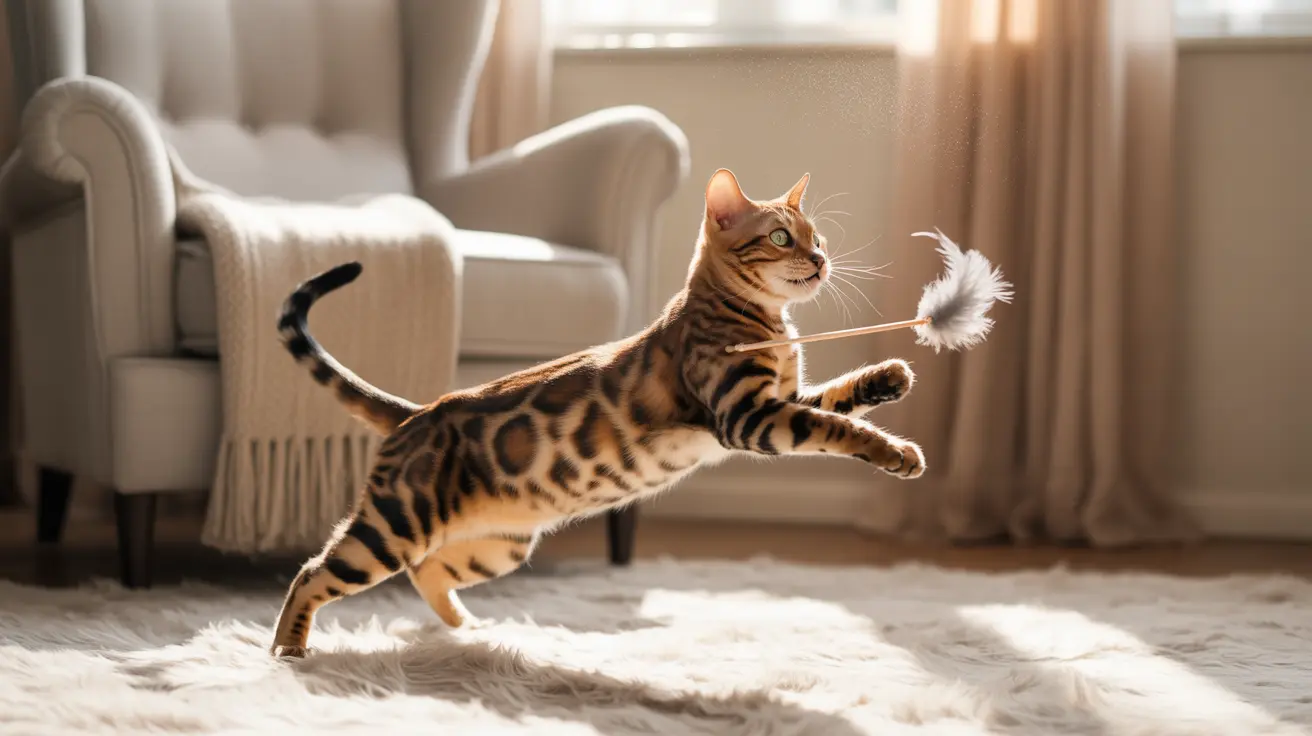
Interactive toys are perfect for bonding with your cat while providing exercise. Toys like feather wands, laser pointers, and motorized mice mimic prey behavior, triggering your cat’s natural hunting instincts.
Try varying the speed and direction when you use these toys to keep your cat guessing. Have you noticed how your cat’s focus sharpens with a sudden change in movement? That’s the key to keeping playtime exciting.
Solo Play Options
Not every cat wants a playmate all the time. Solo toys like balls, puzzle feeders, and small stuffed animals let your cat entertain themselves safely when you’re busy.
Choose toys that move unpredictably or make noise to keep your cat’s interest. A favorite in my home is a crinkly ball—it gets batted around for hours, showing that simple toys can be very effective.
Environmental Enrichment
Adding elements like climbing trees, scratching posts, and window perches encourages natural behaviors beyond just chasing toys. These enrichments provide mental stimulation and physical outlets.
Think about what your cat enjoys observing or exploring and add those features to their space. Have you tried placing a bird feeder outside a window perch? It’s a great way to combine entertainment and relaxation for your cat.
Signs Of Insufficient Playtime
Noticing signs that your cat isn’t getting enough playtime can make a big difference in their happiness and health. Cats, like people, need regular activity to stay mentally sharp and physically fit. Missing out on play can lead to some clear warning signals you shouldn’t ignore.
Behavioral Issues
When cats don’t get enough play, they often act out. You might see sudden aggression, like biting or scratching during petting sessions. Some cats become overly vocal or start meowing loudly just to get your attention.
Destructive behaviors are another red flag. Your cat may start scratching furniture more than usual or knocking things off tables. This is their way of releasing pent-up energy and frustration.
Have you noticed your cat hiding more or becoming unusually clingy? Both can be signs of boredom or stress caused by insufficient playtime. These changes affect your bond and your cat’s overall mood.
Health Concerns
Physical health can decline when cats don’t move enough. Weight gain is common, as their calorie burn drops but appetite often stays the same. This can lead to obesity, putting your cat at risk for diabetes and joint problems.
Inactive cats may develop muscle weakness and lose their natural agility. Over time, this affects their ability to jump and climb, which are vital for a cat’s well-being. You might notice your cat avoiding activities they once enjoyed.
Regular playtime also helps prevent stress-related illnesses. Without enough stimulation, cats can develop urinary tract issues or digestive problems. If your cat is showing unusual health symptoms, consider whether playtime might be part of the solution.

Credit: weareallaboutcats.com
Tips To Encourage Play
Encouraging play is key to keeping cats happy and healthy. Playtime helps cats use their energy and sharpens their minds. It also builds a stronger bond between you and your pet. Use simple ways to make play a regular part of your cat’s day.
Setting A Routine
Cats thrive on routine. Set specific times each day for play. Short sessions of 10 to 15 minutes work best. Play before mealtime can increase your cat’s interest. Consistency helps your cat expect and enjoy playtime.
Creative Play Ideas
- Use toys like feather wands or laser pointers.
- Make homemade toys from paper or string.
- Hide treats inside puzzle toys to spark curiosity.
- Rotate toys regularly to keep interest high.
- Create safe spaces for climbing and chasing.
Incorporating Training
Training adds mental exercise to physical play. Teach simple commands like “sit” or “come.” Use treats or toys as rewards. Training sessions should be short and fun. This strengthens your cat’s focus and trust in you.
Adapting Play For Senior Cats
As cats age, their play needs change significantly. Senior cats may not have the same energy levels as they did in their youth, but play remains essential for their physical health and mental well-being. Adjusting the way you engage your older cat can keep them active and happy without overexertion.
Understanding Your Senior Cat’s Limits
Observe how your senior cat reacts to play. They might tire quickly or prefer gentler movements over fast chasing games. Respect these limits to avoid causing stress or injury.
Try shorter play sessions with more frequent breaks. This helps your cat stay interested without feeling overwhelmed.
Choosing The Right Toys For Older Cats
Soft, lightweight toys work better for senior cats. Consider options like feather wands, soft balls, or plush mice that don’t require intense chasing or pouncing.
Interactive toys that stimulate the mind, such as puzzle feeders, can also keep your cat engaged without requiring too much physical effort.
Creating A Safe Play Environment
Make sure the play area is free of obstacles that could cause injury. Senior cats may have reduced balance and vision, so a calm, quiet space is best.
Provide stable surfaces and avoid slippery floors to help your cat move confidently and safely during playtime.
Involving Gentle Exercise In Daily Routine
Incorporate mild exercise into your senior cat’s day to maintain muscle tone and joint flexibility. Simple activities like gentle batting at toys or slow-paced chase games can be effective.
Ask yourself: How can you make play feel like a fun, low-pressure activity rather than a demanding task for your cat?
Monitoring Your Cat’s Health During Play
Watch for signs of discomfort such as limping, heavy breathing, or reluctance to continue playing. These can indicate that your cat needs a different type of activity or a vet checkup.
Keeping a play journal can help you track what works best and when to adjust your approach.
Consulting With A Veterinarian
Consulting with a veterinarian is vital to understand your cat’s playtime needs. Each cat is unique, and a vet can offer advice based on age, health, and breed. This helps tailor play sessions that keep your cat happy and healthy.
A vet can spot signs of health issues that affect activity levels. They can suggest safe types of play to avoid injury. Regular check-ups ensure your cat’s playtime stays balanced with their well-being.
Assessing Your Cat’s Health And Activity Levels
Veterinarians examine your cat’s overall health before recommending playtime. They check for joint problems, obesity, or heart conditions. These factors influence how much and what type of play is safe.
Personalized Playtime Recommendations
Vets provide customized advice on play duration and intensity. They consider your cat’s energy and physical limits. This approach prevents overexertion and keeps your cat engaged.
Monitoring Behavioral Changes
Changes in play behavior can signal health problems. Vets help identify if your cat is less active due to pain or stress. Early detection allows timely treatment and proper activity adjustments.
Choosing Safe Toys And Activities
Veterinarians suggest toys that fit your cat’s size and abilities. They warn against toys that pose choking or injury risks. Safe play supports mental stimulation and physical exercise.
Credit: www.petscare.com
Frequently Asked Questions
How Much Daily Playtime Do Cats Need?
Cats typically need 20 to 30 minutes of active play daily. This helps maintain their physical health and mental stimulation. Kittens and young cats may require more playtime to expend energy. Regular play prevents boredom and behavioral issues in cats of all ages.
What Are The Benefits Of Regular Cat Playtime?
Regular playtime keeps cats physically fit and mentally sharp. It reduces stress and anxiety while promoting healthy weight. Play strengthens the bond between cats and their owners. It also satisfies their natural hunting instincts, improving overall well-being.
How Can I Make Cat Playtime More Engaging?
Use interactive toys like feather wands or laser pointers. Rotate toys to keep your cat interested and curious. Incorporate short, frequent sessions rather than one long playtime. Tailor play to your cat’s preferences for better engagement and fun.
When Is The Best Time To Play With Cats?
The best times are early morning and evening when cats are naturally more active. These times mimic their hunting instincts at dawn and dusk. Playing during these hours helps regulate their energy and promotes better sleep patterns.
Conclusion
Cats need daily playtime to stay happy and healthy. Small, regular sessions work best for them. Play helps cats use energy and avoid boredom. It also builds a strong bond between you and your pet. Watch your cat’s mood to know when to stop.
Remember, each cat is different and has unique needs. Keep playtime fun and safe for the best results. Your cat will thank you with love and purrs. Simple efforts bring big benefits to your furry friend.
