

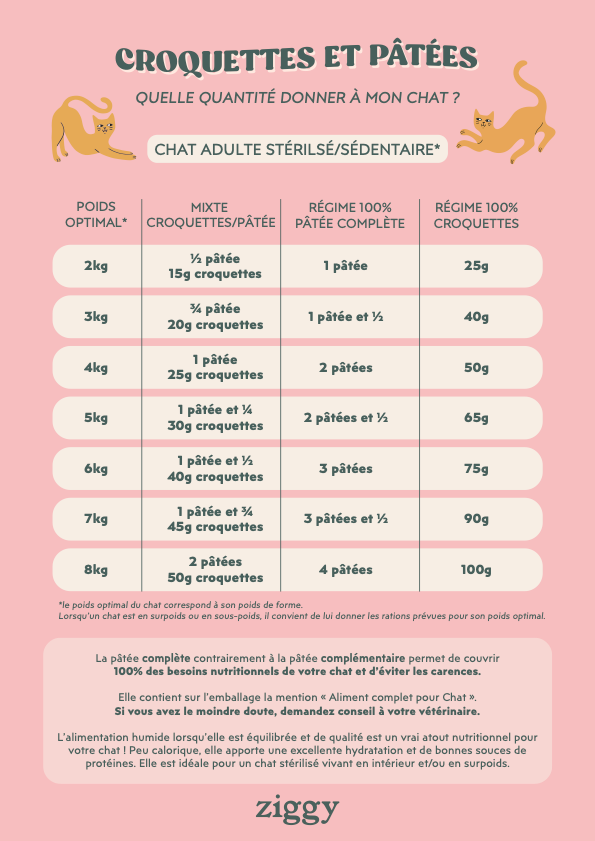
Are you wondering how much food your cat really needs each day? Feeding your furry friend the right amount is more important than you might think.
Too much or too little can affect their health and happiness. You’ll discover simple tips to find the perfect daily portion for your cat. Keep reading to ensure your pet stays healthy, energetic, and purrs with joy every day!

Credit: shop.pricechopper.com
Daily Calorie Needs
Cats need different amounts of food daily based on their age, weight, and activity. Feeding the right portions helps keep them healthy and happy. Regularly checking their weight ensures they get enough nutrition without overeating.
Understanding the daily calorie needs of your feline friend is crucial for maintaining their health and vitality. Cats, much like humans, require a balanced diet to thrive. But how much food is enough? Let’s dive into the specifics of their daily calorie needs.Factors Influencing Calorie Requirements
Every cat is unique, and several factors can influence their calorie requirements. Breed, age, and weight play significant roles. A small, lightweight cat will need fewer calories than a larger, more robust breed. Health conditions, such as diabetes or hyperthyroidism, can also impact calorie needs. It’s essential to consult your vet if your cat has any health issues. Remember, a one-size-fits-all approach doesn’t work for our furry companions.Calorie Estimates By Age And Weight
Young kittens need more calories per pound of body weight than adult cats due to their rapid growth. A typical adult cat requires about 20 calories per pound to maintain weight. Senior cats might need fewer calories as their metabolism slows down. Here’s a simple breakdown:| Cat Age | Calories Per Pound |
|---|---|
| Kitten | 50-60 |
| Adult | 20-30 |
| Senior | 15-20 |
Adjusting For Activity Levels
Is your cat a couch potato or a hyperactive explorer? Activity level significantly impacts calorie needs. A sedentary indoor cat may require fewer calories, while an active outdoor hunter might need more. Monitor your cat’s weight and adjust their food intake accordingly. If they start gaining or losing weight unexpectedly, consider revisiting their calorie intake. Have you ever noticed your cat’s mood change with their food portions? Finding the right balance can lead to a happier, healthier pet.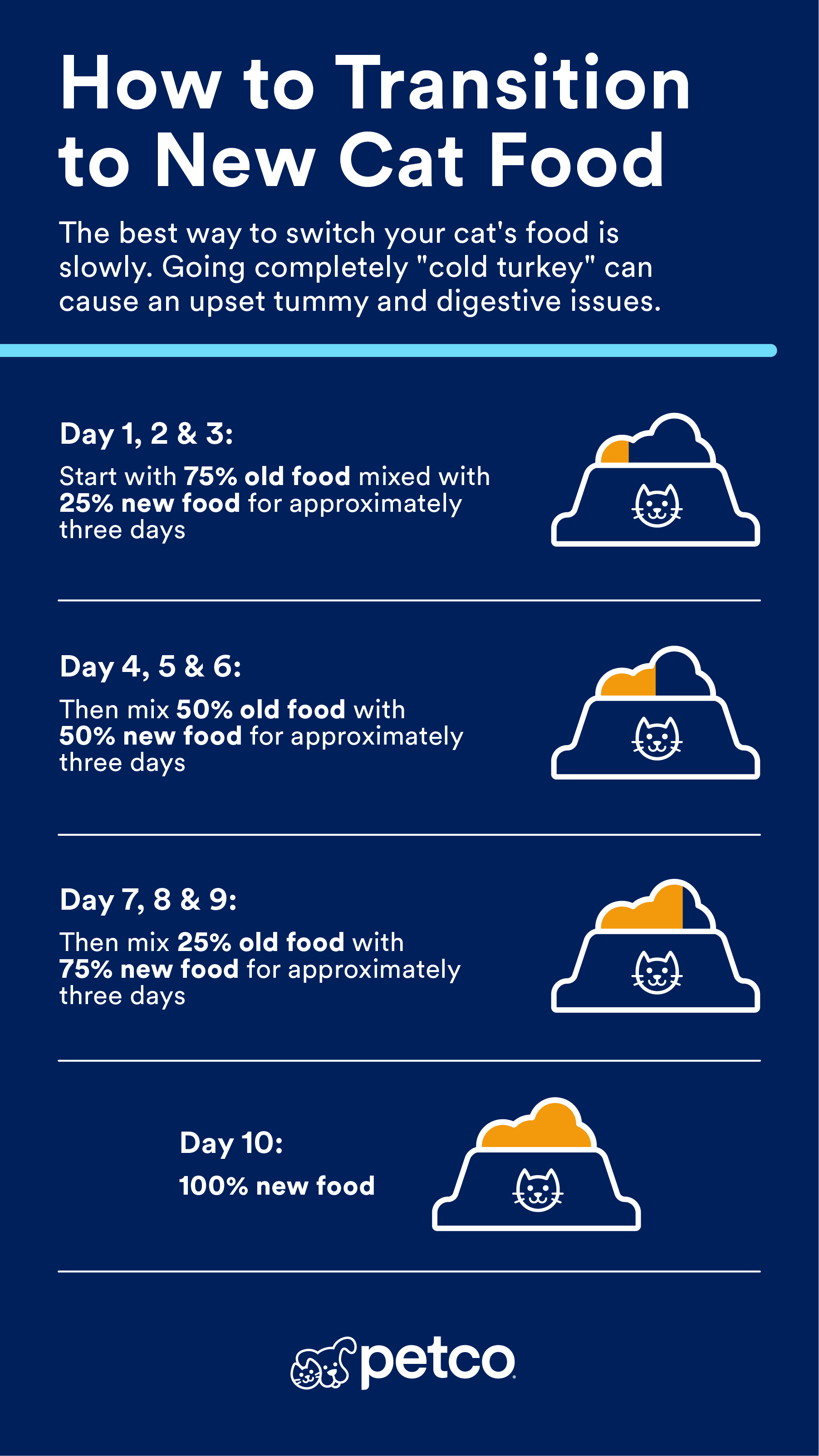
Credit: www.petco.com
Types Of Cat Food
Cats require different types of food to stay healthy and active. Understanding the options helps provide the right amount and nutrition. Cat food mainly comes in wet, dry, and homemade forms. Each type has unique benefits and some downsides. Choosing the best depends on your cat’s age, health, and preferences.
Wet Food Benefits
Wet food contains high moisture, which helps keep cats hydrated. It is soft and easy to chew, ideal for older cats or those with dental issues. Wet food often smells stronger, attracting picky eaters. It typically has fewer carbohydrates and more protein. This type of food supports urinary tract health by increasing water intake.
Dry Food Pros And Cons
Dry food is convenient and easy to store. It is usually less expensive than wet food. Dry kibble helps reduce plaque and tartar on teeth through chewing. However, it contains less moisture, so cats must drink more water. Some dry foods have fillers or high carbohydrates, which may not suit all cats. It can be left out longer without spoiling.
Raw And Homemade Diets
Raw and homemade diets allow control over ingredients and quality. They can provide fresh, natural nutrition with less processing. These diets often include raw meat, bones, and vegetables. Careful preparation is essential to avoid bacterial contamination. Homemade diets need balanced nutrients to prevent deficiencies. Consulting a vet before starting this diet is important for safety.
Portion Sizes
Portion sizes play a vital role in a cat’s health and happiness. Giving the right amount keeps cats energetic and prevents weight problems. Different cats need different portions based on their age, activity, and health. Understanding portion sizes helps you feed your cat just enough without waste or hunger.
Measuring Food Accurately
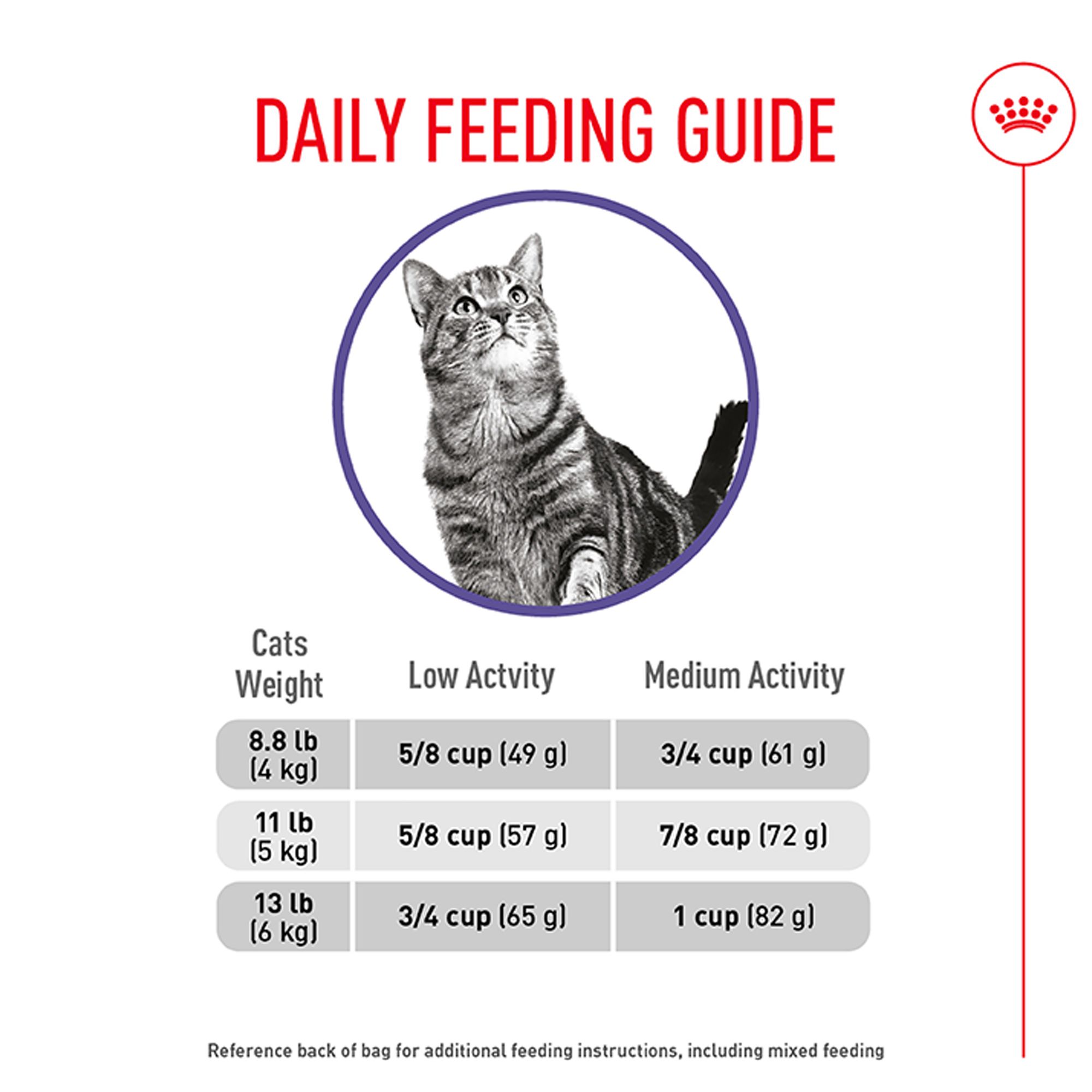
Use a kitchen scale or measuring cup to serve precise amounts. Avoid guessing or free-feeding, which can cause overeating. Measure dry or wet food separately. Follow the feeding guidelines on the cat food packaging as a starting point. Adjust portions based on your cat’s appetite and weight changes.
Portions For Kittens Vs Adults
Kittens need more calories per pound than adult cats. Their growth demands energy and nutrients. Feed kittens several small meals daily, usually 3 to 4 times. Adult cats do well with 2 meals a day. Portion size depends on their weight and activity level. Overfeeding adults can lead to obesity and health issues.
Feeding Senior Cats
Senior cats require less food but still need balanced nutrition. Their metabolism slows, so reduce portion sizes slightly. Watch for weight loss or gain and adjust food accordingly. Older cats may need softer or special diets to aid digestion. Regular vet checkups help tailor food portions to senior cats’ needs.
Feeding Frequency
Feeding frequency plays a key role in maintaining a cat’s health and happiness. Cats have different needs based on their age, activity, and health status. Feeding them the right number of meals daily supports their digestion and energy levels. It also helps control their weight and prevents overeating. Understanding how often to feed your cat can make a big difference in their well-being.
Meal Timing For Different Life Stages
Kittens need more frequent meals because they grow fast and burn energy quickly. They do best with 3 to 4 small meals daily. Adult cats usually do well with 2 meals a day, spaced 8 to 12 hours apart. Senior cats might need smaller, more frequent meals to aid digestion. Adjust meal times if your cat has special health needs or if your vet advises it.
Free Feeding Vs Scheduled Meals
Free feeding means leaving food out all day. Cats can eat anytime they want. This method suits cats who self-regulate well and don’t overeat. Scheduled meals involve giving food at set times each day. This helps control portion size and prevents obesity. Many cat owners prefer scheduled meals to monitor how much their cat eats. Both methods can work well, depending on your cat’s habits and lifestyle.
Special Considerations
Feeding your cat isn’t always straightforward. Some cats need special care depending on their health, life stage, or weight goals. Understanding these special considerations helps you adjust their food intake properly and keeps your furry friend happy and healthy.
Cats With Health Issues
Some cats have health problems that affect how much and what type of food they need. For example, cats with kidney disease often require diets lower in protein and phosphorus. If your cat has diabetes, portion control and consistent feeding times are crucial to manage blood sugar levels.
Always consult your vet before making any changes to your cat’s diet if they have health concerns. Watch for changes in appetite or weight, which might signal you need to adjust their meals. Have you noticed any unusual eating habits in your cat lately?
Pregnant And Nursing Cats
Pregnant and nursing cats need extra calories and nutrients to support their kittens. Their food intake can increase by up to 50% during this time. Feeding them high-quality kitten food is often the best choice because it has more protein, fat, and essential vitamins.
Divide their meals into smaller, more frequent portions to keep up with their energy demands. Keep fresh water available at all times, especially while nursing. How does your cat’s appetite change during pregnancy or nursing periods?
Weight Management Tips
Maintaining your cat’s ideal weight is key to their overall health. Overfeeding can lead to obesity, while underfeeding causes malnutrition. Measure their food portions carefully instead of free-feeding to control calorie intake.
- Use a kitchen scale or measuring cup for accuracy
- Choose balanced, nutrient-rich food tailored to your cat’s age and activity level
- Incorporate playtime to help burn calories and keep your cat active
Consider tracking your cat’s weight regularly at home or with your vet’s help. What small changes can you make today to improve your cat’s weight and well-being?
Monitoring And Adjusting Intake
Keeping an eye on your cat’s food intake is key to their health. You need to watch how much they eat and be ready to make changes. This helps prevent problems before they start and keeps your furry friend feeling their best every day.
Signs Of Overfeeding And Underfeeding
Overfeeding can make your cat gain weight quickly. Look out for a rounder belly, less energy, or even difficulty jumping. On the other hand, underfeeding shows up as weight loss, constant hunger, or a dull coat.
Pay attention to changes in behavior too. If your cat starts begging more or seems lethargic, these could be clues that their diet needs adjustment.
Tracking Weight Changes
Weigh your cat regularly to spot trends. Use a small scale at home or visit the vet for a more accurate check. Keep a simple chart to record their weight over weeks or months.
This way, you catch small changes early before they become serious. Have you noticed any sudden ups or downs in your cat’s weight lately? That’s a good time to rethink their feeding amounts.
When To Consult A Veterinarian
If you see signs of overfeeding or underfeeding, or if weight changes happen fast, talk to your vet. They can help identify if there’s an underlying health problem or if the diet needs tweaking. Don’t wait until your cat looks sick—early advice can save a lot of trouble.
Your vet can also recommend the right type and amount of food based on your cat’s age, activity level, and health. Have you ever had to adjust your cat’s diet based on professional advice? It often makes a big difference.
Credit: www.petsmart.com
Frequently Asked Questions
How Much Food Should A Cat Eat Daily?
A cat typically needs 20 calories per pound of body weight daily. This varies with age, activity, and health. Consult your vet for precise amounts.
Does Cat Food Quantity Depend On Age?
Yes, kittens need more calories for growth, while adult cats require maintenance portions. Senior cats may need fewer calories due to less activity.
How Often Should I Feed My Cat Each Day?
Most cats do well with two meals daily. Kittens may need three to four small meals for steady energy.
Can Feeding Too Much Harm My Cat?
Overfeeding can cause obesity, diabetes, and joint issues. Measure portions carefully and avoid free feeding to maintain health.
Conclusion
Feeding your cat the right amount keeps them healthy and happy. Cats need food based on their age, size, and activity level. Too much food can cause weight gain. Too little can lead to health problems. Watch your cat’s weight and energy for clues.
Regular meals help keep routines steady. Always provide fresh water alongside food. Consult a vet for personalized advice. Small steps make a big difference in your cat’s life. Care and attention show you love your pet. Simple feeding habits lead to a happier cat.
