


Have you ever wondered if your cat is getting enough exercise? Just like you, your furry friend needs the right amount of activity to stay healthy and happy.
Too little exercise can lead to weight gain and boredom, while too much might stress your cat out. Finding the perfect balance can be tricky, but don’t worry—you’re about to discover exactly how much exercise your cat really needs. Keep reading to learn simple tips that will keep your cat lively, fit, and full of energy every day.
Importance Of Exercise For Cats
Exercise is essential for a cat’s health and happiness. It helps keep their body strong and their mind sharp. Without enough activity, cats can become overweight and bored. This can lead to health problems and behavioral issues.
Regular exercise supports a cat’s natural instincts. Cats are hunters by nature, and playtime mimics hunting behavior. This keeps their skills sharp and provides mental stimulation. Exercise also helps reduce stress and anxiety in cats.
Physical Health Benefits
Exercise helps maintain a healthy weight in cats. It strengthens muscles and improves joint flexibility. Active cats are less likely to develop diseases like diabetes or arthritis. Movement also boosts their heart and lung health.
Mental Stimulation
Playtime keeps a cat’s brain active. Chasing toys and exploring new areas challenges their mind. This reduces boredom and prevents destructive behavior. Mental exercise is as important as physical exercise for cats.
Behavioral Improvements
Exercise can reduce unwanted behaviors like scratching furniture or excessive meowing. Active cats tend to be calmer and more relaxed. Regular playtime helps release pent-up energy in a healthy way.
Strengthening Bond With Owner
Playing with your cat builds trust and strengthens your relationship. It creates positive interactions and enhances communication. Exercise time can become a fun and rewarding routine for both of you.
Factors Influencing Exercise Needs
Exercise needs vary greatly among cats. Several key factors shape how much physical activity a cat requires. Understanding these factors helps provide the right amount of exercise to keep cats healthy and happy.
Age And Life Stage
Kittens have high energy and need plenty of playtime. Young adult cats enjoy vigorous activities and long play sessions. Senior cats require gentler, shorter exercise to avoid strain. Each stage demands a different activity level to match energy and physical ability.
Breed And Size
Active breeds like Bengals and Siamese need more exercise than calm breeds. Larger cats might tire quickly and prefer moderate play. Small or slender breeds often enjoy climbing and running more. Breed traits influence how much exercise feels natural and enjoyable.
Health Conditions
Health issues affect a cat’s ability to exercise. Cats with arthritis or obesity need low-impact, slow movement. Respiratory or heart problems limit stamina and intensity. Regular vet checkups help adjust exercise to suit health status safely.
Recommended Exercise Types
Keeping your cat active is essential for their health and happiness. The right types of exercise help prevent obesity, reduce stress, and keep their minds sharp. Let’s look at some recommended activities that can easily fit into your daily routine.
Interactive Play
Interactive play invites you and your cat to bond while boosting their activity level. Use wand toys with feathers or strings to mimic prey movements. This not only encourages chasing but also sharpens their hunting instincts.
I noticed my cat became more responsive and less lazy after just a few weeks of daily 10-minute play sessions. You can make it more exciting by changing toys regularly or creating simple DIY options like paper balls.
Climbing And Jumping
Cats love vertical spaces. Providing cat trees, shelves, or window perches encourages climbing and jumping, which are great for muscle tone and coordination. These activities challenge your cat physically and mentally.
Have you ever watched your cat leap effortlessly onto a high shelf? That natural agility needs regular exercise to stay sharp. Consider adding multi-level structures at home to stimulate this instinct.
Chasing And Pouncing
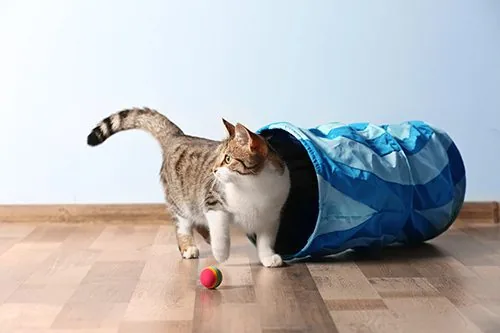
Chasing moving objects taps into your cat’s predatory drive and gives them a good workout. Laser pointers, small balls, or remote-controlled toys work well for this. These activities mimic real hunting scenarios, making exercise fun and engaging.
Try setting up short chase sessions multiple times a day. Your cat will stay alert and entertained, and you might even get a laugh out of their energetic antics. What toy does your cat chase the most eagerly?
Credit: shallowfordvet.com
Daily Exercise Duration
Understanding how much daily exercise your cat needs is key to keeping them healthy and happy. Cats have different energy levels and physical capabilities depending on their age. Tailoring exercise time to your cat’s stage of life helps prevent boredom, weight gain, and health issues.
Kittens
Kittens are bundles of energy who need plenty of active play throughout the day. Aim for about 15 to 30 minutes of exercise spread over several sessions. Short bursts of chasing toys or climbing will keep their muscles strong and minds sharp.
Try breaking their exercise into multiple mini playtimes rather than one long session. Have you noticed how a quick game of feather chase can completely tire out a young kitten? This kind of frequent activity helps build good habits early on.
Adult Cats
Adult cats usually require around 20 to 30 minutes of exercise daily to maintain a healthy weight and stay agile. This can be one or two sessions where you engage them with interactive toys or encourage hunting-like behavior.
Consider dedicating time each day to play with your cat using wand toys or laser pointers. Have you observed how your adult cat responds differently to play compared to when they were a kitten? Keeping their interest with varied toys makes exercise feel like fun, not a chore.
Senior Cats
Senior cats still benefit from daily movement but often need gentler, shorter sessions lasting 10 to 15 minutes. Their joints might be less flexible, so low-impact activities like slow-paced chasing or gentle play are best.
Watch for signs of fatigue or discomfort and adjust accordingly. Could your older cat enjoy a calm game of rolling a ball instead of vigorous chasing? Staying active even in small amounts supports their mobility and mental health as they age.
Creating A Safe Exercise Environment
Creating a safe exercise environment is key to keeping your cat active and healthy. You want your feline friend to enjoy playtime without any risks that could lead to injury or stress. By paying attention to their surroundings, you can encourage more consistent and joyful exercise sessions.
Indoor Vs. Outdoor Considerations
Deciding whether your cat exercises indoors or outdoors depends on many factors. Indoor exercise offers a controlled environment free from traffic, predators, and harsh weather. You can use toys, climbing trees, and interactive play to keep your cat engaged safely.
Outdoor exercise gives your cat natural stimulation and fresh air but comes with risks like cars, other animals, and toxins. If you allow outdoor time, consider a secure catio or supervised play in a fenced yard. This way, your cat enjoys the benefits of the outdoors while staying protected.
Safety Tips For Playtime
- Remove hazards:Check the area for sharp objects, toxic plants, or loose wires that might harm your cat.
- Choose safe toys:Avoid small items that can be swallowed or toys with loose parts that could break off.
- Watch your cat’s behavior:Stop play if your cat shows signs of stress or exhaustion to prevent injury.
- Provide fresh water:Keep water accessible during and after exercise to keep your cat hydrated.
- Use non-slip surfaces:Cats can slip on slick floors; rugs or mats can help maintain grip during active play.
Have you noticed your cat avoiding play after a rough experience? Creating a safe space encourages them to move confidently and look forward to exercise. What simple changes can you make today to improve your cat’s play area?
Credit: www.carecredit.com
Signs Of Sufficient Exercise
Knowing the signs of sufficient exercise helps keep cats healthy and happy. Cats need physical activity to avoid weight gain and boredom. Observing their behavior and physical condition shows if they get enough movement. Healthy cats show clear signs that indicate good exercise habits.
Behavioral Indicators
- Active play sessions lasting 10 to 15 minutes daily
- Regular chasing, pouncing, and climbing activities
- Alert and curious attitude toward toys and surroundings
- Calm and relaxed after play, showing contentment
- Engages in social interaction with humans or other pets
- Shows interest in exploring different areas of the home
Physical Health Markers
- Healthy weight with no signs of obesity
- Muscle tone appears firm and well-developed
- Shiny coat indicating good nutrition and circulation
- Clear eyes and clean ears without signs of stress
- Strong and flexible limbs with no stiffness
- Normal resting heart rate and breathing patterns
Encouraging Exercise In Reluctant Cats
Getting a reluctant cat to exercise can feel like a real challenge. Some cats just seem uninterested or too lazy to move around much. But with a little patience and creativity, you can help your cat enjoy being active without stress.
Motivating With Toys
Toys are a simple way to spark your cat’s curiosity and get them moving. Try different types like feather wands, laser pointers, or small balls to see what catches their attention.
Notice how your cat reacts to each toy. If they bat at a feather wand but ignore a laser pointer, focus on what works. Rotate toys regularly to keep things fresh and exciting.
You could also hide treats inside puzzle toys to encourage movement and mental stimulation at the same time. Have you noticed how a sudden movement or sound can instantly grab your cat’s interest? Use that to your advantage.
Incorporating Training Techniques
Training isn’t just for dogs; cats can learn tricks and commands too. Teaching your cat to respond to simple cues like “come” or “jump” can encourage them to move more.
Use treats or praise as rewards to build positive associations. Keep training sessions short—just a few minutes a day—to avoid overwhelming your cat.
Try using a clicker or a consistent sound to mark good behavior. This can make learning more fun and predictable for your cat. Have you ever tried asking your cat to perform a trick? It might surprise you how quickly they can pick it up with the right motivation.
Common Exercise Mistakes To Avoid
Understanding how much exercise your cat needs is key, but knowing what mistakes to avoid is just as important. Exercise should be fun and safe, not stressful or harmful. Many cat owners unknowingly make errors that can reduce the benefits of physical activity or even cause injury.
Have you ever noticed your cat suddenly hiding or avoiding playtime? Sometimes, it’s because of these common exercise mistakes that can turn a fun session into a negative experience.
Ignoring Your Cat’s Signals
Your cat communicates a lot through body language. If they seem disinterested, tired, or stressed, pushing them to play more can backfire. Watch for signs like flattened ears, twitching tail, or sudden stops in movement—they often mean your cat needs a break.
Respecting these signals helps keep exercise enjoyable and prevents your cat from developing a negative association with play.
Overdoing It With Intense Sessions
Short bursts of active play are better than long, exhausting sessions. Cats are natural sprinters, not endurance runners. Intense play for too long can cause stress, muscle strain, or even injuries.
Try breaking playtime into multiple short sessions throughout the day. This matches your cat’s natural energy cycles and keeps them engaged without overexertion.
Using The Wrong Toys Or Activities
Not all toys fit every cat’s preferences or physical abilities. A toy that’s too small can be a choking hazard, while one that’s too large might be frustrating. Some cats prefer chasing feathers, others like laser pointers or puzzle feeders.
Experiment with different toys and observe which ones your cat enjoys most. This helps keep exercise both safe and stimulating.
Neglecting Mental Stimulation
Exercise isn’t just about physical movement—it’s about engaging your cat’s mind too. Repetitive, predictable play can bore them quickly. Mix in games that challenge their problem-solving skills or mimic hunting behavior.
Have you tried hiding treats in puzzle toys or changing up your play routine? This keeps your cat curious and excited to exercise.
Failing To Create A Safe Environment
Exercise areas cluttered with breakable objects or sharp edges put your cat at risk. Cats move quickly and unpredictably during play, so safety should be a priority. Remove fragile items and clear enough space for your cat to run and jump freely.
Ensuring a safe play zone lets your cat enjoy exercise without danger, making it more likely they’ll want to stay active.
Benefits Of Regular Exercise For Cats
Regular exercise is key to keeping your cat happy and healthy. It does more than just burn calories; it supports their entire well-being. Understanding the benefits can motivate you to make playtime a daily priority for your furry friend.
Physical Health Improvements
Exercise helps maintain a healthy weight and strengthens muscles, joints, and bones. Overweight cats often suffer from diabetes and heart problems, but active cats reduce these risks significantly.
Think about how your cat moves after a good play session—more agile and energetic, right? Regular activity also boosts their immune system, helping them fight off illnesses.
Mental Stimulation
Exercise isn’t just about the body; it sharpens your cat’s mind too. Hunting, chasing, and exploring during play keep their brain engaged and prevent boredom.
Bored cats can develop destructive behaviors or anxiety. By introducing toys and games that challenge your cat, you help satisfy their natural curiosity and keep them mentally sharp.
Have you noticed how your cat seems more content after a session of play? That’s mental stimulation improving their overall mood and behavior.
:strip_icc()/spruce-pets-is-cat-tv-bad-017dba2c722e441596b2da9aca328616.png)
Credit: www.thesprucepets.com
Frequently Asked Questions
How Much Daily Exercise Do Cats Need?
Cats need about 30 minutes of daily exercise to stay healthy. This can be broken into multiple short play sessions. Regular activity helps maintain their weight and supports mental well-being.
What Are The Best Exercises For Indoor Cats?
Interactive play using toys like feather wands and laser pointers is ideal. These activities encourage chasing and pouncing, mimicking natural hunting behavior. Rotating toys keeps indoor cats engaged and active.
Can Lack Of Exercise Harm A Cat’s Health?
Yes, insufficient exercise can lead to obesity, diabetes, and joint problems. It also causes boredom, which may trigger destructive behavior. Ensuring regular playtime helps prevent these issues and promotes overall wellness.
How Do I Encourage A Lazy Cat To Exercise?
Use enticing toys and treats to motivate movement. Schedule short, frequent play sessions daily. Creating a stimulating environment with climbing trees or puzzle feeders also encourages activity.
Conclusion
Cats need daily exercise to stay healthy and happy. Playtime helps them burn energy and avoid weight gain. Short, frequent sessions work best for most cats. Use toys that mimic hunting to keep them interested. Watch your cat’s energy levels and adjust activity as needed.
Exercise also improves mood and reduces stress. A well-exercised cat is often more social and calm. Keep activities fun and safe for your feline friend. Regular movement supports a long, healthy life for your cat.
