


Are you wondering if your cat is getting enough exercise? Just like you, your furry friend needs the right amount of physical activity to stay healthy and happy.
But how much exercise do cats really need? Too little can lead to weight gain and boredom, while too much might stress your pet. You’ll discover simple ways to keep your cat active, improve their well-being, and strengthen the bond between you.
Keep reading to find out exactly what your cat’s exercise needs are and how you can meet them easily every day.
Cat Exercise Basics
Exercise is essential for cats to stay healthy and happy. It keeps their muscles strong and prevents weight gain. Cats need regular activity to use their energy and avoid boredom. Understanding the basics helps you provide the right amount of exercise. It also improves your cat’s mood and behavior.
How Much Exercise Does A Cat Need?
Most cats benefit from 20 to 30 minutes of active play daily. Young cats and kittens often need more playtime. Older cats may need less but still require movement. Splitting exercise into short sessions works well. Two to three playtimes a day keeps cats engaged and fit.
Types Of Exercise For Cats
- Chasing toys like feathers or laser pointers
- Climbing on cat trees or shelves
- Interactive play with wand toys
- Exploring safe outdoor spaces or harness walks
- Hunting games with hidden treats
Signs Your Cat Needs More Exercise
Restlessness or destructive behavior can signal low activity. Overweight cats often lack enough movement. A cat that sleeps too much might need stimulation. Increased play helps reduce stress and anxiety. Watch your cat’s behavior to adjust exercise time.
Understanding Cat Behavior
Understanding your cat’s behavior helps you provide the right amount of exercise. Cats have unique habits shaped by their wild ancestors. Observing these behaviors reveals how much activity your cat needs daily. Exercise keeps cats healthy and happy. It also prevents boredom and unwanted behaviors.
Natural Instincts
Cats are natural hunters. They chase, pounce, and stalk prey, even indoors. These instincts drive their need to be active. Playing mimics hunting and satisfies their natural urges. Without this outlet, cats may feel restless or stressed. Their strong prey drive means they enjoy interactive toys. Toys like feather wands or laser pointers tap into these instincts.
Activity Patterns
Cats are crepuscular animals. This means they are most active at dawn and dusk. Expect bursts of energy during these times. Cats often sleep for 12 to 16 hours a day. Their rest helps conserve energy for hunting and playing. Short play sessions several times a day match their natural rhythm. This approach keeps cats engaged and healthy.
Daily Exercise Recommendations
Keeping your cat active every day is essential for their health and happiness. How much exercise your cat needs depends on several factors, including their age and breed. Understanding these can help you create a routine that keeps your feline friend fit and mentally stimulated.
Age Considerations
Kittens are bundles of energy and often require multiple short play sessions throughout the day. Try to engage them in at least 15 to 20 minutes of active playtime, spread out over several intervals.
Adult cats usually benefit from about 30 minutes of exercise daily. This can be broken into two sessions, morning and evening, to match their natural hunting instincts.
Senior cats tend to slow down but still need gentle play to maintain muscle tone and joint flexibility. Shorter, low-impact activities like interactive toys or gentle chasing games work best for them.
Breed Differences
Some cat breeds are naturally more active and require extra exercise. For instance, Bengals and Siamese cats thrive with vigorous play and mental challenges for at least 40 minutes daily.
On the other hand, breeds like Persians or British Shorthairs are more laid-back. They may be content with 15 to 20 minutes of mild activity each day.
Knowing your cat’s breed traits can help you tailor their exercise routine. Do you notice your cat getting bored quickly or craving more play? That might be a sign they need more activity than you think.
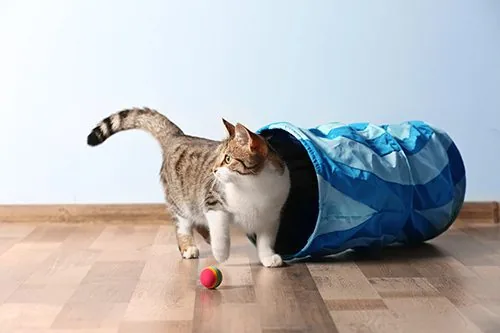
Credit: shallowfordvet.com
Types Of Exercise Activities
Cats need different types of exercise to stay healthy and happy. Exercise helps them stay fit, reduces stress, and prevents boredom. There are several ways to encourage your cat to move and play. Each type of activity offers unique benefits.
Interactive Play
Interactive play involves you and your cat playing together. Use toys like feather wands, laser pointers, or balls. Move the toy to mimic prey. This keeps your cat alert and active. Interactive play also strengthens your bond with your cat.
Solo Play Options
Solo play lets your cat play alone. Provide toys that move or make noise. Puzzle feeders and balls work well. Cats enjoy batting and chasing these toys. Solo play keeps cats busy when you are not around.
Outdoor Exploration
Outdoor exploration gives cats fresh air and new sights. Use a leash and harness for safety. Let your cat explore under supervision. Outdoor time helps with mental stimulation. It also allows cats to stretch their muscles in natural ways.
Creating An Exercise Routine
Creating a consistent exercise routine for your cat can transform their energy levels and overall well-being. Cats thrive on predictability, so setting up a daily pattern of activity helps them stay engaged and healthy. But how do you design a routine that fits both your schedule and your cat’s natural rhythms?
Scheduling Playtime
Pick specific times during the day for play sessions. Cats often show bursts of energy in the early morning and late evening, so these moments are perfect for interactive play.
Keep sessions short but frequent—about 10 to 15 minutes each, two to three times a day works well. Use toys that mimic prey behavior, like feather wands or laser pointers, to tap into your cat’s hunting instincts.
Have you noticed your cat waiting by their favorite toy at certain times? That’s a sign they’re ready to play and sticking to a schedule helps build that anticipation.
Balancing Rest And Activity
Cats need plenty of rest in between their play sessions. Allow your cat to choose when to take breaks, but gently encourage activity if they seem too sedentary.
Watch for signs of tiredness—like slowing down or hiding—and respect their need to recharge. Over-exercising can stress your cat and reduce their interest in play.
Try alternating high-energy games with quieter activities, like puzzle feeders or gentle petting. This balance keeps your cat mentally and physically fit without overwhelming them.
:strip_icc()/spruce-pets-is-cat-tv-bad-017dba2c722e441596b2da9aca328616.png)
Credit: www.thesprucepets.com
Tools And Toys For Engagement
Keeping cats active requires more than just time and attention. The right tools and toys play a key role in their physical and mental health. Engaging toys can stimulate their hunting instincts and encourage movement. This keeps cats fit and prevents boredom.
Choosing toys that suit your cat’s preferences can make exercise fun and effective. Simple household items can also become exciting playthings with a bit of creativity.
Choosing The Right Toys
Select toys that match your cat’s energy and play style. Some cats love chasing small, fast objects. Others prefer batting or pouncing on soft, plush toys.
- Interactive toys like feather wands encourage jumping and running.
- Laser pointers stimulate chasing and quick reflexes.
- Catnip-filled toys can excite and motivate play.
- Scratching posts with attached toys promote climbing and stretching.
Rotate toys regularly to keep your cat interested. Watch how your cat reacts to different toys to find favorites. Safe, durable toys prevent choking or injury during play.
Diy Toy Ideas
Simple homemade toys can save money and provide unique fun. Most use common household materials. These ideas encourage exercise and curiosity.
- Crumpled paper balls for chasing and batting.
- Cardboard boxes turned into tunnels or hideouts.
- String or yarn pieces for gentle tugging games.
- Paper towel rolls filled with treats for hunting practice.
Always supervise play with DIY toys to avoid hazards. Replace or remove worn-out items to keep your cat safe. Homemade toys can boost exercise and strengthen your bond.
Signs Of Adequate Exercise
Understanding the signs that show your cat is getting enough exercise is key to keeping them happy and healthy. Cats can’t tell us directly how they feel, so you need to watch their behavior and physical condition closely. Spotting these signs early helps you adjust their activity to meet their needs better.
Behavioral Indicators
Active and playful behavior is one of the clearest signs your cat is exercising enough. If your cat frequently chases toys, pounces on moving objects, or enjoys interactive play sessions, they are likely getting the activity they need.
Does your cat show less restlessness or destructive behavior? Cats that don’t get enough exercise might scratch furniture or act out of boredom. A content cat usually has balanced energy, showing curiosity without overexcitement or lethargy.
- Engages in regular playtime daily
- Displays alertness and curiosity around the house
- Uses scratching posts or climbing trees instead of furniture
- Shows fewer signs of anxiety or aggression
Physical Health Signs
Physical condition also reveals how much exercise your cat is getting. A fit cat maintains a healthy weight and muscle tone without being too thin or overweight. You can feel their muscles firm but not hard or flabby.
Notice your cat’s coat and overall energy levels too. A shiny, well-groomed coat and steady energy throughout the day often mean your cat is physically active enough. On the other hand, excessive sleeping or sluggish movement can be a red flag.
| Healthy Physical Signs | Signs of Insufficient Exercise |
|---|---|
| Muscle tone firm and well-developed | Muscle weakness or flabbiness |
| Ideal weight for breed and age | Overweight or underweight |
| Bright eyes and shiny coat | Dull coat and lethargy |
Are you observing these signs in your cat? Adjusting their playtime or introducing new activities might be the next step to ensure they stay fit and happy.
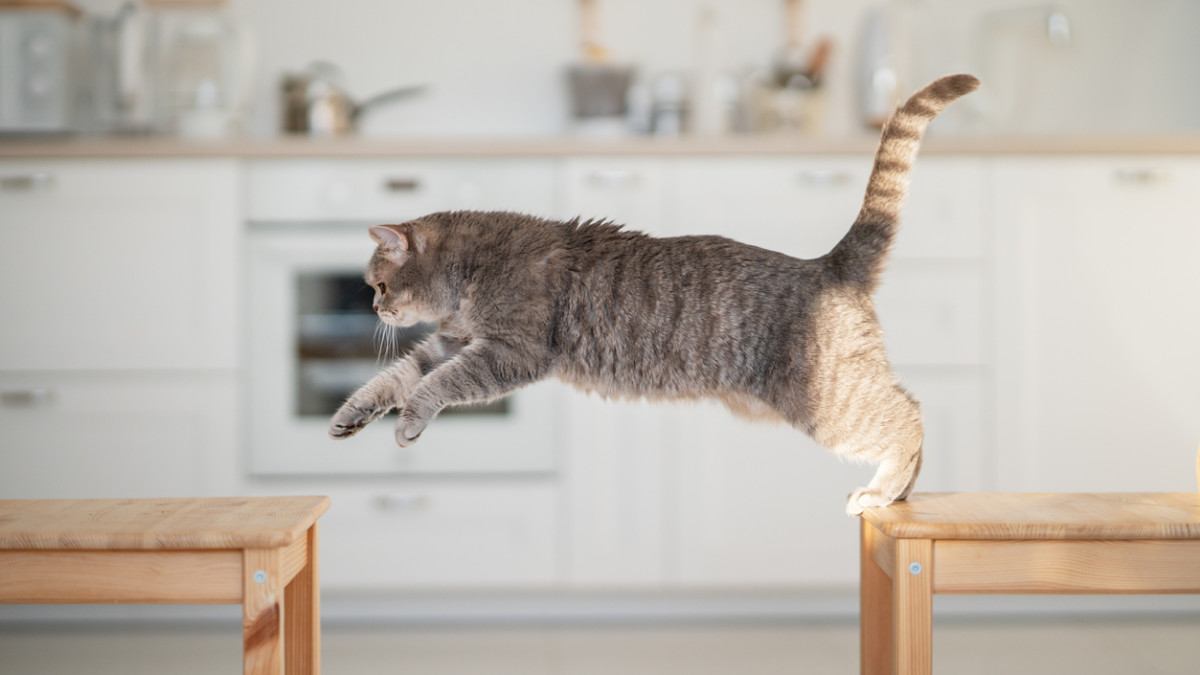
Credit: paradepets.com
Addressing Common Challenges
Exercise needs vary between cats due to health, age, and lifestyle. Each cat faces unique challenges that affect how much activity they require daily. Addressing these common challenges helps keep cats healthy and happy.
Overweight Cats
Overweight cats need more gentle exercise to avoid injury. Start with short play sessions using toys like feather wands or laser pointers. Increase activity slowly to build stamina without stress. Small, frequent playtimes work best for weight loss. Diet changes combined with exercise improve results significantly.
Senior Cats
Older cats may have less energy and joint pain. Low-impact activities like slow chasing or gentle climbing help maintain mobility. Use soft toys and avoid forcing activity. Watching for signs of discomfort during play is important. Regular, mild exercise supports overall health and slows muscle loss.
Indoor Vs. Outdoor Cats
Indoor cats need more structured exercise to stay active. Create play areas with climbing trees and interactive toys. Schedule daily playtimes to mimic natural hunting behavior. Outdoor cats get natural exercise but need safe environments. Supervised outdoor time or secure enclosures keep outdoor cats active and protected.
Consulting A Veterinarian
Exercise needs vary among cats based on health, age, and breed. A veterinarian can offer personalized advice tailored to your cat’s condition. This helps ensure your cat stays fit without risking injury or stress.
Veterinarians assess a cat’s physical health and recommend suitable activities. They can identify any health issues that limit exercise. Their guidance helps balance playtime and rest for optimal well-being.
Health Assessment Before Exercise
Vets check for joint problems, heart health, and weight issues. These factors affect how much exercise a cat can handle. A thorough health check prevents overexertion and injury.
Designing A Safe Exercise Plan
Vets suggest activities matching your cat’s age and energy level. They may recommend gentle play for older or sick cats. Younger cats often get more active routines to burn energy.
Monitoring Progress And Adjustments
Regular vet visits help track your cat’s fitness progress. Adjustments to exercise plans keep activities safe and fun. Vets can spot early signs of strain or discomfort.
Advice On Indoor And Outdoor Activities
Vets explain benefits and risks of outdoor play. They guide you on safe ways to exercise your cat inside the home. Proper supervision is key to preventing accidents.
Frequently Asked Questions
How Much Daily Exercise Do Cats Require?
Cats generally need 20 to 30 minutes of daily exercise. This helps maintain their weight, muscle tone, and mental health. Play sessions using toys or interactive activities can fulfill their exercise needs effectively.
What Are The Best Exercises For Indoor Cats?
Indoor cats benefit from interactive play like feather wands, laser pointers, and climbing structures. These activities encourage movement, mimic hunting, and keep cats mentally and physically stimulated.
Can Exercise Prevent Obesity In Cats?
Yes, regular exercise helps control a cat’s weight and prevent obesity. Active cats burn calories, reduce fat buildup, and lower risks of diabetes and joint problems.
How To Motivate A Lazy Cat To Exercise?
Use toys that trigger hunting instincts, such as laser pointers or feather toys. Short, frequent play sessions and treats can encourage reluctant cats to be active.
Conclusion
Cats need daily exercise to stay healthy and happy. Playtime helps them burn energy and stay fit. Short, fun sessions work best for most cats. Use toys like feathers or balls to engage them. Exercise also reduces stress and bad behavior.
Watch your cat’s energy levels to avoid overdoing it. Regular activity supports a long, joyful life for your cat. Keep exercise simple, fun, and part of your routine. Small steps make a big difference in your cat’s well-being.
