

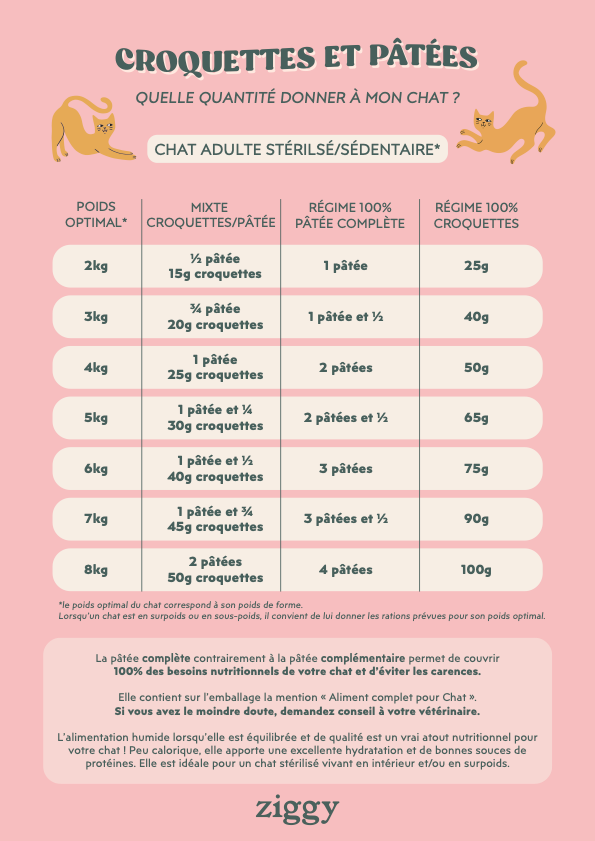
Wondering how much dry food to feed your cat each day? Getting the right amount is crucial for your cat’s health and happiness.
Too little food can leave your furry friend hungry and low on energy. Too much can lead to weight gain and related health problems. You’ll discover simple guidelines to help you measure the perfect daily portion for your cat. By the end, you’ll feel confident in feeding your cat just the right amount every time.
Keep reading to learn the key factors that affect your cat’s diet and how to keep them healthy and satisfied.
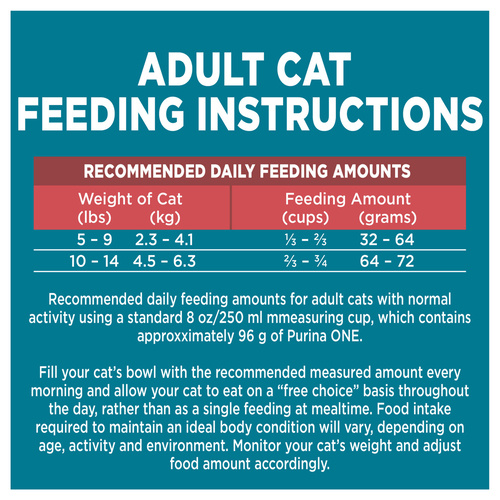
Credit: www.sobeys.com
Daily Feeding Basics
Feeding your cat the right amount of dry food every day supports their health and happiness. It depends on many factors like size, age, and health. Understanding these basics helps you give the best care possible.
Calorie Needs By Cat Size
Small cats need fewer calories than large cats. Usually, a small cat weighs around 5 pounds and requires about 180-200 calories daily. Medium cats, about 10 pounds, need roughly 250-280 calories. Large cats over 15 pounds may need 300 or more calories each day.
Check your cat’s weight and adjust food portions to meet calorie needs. Overfeeding can cause weight gain. Underfeeding leads to weakness and poor health.
Age And Activity Impact
Kittens need more calories for growth than adult cats. They often eat 2-3 times more per pound of body weight. Adult cats with normal activity need moderate calories to maintain weight. Active cats or outdoor cats burn more energy and need extra food.
Older cats usually have slower metabolism. They may need fewer calories to avoid weight gain. Watch their activity and adjust food accordingly.
Health Considerations
Cats with health problems may need special diets. Overweight cats require fewer calories to lose weight safely. Cats with diabetes or kidney disease often need veterinary advice on feeding.
Always consult your vet for personalized feeding plans. Health conditions change how much and what type of food is best.
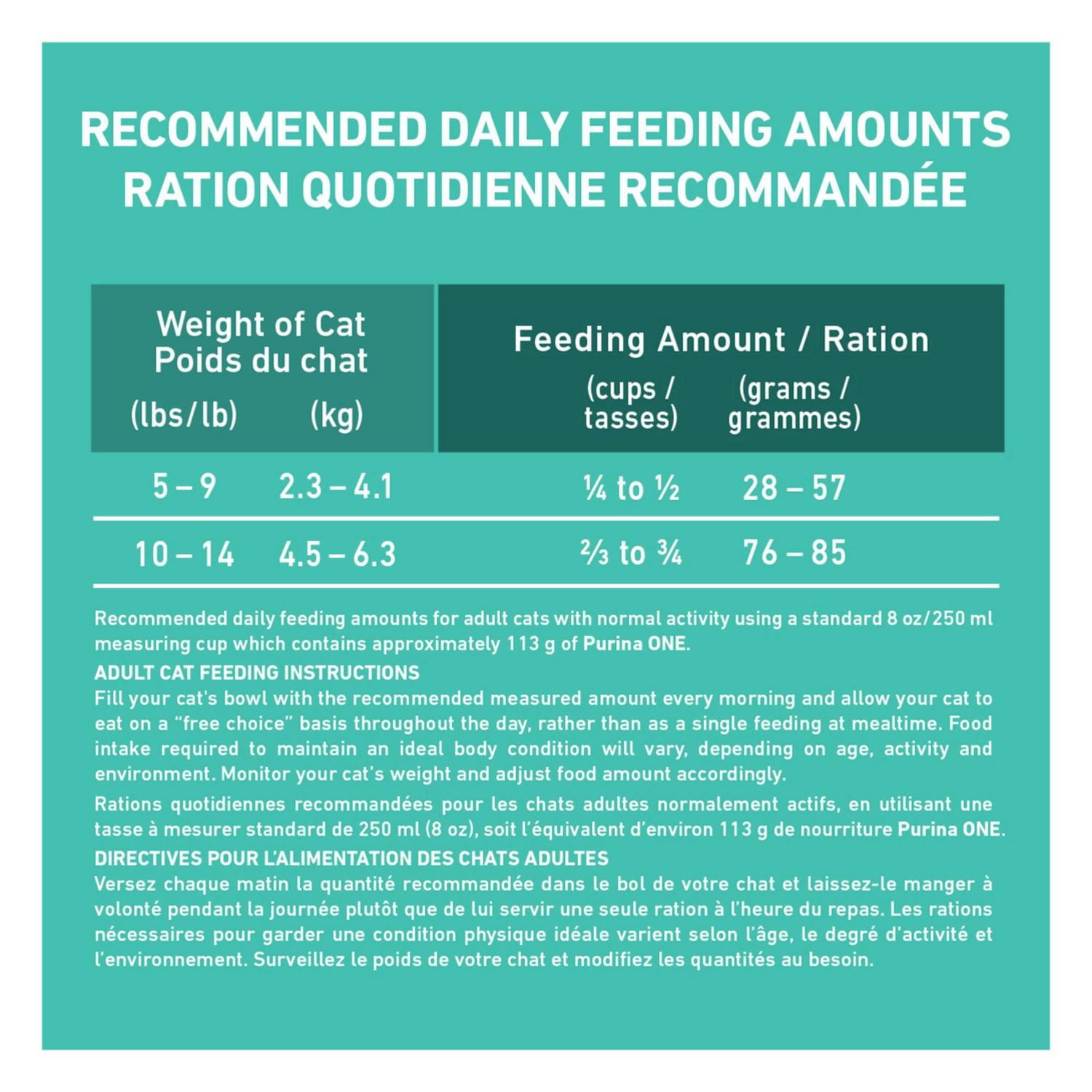
Credit: www.walmart.ca
Measuring Dry Food
Measuring dry cat food accurately is key to keeping your feline friend healthy and happy. Overfeeding can lead to unwanted weight gain, while underfeeding might leave your cat lacking essential nutrients. Taking the time to measure food properly helps you maintain the right balance and supports your cat’s well-being.
Reading Packaging Guidelines
Start by checking the feeding instructions on your cat food packaging. These guidelines usually suggest daily amounts based on your cat’s weight and age. Keep in mind, these are general recommendations and might need tweaking depending on your cat’s activity level and metabolism.
Have you noticed how some packages list feeding amounts in cups, while others use grams? Understanding these measurements makes it easier to get precise portions. If the label says 1/4 cup per 5 pounds of body weight, but your cat weighs 10 pounds, you’ll want to double that amount.
Using Measuring Tools
Using a standard kitchen measuring cup or a digital kitchen scale ensures accuracy. I once relied on a scoop that came with the food bag—until I realized it wasn’t consistent. Switching to a digital scale gave me peace of mind, knowing exactly how much I’m feeding my cat.
If you don’t have a scale, measuring cups marked in milliliters or grams work well. Avoid guessing by eye or using random scoops; this often leads to overfeeding. Keeping your tools clean and accessible encourages consistent portion control every feeding.
Adjusting Portions
Watch your cat’s weight and energy levels to decide if you need to adjust portions. If your cat seems sluggish or is gaining weight, it’s time to reduce the food slightly. Conversely, if your cat is losing weight or seems hungry all the time, increasing the portion could help.
Try adjusting portions gradually—small changes over a week or two allow you to see how your cat responds. Have you tried tracking your cat’s weight monthly? It’s a simple way to know if your current feeding amount is working or needs tweaking.
Feeding Schedules
Feeding schedules play a key role in managing your cat’s diet and health. Setting a clear routine helps control portion sizes and prevents overeating. Cats thrive on consistency, so a steady feeding plan supports their digestion and energy levels.
Free Feeding Vs Scheduled Meals
Free feeding means leaving dry food out all day. Cats eat when they want. This suits some cats but risks overeating and weight gain. Scheduled meals offer set times for feeding. You control the amount and timing. This method can help maintain a healthy weight and monitor food intake better.
Meal Frequency Tips
Most adult cats do well with two meals a day. Kittens need more frequent meals, about three to four times daily. Older cats may benefit from smaller, frequent meals to aid digestion. Keep portion sizes consistent to avoid hunger or overeating.
- Feed kittens 3-4 times daily
- Feed adult cats twice a day
- Adjust meals for older cats if needed
- Measure portions carefully each time
Monitoring Intake
Track how much your cat eats daily. Check the food bowl before and after meals. Look for changes in appetite or eating habits. Weight your cat regularly to catch early signs of over or underfeeding. Adjust portions based on activity level and health.
Special Diets
Special diets play a crucial role in determining how much dry food to feed your cat each day. Cats with unique health needs require tailored feeding plans to maintain their well-being. Understanding these diets helps you avoid overfeeding or underfeeding your furry friend.
Weight Management
If your cat struggles with weight, controlling portion size is essential. Weight management formulas usually have fewer calories but keep your cat feeling full. You might need to feed smaller, more frequent meals to prevent hunger-driven behavior.
Ask yourself: Is your cat showing signs of being overweight or underweight? Adjusting the daily dry food amount can help balance their weight.
Sensitive Stomachs
Cats with sensitive stomachs need a diet that’s gentle and easy to digest. Some dry foods are specially designed with limited ingredients to avoid triggering allergies or upset tummies.
Feeding the right amount of this food is key, as too much can cause digestive issues, while too little might leave your cat hungry or nutrient-deficient.
- Start with the manufacturer’s recommended amount.
- Monitor your cat’s reaction over a week.
- Adjust portions based on stool quality and appetite.
Senior Cats
Older cats often have lower energy needs but may benefit from nutrient-rich dry food. Their metabolism slows down, so feeding too much can lead to weight gain and mobility issues.
Consider dividing their daily dry food into smaller portions to keep them comfortable and satisfied. Have you noticed changes in your senior cat’s eating habits or weight? This could signal it’s time to tweak their food amount.
Mixing Wet And Dry Food
Mixing wet and dry food for your cat creates a balanced diet. It combines the benefits of both types of food. Wet food offers moisture and richness, while dry food helps with dental health and convenience. Finding the right mix supports your cat’s overall well-being and keeps them interested in meals.
Balancing Nutrients
Wet and dry foods provide different nutrients. Wet food often has more protein and fewer carbohydrates. Dry food contains fiber and helps with digestion. Mixing both ensures your cat gets a full range of essential nutrients. It is important to check labels for calorie content to avoid overfeeding.
Transitioning Between Foods
Switching from dry to wet food should be gradual. Start by mixing a small amount of wet food with dry food. Increase the wet food amount over several days. This helps your cat’s stomach adjust without causing upset. Watch for any signs of allergies or discomfort during the change.
Hydration Benefits
Wet food adds moisture to your cat’s diet. Many cats do not drink enough water alone. Wet food helps keep them hydrated, supporting kidney and urinary health. Combining wet and dry food encourages better water intake naturally. This reduces the risk of dehydration and related health issues.
Signs Of Overfeeding
Overfeeding your cat can cause serious problems. Recognizing early signs helps keep your cat healthy. Watch for changes in weight, behavior, and health. These signs show your cat may be eating too much dry food.
Weight Gain
Rapid weight gain is the most obvious sign of overfeeding. Cats may look rounder or have a larger belly. Excess weight strains their joints and organs. Monitor your cat’s weight regularly to catch problems early.
Behavioral Changes
Overfed cats may become less active and sleep more. They might lose interest in play and exercise. Some cats beg for food even when full. These changes can indicate your cat is eating too much.
Health Risks
Overfeeding increases the risk of diabetes and heart disease. It can also cause digestive problems like vomiting and diarrhea. Obesity weakens the immune system. Keeping food portions controlled protects your cat’s long-term health.
Tips For Picky Eaters
Feeding a picky cat can be challenging. Cats may refuse food due to taste, texture, or sudden changes. Patience and creativity help encourage healthy eating habits. Use gentle strategies to make dry food more appealing.
Enhancing Flavor
Mix a small amount of wet food with dry kibble. Warm the food slightly to release aromas. Add a few drops of tuna juice or low-sodium broth. These tips make meals more exciting and tasty. Avoid strong spices or ingredients harmful to cats.
Introducing New Foods
Offer new food in small portions alongside familiar favorites. Allow your cat to sniff and explore the food first. Gradually increase the amount of new food over several days. This slow approach reduces stress and resistance. Keep mealtime calm and quiet to encourage tasting.
Consistency In Feeding
Feed your cat at the same times each day. Use the same feeding spot to create routine. Remove uneaten food after 20-30 minutes to keep freshness. Avoid free feeding to help regulate appetite. Consistency builds trust and helps your cat feel secure.

Credit: kookykibble.co.nz
Frequently Asked Questions
How Much Dry Food Should I Feed My Cat Daily?
Feed your cat 1/4 to 1/3 cup of dry food per day. Adjust based on age, weight, and activity level. Monitor your cat’s weight and health regularly for proper portion control.
Can I Overfeed My Cat With Dry Food?
Yes, overfeeding dry food can lead to obesity and health issues. Follow feeding guidelines and avoid free-feeding. Measure portions and consult your vet if unsure about amounts.
Does A Cat’s Weight Affect Dry Food Quantity?
Absolutely, heavier cats need fewer calories while active cats need more. Adjust dry food portions based on your cat’s ideal weight and lifestyle. Regularly check weight for portion accuracy.
Should Kittens And Adult Cats Eat Different Dry Food Amounts?
Yes, kittens require more frequent meals and higher calorie intake. Adult cats need controlled portions to maintain weight. Always follow feeding recommendations for each life stage.
Conclusion
Feeding your cat the right amount of dry food keeps them healthy and happy. Watch their weight and energy to adjust portions. Each cat is different, so pay attention to their needs. Fresh water should always be available alongside dry food.
Regular check-ups help ensure your cat stays fit. Small changes can make a big difference in your cat’s diet. Remember, balance and consistency matter most for your pet’s well-being.
