

Thinking about bringing a furry friend into your home? You’re probably wondering, how much does it really cost to adopt a cat?
It’s more than just a one-time fee – there are many factors that can affect the total expense. Knowing these costs upfront can help you prepare and avoid surprises. You’ll discover all the essential details you need to budget for your new companion.
Keep reading to find out what adopting a cat truly costs and how to make it affordable for you.

Credit: www.thecaffeinatedcatcafe.com
Adoption Fees Breakdown
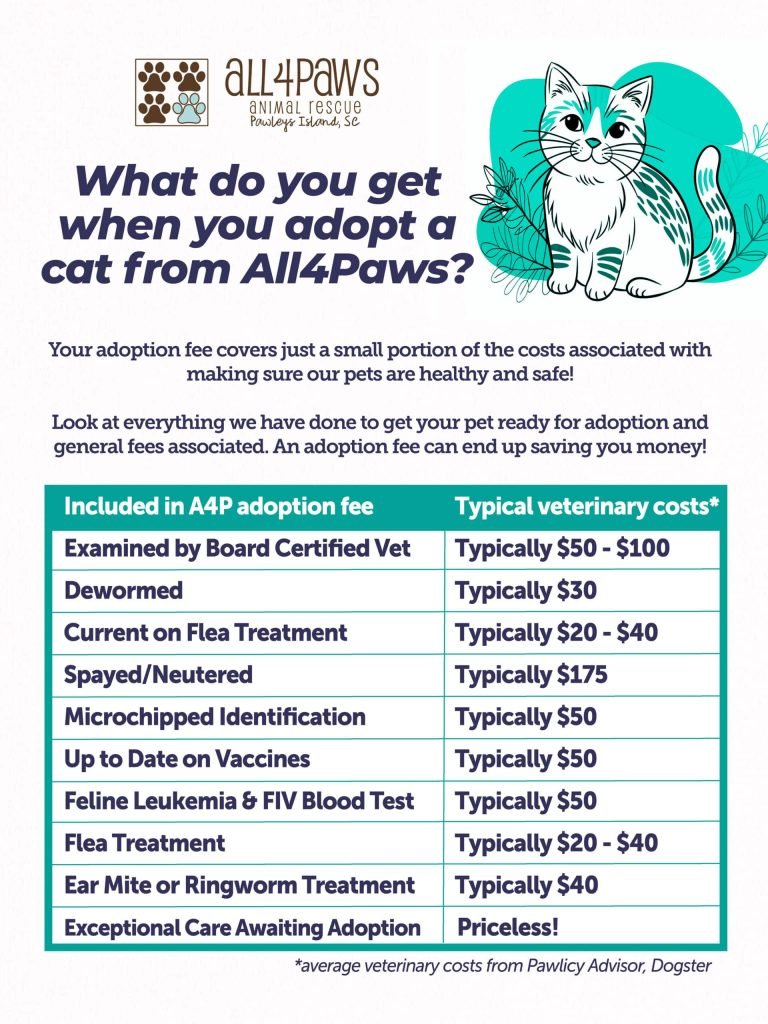
Understanding the breakdown of adoption fees helps prepare for bringing a cat home. Adoption costs cover important services and care already given to the cat. These fees support shelters and rescues to continue their work saving animals.
Knowing what affects the price helps make better choices. Different places charge different fees. Each fee covers specific health and safety needs of the cat.
Typical Adoption Costs
Adoption fees usually include several standard items. They cover:
- Spaying or neutering surgery
- Vaccinations and health checks
- Microchipping for identification
- Basic supplies like a collar or carrier sometimes
Typical fees range from $50 to $150. Some cats, especially kittens, may cost more.
Factors Affecting Fees
Age affects the cost; kittens often have higher fees. Older cats may be less expensive or even free in some cases.
Health conditions can raise fees due to extra care. Special medical needs or treatments add to the cost.
Location plays a role; urban areas may charge more. Rural shelters often have lower fees to encourage adoption.
Comparing Shelters And Rescues
Animal shelters usually have fixed fees to cover basic care. Rescues might ask for donations or sliding-scale fees.
Shelters often offer more cats to choose from. Rescues may focus on specific breeds or special needs cats.
Fees at rescues can be higher due to personalized care. Shelters rely on standard processes and funding.
Credit: www.flatbushcats.org
Initial Supplies And Setup
Getting ready for your new feline friend involves more than just picking out a cat. Setting up the right supplies and environment is key to a smooth transition. This stage can feel overwhelming but focusing on essentials and smart setup helps keep costs in check and your cat comfortable.
Essential Cat Supplies
Before your cat arrives, gather these basic supplies:
- Litter box:A good quality litter box is a must. Expect to spend around $15 to $40 depending on size and style.
- Cat litter:Different types vary in price. Clumping clay litter costs about $10 for a 20-pound bag.
- Food and water bowls:Stainless steel or ceramic bowls are durable and hygienic, usually $5 to $15 each.
- Cat food:Quality dry or wet food can run $15 to $30 per month.
- Scratching post or pad:Protect your furniture and keep your cat entertained; prices range from $10 to $50.
- Toys:Simple toys like feather wands or balls often cost under $10 but keep your cat active and happy.
Think about what you’ve seen cats enjoy at friends’ houses or shelters. Adding a few personal touches can make a big difference without extra cost.
Setting Up A Safe Space
Creating a calm and safe area for your cat is crucial during the first days. Choose a quiet room with minimal foot traffic where your cat can explore comfortably.
Include a cozy bed or blanket and keep essentials like the litter box and food nearby. This helps reduce stress and makes your cat feel secure.
Have you considered cat-proofing your space? Move toxic plants, hide electrical cords, and secure windows. These small steps can prevent accidents and save you from expensive vet visits.
One-time Purchases
Some supplies you buy once but use for years. These one-time costs add up but are important investments.
| Item | Estimated Cost | Purpose |
|---|---|---|
| Carrier | $20 – $60 | Safe transport to vet or travel |
| Grooming tools | $10 – $30 | Brushing to reduce shedding and hairballs |
| ID Tag/Collar | $5 – $20 | Identification and safety |
| Bed | $15 – $50 | Comfort and warmth |
Remember, quality over quantity pays off. A sturdy carrier or a comfortable bed can last years and keep your cat happy and healthy.
Medical Expenses
Medical expenses are a crucial part of adopting a cat that many first-time pet owners overlook. These costs ensure your new feline friend stays healthy and happy from day one. Understanding what to expect can help you budget better and avoid surprises down the road.
Vaccinations And Vet Visits
Vaccinations protect your cat from serious diseases. Initial vaccines typically include rabies, feline distemper, and respiratory infections. Expect to pay between $50 and $100 for these shots.
Regular vet visits are essential. Your cat will need check-ups, flea control, and possibly dental cleanings. These appointments can add $100 to $200 annually to your expenses.
Spaying And Neutering Costs
Spaying or neutering is a one-time but important cost. This procedure prevents unwanted litters and can reduce certain health risks. Prices generally range from $75 to $200, depending on your location and the clinic.
Some shelters include this in the adoption fee, but if not, setting aside money for this procedure is wise. Have you checked if your local shelter offers low-cost spaying and neutering?
Emergency Medical Fund
Unexpected health issues can arise at any time. Having an emergency medical fund means you’re prepared for sudden vet bills. Even a minor injury or illness can cost $300 or more.
Consider setting aside at least $500 as a safety net. Would you feel more confident adopting a cat if you knew you had this fund ready?
Ongoing Care Costs
Adopting a cat is just the beginning. The ongoing care costs can add up and affect your budget more than you might expect. Understanding these expenses helps you prepare for a happy, healthy life with your new feline friend.
Food And Treats
Feeding your cat well is essential, but it can also become a regular expense. High-quality dry or wet cat food typically costs between $20 and $50 per month. You might want to try different brands to see what your cat prefers and what fits your budget.
Treats are a nice way to bond with your cat, but they should be given in moderation. Expect to spend around $5 to $15 monthly on treats. Have you ever noticed how certain treats seem to excite cats more? That’s a fun way to reward good behavior without breaking the bank.
Litter And Maintenance
Litter is a must-have, and the costs vary depending on the type you choose. Clumping clay litter usually runs about $10 to $20 per month. Alternatives like silica gel or biodegradable options might cost more but last longer or are better for the environment.
Don’t forget litter boxes and cleaning supplies. You might spend $10 to $30 occasionally replacing boxes or buying scoopers. Keeping your cat’s bathroom area clean not only saves your home from odors but also keeps your cat happy and healthy.
Regular Vet Checkups
Routine vet visits are key to catching health issues early. Annual checkups, including vaccinations, can cost between $100 and $200. Some cats might require more frequent visits, especially as they age.
Preventive care like flea, tick, and worm treatments add to your expenses. Budget around $20 to $50 every few months for these. Have you considered pet insurance? It might ease some of these costs and give you peace of mind when unexpected health problems arise.
Additional Costs To Consider
Adopting a cat involves costs beyond the initial fee. These ongoing expenses are important to plan for. They help ensure your new pet stays healthy and happy. Understanding these costs avoids surprises later.
Pet Insurance
Vet bills can be expensive. Pet insurance helps cover unexpected medical costs. Plans vary by coverage and price. Monthly premiums typically range from $10 to $40. Insurance may cover accidents, illnesses, and routine care. Check what each plan includes before choosing.
Grooming And Toys
Cats need regular grooming, especially long-haired breeds. Grooming tools and occasional professional services cost money. Toys keep your cat active and entertained. Simple toys like balls and feather wands are affordable. Budget around $50 to $100 yearly for these supplies.
Boarding And Pet Sitting
Travel plans require care for your cat. Boarding facilities or pet sitters charge fees. Boarding can cost $20 to $50 per day. Pet sitters may charge similar rates. Arranging care ahead saves stress and ensures proper attention for your cat.

Credit: ocpetinfo.com
Ways To Save On Cat Adoption
Adopting a cat is a joyful experience, but the costs can add up quickly. Fortunately, there are several smart ways to save money without compromising your new feline friend’s care. You might be surprised at how much you can reduce expenses by tapping into available resources and thinking creatively.
Adoption Fee Waivers
Many shelters and rescue groups offer adoption fee waivers during special events or holidays. These promotions can significantly lower or eliminate the initial cost of adopting your cat.
Keep an eye on social media pages and websites of local shelters for announcements. Sometimes, adopting a cat with special needs or from a senior program qualifies you for a reduced fee or waiver.
Have you checked if your shelter offers discounts for veterans, seniors, or students? These options often go unnoticed but can save you a considerable amount.
Secondhand Supplies
Buying brand-new cat supplies can be expensive. Look for gently used items like cat trees, carriers, or toys on platforms such as Craigslist, Facebook Marketplace, or local thrift stores.
Friends or family who recently had pets might have supplies they no longer need. Accepting hand-me-downs is a great way to save and reduce waste.
Would you consider refurbishing or cleaning pre-owned items? A thorough wash can make secondhand supplies feel brand-new and safe for your cat.
Community Resources
Many communities offer free or low-cost resources that help with cat care expenses. Look for local pet food banks, low-cost veterinary clinics, or spay/neuter programs.
Joining community groups or online forums dedicated to pet owners can connect you with people willing to share advice or even supplies.
Have you explored partnerships between shelters and local businesses? Sometimes, you can find discounts on food, grooming, or veterinary services through these collaborations.
Frequently Asked Questions
How Much Does It Cost To Adopt A Cat?
Adoption fees typically range from $50 to $150. This fee covers vaccinations, spaying/neutering, and microchipping. Some shelters may charge more based on the cat’s age or breed.
What Are Hidden Costs After Adopting A Cat?
Hidden costs include food, litter, toys, and vet visits. Initial medical exams and vaccinations can add to expenses. Budgeting for unexpected health issues is important.
Does Cat Adoption Fee Include Vaccinations?
Most shelters include basic vaccinations in the adoption fee. These usually cover rabies and feline distemper. Always confirm with the shelter what is included.
Are Older Cats Cheaper To Adopt?
Yes, older cats often have lower adoption fees. Shelters encourage adopting seniors by reducing costs. Older cats may require more medical care, so plan accordingly.
Conclusion
Adopting a cat brings joy and companionship into your home. Costs vary, but budgeting helps manage them. Adoption fees often cover initial vet checkups and vaccinations. Food, litter, and toys add to expenses. Regular vet visits ensure your cat’s health.
Consider pet insurance for unexpected costs. A loving home makes every penny worthwhile. Cats enrich lives with their playful and soothing presence. Research and plan to ensure a happy transition. Ready to welcome a furry friend? Embrace the journey with open arms and a prepared heart.
Your new best friend awaits.
