

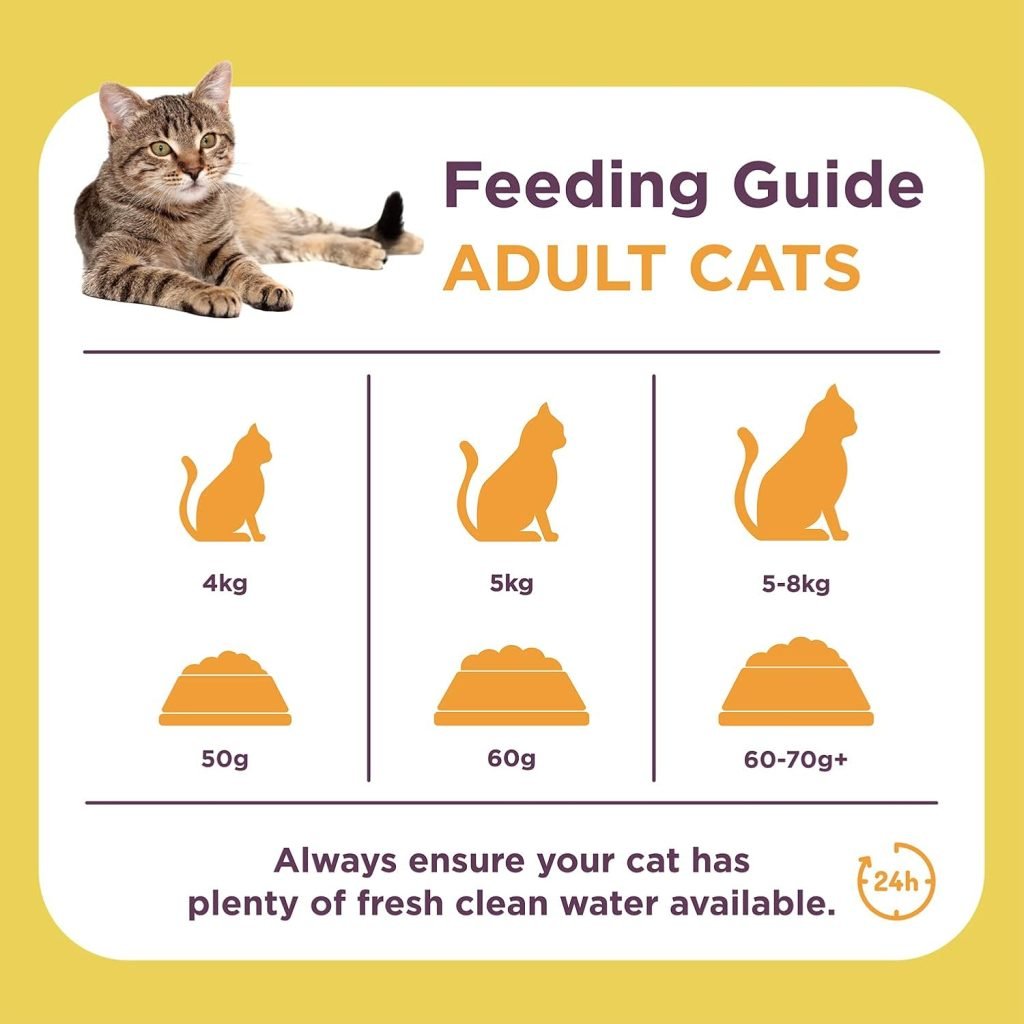
Are you unsure if you’re feeding your cat the right amount? Knowing how much your cat needs to eat is key to keeping them healthy and happy.
Too little food can leave them hungry and weak, while too much can lead to weight problems. You’ll discover simple tips to find the perfect balance for your furry friend. Keep reading to learn how to make mealtime just right for your cat’s needs.
Cat Calorie Needs
Cats have specific calorie needs to stay healthy and active. Their energy intake depends on various factors. Understanding these needs ensures your feline friend remains in great shape. Here’s a detailed guide on cat calorie requirements.
Factors Affecting Calorie Intake
Cats’ calorie needs depend on several factors. Size, age, and health status play significant roles. A larger cat may need more calories than a smaller one. Cats with health issues may require special diets. Spayed or neutered cats might have different energy needs too. Always consider these factors for a balanced diet.
Calories For Kittens Vs Adults
Kittens require more calories than adult cats. Their bodies grow rapidly, needing extra energy. A kitten may eat twice as much per pound as an adult cat. Adult cats need fewer calories to maintain weight. Feeding guidelines usually vary between kittens and adults. Always check the food label for recommended portions.
Adjusting For Activity Level
Active cats burn more calories than less active ones. Outdoor cats may need more energy than indoor cats. Playful cats also require more calories to fuel their activities. Adjust their diet based on their activity level. Monitor their weight and adjust portion sizes if needed. This keeps them healthy and prevents obesity.
Credit: companion-vets.com
Types Of Cat Food
Cats need a balanced diet to stay healthy and active. Choosing the right type of food is important. Different foods offer various nutrients and benefits. Knowing the types of cat food helps you feed your cat properly. Here are common types of cat food and their pros and cons.
Dry Food Benefits And Drawbacks
Dry cat food is easy to store and serve. It helps keep teeth clean by reducing plaque. Dry food usually costs less and lasts longer once opened.
Some dry foods have fillers and lower moisture. Cats may drink less water if they eat only dry food. This can cause urinary problems. Not all dry foods have enough protein for cats’ needs.
Wet Food Advantages
Wet cat food contains high moisture, which helps hydration. It usually has more protein and fewer fillers than dry food. Wet food is softer and easier to chew, ideal for older cats.
Wet food can be more expensive and spoils faster once opened. It needs refrigeration and careful portioning. Some cats prefer wet food’s taste and texture.
Raw And Homemade Diets
Raw and homemade diets allow full control over ingredients. They often include fresh meat, organs, and bones. These diets can meet cats’ natural nutritional needs well.
Preparing raw or homemade food needs time and care. Risk of bacterial contamination exists if not handled properly. Nutritional balance can be hard to achieve without expert advice.
Feeding Frequency
Feeding frequency is a crucial part of your cat’s daily routine. It impacts their energy levels, weight management, and overall health. Understanding how often to feed your cat based on their age and lifestyle can help you maintain their well-being effectively.
Meal Timing For Kittens
Kittens need more frequent meals because they burn energy quickly while growing. Aim to feed your kitten about 3 to 4 times a day. Smaller, frequent meals help maintain steady energy and support healthy development.
Try to space out meals evenly throughout the day. For example, feeding at 7 AM, 12 PM, 5 PM, and 9 PM keeps your kitten satisfied and less likely to overeat at one sitting.
Adult Cat Feeding Schedules
Adult cats don’t require as many meals as kittens. Most do well with two balanced meals a day—morning and evening. This schedule helps prevent obesity and supports digestion.
If your cat seems hungry between meals, you can add a small, measured snack. Watching your cat’s weight and energy will guide you in adjusting meal sizes and frequency.
Free Feeding Vs Scheduled Meals
Free feeding means leaving food out all day, allowing your cat to eat whenever they want. While convenient, this can lead to overeating and weight gain, especially in less active cats.
Scheduled meals give you control over portion size and feeding times. This approach supports healthier weight management and encourages routine. Which method do you think fits your cat’s personality and your lifestyle better?

Credit: www.purina.com
Portion Control Tips
Controlling the portions of your cat’s meals helps keep them healthy and fit. Proper portion control prevents overeating and weight gain. It also ensures your cat gets the right nutrients daily. Use simple tips to measure and manage food portions easily.
Measuring Food Accurately
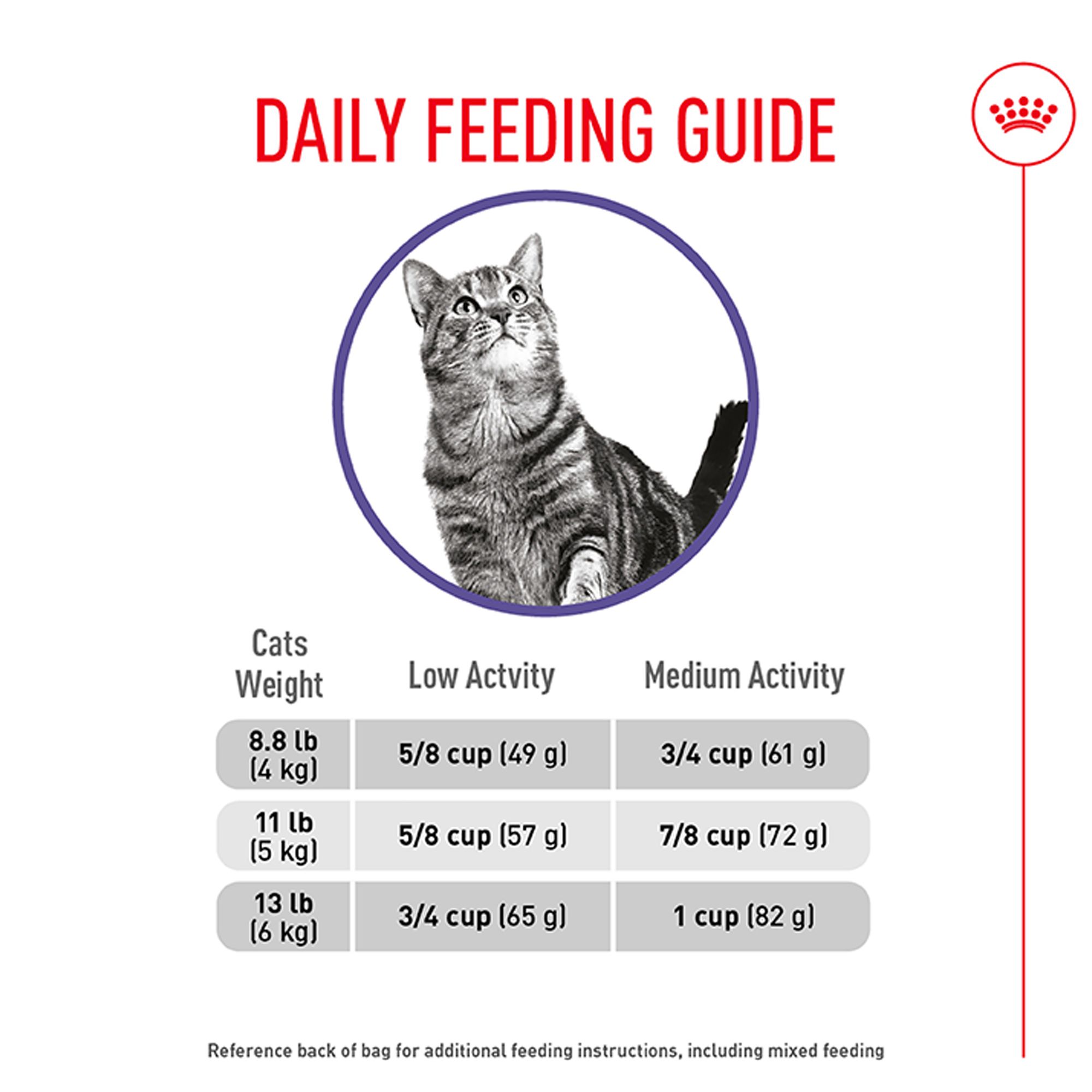
Use a kitchen scale or measuring cup to serve food precisely. Avoid guessing the amount by eye. Measure dry and wet food in grams or ounces. This helps maintain consistent meal sizes every day. Consistency supports your cat’s ideal weight and energy.
Using Feeding Guidelines
Check the feeding instructions on your cat food package. These guidelines suggest daily amounts based on your cat’s weight and age. Adjust portions if your cat is very active or less active. Feeding guidelines serve as a helpful starting point. Track your cat’s weight and adjust portions if needed.
Avoiding Overfeeding
Limit treats and snacks between meals. Treats can add extra calories that cause weight gain. Offer treats no more than 10% of daily food intake. Watch your cat’s body shape and weight regularly. Stop feeding if your cat shows fullness or disinterest in food.
Special Dietary Needs
Cats have unique dietary needs that vary by age, health, and lifestyle. Special dietary needs help maintain their health and happiness. Meeting these needs requires attention to detail and understanding specific requirements.
Feeding your cat the right food amount and type supports their well-being. Nutritional balance keeps them active and prevents health problems. Let’s explore key areas of special dietary needs in cats.
Weight Management
Controlling a cat’s weight is vital for its health. Overweight cats face risks like diabetes and joint pain. Underweight cats might lack essential nutrients or suffer illness.
Use measured portions to avoid overfeeding. Choose foods low in calories but high in nutrients. Regular exercise helps maintain a healthy weight. Monitor your cat’s weight every month for changes.
Health Conditions Impacting Diet
Some cats need special diets due to health issues. Kidney disease, diabetes, and allergies require tailored nutrition. These diets often have adjusted protein, fat, or carbohydrate levels.
Veterinarians can recommend foods to manage specific conditions. Avoid giving treats or human food that can worsen problems. Always follow professional advice for the best results.
Senior Cat Nutrition
Older cats need diets that support aging bodies. Their metabolism slows, so calorie needs may drop. Senior cat food often contains more fiber and fewer calories.
Joint health is important, so look for added supplements like glucosamine. Protein quality remains essential to maintain muscle mass. Regular check-ups help adjust diet as your cat ages.
Monitoring Cat’s Weight
Keeping an eye on your cat’s weight is essential to ensure they are eating the right amount. Weight changes can be subtle but have a big impact on your cat’s health and happiness. Regular monitoring helps you spot issues early and adjust feeding habits before problems arise.
Signs Of Underfeeding
Is your cat losing weight or appearing thinner than usual? You might notice their ribs or spine becoming more visible. Underfed cats often seem less energetic and may start grooming less, which affects their coat’s shine.
Other signs include:
- Increased meowing or begging for food
- Hiding or seeking warm places more often
- Sudden changes in behavior or mood
Have you noticed your cat’s appetite suddenly drop? That can also be a warning sign. Watch closely because underfeeding can weaken their immune system over time.
Signs Of Overfeeding
On the flip side, if your cat is gaining weight or looking rounder, they might be eating too much. Overfeeding leads to obesity, which puts strain on their joints and organs. You might spot less activity or difficulty jumping as a red flag.
Look out for:
- Fat pads developing around the abdomen
- Reluctance to play or exercise
- Increased sleeping hours
Is your cat begging constantly or getting into the food bowl between meals? These habits can contribute to overeating and health issues.
When To Consult A Vet
Noticing weight changes can be confusing. If your cat’s weight shifts significantly in a short time, it’s time to seek professional advice. A vet can rule out illnesses causing weight loss or gain and help you create a balanced feeding plan.
Make a vet visit if you observe:
- Weight loss or gain exceeding 10% in a few weeks
- Changes in appetite combined with vomiting or diarrhea
- Unusual lethargy or discomfort
Remember, your vet can guide you on the best diet and portion sizes tailored to your cat’s needs. When was the last time you checked your cat’s weight? It might be worth stepping on the scale together today.
Hydration And Feeding
Hydration plays a crucial role in your cat’s overall health, just like feeding does. Balancing water intake with the right amount of food ensures your furry friend stays active and comfortable. Understanding how hydration and feeding work together can help you provide the best care for your cat.
Importance Of Water Intake
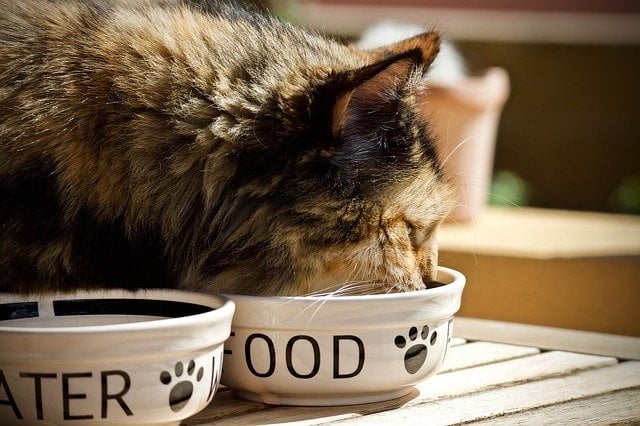
Water keeps your cat’s body systems running smoothly. It aids digestion, supports kidney function, and helps regulate body temperature. Cats often don’t drink enough water on their own, so you need to watch closely for signs of dehydration.
Have you noticed your cat licking dishes or the faucet? This might be a clue they need more water. Providing fresh water daily encourages regular drinking, which can prevent serious health issues like urinary tract infections.
Water Sources For Cats
Not all water sources are created equal for cats. While fresh, clean water from a bowl is standard, some cats prefer running water from fountains. These fountains can stimulate their natural instinct to drink more.
Wet cat food is another excellent way to boost hydration. It contains up to 80% water, which helps cats who are reluctant to drink enough water. You can also offer ice cubes or broth (without onions or garlic) as occasional treats to increase their fluid intake.
Link Between Diet And Hydration
The type of food you feed your cat directly affects their hydration levels. Dry kibble has very little moisture, so cats eating only dry food need extra water intake. Wet food reduces this need by delivering more moisture through their diet.
If your cat mainly eats dry food, how often do you check their water bowl? Cats on dry diets often drink more, but some don’t meet their hydration needs. Mixing wet food with dry or adding water to dry kibble can make a noticeable difference in their hydration.
Credit: www.petsmart.com
Frequently Asked Questions
How Much Food Does An Average Cat Need Daily?
An average adult cat needs about 20 calories per pound daily. This usually equals 200-250 calories, roughly ¼ to ⅓ cup of dry food.
How Often Should I Feed My Cat Each Day?
Most cats do well with two meals per day. Kittens may need more frequent meals, typically three to four times daily.
Does A Cat’s Age Affect Its Food Quantity?
Yes, kittens and senior cats have different needs. Kittens need more calories for growth; seniors may require fewer calories.
How Can I Tell If My Cat Is Eating Enough?
Monitor your cat’s weight and energy levels. Consistent weight and active behavior usually mean they’re eating adequately.
Conclusion
Cats need the right amount of food to stay healthy and happy. Feeding them too much or too little can cause problems. Watch their weight and energy levels to find the best portion size. Remember, each cat is different, so adjust meals as needed.
Regular check-ups with a vet help keep your cat in good shape. Feeding your cat well shows you care and helps them live longer. Simple steps make a big difference for your furry friend’s health. Keep your cat’s diet balanced and enjoy many happy years together.
