

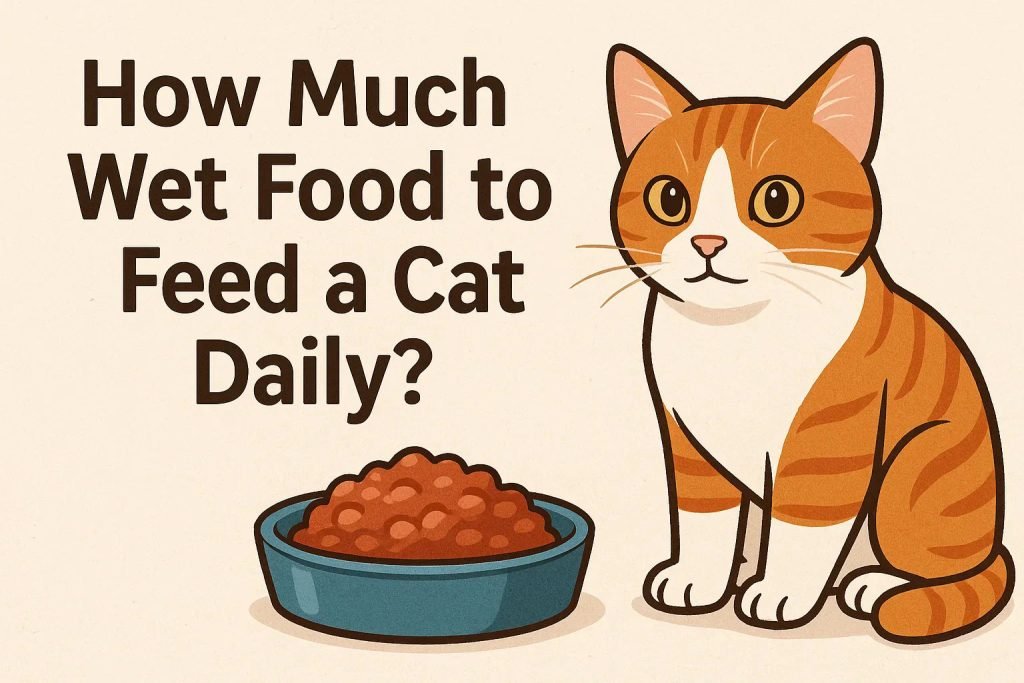
Wondering how much canned cat food you should give your furry friend each day? Getting the right amount is key to keeping your cat healthy and happy.
Too little, and your cat might feel hungry or miss out on nutrients. Too much, and you could be inviting weight problems or digestive issues. You’ll discover simple tips to find the perfect daily portion for your cat. Keep reading to learn how to make feeding time easy and stress-free for both you and your pet!
Daily Feeding Needs
Understanding your cat’s daily feeding needs is essential for keeping them healthy and happy. The right amount of canned cat food varies based on several factors, not just the size of the can. Feeding too little can leave your cat hungry, while overfeeding may lead to weight gain and health issues.
Factors Influencing Portions
Each cat is unique. Age, metabolism, health status, and even breed affect how much food your cat needs daily.
For example, a young kitten will need more frequent meals and higher calories compared to a senior cat. Cats with medical conditions might require special diets or adjusted portion sizes.
Have you noticed changes in your cat’s appetite or weight? These are key signs that your feeding portions might need tweaking.
Calorie Requirements By Cat Size
The size of your cat heavily influences calorie needs. Smaller cats generally require between 180 to 200 calories daily, while larger cats might need 250 to 300 calories or more.
| Cat Size | Daily Calorie Range | Approximate Canned Food Amount |
|---|---|---|
| Small (5-8 lbs) | 180-220 calories | 1/2 to 3/4 of a 5.5 oz can |
| Medium (8-12 lbs) | 220-280 calories | 3/4 to 1 full 5.5 oz can |
| Large (12+ lbs) | 280-350+ calories | 1 to 1 1/4 cans or more |
Knowing your cat’s ideal calorie intake helps you measure out canned food accurately without guesswork.
Adjusting For Activity Levels
Just like people, active cats burn more calories. If your cat loves to play or spends a lot of time outdoors, they might need extra food to keep up their energy.
On the other hand, indoor or less active cats require fewer calories to avoid weight gain. Watch your cat’s behavior and energy level to decide if you should increase or reduce their portions.
Have you tried adjusting the portions based on your cat’s activity? You might find your feline friend feels more satisfied and energetic with a small tweak in daily feeding.
Credit: www.petsmart.com
Reading Food Labels
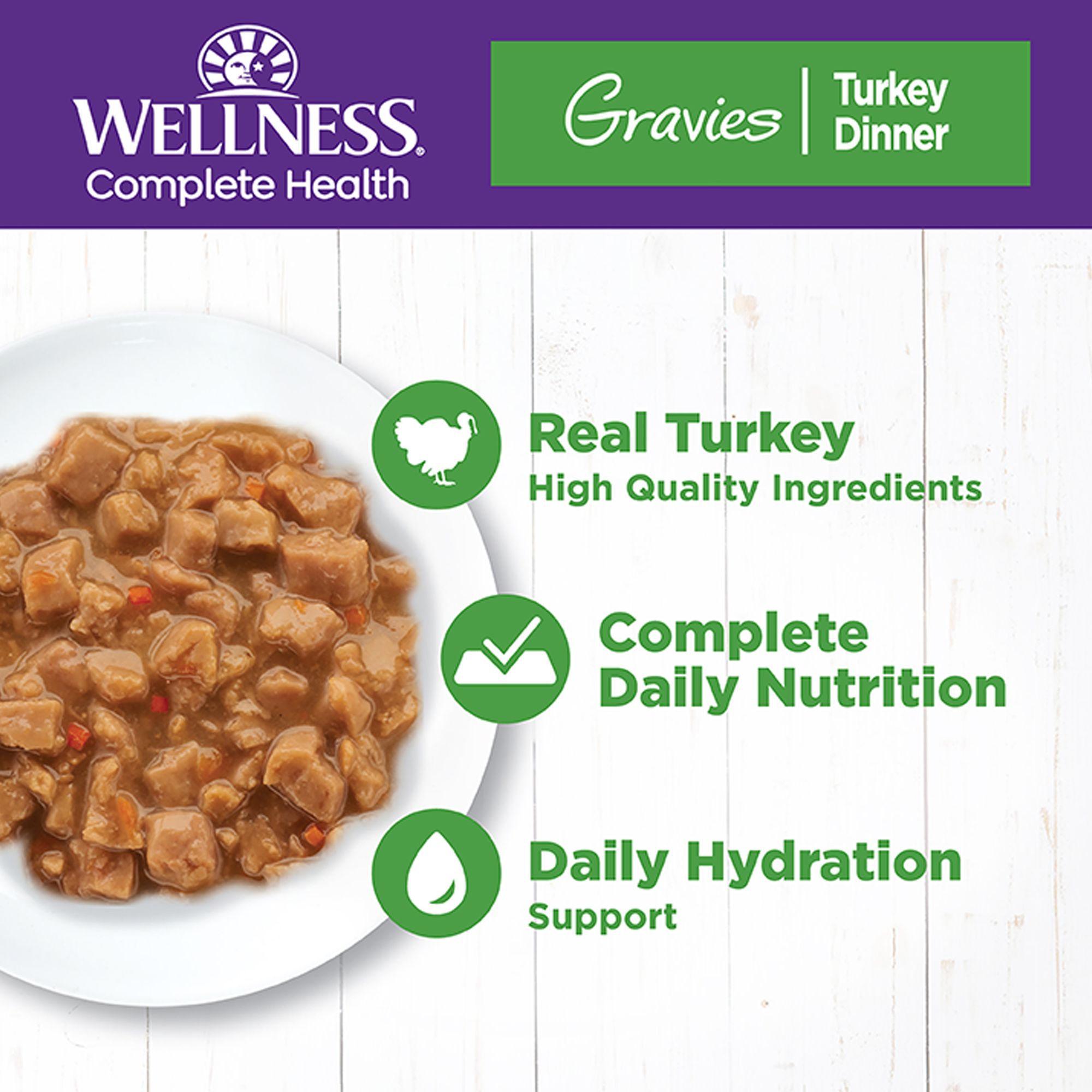
Reading food labels on canned cat food is crucial to feeding your feline friend the right amount. Without understanding what the label says, you might overfeed or underfeed your cat, affecting their health. Learning how to read these labels helps you make smarter choices and ensures your cat gets the nutrition they need.
Understanding Serving Sizes
Serving sizes on canned cat food labels tell you how much food the manufacturer recommends per feeding. These sizes can vary depending on the brand and the cat’s weight or activity level. Pay attention to whether the serving size refers to the entire can or just a portion of it.
For example, a 5.5-ounce can might say the serving size is half a can for a 10-pound cat. This means you should feed your cat about 2.75 ounces per meal. Have you checked if you are feeding your cat the right portion or just guessing?
Calories Per Can
Calories are key to controlling your cat’s weight. The label usually lists calories per serving or per can. Knowing this helps you balance your cat’s daily calorie intake with their activity level.
If a can contains 150 calories and your cat needs around 250 calories a day, you’ll need to feed a bit less than two cans. Don’t rely solely on volume; calories tell you how much energy your cat will get from that food. Have you ever thought about calories when pouring your cat’s meal?
Interpreting Nutritional Information
The nutritional info section shows protein, fat, fiber, and moisture percentages. Cats need high protein and moderate fat for good health. Look for labels that list real meat sources high on the ingredient list.
Fiber helps digestion, so a small amount is good. Moisture content is also important since cats need hydration. Comparing these values across brands can help you pick the best food for your cat’s needs. What nutrients do you focus on when choosing cat food?
Feeding By Cat Age
Feeding cats varies depending on their age. Cats need different amounts and types of food as they grow. Understanding these needs helps keep cats healthy and happy. Here is a simple guide to feeding canned cat food by age.
Kittens’ Requirements
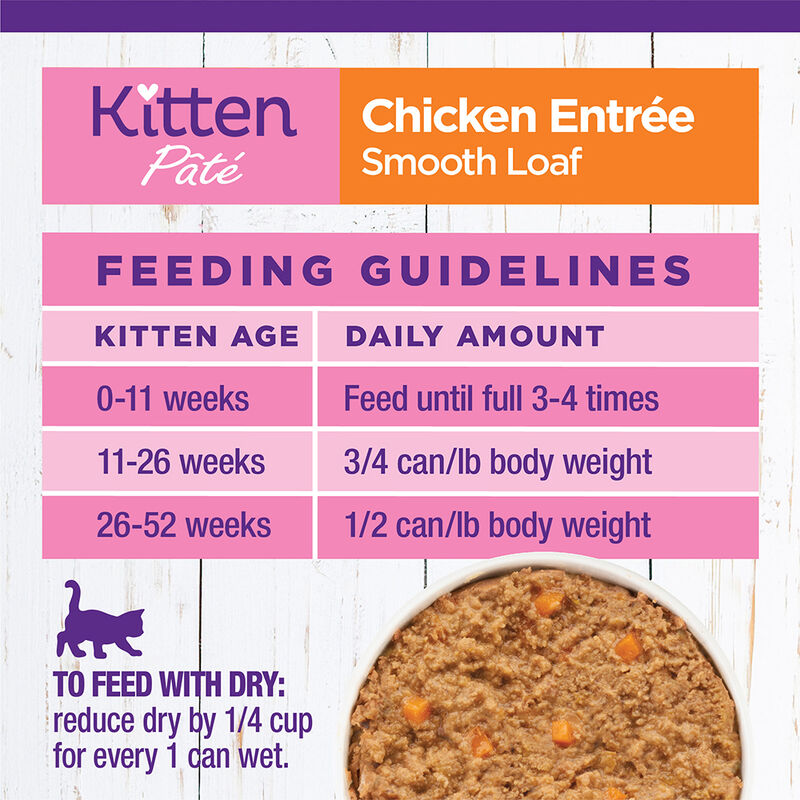
Kittens need more calories than adult cats. Their bodies grow fast and need extra nutrients. Feed kittens small portions often throughout the day. Use kitten-specific canned food. It has higher protein and fat levels. A typical guide is:
- Up to 3 months: 3-4 meals daily, about 2-3 ounces each
- 3 to 6 months: 3 meals daily, about 3-4 ounces each
- 6 to 12 months: 2-3 meals daily, 4-5 ounces each
Always check the food label for specific amounts.
Adult Cat Portions
Adult cats need less food than kittens but still need balanced nutrition. Feed them twice a day with measured portions. The amount depends on weight, activity, and health. On average, adult cats eat about 5.5 to 6 ounces of canned food daily. Split this into two meals for better digestion. Watch their weight and adjust portions as needed.
Senior Cat Diet Adjustments
Senior cats have slower metabolism and may need fewer calories. They might also need special diets for health issues. Feed smaller, more frequent meals to aid digestion. Choose canned food with easy-to-digest ingredients and added nutrients like omega-3. A typical portion is 4-5 ounces daily, divided into two or three meals. Monitor appetite and weight regularly for changes.
Credit: www.renspets.com
Health Considerations
Health considerations play a key role in deciding how much canned cat food to offer daily. Cats have different needs based on age, activity, and health status. Feeding the right amount supports their well-being and prevents health issues. Understanding these factors helps maintain your cat’s ideal weight and energy.
Weight Management Tips
Monitor your cat’s weight regularly. Overweight cats can develop serious health problems. Adjust portion sizes based on your cat’s activity level and metabolism. Use a measuring cup to serve precise amounts of canned food. Balance wet food with dry food if used. Avoid feeding extra treats that add calories.
Feeding For Special Conditions
Cats with health issues need tailored diets. Kidney problems require lower protein levels. Diabetic cats benefit from controlled carbohydrate intake. Consult your vet for specific canned food types and portions. Follow vet advice strictly to manage your cat’s condition. Special needs diets often require smaller, more frequent meals.
Avoiding Overfeeding Risks
Overfeeding causes obesity and digestive problems. It can lead to diabetes and joint pain. Stick to recommended feeding guidelines on the food label. Watch for begging behavior and ignore it. Free-feeding encourages overeating, so offer meals at set times. Regular exercise helps keep your cat fit and healthy.
Meal Frequency And Scheduling
Setting the right meal frequency and schedule for your cat can make a big difference in their digestion, energy levels, and overall happiness. Cats often thrive on routine, and adjusting how often and when you feed canned food helps maintain their health and prevents overeating. Understanding different feeding patterns lets you tailor the approach to fit your cat’s personality and your daily routine.
Multiple Small Meals Vs. Few Large Meals
Feeding your cat multiple small meals throughout the day mimics their natural hunting behavior. This approach can keep their metabolism steady and reduce begging or overeating. On the other hand, some cats do well with just two or three larger meals, especially if they tend to eat quickly or if your schedule is tight.
Think about your cat’s activity level and temperament. Does your cat seem restless between meals, or do they nap peacefully? Cats that are more active might benefit from smaller, frequent meals, while calmer cats often do fine with fewer feedings.
Timing Feeding Sessions
Consistency matters when you schedule feeding times. Try to feed your cat at roughly the same times daily, such as morning and evening. This helps regulate their digestion and sets clear expectations.
Pay attention to how your cat behaves around feeding times. If your cat gets anxious or vocal, consider adjusting the timing or meal size. You could also observe if mealtime coincides with your cat’s natural energy peaks, like after playtime or naps.
Using Feeding Tools And Timers
Automatic feeders or timers can be lifesavers if you’re not always home at meal times. These tools ensure your cat gets meals on schedule without delay. They also help control portion sizes, preventing accidental overfeeding.
Some feeders allow you to program multiple small meals, which works well for cats who need frequent feeding. Using these tools can reduce stress for both you and your cat, especially if your work hours vary.
Combining Wet And Dry Food
Combining wet and dry cat food can offer a balanced diet for your feline friend. It mixes the benefits of both types, giving variety and better nutrition. This approach supports your cat’s health and keeps mealtime interesting.
Balancing Nutrients
Wet food has more moisture and protein. Dry food contains more fiber and carbohydrates. Combining both helps meet your cat’s daily nutrient needs. This mix supports healthy digestion and energy levels. It ensures your cat gets vitamins and minerals from different sources.
Portion Adjustments
Adjust the amount of each food type based on your cat’s size and activity. Too much dry food can cause weight gain. Too much wet food might lead to loose stools. A good starting point is:
- About 50% wet food by weight
- About 50% dry food by weight
Track your cat’s weight and health. Change portions if needed to keep a healthy balance.
Hydration Benefits
Wet food helps increase your cat’s water intake. Cats often do not drink enough water. Wet food adds moisture to their diet naturally. This supports kidney health and reduces the risk of urinary problems. Combining wet with dry food helps keep your cat hydrated throughout the day.
Monitoring And Adjusting Portions
Monitoring and adjusting your cat’s canned food portions is key to keeping them healthy. Cats have different needs based on age, weight, and activity. Watch their body and behavior closely to find the right amount of food. Adjust portions as needed to avoid underfeeding or overfeeding.
Tracking Weight Changes
Weigh your cat regularly to track any changes. Use a simple scale at home or visit the vet. A steady weight means the portion is right. Gain or loss shows adjustment is needed. Record the weight to spot trends over time.
Behavioral Signs Of Hunger Or Fullness
Observe your cat’s eating habits and behavior. Signs of hunger include meowing, pacing, or begging for food. Fullness shows when your cat stops eating or walks away. Watch for overeating or food guarding, which can signal a problem. Adjust portions based on these cues.
When To Consult A Veterinarian
Contact a vet if your cat’s weight changes quickly. Seek advice if your cat shows unusual hunger or refuses to eat. A vet can check for health issues affecting appetite. They help create a feeding plan tailored to your cat’s needs.

Credit: pet-supermarket.co.uk
Frequently Asked Questions
How Much Canned Cat Food Should I Feed Daily?
Feed your cat 3 to 6 ounces of canned food daily. Adjust based on their weight, age, and activity level for best results.
Can I Mix Canned And Dry Cat Food Amounts?
Yes, combine canned and dry food by reducing each proportionally. Ensure total daily calories meet your cat’s nutritional needs.
How Do I Measure The Right Portion Of Canned Cat Food?
Use a kitchen scale or measuring cup to portion food accurately. Follow feeding guidelines on the can label for proper portions.
Does Cat Size Affect Canned Food Quantity?
Yes, larger cats need more food. Smaller or less active cats require fewer calories. Adjust portions to maintain a healthy weight.
Conclusion
Feeding your cat the right amount of canned food helps keep it healthy. Watch your cat’s weight and energy levels to adjust portions. Every cat is different, so feeding needs can vary. Talk to your vet for advice tailored to your cat.
Remember, fresh water should always be available alongside canned food. Keep meals consistent and monitor your cat’s response. This way, your cat stays happy and well-fed every day.
