


Have you ever wondered how much attention your cat really needs? You might think cats are independent and don’t require much from you, but the truth is more surprising.
Giving your cat the right amount of attention can make a big difference in their happiness and health. If you want to understand what your furry friend truly wants and how to keep them content, keep reading. This guide will help you discover the perfect balance between giving your cat love and respecting their space.
Your cat’s well-being depends on it!
Understanding Cat Behavior
Understanding cat behavior helps owners give the right attention their pets need. Cats show their feelings and needs through body language and sounds. Reading these signs can improve your bond and keep your cat happy.
Cats are different from dogs. They enjoy alone time but also want some play and petting. Knowing what your cat wants helps avoid stress and unwanted behavior.
Body Language And What It Means
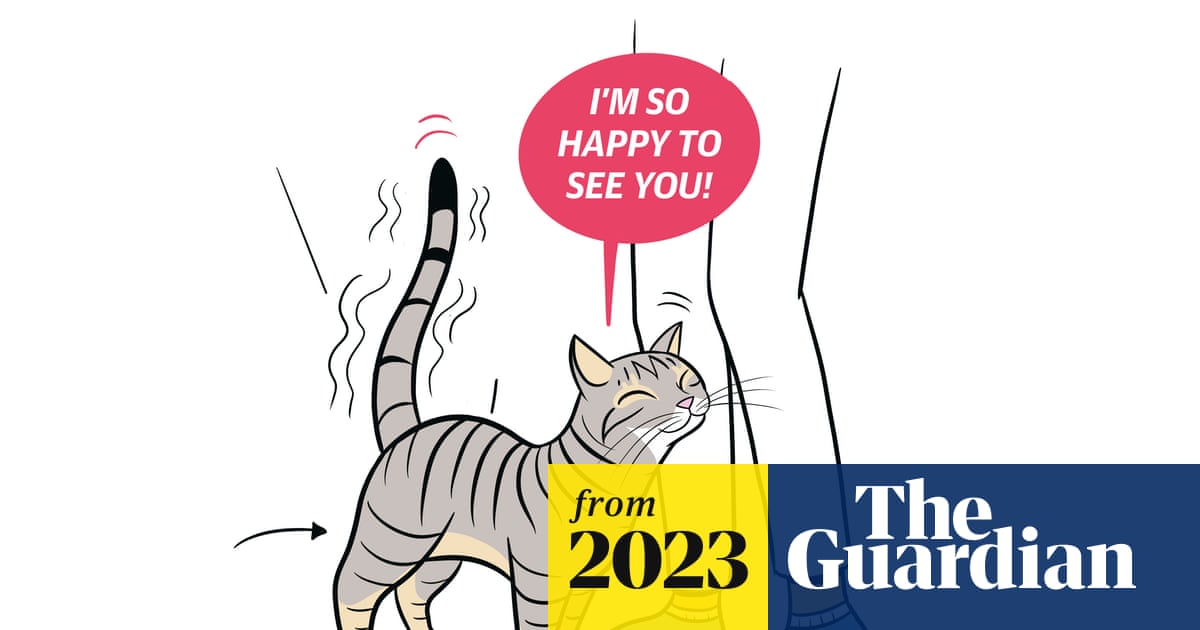
Cats use their tails, ears, and eyes to talk without words. A raised tail usually means a happy cat. Flattened ears show fear or anger. Slow blinking is a sign of trust.
How Cats Use Vocal Sounds
Meowing, purring, and hissing are common cat sounds. Meowing often means your cat wants attention or food. Purring usually shows contentment but can also mean pain. Hissing is a warning to stay away.
Play And Hunting Instincts
Cats love to play because it mimics hunting. Toys that move like prey keep cats interested. Playtime helps cats stay active and reduces stress.
Social Needs And Independence
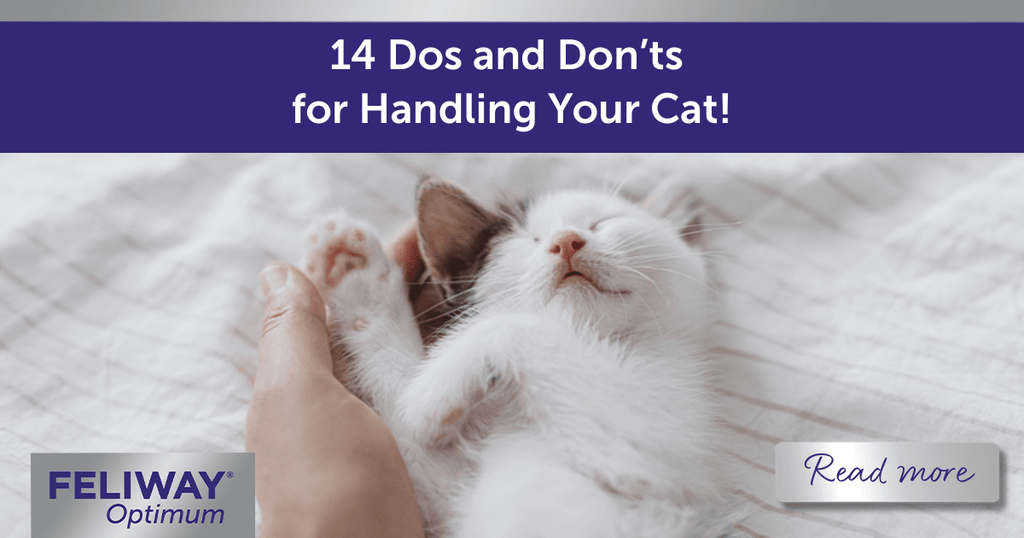
Cats like to be near people but also need quiet time alone. Some cats want lots of interaction, while others prefer less. Understanding your cat’s personality guides how much attention to give.
Credit: us.feliway.com
Daily Interaction Needs
Understanding your cat’s daily interaction needs is key to a happy and healthy pet. Cats are unique creatures who balance their need for attention with moments of solitude. Meeting these needs helps prevent behavior problems and strengthens your bond.
Playtime Activities
Playtime is more than fun; it’s essential for your cat’s mental and physical health. Engage your cat with toys that mimic hunting, like feather wands or laser pointers. Even 10 to 15 minutes of active play each day can make a big difference.
Notice how your cat reacts—do they prefer chasing fast-moving toys or pouncing on soft objects? Tailor play sessions to their style to keep them interested and stimulated.
Socializing With Humans
Cats do seek human interaction but on their own terms. Sit quietly near your cat and let them approach you when ready. Gentle petting sessions during calm moments build trust and comfort.
Ask yourself: how often does your cat seek your company during the day? If they nudge you or follow you around, they likely want more social time. Respect their signals to avoid overwhelming them.
Independent Time
Giving your cat space is as important as spending time together. Cats often need quiet moments alone to relax and recharge. Providing cozy spots where they can retreat helps reduce stress.
Think about your cat’s daily routine—do they have safe areas away from noise and activity? Supporting their need for independence keeps them balanced and content.
Signs Your Cat Needs More Attention
Recognizing when your cat needs more attention can make a big difference in their happiness and health. Cats can’t tell you directly, but their behavior often reveals their emotional state. Paying attention to subtle or not-so-subtle signs helps you respond better to their needs.
Behavioral Changes
Has your usually calm cat started acting restless or withdrawn? Sudden shifts like hiding more often or being unusually clingy can signal they want more interaction. If your cat stops grooming or loses interest in play, these are red flags you should not ignore.
Think about how your cat behaved a few weeks ago. Are they less interested in their favorite toys or avoiding you? These behavioral changes can mean they feel lonely or bored and crave your attention.
Vocal Cues
Some cats are chatty, but an increase in meowing or yowling may indicate they want more from you. Pay attention if your cat starts vocalizing at times they didn’t before, like when you’re busy or about to leave.
Does your cat have a unique call for you? Listen carefully. Persistent or louder vocal cues often mean they’re trying to communicate a need for companionship or playtime.
Destructive Behavior
Is your cat suddenly scratching furniture, knocking things over, or chewing on cords? These actions often stem from frustration or a lack of mental stimulation.
Destructive behavior can be your cat’s way of getting your attention. Instead of punishment, consider whether they need more play sessions or interactive toys to channel their energy positively.
Creating A Stimulating Environment
Cats thrive in environments that keep their minds and bodies active. Creating a stimulating space helps prevent boredom and unwanted behaviors. It also strengthens your bond by showing your cat you understand their needs.
Toys And Enrichment
Variety is key. Rotate toys regularly to keep your cat curious and excited. Puzzle feeders challenge their intelligence and give mealtime a fun twist. Simple items like cardboard boxes or paper bags can become instant playgrounds. Have you noticed how your cat reacts differently to certain toys? Pay attention and add more of what excites them.
Safe Outdoor Access
Letting your cat explore outside safely can enrich their day. Enclosed patios or “catios” offer fresh air without the risks of free roaming. If you don’t have space for this, leash walks are an option to consider. Outdoor scents and sounds engage a cat’s senses in ways indoor life can’t. Could your home benefit from a safe outdoor spot for your feline friend?
Vertical Spaces
Cats love to climb and observe from high vantage points. Installing shelves, cat trees, or window perches gives them this freedom. Vertical spaces also provide safe retreats when they want alone time. Try placing these spots near windows to add a view. What vertical additions could you make today to make your cat’s world more interesting?
Balancing Work And Pet Care
Balancing your work commitments with the needs of your cat can feel like walking a tightrope. Cats crave attention, but your job demands time and focus. Finding the right balance ensures your feline friend stays happy without compromising your productivity.
Scheduling Playtime
Set specific times during your day to engage with your cat. Even short 10-15 minute play sessions can satisfy their social needs and keep them active. Try to make these playtimes consistent so your cat knows when to expect attention.
Think about your daily routine. Could you use morning coffee breaks or evening wind-down moments for interactive play? Your cat’s excitement during these times will remind you to pause and connect.
Utilizing Technology
Technology can be a great ally when you’re busy. Automated laser toys or treat dispensers let your cat play and stay engaged while you work. These tools provide stimulation even when you can’t be physically present.
Consider video call apps to check in on your cat during breaks. Hearing your voice might calm them and strengthen your bond despite distance. Have you tried leaving a TV or radio on to keep background noise? It can reduce loneliness for some cats.
Seeking Help
Don’t hesitate to ask for support from friends, family, or pet sitters. Having someone else play with or feed your cat can ease your workload and keep your pet happy. It’s especially useful during long workdays or travel.
Join local pet communities or online groups where you can swap cat care tips or arrange pet-sitting. Sharing responsibilities doesn’t mean you love your cat less; it means you care enough to provide the best care possible.
Credit: www.theguardian.com
Benefits Of A Happy Cat
A happy cat is a joy to have at home. Their mood affects their health and behavior. Paying attention to their needs helps them thrive. Happy cats show love and trust. They also bring peace and comfort to their owners. Understanding the benefits of a happy cat encourages better care.
Improved Health
Happy cats tend to stay healthier. They eat well and have better digestion. Regular play and attention keep their muscles strong. A calm cat is less likely to get sick. Happiness supports a strong immune system. It reduces risks of common illnesses in cats.
Stronger Bond
Spending time with your cat builds trust. Cats show affection through purring and rubbing. A happy cat feels safe and loved. This closeness makes your relationship stronger. You learn to understand their needs better. The bond grows with gentle care and attention.
Reduced Stress
Happy cats relax more easily. They show fewer signs of anxiety and fear. Calm cats are less likely to scratch or bite. Their peaceful behavior lowers stress in your home. A happy cat creates a calm atmosphere. This helps both you and your cat feel better.

Credit: www.oliverpetcare.com
Frequently Asked Questions
How Much Daily Attention Do Cats Usually Need?
Cats typically need 15 to 30 minutes of focused attention daily. This includes play, petting, or interactive time to keep them mentally and physically stimulated.
Can Lack Of Attention Affect A Cat’s Behavior?
Yes, insufficient attention can lead to boredom, anxiety, or destructive behavior. Regular interaction helps cats feel secure and emotionally balanced.
How Can I Tell If My Cat Wants Attention?
Cats may meow, nudge, or follow you around when seeking attention. They often display affectionate behaviors like purring or rubbing against you.
Do All Cat Breeds Need The Same Attention Level?
No, attention needs vary by breed and personality. Some breeds are more social and require more interaction, while others are more independent.
Conclusion
Cats need attention, but the amount varies by personality. Some cats want lots of play and petting every day. Others prefer quiet time and less interaction. Watch your cat’s behavior to know what they like. Give them love in ways they enjoy.
This balance keeps your cat happy and healthy. Remember, patience helps build a strong bond. Small moments of care mean a lot to your feline friend. Tailor your attention to fit your cat’s needs. This makes both of you feel good.
