

Are you wondering how many vaccines your cat really needs? Keeping your furry friend healthy is a top priority, but the number of vaccines can sometimes feel confusing.
Too few, and your cat might be at risk; too many, and you worry about side effects. You’ll discover exactly which vaccines are essential, why they matter, and how to keep your cat safe without overdoing it. By the end, you’ll have clear answers to protect your beloved pet with confidence.
Keep reading to learn what every cat owner needs to know about vaccinations.
Core Vaccinations
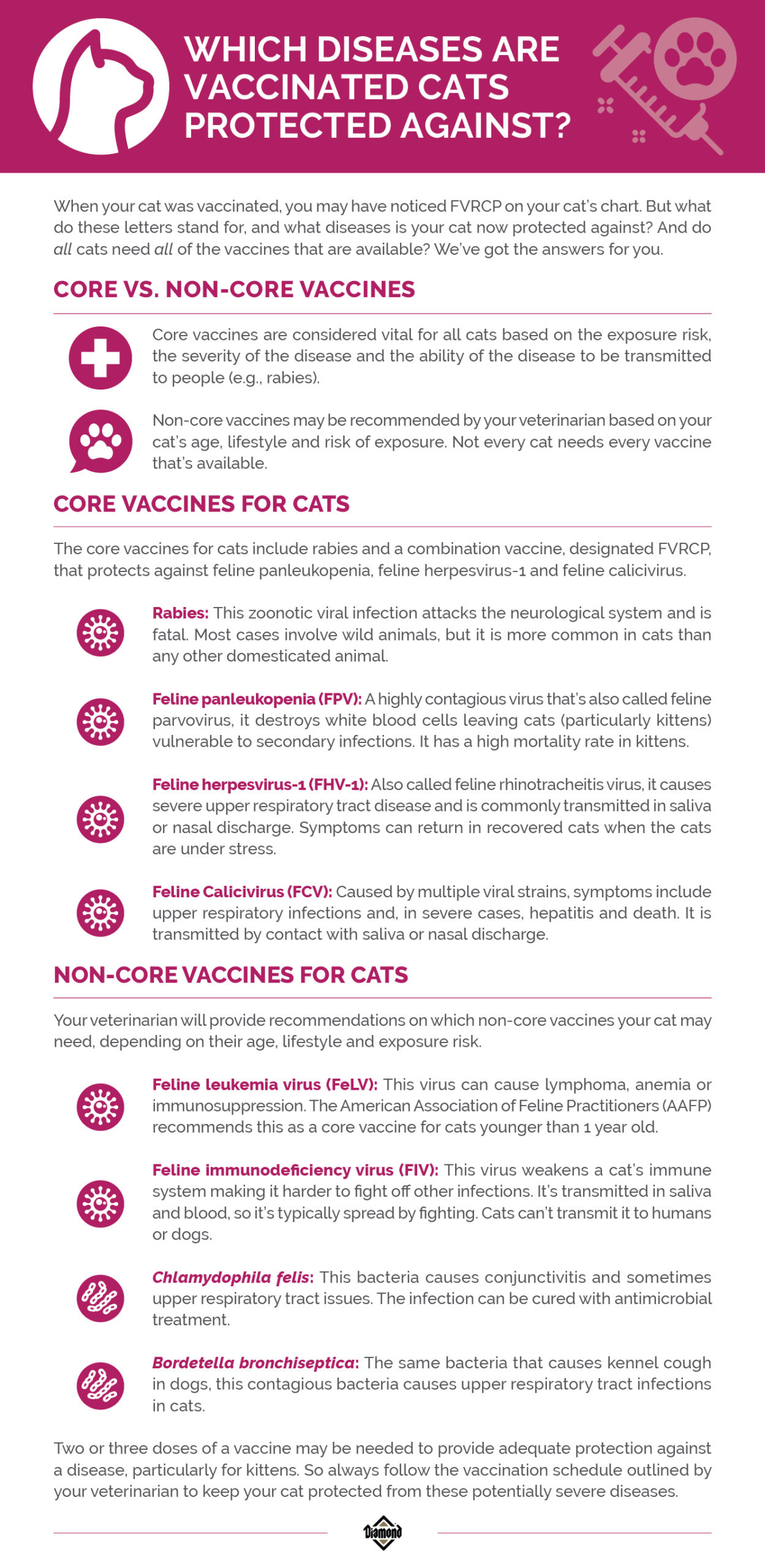
Core vaccinations protect cats from deadly and common diseases. These vaccines form the foundation of a cat’s health care. They prevent infections that spread easily and can cause severe illness or death. Every cat should receive these essential vaccines.
Feline Viral Rhinotracheitis
This disease affects a cat’s respiratory system. It causes sneezing, eye discharge, and nasal congestion. Vaccination helps reduce symptoms and prevents severe cases. Healthy cats rarely spread the virus after vaccination.
Calicivirus
Calicivirus causes mouth ulcers, eye problems, and breathing issues. It spreads quickly among cats in close contact. Vaccination lowers the chance of infection and lessens disease severity. It is crucial for cats in multi-cat homes.
Panleukopenia
Also called feline distemper, panleukopenia is highly contagious. It attacks the immune system and intestines. Symptoms include vomiting, diarrhea, and dehydration. Vaccines offer strong protection and save many lives each year.
Rabies
Rabies affects the brain and is fatal. It spreads through bites from infected animals. Vaccinating cats keeps them safe and protects humans. Rabies shots are required by law in many areas.
Credit: www.diamondpet.com
Non-core Vaccinations
Non-core vaccinations protect cats from diseases based on their lifestyle and risk factors. These vaccines are not needed for every cat. They depend on the cat’s environment and habits. Discuss with your vet which non-core vaccines suit your cat’s needs. Protecting your cat with the right vaccines helps avoid serious illnesses.
Feline Leukemia Virus
The Feline Leukemia Virus vaccine is for cats that go outdoors or live with infected cats. This virus weakens the immune system and can cause cancer. Vaccinating helps prevent infection and protects your cat’s health. Regular testing is important for early detection.
Feline Immunodeficiency Virus
This vaccine protects against Feline Immunodeficiency Virus, which lowers a cat’s immune defenses. It spreads mainly through bite wounds. Cats at risk include outdoor cats and those in multi-cat homes. Vaccination reduces chances of illness but does not cure the virus.
Bordetella
Bordetella vaccine guards against a bacteria causing respiratory infections. It spreads quickly in shelters and crowded places. Cats in such environments benefit most from this vaccine. The vaccine helps reduce coughing and sneezing symptoms.
Chlamydophila Felis
This vaccine protects against Chlamydophila felis, causing eye infections and conjunctivitis. Cats in multi-cat households or shelters are more at risk. Vaccination lowers the chance of eye disease and spreading infection. Good hygiene also helps control this illness.
Vaccination Schedule
Understanding your cat’s vaccination schedule is key to keeping them healthy and protected from serious diseases. Vaccines are not just a one-time thing; they require careful timing and follow-up to ensure your feline friend gets the best defense. Let’s break down when and how often your cat needs these essential shots.
Kitten Vaccination Timeline
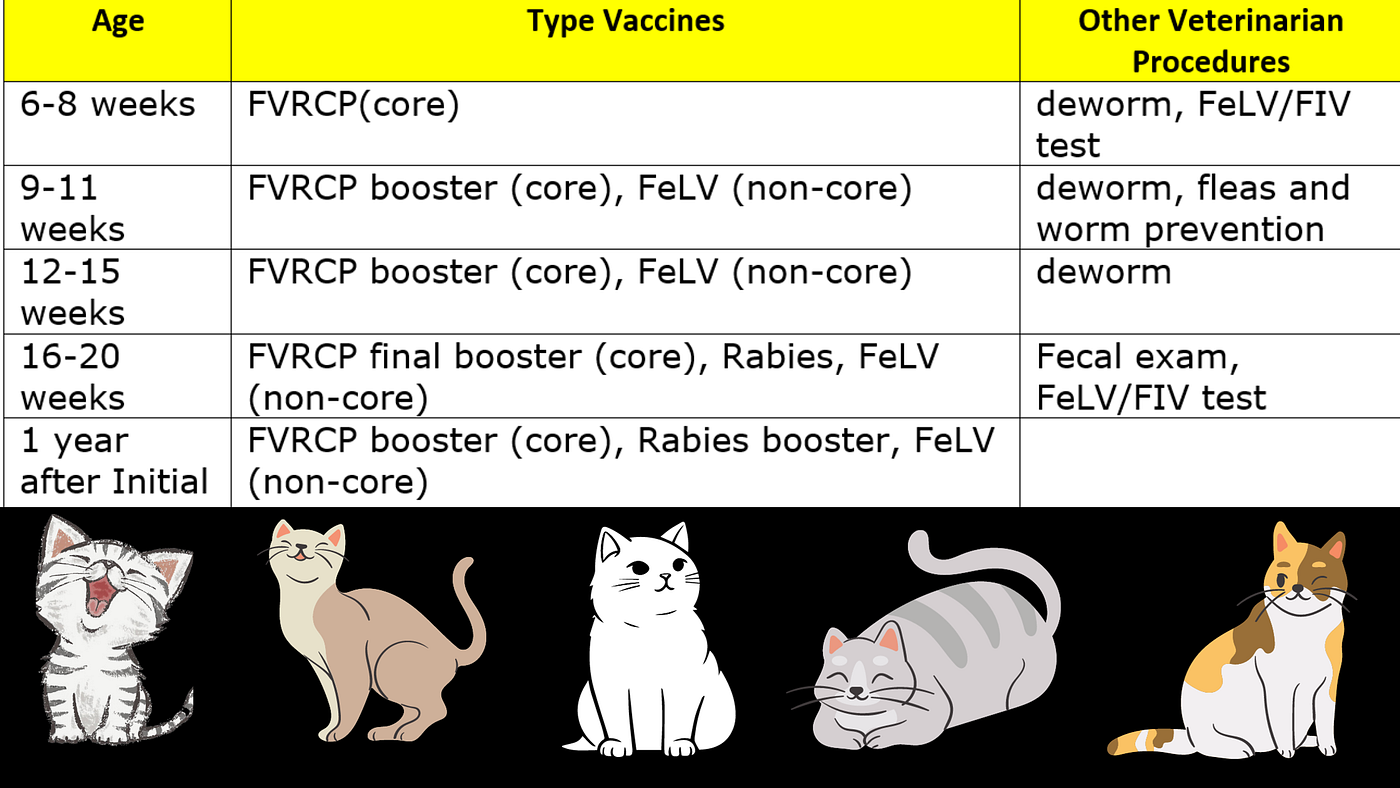
Kittens need a series of vaccines starting at about 6 to 8 weeks old. These initial shots protect against common but dangerous diseases like feline distemper and respiratory infections.
The schedule usually looks like this:
- 6-8 weeks:First round of core vaccines
- 10-12 weeks:Second round to boost immunity
- 14-16 weeks:Final round before full immunity
Many vets recommend adding vaccines for feline leukemia if your kitten goes outdoors or interacts with other cats. Missing any of these can leave your kitten vulnerable during crucial early months.
Adult Cat Vaccination Needs
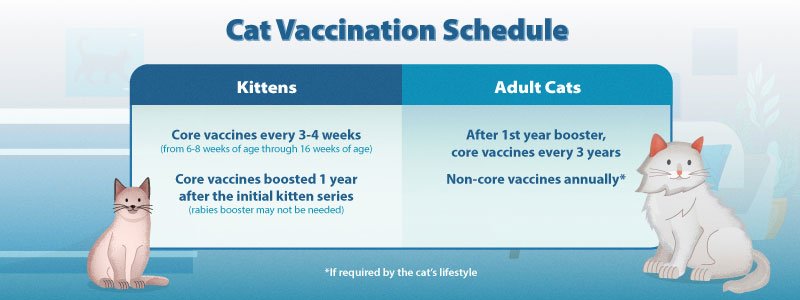
Once your cat reaches adulthood, their vaccination needs change but don’t disappear. Typically, adult cats receive a booster of core vaccines about a year after their kitten series ends.
After that, the frequency often shifts to every 1 to 3 years, depending on the vaccine type and your vet’s advice. Cats with different lifestyles—indoor only, outdoor explorers, or those in multi-cat households—may require customized vaccination plans.
Have you talked to your vet about what fits your cat’s daily routine? Tailoring vaccines ensures they get just what they need without unnecessary shots.
Booster Shots
Booster shots are vital to maintain your cat’s immunity over time. Think of them as reminders for your cat’s immune system to stay alert against threats.
Most boosters are given annually or every three years, based on the vaccine and risk factors. Your vet will help track these appointments so your cat never misses one.
Skipping boosters can lead to weakened protection, increasing the chance your cat might catch preventable diseases. How do you keep track of your pet’s booster schedule? Setting reminders can be a simple way to stay on top of this important task.

Credit: millsanimalhospital.com
Factors Influencing Vaccination Choices
Choosing the right vaccines for your cat isn’t a one-size-fits-all decision. Several factors shape which vaccines your cat truly needs. Understanding these can help you protect your feline friend effectively without overdoing it.
Indoor Vs. Outdoor Cats
Think about where your cat spends most of its time. Indoor cats usually face fewer risks from infectious diseases because they have limited contact with other animals.
Outdoor cats, on the other hand, encounter more threats like wildlife and stray animals. This exposure means they often require a broader range of vaccines to stay safe.
Ask yourself: Does your cat explore the backyard, roam the neighborhood, or meet other animals? This simple question can guide vaccine choices significantly.
Health And Age Considerations
Your cat’s health status and age play a crucial role in vaccination decisions. Young kittens need a series of vaccines to build strong immunity, but their schedules differ from adult cats.
Older cats or those with chronic illnesses might require special vaccine plans, as their immune systems can be weaker. Sometimes, vets adjust vaccine types or timing to avoid stressing the cat.
Have you noticed your cat’s unique health needs? Sharing this with your vet ensures your cat gets personalized care.
Regional Disease Risks
Diseases vary by location, and so do vaccine needs. If you live in an area where certain infections are common, your cat should be vaccinated against those specific threats.
For example, in some regions, feline leukemia virus (FeLV) is more widespread, while others might have higher risks of rabies or respiratory diseases. Knowing local risks helps you make informed choices.
Check with your vet about the prevalent diseases in your area. This local insight can make all the difference in your cat’s health.
Potential Side Effects
Vaccinating your cat is essential for its health, but it’s equally important to understand the potential side effects. Most cats tolerate vaccines well, but some might experience mild to serious reactions. Knowing what to expect helps you stay calm and ready to act if needed.
Mild Reactions
It’s common for cats to have minor reactions after a vaccine. You might notice slight swelling or redness at the injection site. Some cats become a bit sleepy or lose appetite for a day or two.
These mild symptoms usually go away on their own without treatment. Have you ever seen your cat act a little off after a visit to the vet? That’s often just the body’s natural response to building immunity.
Serious Adverse Effects
While rare, serious side effects can happen. These include vomiting, diarrhea, difficulty breathing, or sudden swelling of the face. If your cat shows these signs, seek emergency veterinary care immediately.
Knowing your cat’s medical history can help the vet decide which vaccines are safest. Have you discussed any past reactions your cat had with your vet? This can prevent unexpected complications.
Monitoring And Aftercare
After vaccination, watch your cat closely for 24 to 48 hours. Check for any unusual behavior or physical changes. Keep a quiet, comfortable space for your cat to rest.
Contact your vet if you notice anything worrying. Sometimes, a simple phone call can save you from unnecessary stress. Have you prepared a checklist for post-vaccine care? It can make the process smoother for both you and your cat.
Consulting With A Veterinarian
Consulting with a veterinarian is the best way to ensure your cat receives the right vaccines at the right time. Each cat’s health needs differ based on lifestyle, age, and environment. Your vet can provide guidance tailored specifically to your pet, helping you avoid unnecessary shots while protecting against serious diseases.
Tailoring A Vaccination Plan
Your veterinarian will assess your cat’s risk factors before suggesting a vaccination schedule. Indoor cats might need fewer vaccines than outdoor cats exposed to other animals. For example, a cat living in a rural area with frequent wildlife contact may require additional vaccines to guard against diseases like rabies or feline leukemia.
Age also plays a role. Kittens need a series of vaccines to build immunity, while adult cats often require boosters. Your vet may recommend spacing out vaccines or combining certain shots to minimize stress on your cat.
Addressing Concerns And Questions
It’s normal to have questions about vaccine safety or side effects. Don’t hesitate to ask your vet about the benefits and risks of each vaccine. If your cat has had reactions before, your vet can adjust the plan or suggest precautions.
Wondering if all vaccines are necessary? Discuss what diseases are common in your area and how each vaccine protects your cat. Your vet’s answers will help you make confident decisions about your cat’s health care.
Credit: medium.com
Frequently Asked Questions
How Many Vaccines Does A Cat Typically Need?
Cats usually need 3 to 4 core vaccines initially. After that, boosters are given annually or every three years. The exact number depends on the cat’s age, health, and lifestyle. Your vet will recommend the best vaccine schedule.
What Are The Core Vaccines For Cats?
Core vaccines protect cats against serious diseases like rabies, feline distemper (panleukopenia), calicivirus, and herpesvirus. These are essential for all cats. Non-core vaccines are optional based on risk factors like environment or lifestyle.
When Should Kittens Receive Their First Vaccines?
Kittens typically get their first vaccines at 6 to 8 weeks old. They then need booster shots every 3 to 4 weeks until 16 weeks old. This ensures strong immunity as their maternal antibodies fade.
Are Annual Cat Vaccine Boosters Necessary?
Yes, annual boosters maintain immunity against diseases. Some vaccines can be given every three years, but yearly vet visits ensure your cat stays protected. Follow your vet’s advice for the best schedule.
Conclusion
Cats need vaccines to stay healthy and safe. Their vaccine schedule depends on age and lifestyle. Kittens get more shots to build strong protection. Adult cats need boosters to keep immunity strong. Talk to your vet to know the right vaccines.
Keeping up with shots helps prevent serious diseases. Protect your cat with regular vet visits and vaccines. Healthy cats are happy cats. Stay informed and care well.
