

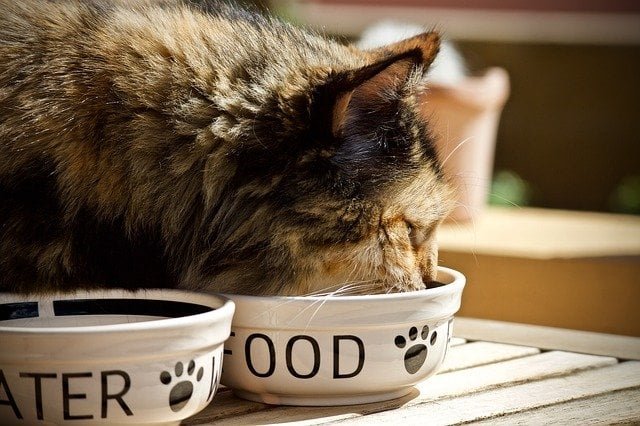
Have you ever wondered how many times a day your cat should eat? Knowing the right feeding schedule can make a big difference in your cat’s health and happiness.
Whether you have a playful kitten or a calm adult cat, understanding their eating habits helps you keep them energetic and content. You’ll discover the ideal feeding frequency for your furry friend and simple tips to make mealtime stress-free. Keep reading to learn how to give your cat the best care through proper feeding!

Credit: www.amazon.co.uk
Cat Feeding Frequency
Understanding how often cats should eat helps keep them healthy and happy. Cats have unique feeding needs based on age and lifestyle. Feeding frequency plays a key role in their digestion and energy levels. Knowing the right schedule supports their natural habits and overall well-being.
Natural Eating Patterns
Cats are natural hunters. They eat small meals throughout the day and night. Wild cats catch multiple small prey instead of one big meal. Domestic cats still follow this pattern. Feeding them several small portions mimics their natural behavior. This helps prevent overeating and keeps their metabolism steady.
Kittens Vs Adult Cats
Kittens need more frequent meals than adult cats. Their tiny stomachs cannot hold much food at once. Feeding kittens four to six times a day helps them grow strong. Adult cats usually eat two to three meals daily. Feeding adult cats smaller, regular meals supports their energy and weight control.
Senior Cat Feeding Needs
Older cats have different feeding requirements. Their digestion slows down and they may lose appetite. Feeding senior cats smaller meals more often can improve digestion. Watch for changes in their eating habits. Adjust feeding times and food types to keep them comfortable and healthy.

Credit: www.whiskas.co.uk
Meal Timing And Portions
Understanding the right meal timing and portion sizes for your cat can make a big difference in their health and happiness. Cats have unique eating habits that differ from humans, and paying attention to when and how much they eat helps prevent issues like obesity and digestive problems. Let’s break down how to plan your cat’s meals effectively to keep them satisfied and energetic throughout the day.
Recommended Meal Times
Cats naturally prefer to eat several small meals throughout the day rather than one or two large ones. Ideally, you should feed your cat at least two to three times a day. Many cat owners find that feeding once in the morning, once in the afternoon, and once in the evening works well with their pet’s natural rhythm.
Try to keep meal times consistent. Cats thrive on routine, and predictable feeding schedules help reduce stress and begging behavior. Do you notice your cat getting restless or vocal around certain times? That’s a good sign your schedule matches their internal clock.
Portion Size Guidelines
Portion control is crucial to avoid overfeeding. The amount your cat needs depends on their age, weight, and the type of food you provide. As a general rule, adult cats typically eat about 20 calories per pound of body weight per day.
| Cat Weight | Daily Calories | Approximate Dry Food Portion |
|---|---|---|
| 8 lbs | 160 calories | ¼ to ⅓ cup |
| 12 lbs | 240 calories | ½ cup |
| 16 lbs | 320 calories | ⅔ to ¾ cup |
Keep in mind that wet food has different calorie density, so adjust portions accordingly. Measuring food with a standard measuring cup or kitchen scale will make a difference in accuracy.
Adjusting Based On Activity Level
Is your cat an indoor couch potato, or does it sprint around chasing toys all day? Their activity level should influence how much food you give. More active cats burn more calories and may need slightly larger portions to maintain a healthy weight.
Older or less active cats often require fewer calories to avoid weight gain. Watch your cat’s body condition closely. If they start gaining weight, cut back the portions; if they seem too thin or constantly hungry, consider increasing them.
How often do you reassess your cat’s feeding plan? Adjustments based on activity and life stage can keep your cat healthy and happy over the years.
Types Of Cat Food
Cats have distinct preferences and nutritional needs that make the type of food you offer an important choice. Understanding the different types of cat food can help you decide how often to feed your feline friend and what will keep them healthy and happy. Each type of food comes with its own set of advantages and challenges, affecting digestion, hydration, and even your cat’s eating habits.
Wet Food Benefits
Wet cat food contains a high moisture content, which helps keep your cat hydrated, especially if they don’t drink enough water. It tends to be more palatable, encouraging picky eaters to consume their meals regularly.
Because of its softer texture, wet food is easier to chew, making it ideal for older cats or those with dental issues. Have you noticed your cat drinking less water when you switch to wet food? That’s a clear sign they’re getting extra hydration through their meals.
Dry Food Pros And Cons
Dry cat food is convenient and has a longer shelf life once opened. It’s also great for cats that like to graze throughout the day since it can be left out without spoiling quickly.
However, dry food contains less moisture, which means your cat needs to drink more water to stay hydrated. Some cats might also develop dental problems if dry food is their only diet, so regular vet check-ups are essential.
Think about your cat’s daily routine: do they prefer quick snacks or set meal times? This can guide your choice between dry and wet food.
Raw And Homemade Diets
Feeding raw or homemade meals gives you control over the ingredients and can be tailored to your cat’s specific health needs. Many cat owners report improved energy and shinier coats after switching to these diets.
But preparing raw or homemade food requires careful planning to ensure balanced nutrition and avoid harmful bacteria. Consulting a vet or pet nutritionist is crucial before making this switch.
Are you ready to commit time and effort to prepare meals, or do you prefer the ease of commercial food? Your lifestyle can influence what type of food fits best for your cat’s feeding schedule.
Signs Of Overfeeding And Underfeeding
Knowing the signs of overfeeding and underfeeding helps keep your cat healthy. Cats need balanced meals to maintain proper weight and energy. Feeding too much or too little can cause health problems and affect behavior. Watch your cat closely to spot these signs early. Understanding these clues allows better care and feeding routines.
Weight Monitoring Tips
Regularly check your cat’s weight using a simple scale. Track the weight over weeks to see changes. Sudden gain may mean overfeeding. Sudden loss can signal underfeeding or illness. Weigh at the same time and place for accuracy. Keep a weight journal to share with your vet.
Behavioral Indicators
Changes in behavior often show feeding issues. Overfed cats might become lazy or less active. They may beg for food even after eating. Underfed cats often seem restless or anxious. They may meow more and search for food. Watch how your cat acts around meal times.
Health Risks To Watch
- Overfeeding can cause obesity and diabetes.
- Underfeeding may lead to malnutrition and weak muscles.
- Both can affect the immune system and overall health.
- Digestive problems like vomiting or diarrhea can occur.
- Long-term issues may reduce your cat’s lifespan.
Special Feeding Considerations
Special feeding considerations help keep your cat healthy and happy. Cats have different needs based on age, health, and lifestyle. Adjusting feeding routines can improve their well-being and prevent problems. Understanding these special cases is key for proper care.
Cats With Medical Conditions
Cats with illnesses need specific diets and feeding schedules. Kidney disease, diabetes, and allergies require special foods. Your vet might suggest more frequent small meals. This helps control symptoms and keeps energy stable. Monitor your cat’s response and report any changes.
Pregnant And Nursing Cats
Pregnant and nursing cats need extra nutrition. They often eat more to support growth and milk production. Feed smaller meals more often to avoid stomach upset. Use high-quality, nutrient-rich food made for mothers. Keep fresh water available at all times.
Feeding Multiple Cats
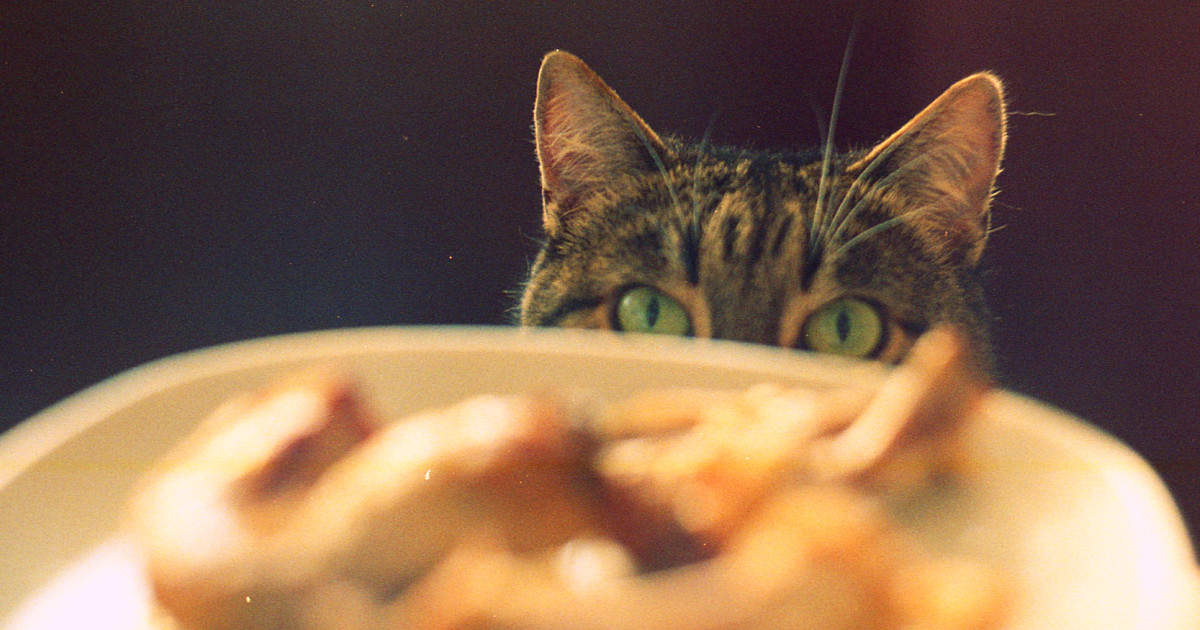
Feeding several cats can be tricky. Each cat may have different needs and eating habits. Provide separate bowls to avoid fights and stress. Observe who eats what and adjust portions accordingly. Maintain a calm environment during feeding times to reduce tension.
Credit: pethelpful.com
Tips For Successful Feeding
Feeding cats the right way helps keep them healthy and happy. Consistent feeding routines support their digestion and energy levels. Small changes can improve how your cat eats and feels.
Creating A Feeding Schedule
Set specific times for feeding your cat daily. Cats thrive on routine and feel secure with regular meals. Divide their daily food into two or three smaller portions. Use the same feeding spots each time. This helps your cat expect and enjoy mealtime.
Encouraging Healthy Eating Habits
Offer fresh water alongside each meal. Choose quality cat food suited to their age and health. Avoid giving too many treats or table scraps. Watch your cat while eating to ensure they eat calmly. Use slow feeder bowls if your cat eats too fast. Praise your cat gently after meals to build good habits.
When To Consult A Vet
Notice changes in appetite or eating patterns. Sudden refusal to eat can signal health issues. Weight loss or gain without cause needs a checkup. Vomiting or diarrhea after meals is a concern. Speak with a vet if your cat shows these signs. Early help prevents bigger problems later.
Frequently Asked Questions
How Often Should Adult Cats Eat Daily?
Adult cats typically eat two meals a day. This feeding schedule supports healthy digestion and maintains consistent energy levels throughout the day. Some cats prefer small, frequent meals, but twice daily feeding suits most adult cats best for balanced nutrition and weight control.
Can Kittens Eat More Times Than Adult Cats?
Yes, kittens need to eat more frequently than adults. They usually require four meals a day to support rapid growth and energy needs. Frequent feeding ensures kittens get enough nutrients for development and helps maintain stable blood sugar levels.
Is Free Feeding Cats A Good Idea?
Free feeding can lead to overeating and obesity in cats. Portion-controlled meals are better for managing weight and health. However, free feeding may work for cats with specific health needs or those monitored closely by their owners.
What Factors Influence How Often Cats Should Eat?
Age, activity level, and health affect a cat’s feeding frequency. Younger cats and active cats need more meals. Cats with health issues may require special feeding schedules. Always tailor feeding frequency to your cat’s individual needs and lifestyle.
Conclusion
Cats usually eat two to four small meals daily. This feeding routine helps keep them healthy and happy. Remember, each cat is different and may need more or less food. Watch your cat’s behavior and weight to adjust feeding times.
Fresh water should always be available. Feeding your cat right supports their energy and well-being. Keep meals consistent and observe any changes. Simple steps make a big difference in your cat’s health. Caring for your cat’s diet shows love and attention.
