

Have you ever noticed how your cat can twist and turn its ears in the most amazing ways? It’s not just a cute trick—there’s a fascinating reason behind it.
Your cat’s ears are packed with muscles that give them incredible control and sensitivity. But exactly how many muscles does your cat have in each ear? Understanding this can change the way you see your furry friend’s amazing hearing abilities.
Keep reading, and you’ll discover surprising facts about your cat’s ears that will make you appreciate their unique skills even more!
Credit: cheezburger.com
Cat Ear Anatomy
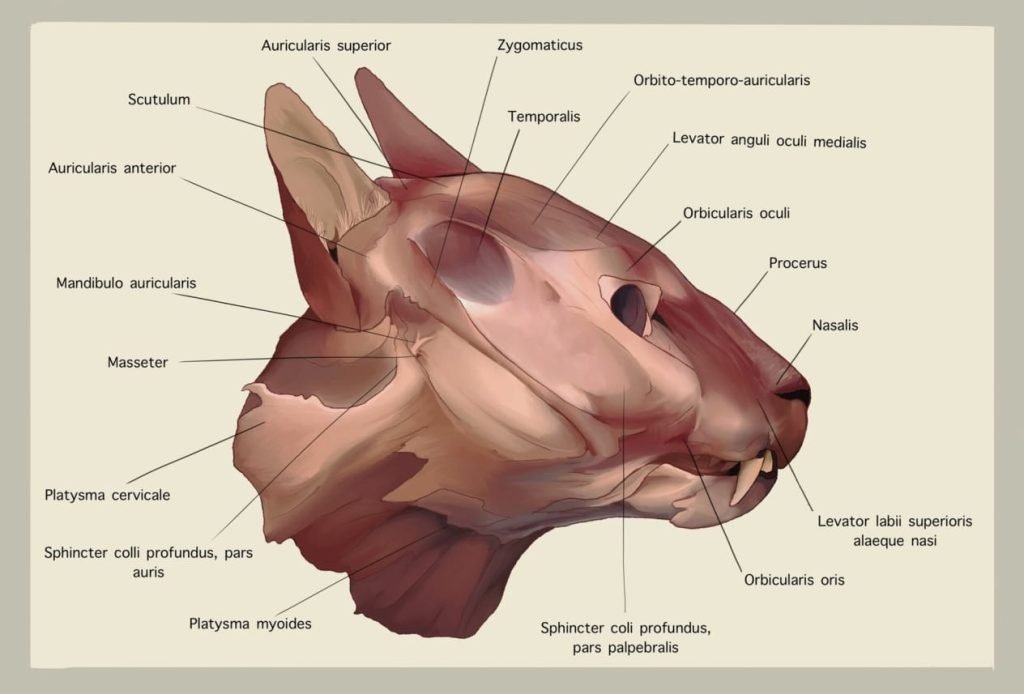
Cats have about 32 muscles in each ear. These muscles help them rotate and tilt their ears to catch sounds better. This strong control allows cats to hear very well and stay alert.
Cat ears are marvels of nature, full of intricate details. They have a unique structure that aids in their superb hearing abilities. Understanding cat ear anatomy helps in appreciating how these fascinating creatures interact with the world.Ear Structure Basics
A cat’s ear has three main parts: the outer, middle, and inner ear. The outer ear consists of the pinna and ear canal. The pinna is the visible part that captures sound waves. It is shaped to funnel sounds into the ear canal. This helps cats detect even faint noises. The middle ear contains the eardrum and tiny bones. These bones transmit sound vibrations to the inner ear. In the inner ear, the cochlea and vestibular system are present. The cochlea converts vibrations into nerve signals. The vestibular system helps with balance.Muscle Composition
Cats have over 30 muscles in each ear. These muscles allow them to rotate their ears 180 degrees. This flexibility helps in pinpointing sound sources. Cats can move their ears independently, aiding in sound direction detection. The muscles are small but powerful. They help cats react quickly to sounds. This ability is crucial for hunting and avoiding predators. Ear muscles also express emotions. Different ear positions indicate various moods. Understanding these cues can enhance human-cat communication.Number Of Muscles In Each Ear
Cats have a remarkable ability to move their ears independently. This skill helps them detect sounds from different directions. The number of muscles in each ear plays a key role in this movement. Understanding these muscles reveals how cats hear and respond to their environment.
Muscle Count Variations
Each cat ear contains about 32 muscles. These muscles allow precise ear rotation and tilt. Muscle size and strength can vary between cat breeds. Some cats have stronger ear muscles for sharper sound detection. These muscles work together to move the ear in many directions.
Comparison With Other Animals
Cats have more ear muscles than humans. Humans have only about six ear muscles. Dogs have a similar number to cats, roughly 18 muscles per ear. Horses have fewer muscles, around 10 per ear. More muscles mean better control and sharper hearing ability. Cats use their muscles to locate sounds quickly and accurately.
Functions Of Ear Muscles
The muscles in a cat’s ear play crucial roles beyond simple movement. These muscles give cats remarkable control and precision in how they use their ears, which is key to their survival and communication. Understanding these functions can deepen your appreciation of your cat’s behavior and sensory abilities.
Movement And Flexibility
Each ear of a cat contains about 32 muscles, allowing for an impressive range of motion. These muscles let cats rotate their ears almost 180 degrees independently, helping them pinpoint sounds with high accuracy.
Have you noticed how your cat can turn its ears toward a distant noise without moving its head? This flexibility is thanks to those ear muscles adjusting position instantly. Such movement helps cats stay alert to their environment and react quickly to potential threats or prey.
Hearing Enhancement
Besides movement, these muscles help optimize hearing by adjusting the shape and orientation of the ear canal. This adjustment enhances sound wave reception and filters out background noise, sharpening the cat’s hearing focus.
Imagine trying to listen to a faint sound in a noisy room. Your cat’s ear muscles work like tiny sound engineers, tuning in to important noises while ignoring distractions. This ability is vital for hunting and staying aware of their surroundings, especially in low-light conditions.
Muscle Control And Hearing
Cats have an impressive ability to control their ear muscles. This control plays a key role in their sharp hearing. Each ear contains about 32 muscles. These muscles allow cats to move their ears independently. This movement helps them detect sounds more effectively.
The muscle control gives cats the power to adjust their ears quickly. They can rotate, tilt, and swivel their ears to catch sounds from many directions. This ability improves their hearing accuracy and helps them react to the environment faster.
Directional Hearing
Cats use their ear muscles to point their ears toward sounds. This directional hearing helps them find the source of a noise. They can turn each ear up to 180 degrees.
By facing their ears toward a sound, cats capture more sound waves. This makes the sound clearer and louder. It also helps them focus on specific noises, even in noisy places.
Sound Localization
Sound localization means knowing exactly where a sound comes from. Cats do this by moving their ears to different positions. Their brain compares signals from both ears.
Small differences in sound timing and volume between the ears help cats pinpoint sound direction. This skill is vital for hunting and avoiding danger. Ear muscles make fast adjustments for better sound tracking.
Behavioral Implications
Cats have about 32 muscles in each ear. These muscles help cats move their ears independently. This ability affects how cats behave and interact with their surroundings. Understanding ear movements gives insight into cat communication and emotions.
Communication Through Ear Movement
Cats use their ears to send messages to others. Moving ears forward can show curiosity or interest. Ears turned sideways might mean caution or alertness. Flattened ears often signal fear or aggression. These ear signals help cats avoid fights and find friends. They also help cats understand what other animals feel or want.
Emotional Expression
Cats express feelings through ear positions. Relaxed ears mean the cat feels calm and safe. Quick ear twitches can show irritation or annoyance. Ears that swivel often indicate the cat is listening closely. Watching a cat’s ears helps owners know its mood. This helps improve care and build trust between cats and humans.

Credit: www.youtube.com
Interesting Cat Ear Facts
Cats have extraordinary ears that help them survive and communicate. Their ears are not just for hearing but also for expressing emotions and hunting. Understanding the muscles and functions of cat ears reveals fascinating facts.
Unique Adaptations
Each cat ear has 32 muscles. These muscles allow cats to rotate their ears up to 180 degrees. This wide rotation helps cats catch sounds from many directions.
Cats can move their ears independently. One ear may face forward while the other points backward. This ability helps cats detect prey and stay alert to dangers.
The shape of cat ears also helps with sound amplification. The funnel-like design captures faint noises. This gives cats an edge in low-light hunting.
Surprising Abilities
Cat ears can move quickly and quietly. Muscles adjust ear position in less than a second. This fast movement improves hearing accuracy.
Ears also show how cats feel. Forward ears mean curiosity or happiness. Flattened ears signal fear or anger.
Besides hearing, cat ears help with balance. The inner ear contains structures that assist in movement and coordination. This is why cats land on their feet after falling.

Credit: x.com
Frequently Asked Questions
How Many Muscles Control A Cat’s Ear Movement?
Cats have 32 muscles in each ear, allowing precise and independent movement. These muscles help cats detect sounds and express emotions effectively.
Why Do Cats Move Their Ears Independently?
Cats move their ears independently to pinpoint sound direction. This ability enhances their hunting skills and awareness of their environment.
How Do Ear Muscles Benefit A Cat’s Hearing?
Ear muscles enable cats to rotate and tilt their ears. This improves sound localization and helps them detect even faint noises.
Can Cat Ear Muscles Indicate Their Mood?
Yes, ear muscle movements reflect a cat’s mood. Forward-facing ears show curiosity, while flattened ears indicate fear or aggression.
Conclusion
Cats have 32 muscles in each ear. These muscles help them hear very well. Cats can move their ears in many directions. This helps them find sounds quickly. Their ears also show how they feel. Understanding cat ears helps us know them better.
Next time you see a cat’s ear move, you will know why. Their ear muscles are small but very strong. This makes cats great hunters and good listeners too.
