

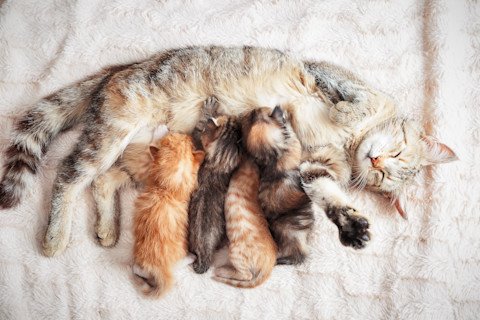
Have you ever wondered how many kittens a cat can have at once? If you’re curious about what to expect when a cat is about to give birth or just want to know more about these adorable bundles of fur, you’re in the right place.
Understanding the number of kittens a cat can have helps you prepare better, whether you’re a pet owner or simply fascinated by cats. Keep reading, and you’ll discover surprising facts that will change how you see a mother cat and her little ones.
Cat Reproduction Basics
Understanding cat reproduction basics helps answer how many kittens cats have. Female cats, called queens, can have multiple litters each year. Their bodies are designed to support several kittens at once. Knowing the timing and signs of pregnancy helps pet owners care for cats better.
Breeding Season Timing
Cats are seasonal breeders. Their breeding season usually starts in early spring. It lasts until late fall. During this time, queens go into heat frequently. This period is when they can get pregnant. Heat cycles happen every two to three weeks. Outside this season, cats rarely come into heat.
Signs Of A Pregnant Cat
Pregnant cats show clear signs after two to three weeks. Their nipples become pink and swollen. Appetite increases as the pregnancy progresses. The cat’s belly grows larger over time. She may rest more than usual. Some cats become more affectionate or withdrawn. Watching for these signs helps identify pregnancy early.
Credit: www.discovermagazine.com
Average Litter Size
Understanding the average litter size of cats can help you prepare for the arrival of kittens and provide the best care possible. Most cats give birth to multiple kittens at once, but the number can vary widely. Knowing what to expect can reduce surprises and help you plan accordingly.
Factors Influencing Litter Size
Several factors affect how many kittens a cat will have. Age plays a big role—young cats often have smaller litters, while those in their prime tend to have more kittens. Nutrition and health status also impact litter size; a well-fed and healthy cat is more likely to have a larger litter.
Environmental stress can reduce the number of kittens born. If a cat feels unsafe or stressed, her body might limit the litter size to protect her wellbeing. Have you ever noticed how calm and secure environments help animals thrive? The same applies to your cat’s pregnancy.
Breed And Genetic Influence
Breed is another key factor determining litter size. Some breeds, like Siamese cats, commonly have larger litters, sometimes up to eight kittens. Others, like Persians, tend to have smaller litters, often three to four kittens.
Genetics also play a part. If a cat’s mother had large litters, it’s more likely her kittens will too. You can ask your vet about your cat’s breed background to get an idea of what to expect.
Surprising Litter Records
When you think about how many kittens a cat can have, the numbers might surprise you. Litter sizes vary widely, sometimes far beyond what you might expect. These surprising records highlight just how diverse cat pregnancies can be, offering fascinating insights into feline reproduction.
Largest Recorded Litters
Did you know some cats have given birth to more than a dozen kittens at once? The largest recorded litter in history had an astonishing 19 kittens. This rare event shows how a single cat can bring a whole crowd into the world in one go.
Most cats usually have between 3 to 6 kittens, so a litter this large is truly exceptional. Such big litters can be challenging for the mother to care for, but many manage surprisingly well. It makes you wonder about the energy and care those cats provide.
Smallest Recorded Litters
On the other end of the spectrum are the tiny litters, sometimes only one or two kittens. A single kitten birth might feel like a big responsibility for the mother. These small litters are less common but still perfectly normal.
Smaller litters can mean more focused care for each kitten, which might increase their chances of survival. Have you ever considered how litter size might affect the personality or health of the kittens? It’s a question worth exploring if you’re planning to welcome kittens into your home.

Credit: globalnews.ca
Kitten Development Stages
Understanding the kitten development stages helps you care better for these tiny creatures. Each stage brings new changes and challenges, both for the kittens and for you as their caretaker. Watching kittens grow is rewarding, but knowing what to expect can make the journey smoother.
Birth And Early Days
At birth, kittens are tiny and helpless. Their eyes and ears remain closed, and they rely entirely on their mother for warmth and nutrition.
During the first week, kittens spend most of their time sleeping and nursing. You might notice them twitching or making small noises, which is perfectly normal.
It’s crucial to keep their environment warm and clean since they cannot regulate their body temperature yet. Have you ever held a newborn kitten and felt how fragile they are? It’s a reminder of how delicate this phase is.
Growth And Milestones
Between two to four weeks, kittens open their eyes and begin to hear sounds. Their sense of curiosity kicks in, and they start exploring their surroundings.
- By three weeks, kittens attempt to stand and walk, although clumsily.
- At four weeks, they begin socializing with their littermates, learning essential skills.
- Between five to eight weeks, their teeth come in, and they transition from nursing to eating solid food.
Watching this progress can be exciting. Have you noticed how quickly kittens switch from wobbly steps to confident play? It shows how important these milestones are for their physical and social development.
Caring For A Litter
Caring for a litter of kittens is a rewarding yet demanding experience. Each tiny life depends on your attention, patience, and knowledge to grow healthy and confident. Understanding their needs early on sets the stage for a happy, well-adjusted cat in the future.
Nutrition And Health
Newborn kittens rely entirely on their mother’s milk for nutrition during the first few weeks. If the mother cat isn’t available, you’ll need to provide a kitten milk replacer—never cow’s milk, as it can upset their stomachs.
As kittens grow, they begin to nibble on wet kitten food around four weeks old. Keep their feeding area clean and fresh water available at all times. Monitor their weight daily; gaining steady weight means they are thriving.
Watch for signs of illness such as lethargy, diarrhea, or refusal to eat. Early veterinary visits can prevent many common kitten health problems. Have you ever noticed subtle changes in a kitten that signaled a health issue early?
Socialization And Training
Kittens learn social skills best between two to seven weeks old. This period is crucial for helping them get comfortable with humans, other pets, and different environments.
Gently handle each kitten daily, speaking softly to build trust. Introduce new sounds and sights gradually to prevent fearfulness later on.
Start litter training as soon as they begin exploring outside the nest. Place them in the litter box after meals and naps, rewarding successes with gentle praise. How can you create a calm and positive learning environment for your litter?
Common Myths
Many people have strong opinions about how many kittens a cat can have, but not all of these beliefs are accurate. These myths can lead to misunderstandings about cat care and breeding. Clearing up these common myths helps you better understand your feline friend’s needs and behavior.
Misconceptions About Litter Sizes
One common myth is that all cats have large litters, typically six to eight kittens. In reality, litter sizes vary widely depending on the cat’s breed, age, and health.
Smaller breeds often have fewer kittens, sometimes just two or three. Older cats might also have smaller litters compared to younger ones. Have you noticed your cat’s litter size differs from what you expected? This variation is perfectly normal.
Another misconception is that every pregnancy results in a full litter. Sometimes, fewer kittens survive to birth, or a cat may have smaller litters due to environmental stress or nutrition. Understanding these factors can help you provide better care if your cat is expecting.
True Or False: Cat Reproduction
- True:Cats can have multiple litters per year.
- False:Cats always have kittens in pairs.
- True:A cat’s reproductive cycle can affect litter size.
- False:The size of the litter depends solely on the father cat.
Many believe cats only mate once per cycle, but they can actually mate multiple times, which can influence litter size and the number of fathers involved. This might surprise you if you thought one father meant one litter.
Knowing the facts about cat reproduction helps you make smarter decisions about spaying, neutering, and managing your pet’s health. What’s the biggest myth you’ve heard about kittens? Think about how that belief shaped your understanding of cats.
Importance Of Spaying And Neutering
Spaying and neutering cats is a vital practice for every cat owner. It helps manage the number of kittens born and improves the health of cats. This simple procedure reduces unwanted litters and supports community efforts to care for stray animals. Understanding its importance encourages responsible pet ownership and protects feline well-being.
Controlling Feline Population
Uncontrolled cat populations lead to many homeless kittens. Spaying and neutering prevent cats from having too many litters. This helps lower the number of stray and abandoned cats. Fewer cats mean fewer problems for neighborhoods and animal shelters. It also reduces the need for euthanasia due to overcrowding.
Health Benefits For Cats
Spaying and neutering improve cats’ health significantly. Neutered males are less likely to roam and fight, reducing injuries. Spayed females avoid painful uterine infections and some cancers. The procedure also calms cats, making them less aggressive and stressed. Overall, it leads to longer and happier lives.
Credit: paradepets.com
Frequently Asked Questions
How Many Kittens Do Cats Usually Have?
Cats typically have between 3 to 5 kittens per litter. Some cats can have as few as one or as many as 8 kittens, depending on breed and health.
What Affects The Number Of Kittens In A Litter?
The number of kittens depends on the cat’s age, breed, health, and genetics. Nutrition and environment also play important roles in litter size.
How Often Do Cats Have Kittens In A Year?
Cats can have 2 to 3 litters annually, especially if they are not spayed. Each litter is usually spaced about 2 to 3 months apart.
Do Larger Cat Breeds Have Bigger Litters?
Yes, larger breeds like Maine Coons often have bigger litters. Their litters can contain 5 to 8 kittens more frequently than smaller breeds.
Conclusion
Cats usually have between three and five kittens at once. Some cats may have fewer or more, depending on their breed and health. Each kitten is small but grows quickly with care. Knowing the typical litter size helps you prepare for new kittens.
Every cat and litter is unique, bringing joy to their owners. Watching kittens grow is a special experience for many pet lovers. Caring for a cat and her kittens takes patience and love. This knowledge supports responsible pet care and happy homes.
