

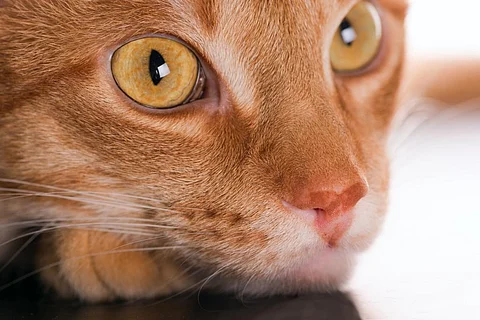
Have you ever looked closely at a cat’s eyes and wondered, “How many eyelids do cats have?” It’s a question that might surprise you because cats aren’t just like humans when it comes to their eyes. Understanding this little detail can change the way you see your furry friend forever.
If you want to know why cats have more eyelids than you think and what each one does, keep reading—your curiosity is about to be rewarded with some fascinating facts!

Credit: www.reddit.com
Cat Eyelid Basics
Understanding the intricate world of cat anatomy can be both fascinating and enlightening. One particular area that often piques curiosity is the unique structure of a cat’s eyelids. Have you ever wondered just how many eyelids your feline friend possesses and what roles they play in their everyday lives?
Number Of Eyelids
Cats have a total of three eyelids. Yes, you read that right! Besides the upper and lower eyelids that are visible in most animals, cats also have a third eyelid known as the nictitating membrane. This thin, translucent layer is tucked away in the inner corner of the eye and may occasionally appear when your cat is very relaxed or sleepy. It’s an evolutionary feature that serves as an extra layer of protection.
Eyelid Functions
Each eyelid has a distinct function that contributes to your cat’s eye health. The upper and lower eyelids work to protect the eye from dust and debris, much like they do in humans. The third eyelid, however, adds an additional safeguard by helping to moisten the eye and remove debris. It’s like having built-in windshield wipers!
Beyond protection, eyelids help in distributing tears evenly across the surface of the eye. This is crucial for maintaining eye moisture, especially when your cat is on the prowl or engaged in play. Have you noticed your cat’s eyes glistening with a hint of mystery? Thank their efficient eyelids for that radiant sparkle!
Ever caught your cat gazing intently out the window, eyes wide with curiosity? Their eyelids are at work even then, aiding focus and ensuring that every sight is as clear as possible. Isn’t it fascinating how something as simple as an eyelid can be so essential to a cat’s way of life?

Credit: www.purina.com
The Third Eyelid
Cats have a unique feature in their eyes called the third eyelid. This eyelid is different from the upper and lower lids. It plays a special role in protecting and cleaning the eye. The third eyelid is not always easy to see. It often stays hidden in the corner of the eye.
Also Called The Nictitating Membrane
The third eyelid is also known as the nictitating membrane. The word “nictitating” means blinking. This membrane works like a windshield wiper for the eye. It moves across the eye to keep it clean and moist. Many animals have this membrane, but cats use it very well.
Role In Eye Protection
This eyelid protects the eye from dust and injury. It covers the eye quickly if there is danger. It also helps to spread tears evenly. This keeps the eye wet and healthy. The third eyelid helps fight infections by blocking germs.
Visibility And Movement
The third eyelid is usually hidden. You can see it only when a cat is sleepy or sick. It moves sideways, not up and down like other eyelids. The movement is smooth and fast. This helps protect the eye without blocking the cat’s vision.
Eyelid Health In Cats
Cats have unique eyelids that play a vital role in their eye health. Their eyelids protect eyes from dirt, dust, and injury. Cats also have a third eyelid, called the nictitating membrane, which adds extra protection and moisture. Keeping a cat’s eyelids healthy helps maintain clear vision and comfort.
Common Eyelid Issues
- Conjunctivitis: Inflammation causing redness and swelling.
- Entropion: Eyelid rolls inward, irritating the eye.
- Ectropion: Eyelid droops outward, exposing the eye.
- Infections: Bacterial or viral infections can affect eyelids.
- Injuries: Scratches or cuts may cause swelling and pain.
Signs Of Eyelid Problems
- Red or swollen eyelids
- Excessive blinking or squinting
- Discharge or crust around the eyes
- Cloudy or watery eyes
- Visible third eyelid covering the eye
- Behavior changes like rubbing the face
When To See A Vet
Visit a vet if your cat shows any signs of eyelid problems. Early treatment can prevent serious issues. Sudden eye swelling, persistent discharge, or changes in vision need prompt care. Regular check-ups help catch eyelid problems early. Protect your cat’s eyes for a happier, healthier life.
Credit: www.allivet.com
Unique Cat Eye Features
Cats have some of the most fascinating eyes in the animal kingdom. Their eyes are not just beautiful but are built for incredible functionality. Understanding the unique features of cat eyes can help you appreciate how they see the world differently from us.
Pupil Shape And Function
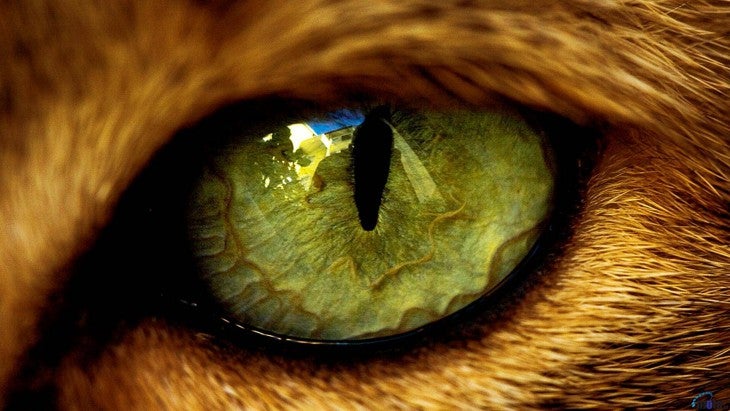
Cat pupils are vertical slits, unlike the round pupils in humans. This shape allows cats to control the amount of light entering their eyes with great precision. When it’s bright, the slit narrows dramatically to protect their sensitive eyes, and in low light, it opens wide to let in as much light as possible.
You might wonder why this vertical shape is so important. It actually helps cats judge distances better when they hunt, giving them an edge in stalking prey. Have you noticed your cat’s pupils dilate when playing or hunting? That’s their eyes adapting to focus sharply on movement.
Night Vision Adaptations
Cats are famous for their night vision, and their eyes hold the secret. Behind their retinas, they have a reflective layer called the tapetum lucidum. This layer bounces light back through the retina, giving their eyes a second chance to catch light and improving vision in dim environments.
This adaptation means cats can see in light levels six times lower than what a human needs. So, next time you see your cat navigating in near-darkness, remember it’s their unique eye structure doing the work. Isn’t it amazing how nature equips cats for nocturnal adventures?
Eye Color Variations
Cat eyes come in a rainbow of colors, from bright green to deep amber and even blue. The color depends on the amount of pigment in the iris and can sometimes hint at a cat’s breed or genetics. For instance, Siamese cats often have striking blue eyes due to a lack of pigment.
Did you know some cats can have two different colored eyes? This condition, called heterochromia, is more common in certain breeds and makes each cat uniquely beautiful. What eye color does your cat have, and does it change under different lighting?
Caring For Your Cat’s Eyes
Taking care of your cat’s eyes is more important than many pet owners realize. Cats have unique eye structures, including a third eyelid that plays a crucial role in protecting their vision. Keeping their eyes clean and healthy not only helps prevent infections but also ensures your feline friend stays curious and comfortable.
Cleaning And Maintenance
Regularly checking your cat’s eyes can help you spot issues early. Use a soft, damp cloth to gently wipe away any discharge or debris from the corners of their eyes.
Avoid using harsh chemicals or soaps, as these can irritate their sensitive eyes. If you notice persistent redness or excessive tearing, it’s time to consult your vet.
Preventing Eye Injuries
Curiosity often leads cats into tight spots where eye injuries can occur. Keep sharp objects, toxic plants, and small particles away from your cat’s play and rest areas.
Consider trimming long nails regularly to reduce the chance of accidental scratches near the eyes. Have you ever seen your cat blink rapidly or paw at their face? These signs often point to irritation or injury that shouldn’t be ignored.
Diet And Eye Health
Good nutrition supports your cat’s overall health, including their eyes. Foods rich in antioxidants, vitamins A and E, and omega-3 fatty acids help maintain clear vision and reduce inflammation.
If your cat is a picky eater, try mixing in supplements recommended by your vet. A healthy diet can be a simple but powerful way to protect your cat’s eyesight for years to come.
Frequently Asked Questions
How Many Eyelids Do Cats Have?
Cats have three eyelids per eye. The upper and lower eyelids are visible. The third eyelid, called the nictitating membrane, is hidden and helps protect and moisten the eye.
What Is The Third Eyelid In Cats?
The third eyelid, or nictitating membrane, is a translucent layer. It provides extra protection, keeps the eye moist, and helps clear debris without fully closing the eye.
Why Do Cats’ Third Eyelids Show Sometimes?
Cats’ third eyelids show when they’re tired or unwell. It can indicate illness, injury, or eye irritation. If visible often, consult a vet for a check-up.
Do All Cats Have Three Eyelids?
Yes, all domestic cats have three eyelids. This feature is common in many animals and helps protect their eyes from harm and dryness.
Conclusion
Cats have three eyelids, not just two like humans. The third eyelid helps protect their eyes and keep them moist. It also shows when a cat is sick or tired. Knowing this helps you understand your cat better. Watch your cat’s eyes for signs of health.
Healthy eyes mean a happy cat. Simple facts like these make pet care easier. Keep an eye on your furry friend’s eyelids often. Small details can tell big stories.
