


If you have a cat, you want to keep it healthy and happy. One important way to do that is by deworming your cat.
But how many doses of dewormer does your cat actually need? It’s a question many cat owners wonder about. Giving too little might not get rid of all the worms, while too much could cause problems. You’ll discover the right approach to deworming your cat safely and effectively.
Keep reading to find out exactly what you need to know to protect your furry friend.

Credit: toltrazurilshop.com
Understanding Dewormers For Cats
Dewormers help keep cats healthy by removing harmful parasites. These medicines target worms living inside a cat’s body. Knowing how dewormers work helps you care better for your pet. Each type fights specific parasites and works differently. Proper use ensures your cat stays free from worms and feels good.
Types Of Dewormers
Dewormers come in many forms. Common types include:
- Oral tablets or liquids, easy to give with food.
- Topical treatments, applied on the skin.
- Injectable forms, given by a vet.
Each type targets different worms. Some kill roundworms, others tapeworms. Your vet can recommend the best dewormer for your cat.
Common Parasites In Cats
Several parasites infect cats often:
- Roundworms:Live in the intestines and can cause vomiting.
- Tapeworms:Flat worms often spread by fleas.
- Hookworms:Attach to the intestine wall and suck blood.
- Whipworms:Cause diarrhea and weight loss.
Identifying the parasite helps choose the right dewormer. Regular check-ups can catch infections early.

Credit: kamapet.com
Determining The Right Dewormer Dosage
Determining the right dewormer dosage for your cat is crucial to effectively eliminate parasites while ensuring safety. Giving too little might not clear the worms, while too much can harm your furry friend. Understanding the factors that influence dosage helps you make informed decisions and protect your cat’s health.
Factors Influencing Dosage
Different types of worms require different medications and dosages. The kind of dewormer prescribed depends on the parasite identified by your vet. Some common worms include roundworms, tapeworms, and hookworms, each needing specific treatments.
Besides the type of worm, the severity of the infestation plays a role. A heavy worm load might require multiple doses or a stronger formula. Always follow your vet’s instructions carefully to avoid under or overdosing.
Age And Weight Considerations
Your cat’s age and weight significantly impact the correct dose of dewormer. Kittens, for example, need smaller doses compared to adult cats because their bodies are still developing.
Weighing your cat accurately is essential before administering any medication. Many dewormers provide dosage guidelines based on weight ranges. If your cat’s weight falls between two ranges, consult your vet to decide on the safest dose.
Have you ever wondered why a one-size-fits-all approach doesn’t work with pet medications? Tailoring the dose to your cat’s specific needs ensures effectiveness and reduces risks.
Frequency Of Deworming Treatments
Knowing how often to deworm your cat helps keep it healthy. Parasites can return quickly, so timing is key. Regular treatments stop worms from causing harm. The schedule depends on age, lifestyle, and risk factors. A clear plan ensures your cat stays safe.
Initial Treatment Schedule
Start deworming kittens at 2 weeks old. Repeat doses every 2 weeks until 8 weeks old. After 8 weeks, give another dose at 12 weeks. This routine removes most common worms early. For adult cats, a single dose may be enough if no infection is present. However, some vets recommend two doses spaced 2 weeks apart. This ensures all worms are eliminated.
Maintenance Dosing Intervals
For adult cats, regular deworming depends on lifestyle. Indoor cats may need treatment every 3 to 6 months. Outdoor cats or hunters need more frequent doses. Many vets suggest deworming every 3 months for active cats. Pregnant or nursing cats should also follow a strict schedule. This keeps kittens protected from parasites passed from the mother.
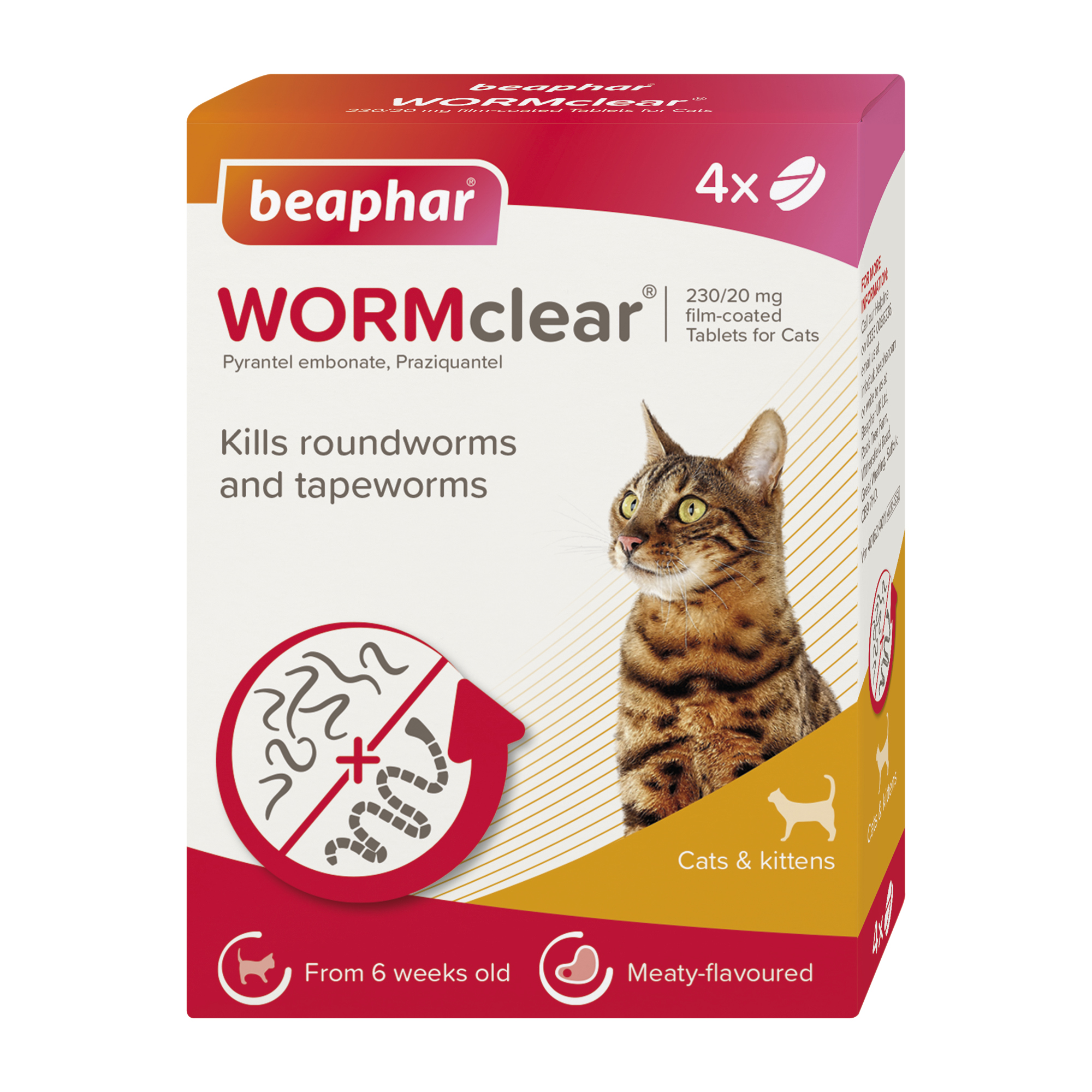
Credit: www.beaphar.co.uk
Signs Your Cat Needs Deworming
Cats with worms often show clear signs. Knowing these signs helps protect your cat’s health. Deworming treats these parasites before they cause harm. Watch your cat closely for any changes. Early detection makes treatment easier and more effective.
Visible Symptoms
- Swollen belly or bloating
- Weight loss despite eating well
- Vomiting or diarrhea
- Worms in stool or around the anus
- Dull or rough coat
- Excessive scratching near the tail
Behavioral Changes
- Increased irritability or restlessness
- Less active or playful than usual
- Loss of appetite
- Sleeping more than usual
- Hiding or avoiding interaction
Safety Tips For Administering Dewormers
Administering dewormers to cats requires careful attention to ensure safety. Proper use helps protect your cat’s health and avoids risks. Follow clear safety tips to make the process smooth and effective.
Avoiding Overdose
Giving too much dewormer can harm your cat. Always follow the dosage instructions on the package or as advised by a vet. Never guess the dose based on your cat’s size alone. Use a proper measuring tool to give the exact amount. Keep dewormer products out of reach of pets and children. If you miss a dose, do not double the next one. Contact your vet for guidance instead.
Handling Side Effects
Some cats may show mild side effects after deworming. Watch for vomiting, diarrhea, or loss of appetite. These symptoms usually pass within a day or two. If your cat seems very weak or has trouble breathing, seek veterinary help immediately. Keep fresh water available to prevent dehydration. Record any unusual reactions and share them with your vet during follow-up visits.
Consulting With A Veterinarian
Consulting with a veterinarian is key for your cat’s health. Deworming needs vary based on age, weight, and lifestyle. A vet can provide guidance on the right number of doses. This ensures safe and effective treatment. It reduces risks of underdosing or overdosing your cat.
Importance Of Professional Advice
Veterinarians have expert knowledge about parasites and treatments. They know the best dewormer types and doses for your cat. They can spot hidden health issues that affect treatment. Following their advice protects your cat from side effects. It also improves recovery and prevents future infections.
Questions To Ask Your Vet
- How many doses does my cat need?
- What type of dewormer is best for my cat?
- How often should I repeat the treatment?
- Are there any side effects I should watch for?
- Can my cat’s diet affect the deworming process?
- Should I bring my cat back for a follow-up check?
Frequently Asked Questions
How Many Dewormer Doses Does A Cat Usually Need?
Most cats need two dewormer doses, spaced two to three weeks apart. This helps eliminate all worm stages effectively.
When Should I Give My Cat The Second Dewormer Dose?
The second dose is usually given 2-3 weeks after the first to kill any newly hatched worms.
Can A Kitten Need More Dewormer Doses Than An Adult Cat?
Yes, kittens often require more frequent deworming due to higher parasite risk and immature immunity.
How Often Should Adult Cats Be Dewormed?
Adult cats should be dewormed every 3 to 6 months, depending on their lifestyle and vet advice.
Conclusion
Cats need the right number of dewormer doses to stay healthy. Usually, a vet recommends one or two doses, depending on the cat’s age and risk. Follow the vet’s advice and schedule to keep worms away. Regular checks help catch infections early.
Healthy cats feel better and live longer. Keep your cat safe with proper care and timely deworming. Simple steps make a big difference. Remember, a happy cat is a healthy cat.
