

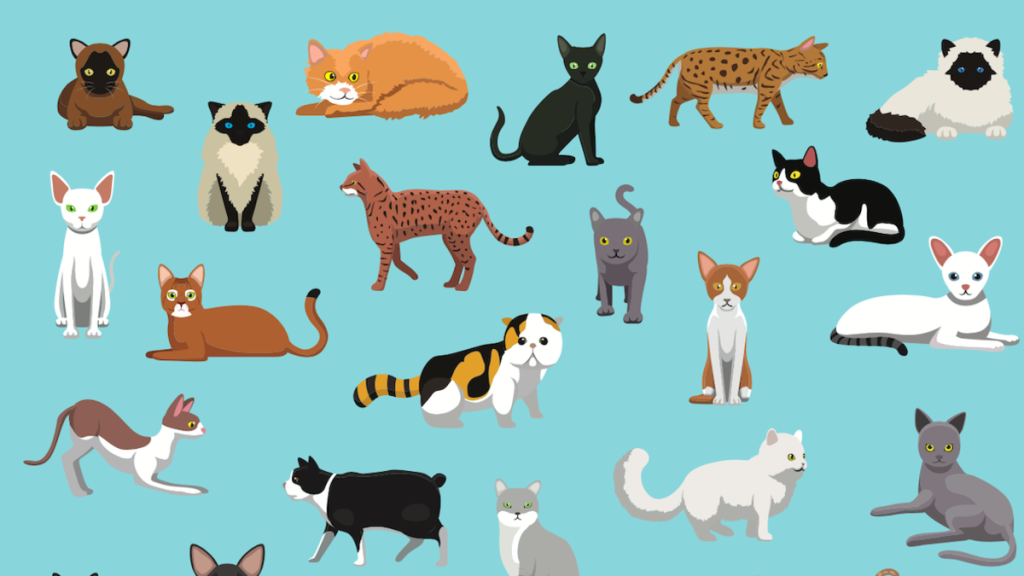
Are you a cat lover curious about the diversity of feline friends out there? Have you ever wondered just how many different cat breeds exist?
You’re not alone! Many cat enthusiasts find themselves captivated by the unique characteristics and personalities of various breeds. We’ll explore the fascinating world of cat breeds, uncovering the multitude of options you have when choosing your perfect feline companion. Get ready to discover the incredible variety and charm that each breed brings to the table.
Whether you’re a seasoned cat owner or considering adopting your first kitty, this is the must-read guide to satisfy your curiosity and help you make an informed choice. Stay with us to learn more!

Credit: www.threads.com
Global Cat Breed Count
The number of cat breeds worldwide is more than just a statistic—it’s a reflection of diverse cultures, climates, and human preferences. You might be surprised to learn how many officially recognized breeds exist and how different organizations count them. This variety offers a fascinating glimpse into the world of feline companionship.
Official Breed Recognition By Major Cat Associations
Different cat associations recognize different numbers of breeds. For instance:
- The Cat Fanciers’ Association (CFA)acknowledges around 44 breeds.
- The International Cat Association (TICA)accepts about 73 breeds.
- The Fédération Internationale Féline (FIFe)lists nearly 48 breeds.
This variation happens because each group has unique standards and criteria for recognizing breeds.
Why Breed Counts Vary So Much
You might wonder why the numbers are so different across organizations. Some breeds are new and still gaining acceptance, while others are regional and not officially recognized everywhere.
Also, some cat types are considered separate breeds by one association but categorized as variations within a breed by another. This makes counting tricky and sometimes confusing.
Hidden Gems: Rare And Emerging Breeds
Many lesser-known breeds don’t appear on the main lists but add to the global count. Breeds like the Kurilian Bobtail or the Sokoke have smaller populations but passionate followings.
Have you ever come across a cat breed you didn’t know existed? These rare breeds might surprise you and show how vast the feline family really is.
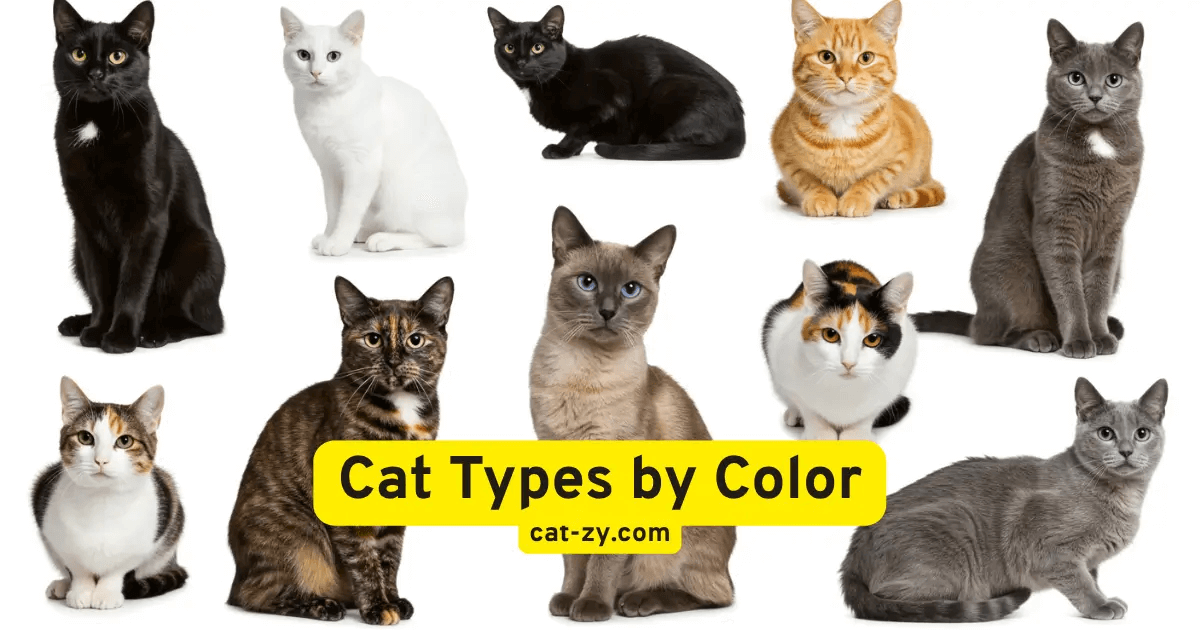
Credit: medium.com
Major Cat Breed Organizations
Understanding the variety of cat breeds starts with knowing the key organizations that define and recognize them. These groups set the standards and rules that help keep breed characteristics consistent worldwide. If you’re curious about how many cat breeds exist, these organizations are your best reference points.
International Cat Associations
Several major international cat associations play a critical role in recognizing and categorizing cat breeds. The Cat Fanciers’ Association (CFA)is one of the largest and most influential, known for its strict breed standards and extensive registry.
Another important group is the International Cat Association (TICA), which promotes a broader variety of breeds, including some newer and experimental ones. Then there’s the Governing Council of the Cat Fancy (GCCF)based in the UK, which has a long history and a strong influence on breed recognition in Europe.
Each organization has its own list of recognized breeds, which means the total number of breeds can vary depending on which association you consult. Have you ever wondered why some breeds appear in one registry but not another?
Breed Recognition Criteria
Cat associations don’t recognize breeds randomly. They follow strict criteria to decide whether a breed qualifies for official status. These criteria often include a breed’s history, physical characteristics, and genetic stability.
For example, a breed must have a consistent look and behavior across multiple generations. Associations also require a documented breeding history that proves the breed’s uniqueness and stability.
Some breeds start as experimental or new breeds and only gain recognition after years of breeding and evaluation. This process ensures you get a reliable and predictable pet when choosing a recognized breed. What qualities would matter most to you when picking a breed defined by these standards?
Popular Cat Breeds Worldwide
Cat breeds captivate people worldwide because each breed offers unique traits and personalities. Understanding popular cat breeds can help you find the perfect feline companion. Whether you want a playful indoor buddy or a quiet lap cat, knowing the most loved breeds makes your choice easier.
Top Domestic Breeds
Some cat breeds have become household favorites due to their friendly nature and adaptability. The Domestic Shorthairis one of the most common cats you’ll find in homes, known for its diverse looks and easygoing temperament.
The Siamesestands out with striking blue eyes and a talkative personality. Their vocal nature makes them perfect for owners who love interactive pets.
Another favorite is the Maine Coon, famous for its large size and gentle character. Their thick fur suits colder climates, and they often act like loyal dogs, following you around the house.
- Domestic Shorthair: adaptable and low maintenance
- Siamese: vocal and social
- Maine Coon: large, gentle, and dog-like
- Persian: calm with luxurious long fur
- Bengal: energetic with leopard-like spots
Rare And Exotic Breeds
Some cat breeds are rare, either due to their unique genetics or limited breeding. The Sphynxis instantly recognizable for its hairless body and warm skin. Despite its unusual look, it craves human attention and is very affectionate.
If you want a cat that looks like it came from another planet, the Scottish Foldwith its folded ears offers an uncommon and adorable appearance. Their calm demeanor makes them great companions in quiet homes.
The Serengeticat, bred to resemble wild cats, is exotic with long legs and large ears. They are active hunters and need plenty of playtime to stay happy.
- Sphynx: hairless and affectionate
- Scottish Fold: unique folded ears and calm
- Serengeti: wild look with energetic behavior
- Turkish Van: loves water and has distinct markings
- Kurilian Bobtail: short tail and strong hunter
Have you noticed how some breeds fit certain lifestyles better? Your choice depends on your daily routine and what traits you value most in a cat. Which breed’s personality matches your home vibe?
Breed Classification Types
Cat breeds are often grouped by specific traits that help identify their unique qualities. Breed classification types simplify the vast variety of cats into understandable categories. These classifications focus on physical features and colors, which are easy to spot and compare. Understanding these types helps cat lovers and breeders recognize and appreciate each breed better.
Longhair Vs Shorthair
Cats mainly fall into two groups based on their fur length: longhair and shorthair. Longhair cats have thick, flowing coats that require regular grooming. These coats help them stay warm in cold climates. Shorthair cats have shorter, smoother fur that is easier to care for. Their coats are often shiny and sleek, making them popular pets for busy owners.
Both coat types offer different looks and care needs. Longhair breeds include the Persian and Maine Coon. Shorthair breeds include the Siamese and British Shorthair. This simple classification helps pet owners choose a cat that fits their lifestyle.
Color And Pattern Variations
Color and pattern variations add another layer to breed classification. Cats come in many colors like black, white, gray, and orange. Patterns include solid, tabby, spotted, and patched. These patterns are often linked to specific breeds but can appear in mixed breeds too.
- Solid:One uniform color across the body.
- Tabby:Stripes, swirls, or spots on the fur.
- Spotted:Distinct spots like a leopard.
- Patched:Patches of two or more colors.
Recognizing these variations helps in identifying and appreciating the diversity of cat breeds worldwide.
Factors Influencing Breed Numbers
The number of recognized cat breeds isn’t fixed. Various factors shape how many breeds exist at any given time. Understanding these factors helps you see why breed counts differ between cat registries and change over time.
Genetic Diversity
Genetic diversity plays a big role in defining cat breeds. Breeds with unique genetic traits stand out and are often officially recognized. However, if two breeds share many genes, they might be merged or considered variations of one breed.
Your own experience with cats might show you how some cats look similar but behave differently. This subtle genetic variety can influence which cats get classified as separate breeds. Genetic testing now helps breeders and registries decide when differences are significant enough to name a new breed.
Crossbreeding Trends
Crossbreeding affects breed numbers by creating new mixes and sometimes new breeds. Breeders intentionally cross different breeds to combine desirable traits. Some crossbreeds gain popularity and eventually get recognized as distinct breeds.
Think about how the Bengal cat emerged from crossing domestic cats with Asian leopard cats. This shows how human choices shape breed diversity. Are you curious about how the cats you know might evolve through future crossbreeding?
How New Breeds Emerge
Understanding how new cat breeds emerge gives you a fascinating peek into the world of feline genetics and human influence. New breeds often come from a mix of natural events and deliberate choices made by breeders. This process shows you how diversity in cats grows over time, shaping the variety you see today.
Selective Breeding
Selective breeding is a hands-on way to create new cat breeds. Breeders choose cats with specific traits they want to highlight, such as coat color, pattern, or personality. By mating these cats over generations, those traits become more pronounced and consistent.
Think about the Siamese cat’s striking blue eyes and sleek body. These features were emphasized by breeders selecting cats with those qualities. This careful selection is like crafting a living work of art, where each generation moves closer to a clear goal.
Have you ever wondered how much patience and observation this takes? Breeders watch for subtle differences and keep detailed records to guide their decisions. Your understanding of this process can help you appreciate the time and effort behind every breed’s unique look.
Natural Mutations
Sometimes, new breeds start without human intervention. Natural mutations cause sudden changes in a cat’s genes, leading to new traits. If these traits prove beneficial or attractive, they might spread in the population over time.
Take the example of the Scottish Fold. Its distinctive folded ears appeared due to a genetic mutation. What began as a random change became a defining feature of the breed once breeders recognized its uniqueness.
These mutations remind you that nature itself plays a big role in diversity. When you see a cat with unusual features, it might be the result of a rare, natural genetic twist. Could your own pet have hidden traits waiting to surprise you?
Controversies In Breed Recognition
Breed recognition in cats often sparks debate. Different cat organizations have varying rules. These differences create confusion about how many breeds truly exist.
Some breeds are accepted by one group but not by another. This causes disagreements among breeders, judges, and cat lovers. Understanding these controversies helps clarify the complex world of cat breeds.
Disputed Breeds
Several cat breeds face disputes over their legitimacy. Some breeds are newly created and lack wide acceptance. Others may be crossbreeds still waiting for official status.
For example, the Toyger is recognized by some clubs but not all. The Serengeti cat is another breed with mixed recognition. These disputes affect breeding programs and cat shows.
Breed Standard Disagreements
Breed standards describe a cat’s ideal look and personality. Different organizations often have their own standards. This leads to conflicts about what a breed should look like.
Take the Scottish Fold, for instance. Some groups accept its folded ears, while others do not. These disagreements influence which cats can compete in shows.
Breed standard disagreements also impact breeders. They must decide which guidelines to follow. This sometimes causes tension within the cat breeding community.
Choosing A Cat Breed
Choosing a cat breed is more than just picking a pretty face. Your choice affects daily life, your home environment, and even your long-term happiness with your feline friend. Understanding the different traits and needs of breeds helps you find a cat that fits your personality and lifestyle perfectly.
Temperament And Lifestyle
Your daily routine and living space shape what cat breed suits you best. Some cats crave constant attention and interaction, while others enjoy quiet independence. For example, Siamese cats are known for their vocal and social nature, often following you around the house.
If you work long hours or have a busy household, a more independent breed like the British Shorthair might be a better match. Think about how much time you can dedicate to play, grooming, and companionship. Are you ready for a cat that demands active engagement, or would a laid-back companion fit better?
Health Considerations
Different breeds come with different health risks. Persian cats, for example, often face respiratory problems due to their flat faces. Knowing these potential issues can prepare you for future vet visits and care routines.
Consider your budget and ability to handle medical needs. Some breeds require more frequent check-ups or special diets. A healthy cat means fewer surprises and more quality time together. Have you checked the common health concerns of your favorite breeds?
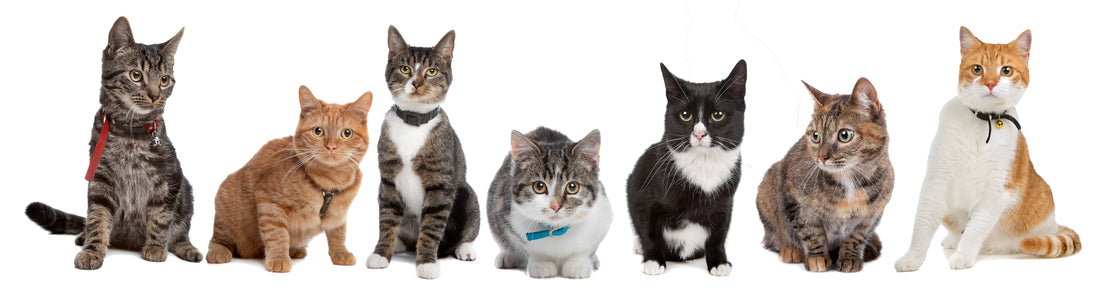
Credit: meowfia.us
Frequently Asked Questions
How Many Recognized Cat Breeds Exist Worldwide?
There are around 70 to 75 officially recognized cat breeds worldwide. Different cat associations may list varying numbers. The International Cat Association (TICA) recognizes 73 breeds. The Cat Fanciers’ Association (CFA) lists 44 breeds. Breed count depends on recognition criteria and new breed developments.
Which Cat Breed Is The Most Popular Globally?
The most popular cat breed globally is the Domestic Shorthair. It is not a specific breed but a mixed breed category. Among purebreds, the Persian and Siamese cats are highly popular. Popularity depends on regions and cultural preferences.
How Do Cat Breeds Differ From Each Other?
Cat breeds differ in size, fur length, color patterns, and personality traits. Some breeds have unique physical features like folded ears or hairlessness. Behavior, grooming needs, and activity levels also vary. Breeders select traits to establish distinct breed standards.
Can New Cat Breeds Still Be Created?
Yes, new cat breeds can be created through selective breeding. Breeders combine traits from existing breeds to form new ones. It requires several generations and official recognition by cat associations. New breeds reflect changing preferences and genetic discoveries.
Conclusion
Cats come in many shapes, sizes, and colors. There are over 70 recognized cat breeds worldwide. Each breed has unique traits and personalities. Knowing about these breeds helps you appreciate cats more. Whether fluffy or sleek, cats bring joy to many homes.
Exploring cat breeds can be fun and interesting. Every cat is special in its own way. Remember, love and care matter most, no matter the breed.
