

Have you ever wondered how long your cat can go without eating? It’s a question every pet owner should know the answer to because your cat’s health could depend on it.
Cats are known for their independence, but when they stop eating, it can signal serious problems. Understanding how many days your cat can safely go without food can help you act fast and protect your furry friend. Keep reading to learn crucial facts that could make all the difference for your cat’s well-being.

Credit: www.scribd.com
Cat’s Survival Without Food
Cats are known for their resilience, but food is essential for their health. Understanding how long a cat can survive without food helps owners act fast. A cat’s body can only last so long without nutrients before serious harm occurs.
Several factors influence a cat’s survival time without eating. Recognizing starvation signs is crucial to prevent lasting damage or death.
Typical Duration Cats Can Last
Most cats can survive without food for about one to two weeks. Survival depends on water availability and the cat’s health. Without water, survival drops to just a few days. After a few days of no food, cats start using fat and muscle for energy. Prolonged fasting leads to organ failure and death.
Factors Affecting Survival Time
- Age:Young and old cats have less endurance.
- Health:Sick or weak cats survive less time.
- Hydration:Water is vital; dehydration worsens survival chances.
- Body Fat:Fat stores provide energy during fasting.
- Stress:Stress can reduce appetite and weaken the cat.
Signs Of Starvation In Cats
- Weight loss and muscle wasting
- Lethargy and weakness
- Sunken eyes and dry mouth
- Loss of appetite
- Vomiting or diarrhea
- Behavior changes like hiding or irritability
Impact Of Water On Cat Survival
Water plays a crucial role in your cat’s survival, often more than food itself. Understanding how hydration affects your cat can help you recognize emergencies early and take swift action. Many pet owners underestimate how quickly dehydration can become life-threatening.
Survival Without Water Vs Food
Cats can survive longer without food than without water. Typically, a healthy cat might last around one to two weeks without eating, but only about three to four days without water.
This stark difference happens because water is essential for almost every bodily function, including regulating temperature and flushing out toxins. Without water, organs start to fail rapidly, even if your cat has food available.
Have you noticed how a cat suddenly becomes lethargic or stops grooming? These can be early signs of dehydration, which demands immediate attention.
Importance Of Hydration
Keeping your cat hydrated is not just about filling their water bowl daily. Cats often don’t drink enough because they evolved from desert animals, relying on moisture in their prey.
Adding wet food to their diet can significantly increase their water intake. You can also encourage drinking by placing multiple water bowls around your home or using pet fountains to attract their interest.
- Check water bowls frequently to ensure freshness.
- Offer ice cubes as a playful way to increase water intake.
- Observe your cat’s drinking habits to catch any changes early.
Consider this: if your cat suddenly refuses water, how quickly can you respond? Hydration is not just about survival but also about maintaining your cat’s overall health and energy. Your proactive care can make the difference between a quick recovery and a veterinary emergency.
Health Risks Of Prolonged Fasting
Prolonged fasting in cats can lead to serious health risks. Cats need regular food intake to maintain energy and body functions. Going without food for days strains their body and can cause lasting damage. Understanding these health risks helps in caring for cats better and avoiding emergencies.
Physical Consequences
When cats do not eat, their bodies start using fat for energy. This can cause a dangerous condition called hepatic lipidosis, or fatty liver disease. Cats become weak, lose weight quickly, and may show signs of dehydration. Their immune systems weaken, making them vulnerable to infections.
Potential Organ Damage
Prolonged fasting can harm vital organs like the liver and kidneys. The liver struggles to process fat, which builds up and causes damage. Kidneys may fail due to dehydration and lack of nutrients. Organ damage can be permanent and life-threatening without prompt treatment.
Behavioral Changes
Hunger affects a cat’s mood and behavior. Cats may become restless, irritable, or lethargic. They might hide more or lose interest in activities they usually enjoy. Stress from hunger can lead to anxiety and worsen their overall health.

Credit: www.purina.com
When To Seek Veterinary Help
Knowing when to seek veterinary help is crucial if a cat stops eating. Cats can survive only a few days without food before serious health issues start. Early action can save your cat’s life. Watch your cat closely for signs of trouble. Don’t wait too long to get professional care.
Critical Warning Signs
- Refusing food for more than 24 hours
- Extreme weakness or lethargy
- Repeated vomiting or diarrhea
- Rapid weight loss
- Difficulty breathing or persistent coughing
- Yellowing of the eyes or gums (jaundice)
- Signs of pain or distress
Emergency Care Tips
- Keep your cat warm and quiet
- Offer small amounts of water regularly
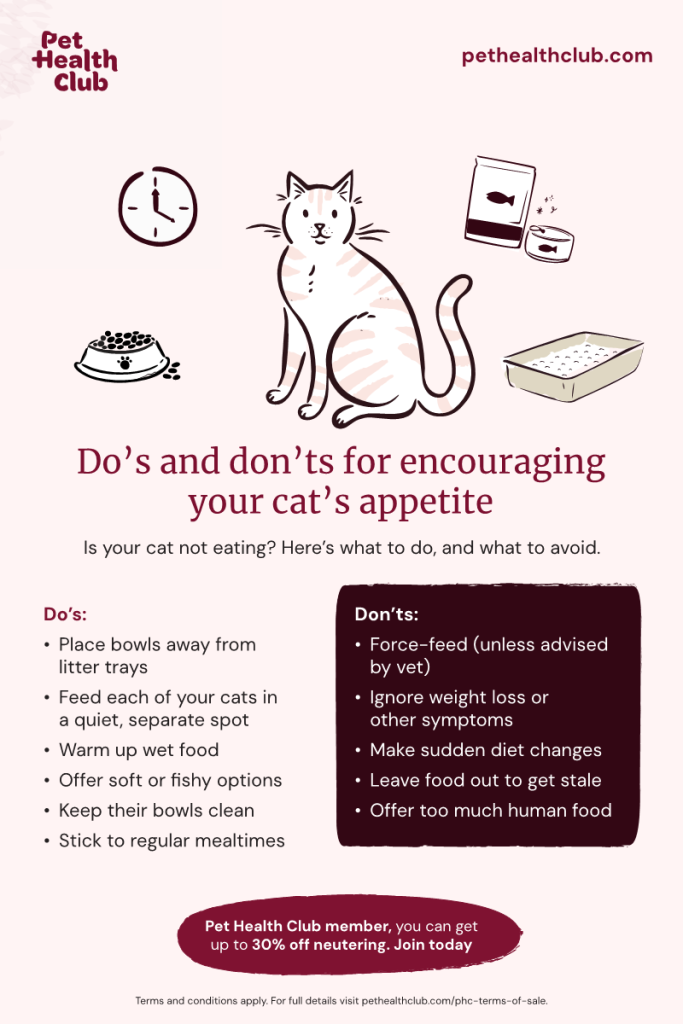
- Do not force-feed without vet advice
- Note any changes in behavior or symptoms
- Contact a veterinarian immediately
- Prepare to provide your cat’s medical history
Preventing Food Deprivation
Preventing food deprivation is key to keeping your cat healthy and happy. Cats can survive a few days without food, but going hungry for too long can lead to serious health problems. You can avoid this by paying close attention to their feeding habits and making sure they always have access to food.
Feeding Schedule Tips
Set a regular feeding schedule that fits your cat’s routine. Most adult cats do well with two meals a day, once in the morning and once in the evening.
Consistency helps your cat feel secure and encourages healthy eating habits. If your cat suddenly refuses food at a scheduled time, it might be a sign of illness—don’t ignore it.
Dealing With Picky Eaters
Some cats can be very selective about their food. You can try warming their meals slightly to enhance the aroma and make it more appealing.
Offering a variety of textures and flavors can also help. Have you noticed your cat prefers pate over chunks or wet food over dry? Use this insight to keep them interested in eating.
Ensuring Access During Absences
Leaving your cat without food during your absence can cause stress and health risks. Use automatic feeders or ask a trusted friend to check in and refill their bowl.
Make sure fresh water is always available too. Have you prepared a backup plan for unexpected delays? This small step can prevent food deprivation when you’re away.
Myths About Cats And Fasting
Cats fasting is a topic wrapped in many myths that can mislead pet owners. Understanding what is true and what is not is crucial for your cat’s health. Let’s clear up some common misunderstandings about how long cats can go without food and what fasting really means for them.
Common Misconceptions
Many people think cats can safely fast for several days without any problems. This belief can be dangerous because cats have very specific dietary needs. Unlike some animals, cats are obligate carnivores, which means they must eat meat regularly to stay healthy.
Another myth is that cats can simply “skip a meal” without it affecting their health. In reality, even a short period without food can cause serious complications, especially in cats with underlying health issues.
- Some believe fasting helps detoxify a cat’s body.
- Others think cats naturally fast and it’s perfectly safe.
- There’s a misconception that cats lose weight quickly and safely by not eating.
Scientific Facts Vs Myths
Scientifically, cats cannot fast for more than 24-48 hours without risking serious health problems. Their metabolism is designed to burn protein and fat constantly, so lack of food quickly leads to a dangerous condition called hepatic lipidosis (fatty liver disease).
Veterinarians warn that even a short fast can trigger this condition, which is life-threatening if not treated promptly. Cats also don’t store carbohydrates well, so going without food causes rapid energy depletion.
Ask yourself: Would you put your cat through a fast just to see what happens? Probably not, because you know their well-being depends on regular feeding. If your cat stops eating, it’s a sign to act quickly and consult a vet, not a reason to wait and see.

Credit: www.purina.com
Frequently Asked Questions
How Long Can Cats Survive Without Food?
Cats can typically survive 1 to 2 weeks without food. However, their health declines rapidly after 3 days without eating, making immediate care essential.
What Happens If A Cat Stops Eating Suddenly?
If a cat stops eating suddenly, it risks liver damage and severe dehydration. Prompt veterinary attention is crucial to prevent serious health issues.
Can Cats Go Without Water Longer Than Food?
No, cats cannot survive longer without water than food. They usually survive only 3 to 4 days without water before severe complications occur.
How To Tell If A Cat Is Not Eating Enough?
Signs include weight loss, lethargy, vomiting, and changes in behavior. Monitoring these symptoms helps detect if a cat is not eating sufficiently.
Conclusion
Cats need regular meals for good health. They can survive a few days without food. But it’s risky. Always ensure your cat eats daily. Watch for signs of hunger or sickness. Regular check-ups help prevent issues. Offer fresh food and water.
Keep their diet balanced. Consult a vet if your cat skips meals. Prompt action is vital for their well-being. Love and care keep them thriving. Prioritize their nutrition. Your cat depends on you. Happy and healthy cats mean a happy home.
Remember, their health is in your hands.
