

Have you ever wondered how long your cat can go without food? It’s a question that worries many cat owners, especially when your furry friend suddenly stops eating.
Knowing the answer could be crucial for your cat’s health and well-being. You’ll discover exactly how many days a cat can safely go without food, what signs to watch for, and what steps you should take if your cat refuses to eat.
Keep reading to learn how to protect your beloved pet and act quickly when it matters most.

Credit: www.scribd.com
Cat’s Food Needs
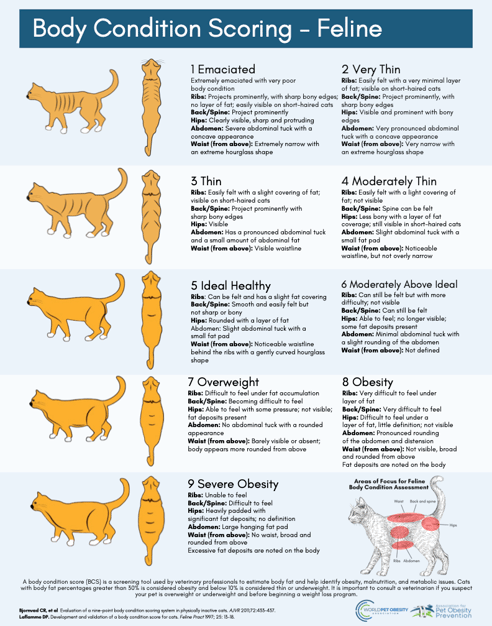
Understanding your cat’s food needs is essential to keep them healthy and happy. Cats require a balanced intake of calories and nutrients every day to maintain their energy and bodily functions. Skipping meals or prolonged fasting can lead to serious health problems, so knowing what your cat needs helps you prevent those risks.
Daily Caloric Requirements
Most cats need around 20 calories per pound of body weight each day. For example, a 10-pound cat typically requires about 200 calories daily to stay active and healthy.
Keep in mind that this number can vary. Some cats are more active and may burn more calories, while others are less active and need fewer calories.
Impact Of Age And Health
As cats grow older, their metabolism slows down, so their calorie needs usually decrease. Senior cats often require fewer calories but more protein to maintain muscle mass.
Health conditions also change dietary needs. Cats with illnesses such as diabetes or kidney disease often need special diets, so consulting your vet is crucial.
Feeding Patterns
Cats naturally prefer small, frequent meals throughout the day. Feeding your cat multiple times daily mimics their hunting habits and helps keep their energy steady.
Some cats do well with free-feeding, while others need scheduled meals to avoid overeating. Watching your cat’s behavior and weight can help you decide the best routine.
Have you noticed how your cat’s appetite changes? Paying attention to these signs can help you adjust their feeding schedule and avoid problems.
Survival Without Food
Cats are strong animals but they cannot survive long without food. Their bodies need energy to work properly. When a cat stops eating, its health quickly declines. Understanding how long cats can last without food helps owners act fast.
Typical Duration Cats Can Last
Most cats can survive without food for about one to two weeks. Some may last longer, up to three weeks, but this is very risky. The exact time depends on the cat’s health, age, and weight. Younger and healthier cats may last a bit longer than sick or old cats. Starvation causes organs to fail slowly.
Differences Between Food And Water Deprivation
Cats can live longer without food than without water. Water is essential for every body function. Without water, a cat may only survive three to four days. Without food, survival time can stretch to weeks. Lack of water causes dehydration fast. It also leads to kidney failure and death quicker than lack of food.
Signs Of Starvation
- Weight loss and muscle weakness
- Lethargy and low energy
- Sunken eyes and dry mouth
- Loss of fur shine and skin elasticity
- Vomiting or diarrhea
- Increased breathing rate
These signs show the cat needs help immediately. Early action can save a cat’s life.
Health Risks Of Fasting
Fasting can harm a cat’s health quickly. Cats need regular food for energy and body functions. Skipping meals can cause serious problems. Knowing these risks helps protect your cat’s well-being.
Liver Complications
Cats are prone to liver problems from fasting. Without food, their body uses fat for energy. This fat can build up in the liver. It causes a condition called hepatic lipidosis. This disease can lead to liver failure. Early signs include vomiting and weakness. Immediate vet care is needed to save the cat.
Dehydration Effects
Food provides moisture, so fasting often means less water intake. Dehydration sets in quickly and harms organs. Dry mouth, sunken eyes, and lethargy are common signs. Without fluids, kidney function drops. This can cause serious health issues fast. Always ensure your cat drinks enough water.
Immune System Impact
Fasting weakens a cat’s immune system. Lack of nutrients reduces the body’s defense. Cats become more prone to infections and illnesses. Healing and recovery slow down. Regular feeding supports strong immunity and health. Avoid long fasting periods to keep your cat safe.
Credit: www.preventivevet.com
When To Seek Help
Knowing when to seek help for your cat’s lack of appetite is crucial. Cats can go without food for a few days, but beyond that, their health can decline rapidly. Being alert to warning signs and acting quickly can make a significant difference in your cat’s recovery.
Recognizing Emergency Symptoms
Watch closely for these urgent signs that require immediate attention:
- Continuous vomiting or diarrhea:This can lead to dangerous dehydration.
- Extreme lethargy or weakness:If your cat won’t respond to stimuli or move, it’s a red flag.
- Yellowing of the skin or eyes:Known as jaundice, this may indicate liver problems.
- Refusal to eat for more than 48 hours:This is especially concerning for cats with pre-existing health issues.
If you notice any of these, don’t wait. Cats’ bodies can deteriorate quickly without food.
Veterinary Intervention Steps
Once you decide to seek help, your veterinarian will take several steps to diagnose and treat your cat:
- Physical examination:Checking vital signs and overall condition.
- Blood tests:To identify infections, organ function, or metabolic issues.
- Imaging:X-rays or ultrasounds may be needed to find blockages or internal problems.
- Fluid therapy:To rehydrate and restore electrolyte balance.
- Assisted feeding:In severe cases, a feeding tube might be necessary.
Understanding what happens at the vet can ease your anxiety and help you prepare for the next steps.
Preventive Care Tips
Preventing your cat from reaching this critical point starts with daily care. Here’s what you can do:
- Provide fresh water and balanced meals consistently.
- Monitor your cat’s eating habits and note any sudden changes.
- Keep your cat’s environment stress-free and safe.
- Schedule regular veterinary check-ups to catch issues early.
- Introduce new foods gradually to avoid digestive upset.
Have you ever noticed subtle changes in your cat’s behavior before a health issue appeared? Sometimes, early signs are easy to miss but crucial to catch.
Supporting A Cat That Won’t Eat
Watching your cat refuse food can be deeply worrying. Cats can survive only a few days without eating, but the risks increase sharply if they don’t get nutrients soon. Supporting a cat that won’t eat requires patience and careful steps to encourage their appetite and ensure their health doesn’t decline.
Encouraging Appetite
Start by offering your cat small, frequent meals instead of large portions. Warming the food slightly can make it more appealing by enhancing the smell, which cats rely on to decide if they want to eat.
Try different textures and flavors. Sometimes, switching from dry kibble to wet food can reignite interest. Does your cat prefer chicken over fish? Experiment gently to find what tempts them.
Spend quiet, calm time near your cat during feeding to create a relaxed environment. Stress can suppress appetite, so reducing noise and distractions helps. Have you noticed if your cat eats better when you’re nearby?
Safe Home Remedies
If your cat still won’t eat, you can try adding a small amount of low-sodium chicken broth to their food. This can stimulate their appetite without adding harmful ingredients.
Another option is offering a teaspoon of canned tuna juice or a bit of plain cooked chicken. Avoid onions, garlic, or any seasoning, as these are toxic to cats.
Be cautious with over-the-counter remedies. Always consult your vet before giving supplements or appetite stimulants to avoid unintended harm.
Special Diet Considerations
Some cats need special diets due to health issues like kidney disease or allergies. If your cat refuses their usual food, check if a formula designed for their condition might be more palatable.
Prescription diets often contain added nutrients and are created to be tastier for cats with reduced appetites. Discuss with your vet about trialing these options.
Have you ever tried rotating flavors within a special diet to keep your cat interested? Sometimes variety within safe limits can help maintain their nutrition.

Credit: www.purina.com
Frequently Asked Questions
How Long Can A Cat Survive Without Eating?
A cat can typically survive 3 to 5 days without food. However, lack of food causes rapid health decline. Immediate veterinary attention is crucial if your cat refuses to eat longer than 24 hours.
What Happens If A Cat Stops Eating For Days?
When a cat stops eating, it risks liver damage and dehydration. Prolonged fasting weakens the immune system. Early intervention helps prevent serious health issues and improves recovery chances.
Can A Cat Drink Water Without Food For Days?
Yes, cats can drink water without food for several days. Staying hydrated is vital during fasting. Lack of food stresses the body, so water intake helps maintain essential functions.
When Should I Take My Cat To The Vet For Not Eating?
If your cat hasn’t eaten for over 24 hours, consult a vet. Persistent refusal to eat signals potential illness. Early diagnosis ensures better treatment outcomes and prevents complications.
Conclusion
Cats cannot survive long without food. Usually, they last about three to four days. After that, their health starts to fail quickly. Always watch your cat’s eating habits closely. Missing meals for more than a day needs attention. Take your cat to the vet if it stops eating.
Early care can prevent serious problems. Feeding your cat regularly keeps it strong and happy. Remember, food is vital for a cat’s life and health. Don’t wait to act if your cat refuses to eat.
