

Have you ever stopped to count how many claws your cat has? It might seem like a simple question, but the answer can surprise you.
Understanding your cat’s claws is more than just curiosity—it can help you care for your furry friend better. Whether you’re worried about scratching or just fascinated by your cat’s unique traits, knowing the details about their claws gives you a deeper connection.
Keep reading, and you’ll discover facts that might change how you see your pet forever.

Credit: www.whiskas.com.ph
Anatomy Of A Cat’s Paw
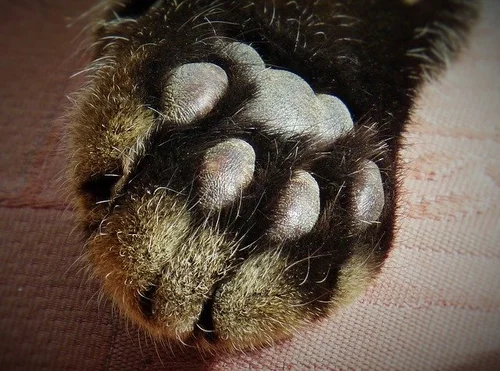
The anatomy of a cat’s paw is more fascinating than you might expect. It’s a perfect blend of strength and sensitivity, designed to help cats move silently, climb, and catch their prey. Understanding the structure helps you appreciate how your feline friend uses its paws in everyday life.
Structure Of The Cat’s Paw
A cat’s paw consists of soft pads and sharp claws. The pads provide cushioning and traction, making your cat’s steps almost soundless. Each paw has multiple toes, with one special toe called the dewclaw positioned higher up on the leg.
Number And Placement Of Claws
Most cats have five claws on their front paws and four on their back paws. The extra claw on the front, the dewclaw, doesn’t usually touch the ground but plays an important role in gripping. Have you ever noticed your cat catching toys with just its front paws? That’s the dewclaw in action.
How Claws Grow And Function
Cat claws are made of keratin, the same material as human nails, and grow continuously. Cats regularly sharpen their claws by scratching, which removes the old outer layer. This natural process keeps claws sharp and ready for climbing or defense.
Paw Pads And Sensory Role
Besides cushioning, the paw pads are packed with nerve endings. These help cats sense temperature, texture, and vibrations. Next time your cat steps lightly on your lap, think about how much information it’s gathering from that touch.

Credit: cats.fandom.com
Front Paw Claws
Your cat’s front paws are fascinating tools designed for precision and power. These paws come equipped with claws that serve many purposes beyond just scratching surfaces. Understanding these front paw claws can give you insight into your cat’s behavior and needs.
Claw Count
Most cats have five claws on each front paw. This includes four main claws and one extra claw known as the dewclaw. The dewclaw sits higher on the paw and doesn’t usually touch the ground.
That extra claw acts like a thumb, helping cats grab and hold onto objects. Have you ever noticed your cat gripping a toy tightly? That’s the dewclaw in action, providing better control and balance.
Function And Use
Front paw claws are vital for hunting, climbing, and self-defense. Cats use them to catch prey, climb trees, and protect themselves from threats. These claws also help with balance when jumping or running.
Regular scratching isn’t just a habit; it sharpens these claws and keeps them healthy. When your cat scratches furniture, it’s maintaining the strength and sharpness of its front claws. How often do you check your cat’s claws for signs of wear or damage?
Hind Paw Claws
The claws on a cat’s hind paws play a different role compared to those on the front paws. They may not be as visible or as sharp, but they are essential for your cat’s balance and movement. Understanding the number and function of these claws gives you a clearer picture of how cats navigate their world.
Claw Count
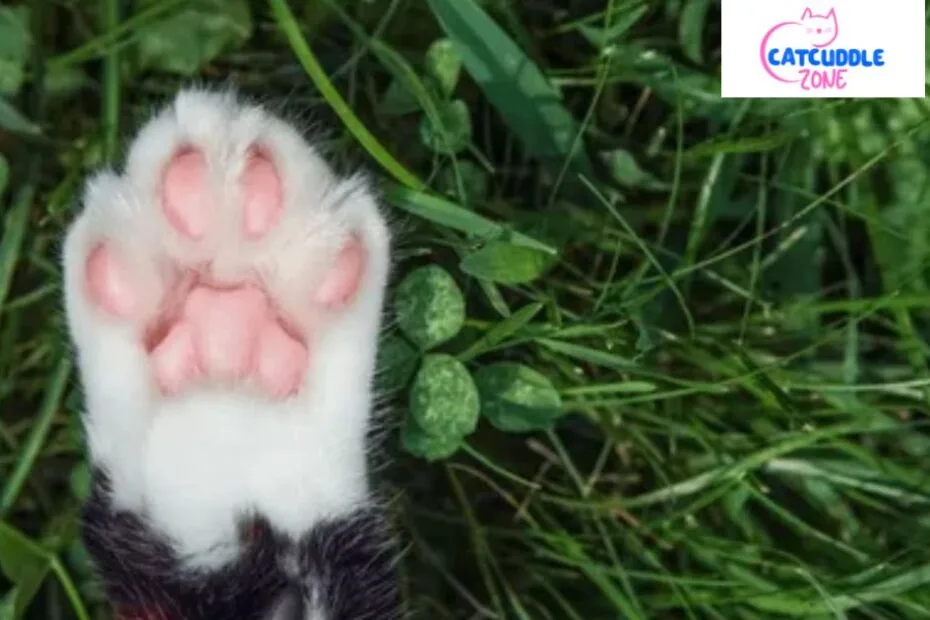
Your cat’s hind paws typically have four claws each. Unlike the front paws, they usually don’t have a dewclaw, which is the extra claw found higher up on the front leg. This means if you count the claws on both hind paws, you should see a total of eight claws.
Have you ever noticed your cat’s back paws gripping tightly when they climb or jump? That’s those four claws at work, providing just the right amount of traction.
Function And Role
The hind paw claws primarily help with stability and propulsion. When your cat runs or jumps, these claws dig into surfaces to push off and maintain balance. They act more like anchors than weapons.
Think about watching a cat sprint across a slippery floor. Without those hind claws, your feline friend would struggle to gain traction and might slip. These claws support quick movements and sudden changes in direction.
Next time you see your cat leaping or climbing, look closely at their hind paws. You’ll notice how essential those claws are for smooth, agile motion.
Credit: catcuddlezone.com
Polydactyl Cats
Polydactyl cats are unique felines with extra toes on their paws. This trait makes them stand out from typical cats. Many people find these cats fascinating because of their unusual paws. The extra toes can give them better balance and climbing skills. Polydactylism is a genetic condition that some cat breeds inherit naturally. These cats may have six or more toes on each paw instead of the usual five or four.
What Are Polydactyl Cats?
Polydactyl cats have more toes than normal cats. Normally, cats have five toes on their front paws and four on their back paws. Polydactyl cats can have six, seven, or even eight toes on one paw. This condition is caused by a genetic mutation. It does not harm the cat or cause pain. Extra toes can appear on any paw but often appear on the front paws. These cats are sometimes called “Hemingway cats” because the author Ernest Hemingway loved them.
Famous Polydactyl Cats
One of the most famous polydactyl cats lived with Ernest Hemingway in Key West, Florida. Hemingway’s cat had six toes on each paw. The writer’s love for these cats led to a colony of polydactyl cats living at his home. Another well-known polydactyl cat was a ship’s cat named “Unsinkable Sam.” He survived three shipwrecks during World War II. Sam had extra toes that helped him grip and climb better. These cats are often seen as lucky or special because of their unique paws.
Claw Care And Maintenance
Caring for your cat’s claws keeps them healthy and safe. Regular maintenance prevents pain and damage. Cats use claws for many activities. Keeping claws trimmed helps avoid scratches on furniture and skin. Proper care also supports your cat’s comfort and movement. Understanding how to maintain claws is essential for every cat owner.
Trimming Tips
Use a sharp, clean nail clipper designed for pets. Hold your cat’s paw gently but firmly. Trim just the sharp tip of each claw. Avoid cutting the pink part called the quick. The quick contains nerves and blood vessels. Cutting the quick causes pain and bleeding. Trim claws every two to three weeks for best results.
Preventing Overgrowth
Overgrown claws can curl and grow into the paw pads. This causes pain and infection. Provide scratching posts to help cats shed old claw layers. Regular play and exercise encourage natural claw wear. Check claws often for signs of overgrowth. If you notice curling or difficulty walking, trim claws promptly or consult a vet.
Claws And Cat Behavior
Cat claws play a big role in their daily actions and habits. These sharp tools help cats explore, protect, and express themselves. Understanding how claws influence cat behavior gives insight into their nature and needs.
Scratching Behavior
Scratching is a natural act for cats. It keeps their claws sharp and healthy. Scratching also helps remove old claw layers. Cats use this behavior to stretch their muscles. They often scratch on furniture or trees. This action marks their territory with scent glands in their paws.
Communication Through Claws
Claws help cats send messages to others. A cat may show claws to warn or defend itself. Gentle claw touches can be signs of affection. During play, cats use claws carefully to avoid harm. Claws also help cats climb and catch prey, showing their hunting skills.
Evolutionary Purpose Of Claws
Cats’ claws have evolved over millions of years to serve many important roles. These sharp tools help cats survive and thrive in the wild. Each claw has a specific purpose that supports their daily activities and instincts.
Claws are not just for scratching furniture or play. They are essential for hunting, climbing, and self-defense. Understanding their evolutionary purpose explains why cats have the number and shape of claws they do.
Hunting And Catching Prey
Claws help cats catch and hold onto prey. Sharp claws grip tightly, preventing prey from escaping. They also help cats deliver a quick, precise strike.
Without claws, cats would struggle to catch food. Their hunting success depends on these strong, retractable tools.
Climbing And Mobility
Claws provide traction when climbing trees or rough surfaces. This allows cats to escape predators or reach safe resting spots.
The retractable nature of claws keeps them sharp for climbing. Cats can quickly extend or pull back their claws as needed.
Marking Territory
Scratching leaves visible marks and scent from glands in their paws. This signals other cats to stay away.
Claws are vital for this behavior. They help cats communicate without direct confrontation.
Self-defense
Sharp claws protect cats from threats and predators. They serve as weapons in fights or when escaping danger.
The number and sharpness of claws give cats an advantage in protecting themselves.
Frequently Asked Questions
How Many Claws Does A Cat Have On Front Paws?
Cats typically have five claws on each front paw. This includes four main claws and one dewclaw, which is set higher on the paw. The dewclaw helps cats grasp and hold prey, providing better climbing and hunting abilities.
Do Cats Have Claws On Their Back Paws?
Yes, cats usually have four claws on each back paw. Unlike the front paws, back paws lack a dewclaw. These claws help cats with balance and traction while running or climbing, contributing to their agility.
Why Do Cats Have Dewclaws On Front Paws?
Dewclaws are extra claws on the inside of a cat’s front paws. They help cats grip and hold objects. Dewclaws also assist in climbing and catching prey, enhancing a cat’s natural hunting skills.
Can Cats Retract All Their Claws?
Cats can retract most of their claws, except for the dewclaws. Retractable claws stay sharp by avoiding contact with the ground. This ability helps cats move silently and improve their hunting efficiency.
Conclusion
Cats usually have 18 claws. Each front paw has five claws. Each back paw has four claws. These claws help them climb, hunt, and protect themselves. Knowing this helps you understand your cat better. Claws are part of what makes cats special.
Take care of your cat’s claws by trimming them safely. This keeps your cat happy and healthy. Now you know how many claws cats have. Simple, yet interesting facts about our furry friends.
