

Have you ever wondered what makes your cat so unique at a genetic level? Understanding how many chromosomes cats have can reveal fascinating secrets about their traits, behavior, and health.
Whether you’re a cat lover, a curious pet owner, or just someone who enjoys learning new things, this simple fact about feline biology can change how you see your furry friend. Keep reading to discover the surprising details behind your cat’s chromosomes and why they matter to you.
Cat Chromosome Basics
Understanding the genetic makeup of cats can be as fascinating as watching them chase a laser pointer. At the core of their biology lies the blueprint of life: chromosomes. These microscopic structures hold the key to everything from a cat’s eye color to its playful nature. Let’s dive into the basics of cat chromosomes and discover what makes these felines so unique.
Number Of Cat Chromosomes
Have you ever wondered just how many chromosomes your cat carries? Cats possess a total of 38 chromosomes. These are organized into 19 pairs, with one set inherited from each parent. This number is consistent across domestic cats, making them a species with a well-mapped genetic pattern.
In comparison, humans have 46 chromosomes, while dogs have 78. This difference in chromosome numbers highlights the unique genetic blueprint of every species, including our feline friends. Next time your cat curls up on your lap, you might think about the 38 chromosomes that make them the purring companion you adore.
Chromosome Structure In Cats
Chromosomes are more than just a number; they have a complex structure that plays a crucial role in the life of a cat. Each chromosome is made up of DNA tightly coiled around proteins called histones. This structure allows the DNA to fit inside the cell nucleus while still being accessible for gene expression.
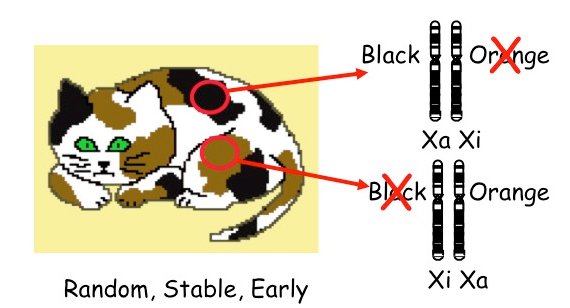
In cats, as in other animals, these structures are responsible for everything from coat patterns to behavioral traits. For example, the iconic tabby stripes are a result of specific genes located on these chromosomes. Isn’t it fascinating how these tiny structures can define so much of what we love about cats?
Have you ever noticed how your cat’s behavior mirrors that of its parents? That’s the work of chromosomes in action, passing down genes that influence everything from curiosity to agility. Understanding these basics allows us to appreciate the intricate science behind the cats we cherish.
Credit: www.kinship.com
Genetic Makeup And Traits
Cats have a fascinating genetic makeup that shapes their unique traits. Their chromosomes carry genes responsible for appearance, behavior, and health. Understanding these genes helps explain why cats look and act differently.
Each cat inherits a mix of genes from its parents. These genes control features like fur color, eye shape, and size. The genetic combination makes every cat one of a kind.
Genes Influencing Cat Appearance
Several key genes affect how a cat looks. These genes determine:
- Fur color and pattern
- Eye color
- Fur length and texture
- Body size and shape
For example, the gene for tabby patterns creates stripes or spots. A different gene controls whether a cat has long or short hair. These genes work together in complex ways.
Inheritance Patterns In Cats
Cat traits follow specific inheritance patterns. Some traits need only one gene copy to show up. Others require two copies to appear.
- Dominant genes override recessive ones
- Recessive traits appear only if both genes match
- Some traits depend on multiple genes
This explains why kittens can look different from their parents. Genetic mixing creates many possible combinations. Understanding these patterns helps breeders predict traits in kittens.
Comparing Cat Chromosomes To Other Species
Chromosomes carry genetic information that shapes every living creature. Comparing cat chromosomes to other species helps us understand their biology better. Cats have a unique number of chromosomes that define their traits and health.
Exploring the differences between cats, dogs, and humans reveals interesting facts about evolution and genetics. These comparisons also highlight how closely or distantly related these species are.
Cats Vs. Dogs
Cats have 38 chromosomes, arranged in 19 pairs. Dogs have more chromosomes, totaling 78 in 39 pairs. This difference shows that dogs have more genetic material. It affects their size, behavior, and physical features.
Both species share some genes, but the chromosome count varies greatly. This variety explains why cats and dogs look and act differently. Their unique chromosome numbers also influence breeding and health issues.
Cats Vs. Humans
Humans have 46 chromosomes, in 23 pairs. Cats have fewer chromosomes, with 38 in 19 pairs. Despite this, cats and humans share many similar genes. These shared genes control basic body functions and development.
The difference in chromosome numbers points to the evolutionary gap between species. Humans have more chromosomes, which supports complex brain functions and other traits. Cats’ chromosomes focus more on agility, senses, and hunting skills.

Credit: www.msn.com
Chromosome Abnormalities In Cats
Cats have a specific number of chromosomes that carry their genetic information. Sometimes, these chromosomes can have abnormalities. These changes may lead to health issues or unique traits in cats. Understanding chromosome abnormalities helps in better care and breeding practices.
Common Genetic Disorders
- Polycystic Kidney Disease (PKD): Causes cysts in kidneys, leading to kidney failure.
- Hypertrophic Cardiomyopathy (HCM): A heart condition common in certain breeds.
- Manx Syndrome: Caused by a tail chromosome mutation, affecting spine and nerves.
- Retinal Atrophy: Leads to vision loss due to genetic defects in eye cells.
- Fragile X Syndrome: Linked to fragile or missing X chromosomes, causing developmental issues.
Impact On Cat Health
Chromosome abnormalities can reduce a cat’s quality of life. Some disorders cause pain or mobility problems. Others affect vital organs like the heart or kidneys. Early detection can help manage symptoms. Genetic testing aids in identifying these conditions. Responsible breeding lowers the risk of passing disorders.
Advances In Cat Genetics Research
Advances in cat genetics research have deepened our understanding of feline biology. Scientists now explore cat DNA to learn about their traits and health. These studies reveal how chromosomes shape a cat’s appearance and behavior. New technology helps decode the cat genome faster and more accurately. This progress opens doors to better care and breeding practices for cats.
Genomic Studies
Genomic studies analyze all the genes in a cat’s DNA. Researchers use these studies to find links between genes and diseases. They also identify genes responsible for fur color and patterns. This knowledge helps track hereditary conditions in different cat breeds. It gives scientists clues about evolution and cat diversity worldwide.
Implications For Breeding
Genetic research impacts cat breeding by improving health and traits. Breeders can select cats with fewer genetic risks. This reduces the chance of inherited diseases in future kittens. Understanding chromosomes helps maintain breed standards and avoid genetic problems. It supports ethical breeding for stronger and healthier cats.
:quality(80)/https://asset.kgnewsroom.com/photo/pre/2023/11/03/9cb514d1-4c06-4157-ac66-a30ec206da21_jpg.jpg)
Credit: www.kompas.id
Fun Facts About Cat Genetics
Cat genetics hold many surprises. Understanding these genes reveals why cats look and act so differently. Each cat’s DNA tells a unique story. These fun facts show the fascinating world inside every feline.
Unique Genetic Traits
Cats have special genes that control their eye color and fur patterns. Some cats have a gene for blue eyes, often found in Siamese breeds. Others carry a gene causing their fur to change color with temperature, like the Himalayan cat.
Polydactyl cats have extra toes due to a genetic mutation. This trait is rare but common in some regions. It gives cats better balance and climbing skills. Some cats are naturally hairless because of a gene that stops fur growth.
Genetic Diversity Among Breeds
Different cat breeds have distinct genetic backgrounds. This diversity results in various sizes, shapes, and personalities. For example, Maine Coons have genes for large size and thick fur, suited for cold weather.
Bengal cats carry wild cat genes, giving them their unique spotted coat. Scottish Folds inherit a gene that changes ear cartilage, making their ears curl forward. This diversity helps cats adapt to many environments and lifestyles.
Frequently Asked Questions
How Many Chromosomes Do Domestic Cats Have?
Domestic cats have 38 chromosomes in total. They possess 19 pairs of chromosomes, including one pair of sex chromosomes. This chromosome count helps determine their genetic traits and physical characteristics.
Do Cats Share Chromosomes With Other Animals?
Cats share some chromosome similarities with other mammals, especially carnivores. However, their chromosome number and arrangement are unique to their species. This uniqueness helps distinguish them genetically from dogs and other animals.
Why Are Cat Chromosomes Important For Genetics?
Cat chromosomes carry genes that influence their health, behavior, and appearance. Studying these chromosomes helps scientists understand feline diseases and breed characteristics. It also aids in improving cat breeding and veterinary care.
How Do Chromosomes Affect Cat Breeds?
Chromosomes contain genes that define breed-specific traits like fur color and size. Variations in these genes result in the diverse cat breeds we see today. Chromosomal studies help breeders maintain breed standards.
Conclusion
Cats have 38 chromosomes in their cells. These chromosomes carry all the information for their traits. They decide the cat’s color, size, and behavior. Knowing this helps us understand cats better. Every cat is unique because of its chromosomes. This knowledge can also help in breeding healthy cats.
Chromosomes are small but very important parts of life. They show how nature works in all living things. Now, you have a clear idea about cat chromosomes. This simple fact connects us to the world of cats.
