

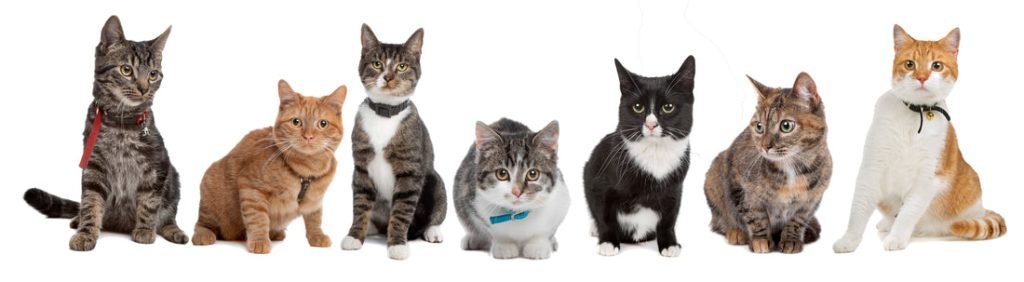
Have you ever looked at a cat and wondered just how many different breeds there are in the world? You might think all cats look similar, but the truth is, there’s a surprising variety waiting to be discovered.
Knowing about these breeds can help you understand your own feline friend better or even guide you if you’re thinking about adopting a new cat. Stick with me, and by the end of this article, you’ll be amazed at how many unique cat breeds exist—and what makes each one special.
Ready to uncover the fascinating world of cats? Let’s dive in!
Global Cat Breed Count
The world of cats is vast and diverse. Cat breeds vary widely in appearance, personality, and history. Understanding the global cat breed count helps pet lovers appreciate this diversity. Different organizations recognize different numbers of cat breeds. This leads to some variation in the total count worldwide.
Breed recognition depends on specific standards and traits. Some breeds are very old, while others are newly developed. The global count reflects both natural and human-influenced breeds.
Official Cat Breed Registries
Several major organizations register cat breeds officially. Each has its own list based on strict criteria. These registries influence the global breed count.
- The International Cat Association (TICA) recognizes around 73 breeds.
- The Cat Fanciers’ Association (CFA) lists about 44 breeds.
- The Fédération Internationale Féline (FIFe) accepts 48 breeds.
Factors Affecting Breed Numbers
Breed numbers change due to new breed development and recognition. Some cats may be hybrids or experimental breeds. These may not be accepted by all registries.
Geographical preferences also affect breed popularity and recognition. Some breeds are well-known only in certain countries.
Popular Vs. Rare Breeds
Popular breeds like the Persian or Siamese are recognized worldwide. Rare breeds may be recognized only in limited regions. This adds complexity to the global count.
Rare breeds often have small populations and unique traits. They enrich the overall variety of cat breeds.

Credit: www.youtube.com
Popular Cat Breeds
Many cat breeds enjoy huge popularity worldwide. These breeds offer distinct looks and unique personalities. Pet lovers often choose cats based on their traits and appearance. Knowing popular cat breeds helps understand what suits your lifestyle.
Domestic Shorthair
Domestic Shorthairs are not a single breed but a mix. They come in many colors and patterns. These cats are very friendly and adaptable. They often have short, easy-to-care-for coats. Domestic Shorthairs make great pets for families.
Siamese
Siamese cats are known for their striking blue eyes. Their short coat has a light body with darker ears, face, paws, and tail. They are very vocal and love attention. Siamese cats are smart and active, enjoying playtime and interaction.
Persian
Persian cats have long, thick fur and flat faces. Their calm and gentle nature makes them perfect lap cats. They need regular grooming to keep their coats clean. Persians prefer quiet environments and enjoy peaceful homes.
Maine Coon
The Maine Coon is one of the largest domestic cat breeds. They have tufted ears and bushy tails, with thick fur. These cats are friendly and social, good with children and other pets. Maine Coons enjoy playing and exploring but also love cuddles.
Rare And Exotic Breeds
Rare and exotic cat breeds fascinate many cat lovers. They stand out with unique looks and special traits. These breeds often have unusual appearances or histories. Some come from specific regions or have been bred for particular qualities. They bring charm and curiosity to any home.
Sphynx
The Sphynx cat is famous for its hairless body. This breed has smooth, warm skin and large ears. It looks unusual but feels soft and friendly. Sphynx cats love attention and enjoy being close to people. They need regular skin care because they have no fur to protect them.
Bengal
Bengal cats look like tiny leopards with their spotted coats. They are energetic and playful, loving active homes. Bengals have muscular bodies and bright eyes. Their wild appearance comes from crossing domestic cats with Asian leopard cats. They need plenty of exercise to stay happy.
Scottish Fold
Scottish Fold cats have unique folded ears that bend forward. This feature gives them a sweet, owl-like face. They are calm and gentle pets, enjoying quiet environments. Scottish Folds come in many colors and patterns. Their distinct ears make them one of the most recognizable breeds.

Credit: www.thewildlifediaries.com
Breed Classification Standards
Breed classification standards play a crucial role in defining and organizing the many cat breeds recognized worldwide. These standards ensure consistency in identifying and describing breeds, helping both breeders and enthusiasts understand what makes each breed unique. Without clear standards, the rich diversity of cats would be much harder to appreciate or manage.
Feline Associations
Feline associations are organizations that officially recognize and register cat breeds. They set the rules that breeders follow to maintain breed purity and health. Some of the most well-known associations include:
- The Cat Fanciers’ Association (CFA)– Focuses mainly on North America and recognizes around 44 breeds.
- The International Cat Association (TICA)– Known for a broader global reach and recognizes over 70 breeds.
- The Fédération Internationale Féline (FIFe)– Popular in Europe, recognizing close to 50 breeds.
Each association may recognize a different number of breeds based on their criteria and regional preferences. This means the number of officially recognized breeds can vary depending on which association you refer to.
Breed Recognition Criteria
For a breed to be recognized, it must meet specific criteria set by feline associations. These often include:
- Distinct physical traits– Unique features like coat pattern, eye color, body shape, and size.
- Stable breeding history– The breed must have a documented lineage showing consistent traits over generations.
- Genetic health– The breed should demonstrate minimal inherited health issues to ensure longevity and wellbeing.
Sometimes, you might wonder why some cats, which look very different, aren’t recognized as separate breeds. The answer lies in these strict criteria that protect breed integrity and animal health.
When you consider adopting or breeding a specific cat, understanding these standards can help you make informed choices about the breed’s care and characteristics. Have you ever checked how your favorite cat breed is classified? It might reveal surprises about its origins and traits.
Genetic Diversity In Cats
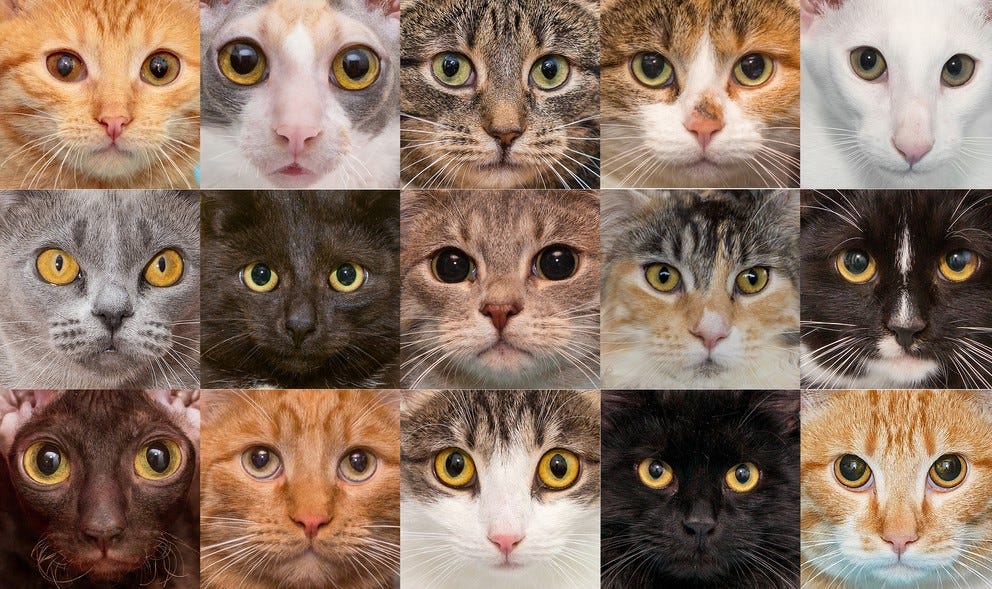
Cats show a wide range of colors, shapes, and sizes. This variety comes from their rich genetic diversity. Genetic diversity means the differences in genes among cats. It helps cats adapt and survive in various environments. The many cat breeds we see today result from this natural and human-driven genetic variation.
Understanding genetic diversity explains why some cat breeds look very different. It also shows how traits pass from parents to kittens. This diversity is important for breeders and cat lovers. It keeps cat populations healthy and strong.
Origins Of Genetic Variation In Cats
Cats have evolved over thousands of years. They started as wild animals and slowly adapted to different regions. This created unique gene pools in each area. Breeders later selected specific traits, increasing diversity.
Impact Of Breeding On Genetic Diversity
Selective breeding focuses on desired traits like fur color or behavior. This can reduce genetic diversity if not done carefully. Responsible breeding maintains a balance to keep cats healthy and varied.
Benefits Of Genetic Diversity In Cat Breeds
- Stronger immune systems
- Better adaptation to environments
- Reduced risk of inherited diseases
- More variety in appearance and personality
Challenges In Maintaining Genetic Diversity
Some rare breeds have small gene pools. This can lead to health problems and less diversity. Efforts are needed to breed responsibly and keep these breeds thriving.
Impact Of Breeding On Health
The health of cats can be deeply affected by the way breeding is carried out. Selective breeding aims to highlight specific traits, but it often narrows the genetic pool. This narrowing can lead to an increase in inherited health problems.
Many breeders focus on appearance or temperament, sometimes overlooking the long-term health of the cats. Have you ever wondered if the beautiful coat of a Persian cat comes at a cost? Unfortunately, certain breeds come with a higher risk of diseases due to their genetics.
Genetic Disorders Linked To Specific Breeds
Some breeds are more prone to specific genetic disorders because of breeding practices. For example, Maine Coons often face hypertrophic cardiomyopathy, a heart disease.
Siamese cats can have respiratory issues linked to their head structure. Knowing these risks helps you choose a breed that fits your lifestyle and care ability.
Inbreeding And Its Consequences
Inbreeding reduces genetic diversity, increasing the chance of health problems. It can lead to weaker immune systems and congenital defects.
I’ve seen how inbreeding in some catteries resulted in kittens with fragile bones and poor growth. You should always ask breeders about their breeding practices and health testing.
Benefits Of Responsible Breeding
Good breeders prioritize health over looks. They test for genetic diseases and avoid mating cats that could pass on serious conditions.
This approach not only produces healthier cats but also reduces veterinary costs and emotional stress for owners. What health checks do you think are essential when choosing a breeder?
Choosing The Right Breed
Choosing the right cat breed makes pet ownership joyful and stress-free. Each breed has unique qualities that fit different lifestyles and homes. Understanding these differences helps find a perfect feline friend.
Lifestyle Compatibility
Some cat breeds thrive in busy homes with lots of activity. Others prefer calm, quiet spaces. Consider your daily routine and environment before selecting a breed.
- Active families may enjoy energetic breeds.
- People who work from home might prefer calm cats.
- Small apartments often suit smaller or less active breeds.
Temperament Traits
Temperament varies widely among cat breeds. Some cats are playful and social, while others are independent and reserved. Match your personality with a breed that complements it.
- Outgoing cats enjoy constant attention and play.
- Shy cats need gentle handling and quiet spaces.
- Some breeds form strong bonds with one person.
Care Requirements
Care needs differ based on breed characteristics. Some cats require regular grooming or special diets. Know the time and effort needed to care for your chosen breed.
- Long-haired cats need frequent brushing.
- Certain breeds may have health issues to monitor.
- Active cats may need more playtime and exercise.
Credit: medium.com
Frequently Asked Questions
How Many Cat Breeds Are Recognized Worldwide?
There are approximately 70 to 75 recognized cat breeds globally. Different cat associations may list varying numbers. The International Cat Association recognizes 73 breeds. These breeds vary in size, coat, and personality traits.
Which Cat Breed Is The Most Popular Worldwide?
The Persian cat is one of the most popular cat breeds worldwide. It is known for its long, luxurious coat and calm temperament. Many cat lovers appreciate its affectionate nature and distinctive appearance.
Are New Cat Breeds Still Being Developed Today?
Yes, new cat breeds are continually being developed through selective breeding. Breeders aim to enhance specific traits or create unique appearances. This ongoing process contributes to the diversity of cat breeds available.
What Factors Define A Cat Breed?
A cat breed is defined by specific physical traits, behavior, and genetics. These include coat pattern, size, eye color, and personality. Breed standards are maintained by cat associations to ensure consistency.
Conclusion
Cats come in many breeds, each with unique traits and charm. Over 70 recognized breeds exist worldwide, with new ones still emerging. This variety offers choices for every cat lover’s taste and lifestyle. Knowing about breeds helps you understand cats better and care for them well.
Whether you prefer a fluffy Persian or a sleek Siamese, there is a perfect cat for you. Explore, learn, and enjoy the diverse world of cat breeds today.
