


Have you ever wondered how many different cat breeds exist? Whether you’re thinking about adding a furry friend to your home or you’re simply curious about these fascinating creatures, knowing the variety of cat breeds can surprise you.
Each breed has its own unique personality, look, and charm that could match your lifestyle perfectly. Keep reading to discover the amazing world of cat breeds and find out which one might be the perfect companion for you.
Global Cat Breed Count
The global cat breed count varies depending on the source. Different cat associations recognize different numbers of breeds. Some groups accept new breeds faster than others. This leads to a wide range of breed counts worldwide.
Counting cat breeds is not as simple as it seems. Some breeds are very rare. Others have only slight differences from one another. Breeders and cat lovers often debate about which cats qualify as unique breeds.
International Cat Associations And Their Breed Lists
Major cat organizations set standards for breeds. They approve new breeds based on specific traits. Each group has its own list of recognized breeds.
- The International Cat Association (TICA) recognizes about 73 breeds.
- The Cat Fanciers’ Association (CFA) lists around 44 breeds.
- The Fédération Internationale Féline (FIFe) accepts approximately 48 breeds.
Factors Influencing The Number Of Cat Breeds
Breed recognition depends on genetics and appearance. Some breeds are created by crossing others. Geographic location also affects breed popularity and recognition.
New breeds emerge as breeders develop unique features. Some breeds may be regional and not globally known.
Why Breed Counts Differ Across Sources
Different standards cause variation in breed counts. Some groups focus on pedigree purity. Others are open to mixed or experimental breeds.
Updates to breed lists happen regularly. This causes numbers to change over time. Breed recognition is an evolving process in the cat world.
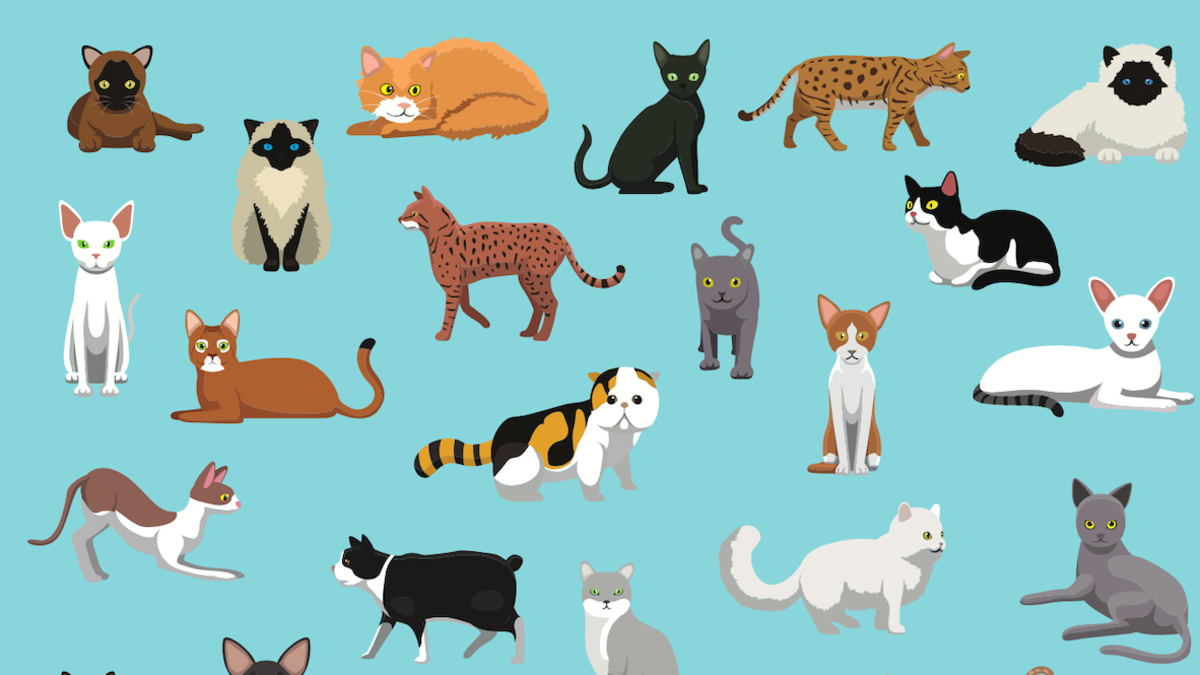
Credit: paradepets.com
Popular Cat Breed Groups
Cat breeds fall into distinct groups based on their coat type. Each group has unique traits and charm. Understanding these groups helps cat lovers find the perfect pet.
Short-haired Breeds
Short-haired cats have sleek, easy-to-care-for coats. They shed less and require less grooming. These breeds are popular for their active and playful nature.
- Abyssinian
- Bengal
- American Shorthair
- British Shorthair
- Siamese
Long-haired Breeds
Long-haired cats have thick, flowing fur. They need regular brushing to avoid mats. These cats often look elegant and regal.
- Maine Coon
- Persian
- Ragdoll
- Norwegian Forest Cat
- Birman
Hairless Varieties
Hairless cats have little or no fur. Their skin feels warm and soft. These breeds are known for their friendly and social personality.
- Sphynx
- Peterbald
- Donskoy
Rare And Exotic Breeds
Rare and exotic cat breeds fascinate many cat lovers worldwide. These cats often have unique features, unusual colors, or special traits. Their rarity makes them highly prized and sometimes hard to find. Exotic breeds come from different parts of the world and often have interesting stories behind them.
These breeds usually have small populations. Some are newer breeds, while others have ancient origins. They may have specific care needs and unique personalities. Owning one can be a special experience for those who appreciate their distinctiveness.
Ashera Cat
The Ashera cat is known for its large size and spotted coat. This rare breed looks like a wild leopard but is friendly and social. It was created by crossing African servals, Asian leopard cats, and domestic breeds. Very few Ashera cats exist, making them extremely exotic.
Serengeti Cat
The Serengeti cat has long legs and large ears. It looks like a wild African cat but is fully domestic. This breed was developed to resemble the serval without using wild cats. Its spotted coat and active nature make it stand out among other breeds.
Peterbald Cat
Peterbald cats have a sleek, hairless or short coat. Originating in Russia, they have an elegant, slender body. Their unique look and gentle personality attract exotic cat fans. They require special care for their sensitive skin.
Khao Manee Cat
The Khao Manee is a rare white cat from Thailand. It has striking eyes that can be blue, gold, or odd-eyed. This breed is often called the “Diamond Eye” cat. Its calm nature and rare beauty make it highly sought after.
Chausie Cat
The Chausie is a hybrid of domestic cats and wild jungle cats. It is athletic, energetic, and very intelligent. This breed looks exotic with its wild markings but adapts well to home life. Its rarity comes from the limited breeding programs worldwide.
Breed Recognition By Cat Associations
Breed recognition by cat associations plays a key role in defining official cat breeds worldwide. These organizations set standards and rules for identifying and registering breeds. Each association has its own list of recognized breeds and criteria for classification. This creates variety in how many breeds are officially accepted.
Recognition depends on factors like history, genetics, and breed traits. Some breeds gain acceptance faster, while others remain experimental for years. The number of cat breeds changes over time as associations update their standards.
Cfa Standards
The Cat Fanciers’ Association (CFA) is one of the largest cat registries. It recognizes around 45 distinct cat breeds. CFA focuses on breed history, appearance, and temperament. They require strict adherence to breed standards for show cats.
CFA divides breeds into categories such as:
- Natural breeds
- Hybrid breeds
- Mutation breeds
New breeds must undergo a trial period before full recognition. CFA also promotes responsible breeding practices.
Tica Classification
The International Cat Association (TICA) recognizes more than 70 cat breeds. TICA accepts a wider range of breeds, including some experimental ones. Their standards cover physical traits, personality, and origin.
TICA classifies breeds into these groups:
- Championship breeds
- New traits breeds
- Registration-only breeds
TICA offers flexibility for breeders to develop new breeds. They hold frequent shows to showcase breed diversity.
Other Registries
Several other registries recognize different sets of cat breeds. The Governing Council of the Cat Fancy (GCCF) in the UK lists about 40 breeds. They emphasize breed history and pedigree.
The Fédération Internationale Féline (FIFe) is a European body recognizing around 50 breeds. FIFe has detailed rules for breed standards and shows.
Smaller associations may recognize rare or local breeds. Breed recognition varies based on geography and tradition.
Origins Of Cat Breeds
The origins of cat breeds reveal a fascinating mix of nature and human influence. Understanding where these breeds come from helps you appreciate their unique traits and histories. Have you ever wondered how some cats kept their wild looks while others seem perfectly groomed for a show?
Natural Breeds
Natural breeds develop without much human interference. They evolve in specific regions, adapting to local climates and environments over centuries. These cats often have strong survival skills and retain many wild characteristics.
Take the Maine Coon, for example. This breed grew naturally in the cold northeastern United States, developing a thick coat and tufted ears to stay warm. Or think about the Egyptian Mau, whose spotted pattern and agility reflect its desert origins.
Natural breeds remind you that sometimes, the best traits come from nature’s own design. What qualities in your cat might be linked to its natural heritage?
Developed Breeds
Developed breeds come from deliberate breeding by humans. Breeders select specific traits like fur length, color, or temperament, aiming to create a distinct look or behavior. This process can take decades or even centuries.
Consider the Persian cat, bred for its luxurious long fur and calm personality. Or the Siamese, known for its striking color points and vocal nature, shaped through careful pairing over generations.
Developed breeds show how humans shape the animal world to fit our tastes and lifestyles. If you think about your cat’s appearance or habits, can you spot traits that are likely the result of selective breeding?

Credit: www.amazon.com
Traits And Characteristics Across Breeds
Understanding the traits and characteristics of various cat breeds can help you find the perfect feline companion. Each breed brings its own unique mix of physical features and personality traits. This diversity means there’s likely a breed that matches your lifestyle and preferences.
Physical Features
Cat breeds differ widely in appearance. Some have long, flowing fur like the Maine Coon, while others, such as the Sphynx, have almost no hair at all. Size can vary too—think of the tiny Singapura versus the large Norwegian Forest Cat.
Eye color, ear shape, and tail length also vary significantly. For example, the Siamese cat’s striking blue almond-shaped eyes stand out, contrasting with the round copper eyes of the British Shorthair. These features aren’t just for looks; they often relate to the breed’s origin and environmental adaptations.
Temperament Differences
Temperament can be as distinct as physical traits across breeds. Some cats, like the Ragdoll, are known for their laid-back and affectionate nature. Others, such as the Abyssinian, tend to be highly active and curious, constantly exploring their surroundings.
Consider your daily routine and energy level before choosing a breed. Do you want a cat that will join you on every adventure, or one that prefers quiet companionship? Understanding these differences can prevent frustration and build a stronger bond with your cat.
Choosing The Right Breed
Choosing the right cat breed is more than just picking the one with the prettiest coat or cutest face. It’s about matching a cat’s personality, care needs, and health considerations with your lifestyle. Taking time to understand these factors can save you from future challenges and help build a strong bond with your new furry friend.
Lifestyle Considerations
Think about how much time you spend at home. Some breeds, like the Siamese or Abyssinian, crave attention and can become lonely if left alone too long. On the other hand, breeds like the British Shorthair are more independent and can handle alone time better.
Do you have children or other pets? Some cats, such as the Ragdoll, are known for their gentle nature and get along well with kids and dogs. If you live in a small apartment, a calm, low-energy cat like the Persian might suit your space better than a very active breed.
Ask yourself: how much grooming can you handle? Long-haired cats require daily brushing to avoid mats, while short-haired cats need less maintenance. Your daily routine should align with the care your chosen breed demands.
Allergy Factors
Allergies can quickly turn a joyful experience into a struggle. While no cat breed is 100% hypoallergenic, some produce fewer allergens. Breeds like the Siberian or Balinese are often better tolerated by allergy sufferers.
Consider spending time around the breed you’re interested in before adopting. This helps you gauge your body’s reaction. You might be surprised by which breeds trigger allergies and which don’t.
Also, regular cleaning and using air purifiers can reduce allergens in your home. If allergies are a concern, don’t let it stop you from finding your perfect cat. Instead, plan ahead to keep both you and your cat comfortable.

Credit: www.tapovanvidhyalay.in
Frequently Asked Questions
How Many Recognized Cat Breeds Exist Worldwide?
There are approximately 70 to 75 recognized cat breeds worldwide. Different cat associations may recognize slightly different numbers. The International Cat Association (TICA) and CFA are leading authorities on breed standards. Each breed has unique traits and histories.
Which Cat Breed Is The Most Popular Globally?
The Persian cat is one of the most popular breeds worldwide. Known for its long fur and gentle nature, it appeals to many pet owners. Popularity varies by region and culture, but Persians consistently rank high in pet registrations.
How Do Cat Breeds Differ From Each Other?
Cat breeds differ mainly in physical traits like fur length, color, and body shape. Behavioral traits such as activity level and social tendencies also vary. These differences result from selective breeding to highlight specific characteristics.
Can New Cat Breeds Be Created By Breeders?
Yes, breeders can create new cat breeds through selective breeding. This involves mating cats with desired traits over generations. New breeds must gain recognition from cat associations to be officially acknowledged.
Conclusion
Cats come in many shapes, sizes, and colors. There are over 70 recognized cat breeds worldwide. Each breed has its own unique traits and personality. Knowing about different breeds helps you appreciate cats more. Whether you like fluffy or short-haired cats, there is one for you.
Cats bring joy and comfort to many homes. Exploring cat breeds can be fun and interesting. Every cat, no matter the breed, deserves love and care. So, enjoy learning about these amazing animals!
