

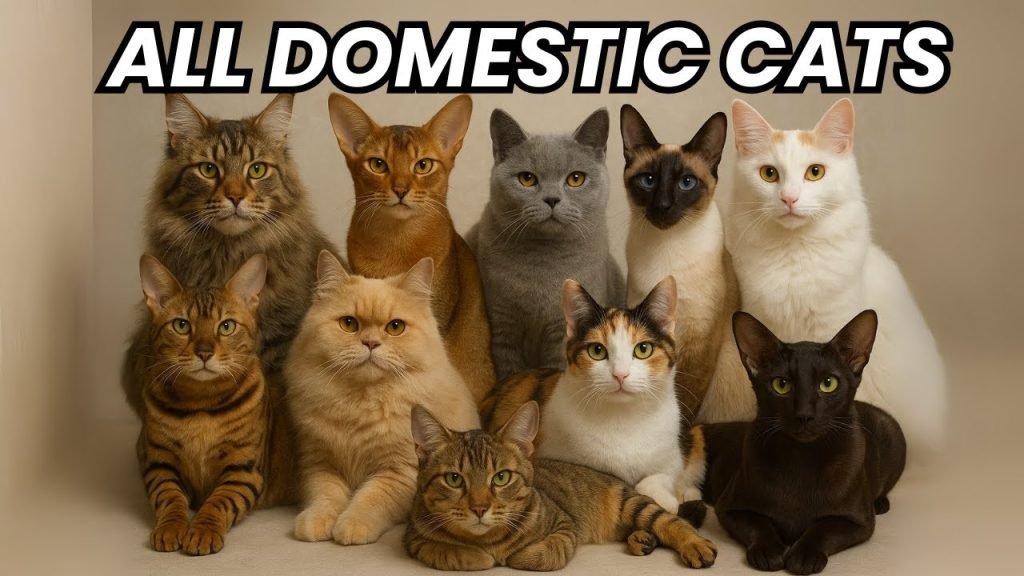
Have you ever wondered just how many different breeds of house cats there are? Whether you’re a cat lover or thinking about bringing a furry friend into your home, knowing the variety can help you find the perfect match.
From fluffy and playful to sleek and mysterious, each breed has its own unique charm. Keep reading, and you’ll discover surprising facts that might change the way you see your feline companions forever. Your next favorite cat could be waiting in this list!
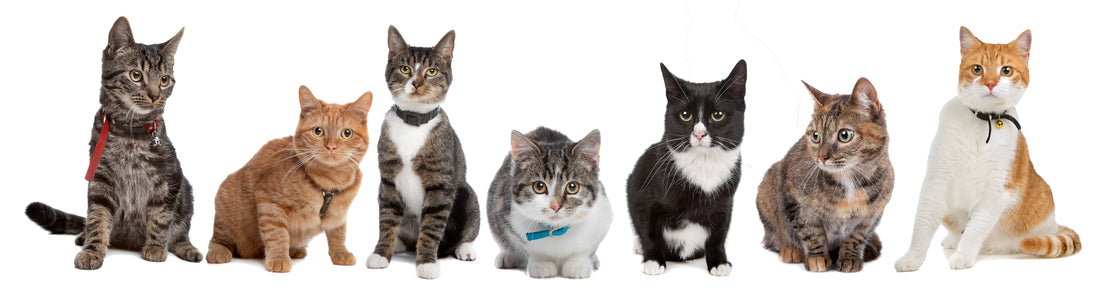
Credit: meowfia.us
Cat Breed Count
Wondering how many breeds of house cats exist might seem straightforward, but the answer depends on who you ask. The count varies because different organizations recognize different breeds. Knowing where these numbers come from helps you understand the diversity in the cat world.
Global Breed Recognition
Worldwide, the number of recognized cat breeds ranges roughly between 40 and 75. This wide range reflects the cultural and regional differences in how breeds are defined and accepted. Some countries celebrate certain breeds that others do not, creating a fascinating variety in the global cat community.
Have you ever noticed how a breed popular in one country might be rare or unknown in another? This shows how breed recognition isn’t just about genetics but also about history and local preferences.
Major Cat Registries
Most breed counts come from cat registries, which serve as official bodies for breed standards and competitions. The most influential registries include:
- The Cat Fanciers’ Association (CFA)– Recognizes about 44 breeds.
- The International Cat Association (TICA)– Lists over 70 breeds.
- Fédération Internationale Féline (FIFe)– Recognizes around 48 breeds.
Your choice of registry often affects which breeds you’ll see at cat shows or in breed-specific communities. This is why a cat considered a distinct breed in one registry might be seen differently in another.
Differences In Breed Lists
Breed lists differ because of how each registry defines a breed and their criteria for recognition. Some focus on strict genetic lineage, while others accept natural mutations or variations. This can lead to debates about what qualifies as a true breed.
For instance, the TICA recognizes the Toyger as a breed, inspired by wild tiger patterns, but some other registries don’t yet accept it formally. If you’re selecting a breed to adopt or show, understanding these differences can guide you better.
What criteria matter most to you when identifying a breed? Is it appearance, temperament, or something else entirely? Reflecting on this can help you connect deeper with your feline friend.

Credit: www.shutterstock.com
Popular Cat Breeds
Popular cat breeds attract many pet lovers worldwide. Each breed has unique traits and charm. Some cats are playful and social. Others are calm and independent. Choosing a breed often depends on lifestyle and personality preferences.
Top Domestic Breeds
- Persian:Known for their long fur and gentle nature.
- Maine Coon:Large size with a friendly and playful temperament.
- Siamese:Sleek body with striking blue eyes and vocal communication.
- Ragdoll:Soft, fluffy coat and relaxed, affectionate behavior.
- British Shorthair:Round face and dense coat, calm and easygoing.
Rare And Exotic Breeds
- Savannah:Wild-looking with tall ears and spotted coat.
- Peterbald:Elegant and slender, often hairless or with short fur.
- Korat:Silver-blue coat and heart-shaped face, rare outside Thailand.
- Singapura:Smallest domestic breed, known for its curious and active nature.
- Turkish Van:Unique love of water and mostly white fur with colored markings.
Breed Characteristics
| Breed | Coat Type | Personality | Size |
|---|---|---|---|
| Persian | Long, thick | Calm, affectionate | Medium |
| Maine Coon | Long, shaggy | Playful, friendly | Large |
| Siamese | Short, fine | Vocal, social | Medium |
| Ragdoll | Long, silky | Relaxed, loving | Large |
| British Shorthair | Short, dense | Quiet, easygoing | Medium |
Breed Origins
Understanding where different house cat breeds come from can change how you see your feline friends. Their origins tell stories of nature’s creativity and human influence. Knowing these roots helps you appreciate the unique traits each breed brings to your home.
Natural Vs. Man-made Breeds
Some cat breeds developed naturally over time in specific environments. These are called natural breeds, like the Maine Coon or Norwegian Forest Cat, which evolved traits to survive cold climates.
On the other hand, man-made breeds result from intentional breeding by humans. The Siamese and Persian cats are examples where breeders selected specific features, such as coat color or face shape, to create a desired look.
Have you ever wondered if your cat’s personality or looks are shaped more by nature or by human choice?
Geographic Breed Roots
Cat breeds often reflect the regions they come from. Egyptian Mau, for instance, traces back to ancient Egypt, carrying a spotted coat similar to wild cats in that area.
Similarly, the Japanese Bobtail is linked to Japan’s folklore and culture. Understanding these geographic ties can give you insight into why certain cats behave or look the way they do.
Think about your own cat—could its breed’s homeland influence its habits or quirks?
Historical Breed Development
Many breeds have rich histories marked by trade, war, and cultural shifts. The Persian cat’s popularity grew in the 1600s when Europeans admired its luxurious coat, leading to selective breeding.
Other breeds, like the Scottish Fold, emerged more recently due to unique genetic mutations discovered by breeders. These historical events shaped how breeds evolved and gained recognition.
What stories might your cat’s ancestors tell if they could speak about their journey through history?
Breed Identification
Identifying the breed of a house cat can be both fascinating and challenging. Each breed carries unique characteristics that help distinguish it from others. Understanding these key traits can make it easier for you to recognize your feline friend’s heritage and personality.
Physical Traits
Physical appearance is often the first clue in identifying a cat’s breed. Look at the size, coat length, color patterns, and body shape.
- Coat Type:Is it short, long, curly, or hairless?
- Color Patterns:Solid, tabby, calico, or pointed colors?
- Body Structure:Sleek and slender like a Siamese or stocky like a British Shorthair?
These visible traits can quickly narrow down possible breeds. When I adopted a cat with striking blue eyes and a slender build, I immediately suspected a Siamese lineage.
Behavioral Traits
Behavior can reveal a lot about a cat’s breed. Some breeds are known for their high energy, while others prefer lounging quietly.
- Does your cat enjoy socializing or prefer solitude?
- Is it vocal and demanding attention or calm and reserved?
- Does it show intelligence through problem-solving or playful antics?
Recognizing these behavioral patterns can help confirm breed suspicions. For instance, a Maine Coon often displays gentle and friendly behavior, making it easy to identify.
Genetic Testing
If you want a definitive answer, genetic testing provides the most accurate breed identification. DNA tests can pinpoint specific breed markers even when physical traits are ambiguous.
This technology is especially helpful for mixed-breed cats whose features don’t match a single breed perfectly.
Have you ever wondered what surprises your cat’s DNA might reveal about its origins? Genetic testing can uncover unexpected breed combinations and health predispositions.
Choosing A Cat Breed
Choosing the right cat breed matters a lot for a happy pet and owner. Different breeds have unique traits that fit different homes. Some cats need lots of playtime, while others prefer calm. Understanding these differences helps pick the perfect match. Consider your daily routine, health needs, and who lives with you. This way, you find a cat that fits your life well.
Lifestyle Considerations
Cat breeds vary in energy levels and care needs. Some breeds need lots of attention and play. Others enjoy quiet time and less activity. Active breeds suit busy people who can play often. Calm breeds fit those with a relaxed pace. Grooming needs differ too. Long-haired cats require more brushing. Short-haired cats are easier to care for. Think about your time for grooming and play.
Allergy And Health Factors
Some cats cause more allergies than others. Breeds like the Siberian or Balinese may trigger fewer reactions. Regular cleaning helps reduce allergens. Health issues can be breed-specific. Some cats have risks for heart or kidney problems. Choose breeds known for good health if you want fewer vet visits. Always check breed health history before deciding.
Compatibility With Families
Families with children need gentle and patient cats. Some breeds are very social and enjoy kids’ company. Others prefer quiet homes without much noise. Consider other pets too. Some cats get along well with dogs or other cats. Look for breeds with friendly and adaptable traits. This helps keep harmony at home.
Breed Evolution
The evolution of house cat breeds is a fascinating journey shaped by both nature and human influence. Over time, breeders have selected specific traits to meet changing preferences and lifestyles. This ongoing process keeps the world of cats dynamic and full of surprises.
New Breeds Emerging
New cat breeds continue to appear as breeders experiment with different combinations of traits. These breeds often begin as small groups of cats with unique looks or behaviors that catch public interest.
Take the Toyger, for example—a breed developed to resemble a miniature tiger. It started as a vision for a wild-looking yet friendly pet and now has a growing following. Could there be a breed out there right now waiting for you to discover it?
Breed Standards Changes
Breed standards are not set in stone; they evolve as our understanding of genetics and health improves. Changes may include adjustments in size, coat color, or even temperament expectations.
For instance, the Siamese breed has seen shifts in its official look over decades, moving from a more rounded face to the sleek, angular profile many recognize today. Staying informed about these changes helps you choose a cat that fits your lifestyle and expectations.
Future Trends In Breeding
The future of cat breeding is leaning towards health and well-being rather than just appearance. Breeders are now prioritizing genetic diversity to reduce inherited diseases.
You might notice more emphasis on creating cats that thrive in indoor environments with friendly personalities. What qualities would you want in the next popular house cat breed?
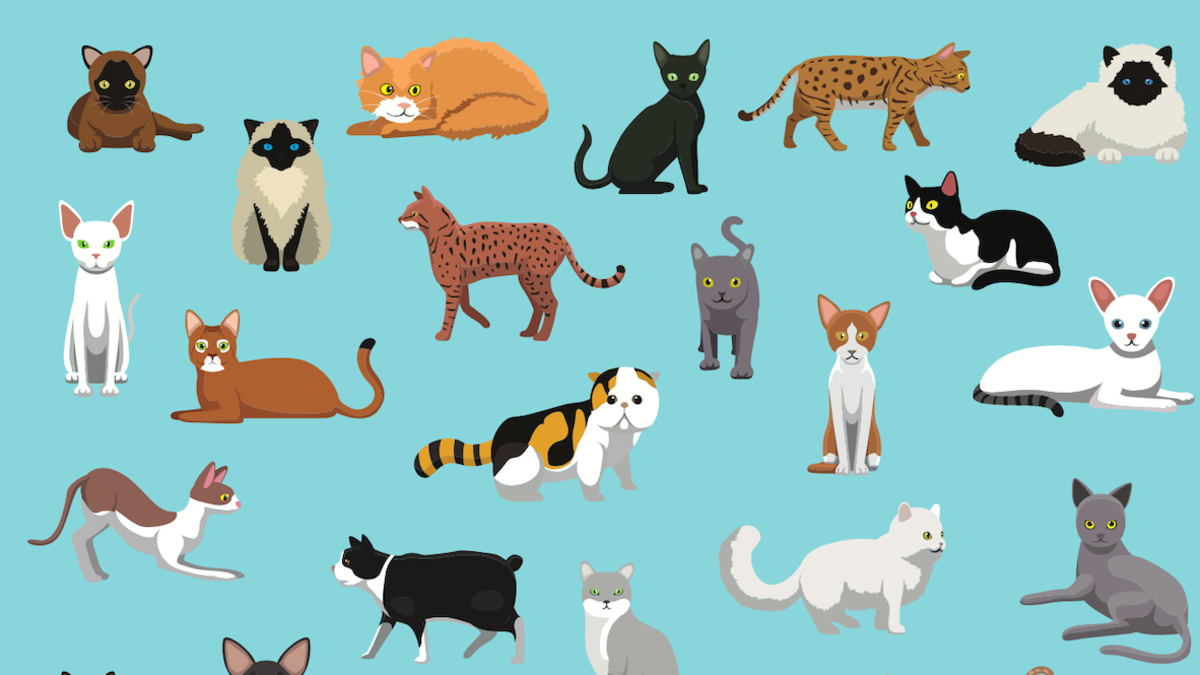
Credit: paradepets.com
Frequently Asked Questions
How Many Recognized House Cat Breeds Exist Worldwide?
There are about 70 to 75 recognized house cat breeds globally. Different cat associations may list slightly varying numbers. These breeds vary in size, color, and personality traits, reflecting diverse feline genetics and histories.
What Defines A Breed Of House Cat?
A house cat breed is defined by specific physical traits and genetics. These traits are passed consistently through generations. Breeders select for unique features like coat pattern, body shape, and temperament to maintain breed standards.
Are All House Cat Breeds Hypoallergenic?
No, not all house cat breeds are hypoallergenic. Some breeds produce fewer allergens, like the Siberian or Balinese. However, allergic reactions vary by individual and breed. Consult allergen-friendly breed lists if sensitive to cat allergens.
Can Mixed Breed Cats Be Considered House Cats?
Yes, mixed breed cats are commonly house cats. They often have diverse traits from various breeds. Mixed breeds can be loving pets with unique personalities and do not require breed-specific care.
Conclusion
House cats come in many breeds, each with unique traits. This variety makes choosing a pet fun and personal. Knowing the breeds helps you understand their needs better. Cats bring joy, no matter their breed. Explore and find the cat that fits your life best.
Every breed has its charm and story. Embrace the diversity of house cats around the world.
