

Have you ever wondered how many baby teeth your kitten has? Knowing this can help you understand your furry friend’s growth and health better.
Just like human babies, kittens have a set of baby teeth that eventually fall out. But how many are there exactly? If you want to learn the surprising answer and what it means for your cat’s care, keep reading. This simple fact could change the way you look after your kitten’s smile!

Credit: www.reddit.com
Cat Baby Teeth Count
Cats have 26 baby teeth, also called deciduous teeth. These small teeth help kittens eat until adult teeth grow in. Baby teeth usually fall out by six months old.
Understanding the number of baby teeth your kitten has can be both fascinating and useful. Just like human babies, kittens go through a teething stage. Knowing their dental count can help you keep track of their growth and ensure their dental health is on track.How Many Baby Teeth Do Cats Have?
Kittens are born without teeth, but they don’t stay toothless for long. By the time they are about two weeks old, their first baby teeth, also known as milk teeth, begin to emerge. In total, kittens develop 26 baby teeth. These teeth include incisors, canines, and premolars.Understanding The Types Of Baby Teeth In Kittens
Kittens have different types of teeth, each serving a unique purpose. – Incisors: These are the small teeth located at the front of the mouth. Kittens have 12 incisors, six on the top and six on the bottom. They help in nibbling and grooming. – Canines: Often referred to as fangs, kittens have four canines. These sharp teeth are used for grabbing and holding onto prey. – Premolars: These are the teeth located behind the canines. Kittens have ten premolars, which they use to chew and grind food.When Do Kittens Lose Their Baby Teeth?
Kittens start losing their baby teeth at around three to four months old. This process continues until they are about six months old, making room for their permanent teeth. Have you ever noticed your kitten chewing more than usual? This could be a sign that their baby teeth are loosening, and they might be experiencing some discomfort. Providing them with soft toys to chew on can help ease this transition.Why Is Knowing The Cat Baby Teeth Count Important?
Being aware of your kitten’s dental milestones can help you identify any potential dental issues early on. Regular checks can ensure that the teeth are falling out and new ones are growing in properly. Have you ever had a cat with dental issues? Those can be quite challenging and sometimes expensive to treat. By monitoring your kitten’s baby teeth, you can help prevent problems before they start. Taking the time to understand your kitten’s dental development can foster a closer bond between you and your furry friend. Plus, it’s a great way to keep them healthy and happy as they grow.Timeline For Baby Teeth Growth
Understanding the timeline for your kitten’s baby teeth growth can help you care for their dental health better. Baby teeth, also called deciduous teeth, appear and fall out in a predictable pattern. This timeline shows when you can expect these tiny teeth to come in and eventually be replaced by adult teeth.
When Do Baby Teeth Start To Appear?
Kittens usually begin to get their baby teeth around two to three weeks old. These first teeth are sharp and tiny, perfect for their early stage of life. You might notice your kitten nibbling or chewing more, which is a sign their teeth are coming in.
Full Set Of Baby Teeth
By the time a kitten reaches about six to eight weeks, they typically have a full set of 26 baby teeth. This set includes incisors, canines, and premolars but no molars yet. Have you ever noticed how kittens explore the world with their mouths? That’s their baby teeth helping them learn.
When Do Baby Teeth Fall Out?
Baby teeth start to loosen and fall out around three to four months of age. This process continues until the kitten is about six months old. If you see a tiny tooth on the floor, don’t worry—this is a normal part of growing up for your cat.
Growth Of Adult Teeth
Adult teeth begin to push through as baby teeth fall out. By six to seven months, most cats have their full set of 30 adult teeth. These teeth are stronger and built to last a lifetime, so this stage is crucial for your kitten’s dental care.
Signs To Watch During The Timeline
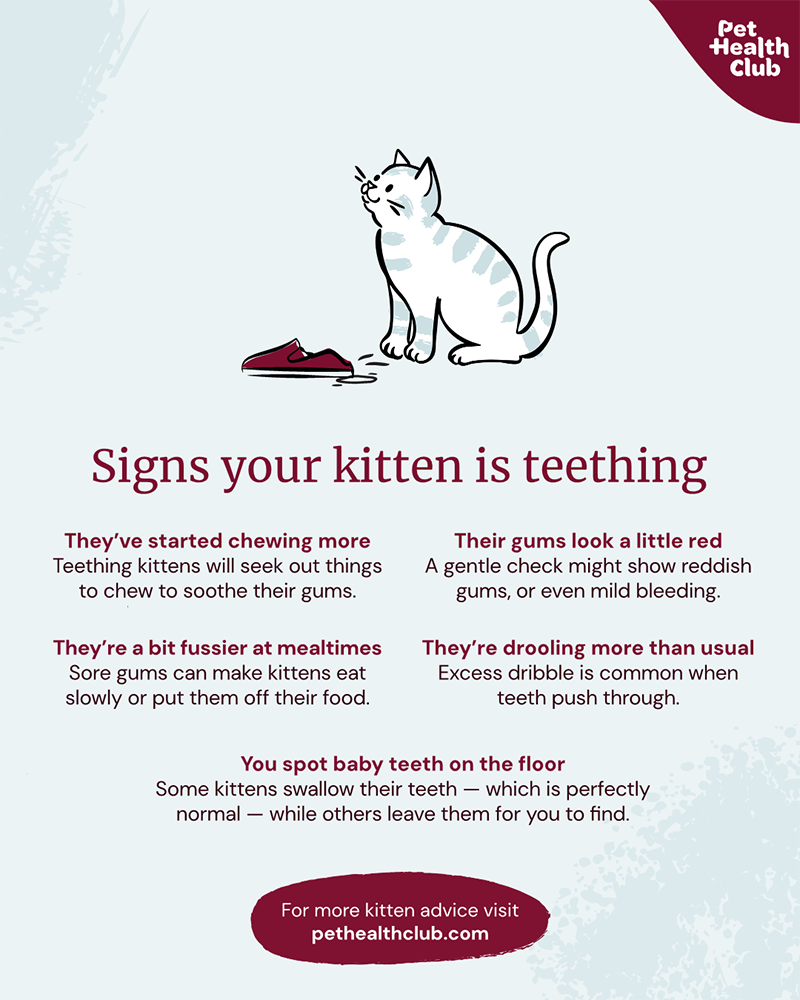
- Increased chewing or biting behavior
- Red or swollen gums
- Occasional bleeding from loose teeth
- Changes in eating habits
Have you noticed any of these signs in your kitten? Monitoring these can help you spot dental issues early and keep your cat comfortable during teething.
Differences Between Baby And Adult Teeth
Understanding the differences between baby and adult teeth in cats helps you care better for your feline friend. Their teeth not only change in number but also in size, shape, and function. Knowing these differences can alert you to any dental issues early on and ensure your cat’s mouth stays healthy.
Number And Timing Of Teeth
Kittens are born without teeth, but by about three weeks old, their baby teeth start to appear. These tiny teeth total 26, fewer than adult cats have. Adult cats have 30 teeth, which come in as the baby teeth fall out between three to six months of age.
Have you noticed your kitten chewing more during this teething phase? That’s because the new adult teeth are pushing through, causing some discomfort.
Size And Shape Differences
Baby teeth are smaller, sharper, and more delicate than adult teeth. They look like tiny, pointed daggers perfect for nursing and handling soft food. Adult teeth grow larger and stronger to help your cat tear meat and crunch bones.
This change in size and shape is crucial. If you’ve ever felt your kitten’s baby teeth, you might have noticed how fragile they are compared to the sturdy adult teeth that follow.
Function And Durability
Baby teeth serve as placeholders for adult teeth and support your kitten’s early nutrition. They are not meant to last a lifetime. Adult teeth are built to handle tougher food and last throughout your cat’s life.
Dental health during the adult phase is vital because these teeth must endure years of chewing. This raises the question: How often do you check your cat’s teeth for signs of wear or damage?
Color And Texture
Baby teeth tend to be whiter and smoother since they’re newer and less exposed to wear. Adult teeth may have slight discoloration or texture changes as your cat ages, especially if dental care is lacking.
Have you ever seen a cat’s teeth and wondered if they look healthy? Regular dental checkups can help keep those adult teeth bright and strong.
Signs Of Teething In Kittens
Teething in kittens is a noticeable phase that can tell you a lot about their growth and health. Recognizing the signs early helps you provide comfort and avoid damage to your belongings. You might wonder how to tell if your kitten is teething and what behaviors to watch for.
Changes In Chewing Behavior
Kittens start chewing more during teething. You might catch your little one gnawing on furniture, toys, or even your fingers. This happens because their baby teeth are loosening and new adult teeth are pushing through.
Offering safe chew toys can help redirect this urge and protect your belongings. Have you noticed your kitten favoring certain objects to chew on?
Increased Drooling And Mouth Sensitivity
Excessive drooling is a common sign of teething. The gums become swollen and sore, causing your kitten to produce more saliva than usual. You might see them pawing at their mouth or rubbing their face against surfaces.
This discomfort can make feeding tricky, so softer food might be easier for them to eat during this time. Have you tried adjusting their diet to ease their discomfort?
Restlessness And Changes In Sleep Patterns
Teething can make kittens restless and affect their sleep. You may find your kitten waking up more often or acting fussier than usual. This happens because the growing teeth cause mild pain and irritation.
Providing extra cuddles or a warm, quiet spot can help soothe them. How does your kitten behave at night during their teething stage?
Visible Signs In The Mouth
You can sometimes see the baby teeth falling out or the new teeth coming in. The gums might look red or inflamed around the loose teeth. Carefully checking your kitten’s mouth can give you a clear idea of where they are in the teething process.
But be gentle—your kitten’s mouth will be sensitive. Have you taken a peek inside your kitten’s mouth lately to track their progress?
Caring For Kitten Teeth
Taking care of your kitten’s teeth from an early age sets the stage for a lifetime of good oral health. Baby teeth in kittens are tiny but important, and they need attention just like adult teeth. Starting early with proper care can prevent pain, infections, and costly vet visits later on.
Caring For Kitten Teeth At Home
Begin by gently inspecting your kitten’s mouth regularly. Use a soft cloth or a special pet toothbrush designed for kittens. Avoid using human toothpaste, which can be harmful if swallowed.
Introduce brushing slowly and make it a positive experience with treats and praise. This helps your kitten get used to the routine without fear or stress.
Recognizing Signs Of Dental Issues
Watch for red or swollen gums, bad breath, or difficulty eating. These can be early signs of dental problems. If you notice any of these symptoms, a visit to the vet is necessary to prevent further complications.
Diet And Chewing For Healthy Teeth
Feeding your kitten crunchy kibble can help reduce plaque buildup naturally. You can also offer safe chew toys designed to massage gums and keep teeth clean.
Consider dental treats recommended by your vet to support oral hygiene. These small changes in diet and play can make a big difference in your kitten’s dental health.
Common Dental Issues In Kittens
Kittens have tiny teeth that are just as important as adult cat teeth. These baby teeth can face several dental problems. Early dental care helps prevent pain and future issues. Knowing common dental problems in kittens supports better pet care.
Teething Discomfort And Swelling
Kittens usually start losing baby teeth around three months old. This causes sore gums and swelling. They may chew more to ease discomfort. Watch for redness or bleeding as signs of pain.
Retained Baby Teeth
Sometimes, baby teeth do not fall out on time. This causes crowding and misalignment of adult teeth. Retained teeth can trap food and cause infections. A vet may need to remove these teeth.
Gingivitis And Gum Inflammation
Gingivitis is common in young cats with poor oral hygiene. It causes red, swollen gums that can bleed easily. Cleaning the kitten’s teeth gently can reduce inflammation. Regular vet checks help catch this early.
Tooth Fractures And Injuries
Kittens are playful and may hurt their teeth. Fractured teeth can expose nerves, causing pain and infection. Avoid hard toys and monitor for chewing problems. Immediate vet care is necessary for injuries.
Oral Infections And Abscesses
Infections can develop from untreated dental issues. Abscesses appear as swelling near teeth or gums. These infections cause pain and bad breath. Antibiotics and dental treatment are required to heal.
When Baby Teeth Fall Out
Watching your kitten’s baby teeth fall out is a fascinating part of their growth. These tiny teeth don’t stay long—they make way for their adult teeth. Knowing when and how this happens helps you keep your kitten comfortable and healthy during this stage.
Timing Of Baby Teeth Loss
Kittens usually start losing their baby teeth around 3 to 4 months old. This process continues until they are about 6 months old. It’s a gradual change, so don’t be surprised if you find a tiny tooth here and there over several weeks.
Signs Your Kitten’s Baby Teeth Are Falling Out
You might notice your kitten chewing on things more than usual. This behavior helps soothe their gums as new teeth push through. Sometimes, you’ll see small teeth on the floor or in their bedding—keep an eye out!
How To Care For Your Kitten During This Phase
- Provide soft food to ease chewing discomfort.
- Offer safe chew toys to help relieve gum pain.
- Keep their mouth clean by gently wiping gums with a damp cloth.
Have you ever seen your kitten gnawing relentlessly on a toy? That’s their way of managing the discomfort from new teeth emerging.
When To Consult A Vet
If your kitten’s baby teeth don’t fall out by 6 months, or if you notice swelling and redness, it’s time to visit the vet. Sometimes, baby teeth can get stuck, causing problems with the adult teeth’s alignment. Early check-ups prevent future dental issues and ensure your kitten’s smile stays healthy.
Credit: www.eliteveterinarycare.com
Adult Cat Teeth Count
Adult cats have a different number of teeth compared to their baby teeth. Understanding the adult cat teeth count helps in recognizing their dental health and age. Adult cats usually have more teeth than kittens because some baby teeth fall out as they grow.
Knowing the exact number of adult cat teeth is important for pet owners. It helps spot any missing or damaged teeth early. Healthy teeth support a cat’s ability to eat and play comfortably.
Number Of Teeth In Adult Cats
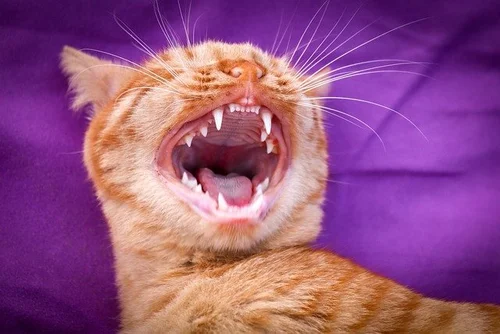
Adult cats typically have 30 permanent teeth. These include incisors, canines, premolars, and molars. Each type of tooth has a special role in eating and grooming.
Types Of Adult Cat Teeth
- Incisors:12 small teeth at the front for biting and grooming.
- Canines:4 long sharp teeth for tearing food and defense.
- Premolars:10 teeth used for cutting and shearing food.
- Molars:4 large teeth for grinding and crushing food.
Changes From Baby Teeth To Adult Teeth
Kittens have 26 baby teeth, which fall out by six months old. Adult teeth grow in to replace the baby ones. The adult teeth are stronger and larger to suit their adult diet.

Credit: felinefancy.co.uk
Frequently Asked Questions
How Many Baby Teeth Do Cats Have?
Cats have 26 baby teeth. These deciduous teeth start to appear at two weeks old. They fall out by six months, replaced by 30 adult teeth.
When Do Kittens Lose Their Baby Teeth?
Kittens begin losing baby teeth around three months old. This process continues until six months. Adult teeth fully replace baby teeth by this age.
Why Are Kitten Baby Teeth Important?
Baby teeth help kittens chew soft food and learn grooming. They guide adult teeth growth. Healthy baby teeth support proper jaw development.
How To Care For Kitten’s Baby Teeth?
Feed soft food to avoid hurting baby teeth. Gently clean teeth with kitten-safe toothpaste. Regular vet checks ensure healthy dental development.
Conclusion
Cats have 26 baby teeth in total. These small teeth help kittens eat and explore. Around six months old, they lose these teeth. Adult cats then grow 30 permanent teeth. Watching this change is natural and important. It shows your cat is growing healthy.
Keep an eye on their mouth during this time. Healthy teeth mean a happy, comfortable cat. Knowing how many baby teeth cats have helps you care well. It makes you ready for the changes ahead. Every kitten’s smile tells a story of growth.
