

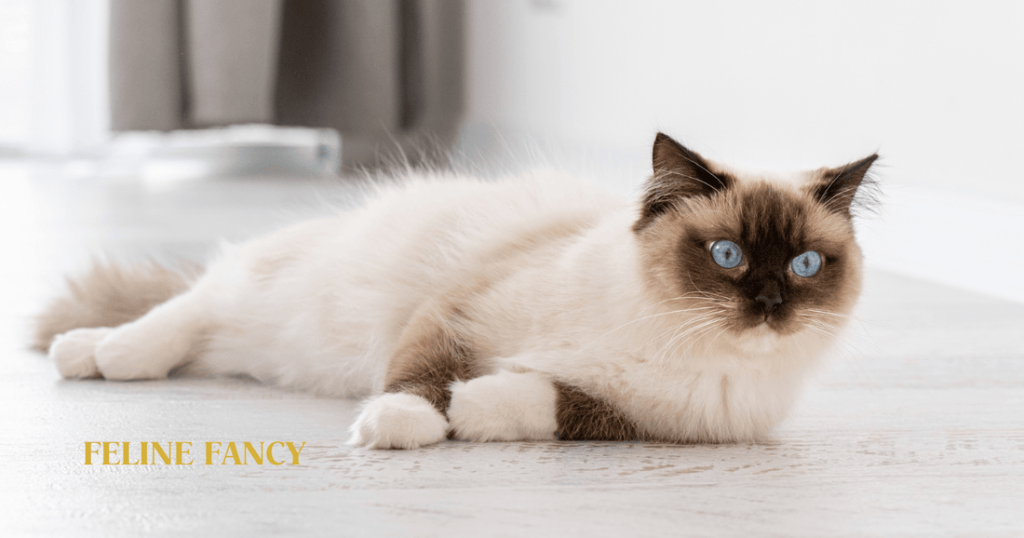
Are you curious about how long your beloved Ragdoll cat might be by your side? Knowing your pet’s life expectancy helps you prepare for the years ahead and cherish every moment.
Ragdolls are known for their gentle nature and striking looks, but how long can you expect to enjoy their company? You’ll discover everything you need to know about the lifespan of Ragdoll cats and what factors can help them live a long, healthy life.
Keep reading to ensure your furry friend stays happy and healthy for as many years as possible.

Credit: poshraggies.com
Ragdoll Cat Lifespan Basics
Ragdoll cats, known for their striking blue eyes and gentle nature, have captivated many cat enthusiasts. Understanding their lifespan is crucial for potential owners. This section delves into the basics of a Ragdoll cat’s lifespan, shedding light on how long these feline companions might be with us.
Average Lifespan Range
Ragdoll cats typically live between 12 to 15 years. With proper care, some even reach 20 years. Their lifespan depends on genetics and lifestyle. Regular vet check-ups play a crucial role. A balanced diet also supports their longevity.
Factors Influencing Longevity
Several factors impact how long a Ragdoll cat lives. Genetics is the primary factor. Cats from healthy family lines tend to live longer. Nutrition is another vital factor. Feeding them high-quality food ensures they get essential nutrients. Regular exercise helps maintain their physical health. Indoor living conditions usually extend their lifespan. They face fewer dangers like traffic or predators. Regular veterinary care prevents and treats potential health issues early.
Genetics And Health
Genetics plays a big role in the life expectancy and health of Ragdoll cats. Their genes affect their size, coat, behavior, and possible health problems. Understanding these genetic factors helps owners care better for their pets. It also helps predict how long a Ragdoll cat might live.
Ragdolls come from a mix of breeds, which influences their unique traits. Their health depends on inherited genes, which can carry both good and bad traits. Knowing these can guide in preventing or managing health issues early.
Common Genetic Traits
- Large size and muscular build
- Soft, silky coat with color-point patterns
- Calm and gentle temperament
- Blue eyes due to specific gene mutations
- Slow maturity, reaching full size by 3-4 years
Inherited Health Issues
- Hypertrophic Cardiomyopathy (HCM): a heart disease common in Ragdolls
- Polycystic Kidney Disease (PKD): causes kidney failure
- Bladder stones and urinary tract problems
- Susceptibility to obesity due to low activity levels
- Possible genetic predisposition to dental disease
Regular health checks and genetic testing can catch issues early. Breeders often screen for these inherited diseases to reduce risks. A healthy diet and exercise help manage inherited risks and improve longevity.
Diet And Nutrition
Diet and nutrition play a key role in how long Ragdoll cats live. Proper food supports their health, energy, and immune system. Feeding them the right diet helps maintain a strong heart and healthy weight. Balanced nutrition lowers the risk of common diseases in Ragdolls.
Ragdolls need food rich in proteins and low in fillers. Fresh water is also important to keep them hydrated. Avoid foods with artificial additives or too many carbohydrates. A healthy diet makes a noticeable difference in their lifespan and quality of life.
Best Foods For Ragdolls
- High-quality commercial cat food with real meat as the first ingredient
- Wet food to increase moisture intake and prevent urinary issues
- Grain-free options to reduce allergies and digestive problems
- Raw or cooked lean meats such as chicken, turkey, and fish
- Special formulas for indoor cats to control weight and hairballs
Supplements To Consider
- Omega-3 fatty acids for healthy skin and a shiny coat
- Taurine to support heart and eye health
- Probiotics to improve digestion and gut health
- Multivitamins for overall immune system support
- Glucosamine to maintain joint health and mobility
Exercise And Activity
Exercise and activity play a key role in the health and happiness of Ragdoll cats. These gentle cats enjoy moving around, stretching, and playing. Keeping them active helps maintain their weight and supports strong muscles. Activity also boosts their mood and reduces stress. Without enough movement, Ragdolls can become bored or gain unhealthy weight.
Importance Of Physical Activity
Physical activity helps Ragdolls live longer and feel better. It improves heart health and keeps joints flexible. Playtime with toys or short bursts of running makes their bodies stronger. Active cats are less likely to develop diseases linked to inactivity. Mental stimulation comes from exploring and interacting during exercise. Regular activity also builds a strong bond between cat and owner.
Indoor Vs Outdoor Lifestyle
Ragdoll cats can live indoors or outdoors, but both lifestyles need exercise. Indoor cats need more playtime with toys and climbing spaces. Owners should provide scratching posts, tunnels, and interactive toys. Outdoor cats get natural exercise chasing insects and exploring. Outdoor life has risks like traffic or predators, so safety matters. Many owners choose a mix: indoor safety with supervised outdoor fun.
Regular Veterinary Care
Regular veterinary care is essential to ensure your Ragdoll cat lives a long, healthy life. These gentle giants are prone to certain health issues, so consistent checkups help catch problems early. By staying on top of their health, you give your furry friend the best chance at a happy, extended lifespan.
Vaccinations And Checkups
Keeping your Ragdoll up to date on vaccinations protects them from common feline diseases. Your vet will recommend a vaccination schedule tailored to your cat’s age and lifestyle. Regular checkups also allow the vet to monitor your cat’s overall health, weight, and behavior changes.
During visits, your vet can spot early signs of conditions like heart disease or kidney issues, which Ragdolls can be prone to. Have you noticed subtle changes in your cat’s appetite or activity? Mentioning these during checkups can lead to earlier diagnosis and treatment.
Preventive Health Measures
Prevention goes beyond vaccines. Dental care, parasite control, and proper nutrition all play a role in your Ragdoll’s longevity. Ask your vet about the best dental hygiene routine to prevent gum disease, which is common in cats.
Parasite prevention is another critical step. Fleas, ticks, and worms can cause serious problems if left untreated. Your vet can recommend safe and effective products to keep these pests away year-round.
Have you thought about how your cat’s diet affects their health long-term? Feeding high-quality food and providing regular exercise supports their immune system and keeps their weight in check.
Common Health Problems
Understanding the common health problems that affect Ragdoll cats can help you extend your furry friend’s life and improve their quality of living. These issues often develop silently, so knowing what to watch for is crucial. Let’s look at some health concerns that might impact your Ragdoll and how you can be proactive.
Hypertrophic Cardiomyopathy
Hypertrophic Cardiomyopathy (HCM) is a heart condition where the heart muscle thickens, making it harder for the heart to pump blood efficiently. Ragdolls are genetically predisposed to this disease, which can lead to heart failure or sudden death if left unchecked.
You can ask your vet for regular heart screenings, especially if you notice your cat tiring easily or having trouble breathing. Early detection is key because treatment can help manage symptoms and improve your cat’s comfort.
Kidney Disease
Kidney disease is common in many cat breeds, including Ragdolls, and it often progresses slowly. Cats might show signs like increased thirst, frequent urination, or weight loss, but these symptoms can be subtle at first.
Regular blood and urine tests during vet visits can catch kidney problems early. Feeding your cat a balanced diet and ensuring they drink plenty of water are practical steps you can take to support kidney health.
Obesity Risks
Ragdolls love to lounge, and their calm nature can sometimes lead to weight gain if their diet and exercise aren’t monitored. Obesity raises the risk for diabetes, joint problems, and shortens their lifespan.
Keeping your cat active with play and feeding measured portions can make a big difference. Have you noticed your cat gaining weight? Adjusting their routine sooner rather than later can prevent serious health issues down the line.
Tips For Extending Lifespan
Extending the lifespan of your Ragdoll cat involves more than just regular vet visits. It requires attention to their daily environment and emotional well-being. Small changes can lead to a longer, happier life for your furry friend.
Stress Reduction Techniques
Stress can silently shorten your cat’s life. You can help by creating a calm and predictable routine. Cats love consistency; feeding and playtime at the same hours reduce anxiety.
Provide quiet spaces where your Ragdoll can retreat when overwhelmed. Soft music or gentle sounds often soothe nervous cats. Have you noticed how your cat reacts to noise or sudden changes?
Interactive toys and gentle play also distract and relax your cat. Avoid loud arguments or sudden visitors when possible. These small adjustments improve your cat’s mental health and longevity.
Creating A Safe Environment
Safety inside and outside your home plays a crucial role in lifespan. Keep harmful plants, chemicals, and small objects out of reach. Even common household items can be dangerous if ingested.
Consider microchipping and secure window screens to prevent escapes and accidents. Many Ragdolls are curious and may try to explore beyond safe boundaries. Have you checked your home for potential hazards lately?
Regular cleaning of litter boxes and living areas reduces the risk of infections. Keeping your cat indoors or supervised outdoors protects them from traffic, predators, and diseases. Your attention to these details can add years to their life.
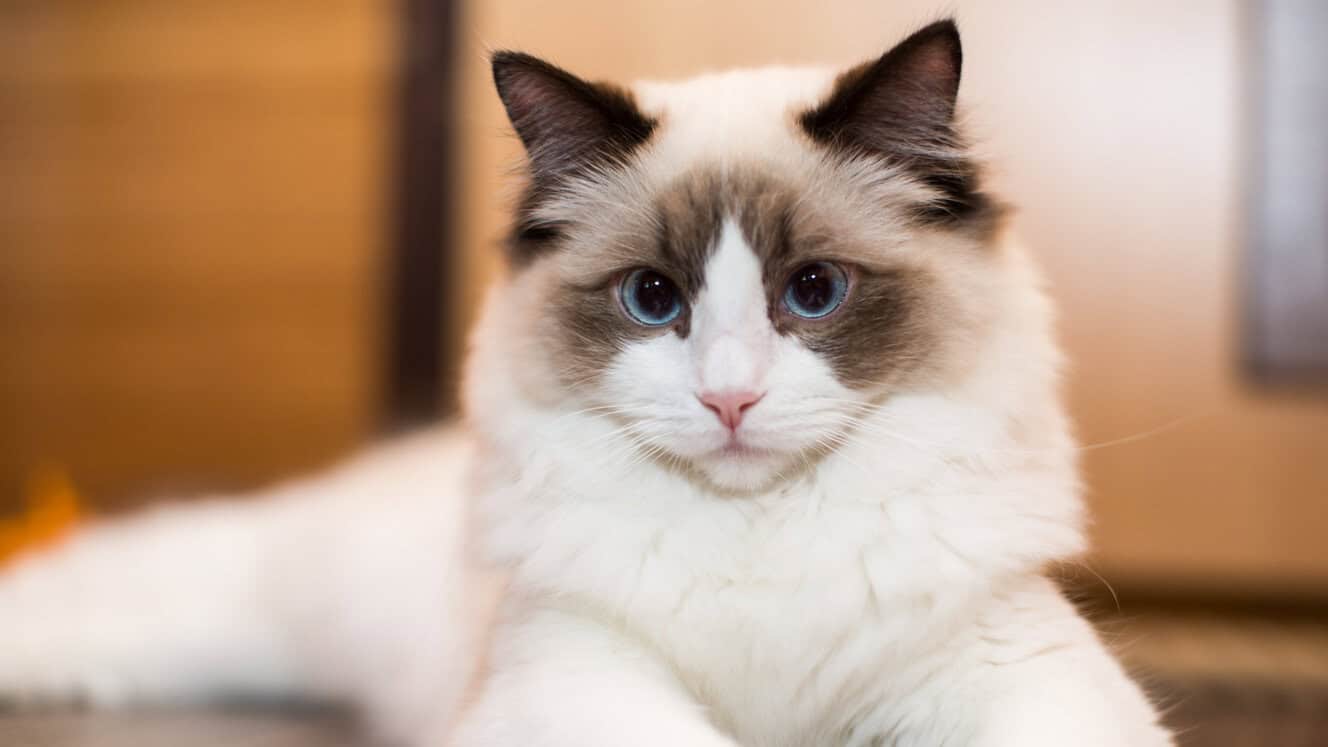
Credit: www.burgesspetcare.com
Signs Of Aging In Ragdolls
Recognizing the signs of aging in your Ragdoll cat can help you provide better care and comfort as they grow older. Aging doesn’t happen overnight; it’s a gradual process with subtle clues. Paying close attention to these changes lets you adjust their environment and health routine effectively.
Behavioral Changes
Older Ragdolls often show shifts in how they act. You might notice your cat becoming less playful or less interested in jumping to high places. They may seek out quieter spots and prefer resting over active exploration.
Sometimes, your cat may become more vocal, expressing discomfort or confusion. Changes in litter box habits can also occur, signaling possible health issues. Have you observed your Ragdoll becoming more clingy or, conversely, more distant lately?
Physical Indicators
Physical signs of aging are usually easier to spot. Your Ragdoll’s fur might lose some of its shine and become thinner. You might also see graying around their face or paws.
Weight changes are common—some cats lose muscle tone and appear bonier, while others may gain weight due to reduced activity. Dental health can decline, leading to bad breath or difficulty eating. Checking their eyes for cloudiness or changes in pupil size can also reveal aging effects.
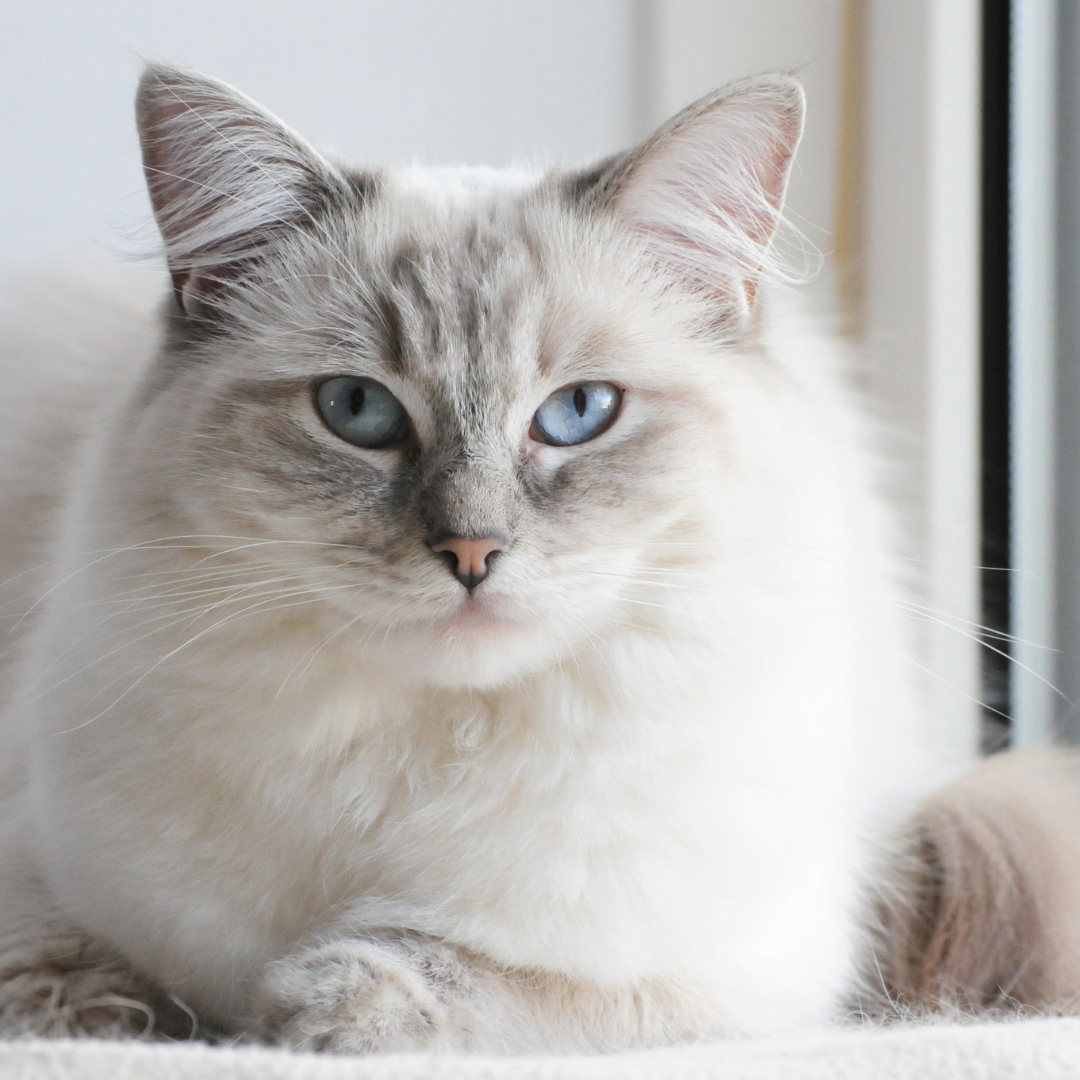
Credit: catfancast.com
Frequently Asked Questions
How Long Do Ragdoll Cats Typically Live?
Ragdoll cats usually live between 12 to 17 years. Proper care, diet, and regular vet visits can extend their lifespan. Genetics also play a key role in their longevity. They are generally healthy but prone to some genetic conditions.
What Affects The Lifespan Of Ragdoll Cats?
Diet, exercise, genetics, and veterinary care impact Ragdoll cats’ lifespan. Indoor cats often live longer than outdoor cats. Stress and environment also influence their health and longevity. Regular health check-ups help detect issues early.
Are Ragdoll Cats Prone To Health Issues?
Yes, Ragdoll cats can face heart disease like hypertrophic cardiomyopathy. They may also develop bladder stones and urinary tract issues. Early diagnosis and treatment improve quality of life. Responsible breeding reduces genetic health risks.
How To Increase A Ragdoll Cat’s Lifespan?
Provide a balanced diet, regular exercise, and vet check-ups. Keep them indoors to avoid accidents and diseases. Maintain a stress-free environment and monitor their health closely. Vaccinations and parasite control are essential too.
Conclusion
Ragdoll cats often live between 12 to 15 years. Their lifespan depends on care and health. Feeding them well and regular vet visits help a lot. Keeping them indoors protects from accidents and diseases. These gentle cats enjoy calm and loving homes.
Giving them attention and playtime keeps them happy. Knowing their lifespan helps prepare for a long friendship. Ragdolls can be great companions for many years. Taking good care means more time together. A healthy ragdoll cat brings joy to any home.
