

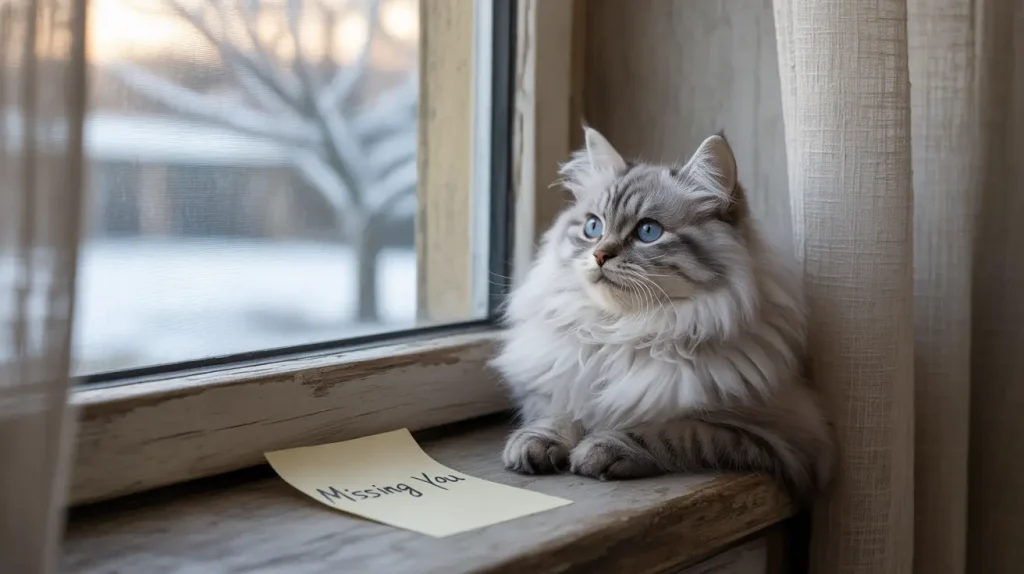
Losing a cat is heartbreaking, and if you have more than one, you might wonder how your surviving cat feels. You’ve probably noticed changes in their behavior and asked yourself, “How long do cats mourn the loss of another cat?”
Understanding this can help you support your furry friend during this tough time. You’ll discover what mourning looks like in cats, how long it usually lasts, and what you can do to ease their grief. Keep reading to learn how to help your cat heal and find comfort again.

Credit: www.reddit.com
Cat Emotions And Grief
Cats experience emotions that many people might not expect. When a cat loses a feline companion, it can feel sadness and confusion just like humans do. Understanding how cats grieve helps you support your pet through this difficult time.
How Cats Show Their Emotions
Cats don’t cry or speak like humans, but they express feelings in subtle ways. You may notice changes in their behavior, such as less playfulness or reduced appetite. Some cats become clingier, seeking more attention from you.
Have you ever seen your cat suddenly withdraw or act restless after losing a friend? This is a sign they are processing their emotions. Watching closely can help you identify what your cat needs.
Signs Of Grief In Cats
- Loss of interest in favorite toys or activities
- Increased vocalization, like meowing or yowling
- Changes in sleeping patterns, either sleeping more or less
- Hiding or avoiding interaction
- Changes in eating habits, either eating too little or too much
These signs tell you your cat is mourning. They don’t last forever, but you might feel worried if they persist. What can you do to ease your cat’s grief?
How You Can Help Your Cat Cope
Offer your cat extra love and patience during this time. Keep their environment familiar and comfortable. Sometimes, adding new toys or spending more playtime together helps them adjust.
Watch for signs of prolonged depression that could require a vet’s help. Remember, your calm presence is a powerful comfort for your grieving cat.
Signs Of Mourning In Cats
Cats grieve in their own quiet ways after losing a feline companion. Recognizing the signs of mourning helps you support your cat during this tough time. Cats may show different behaviors that reveal their sadness and adjustment to loss.
These changes often reflect deep emotional shifts. Observing your cat closely can give clues about their inner feelings. Some signs are subtle, while others are more obvious. Understanding these signs helps you care better for your cat’s emotional health.
Behavioral Changes
Mourning cats may act withdrawn or restless. They might hide more than usual or avoid favorite spots. Some cats become clingy, following their owner around often. Playfulness can decrease, and curiosity may fade. Changes like these show their emotional upset.
Appetite And Sleep Patterns
Loss often disrupts eating habits. Cats might eat less or skip meals altogether. Some may lose weight due to low appetite. Sleep patterns also shift. Your cat may sleep more or less than usual. These changes indicate stress and grief inside.
Vocalization And Communication
Mourning cats may meow or yowl more. Their usual quiet might turn into louder calls. This vocalization shows a desire for connection. Some cats cry softly, appearing to seek comfort. Changes in how they communicate reveal their sadness.
Factors Influencing Grieving Duration
The time a cat spends mourning the loss of another cat varies widely. Several key factors influence how long a cat grieves. Understanding these can help pet owners support their cats better during sad times.
Age And Health Of The Cat
Young cats often recover faster from loss. They have more energy and adapt quickly. Older cats may grieve longer due to lower energy. Health issues can also slow their healing. A sick cat might show sadness for weeks or months. Their body and mind need more time to adjust.
Relationship With The Deceased Cat
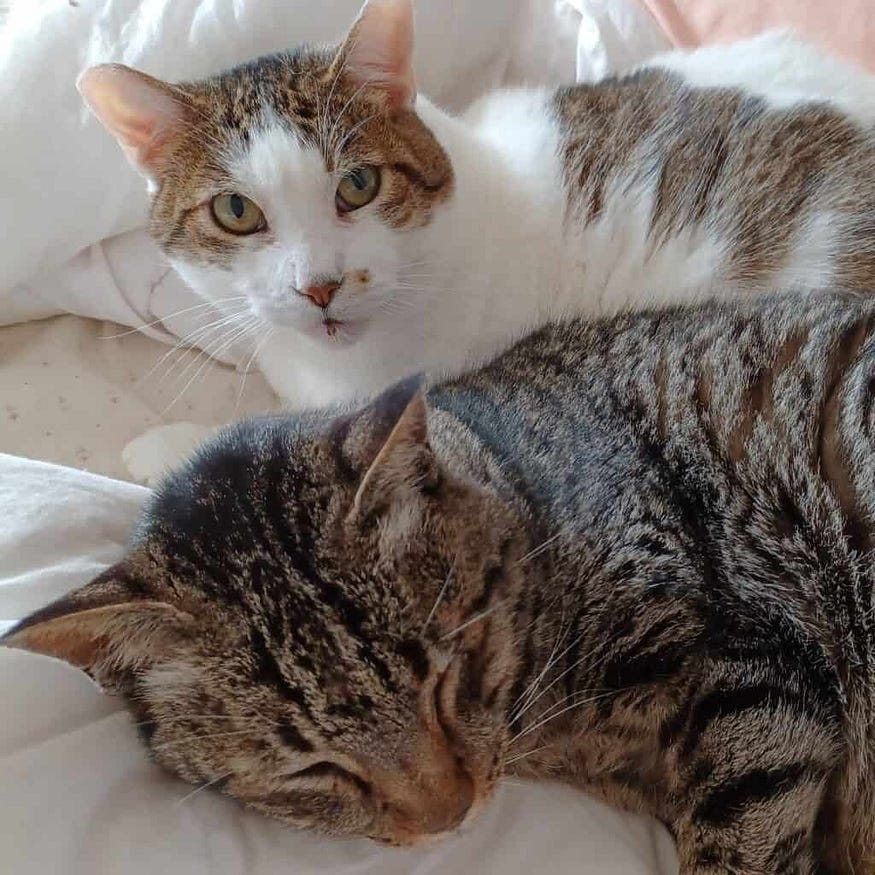
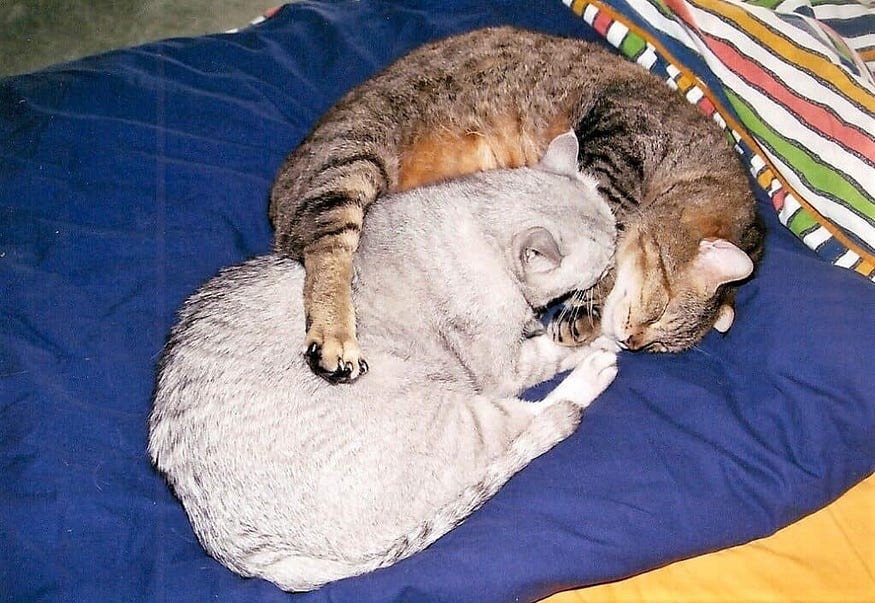
Cats with strong bonds mourn longer. Close companions feel the loss deeply. They might search for the missing cat or call out. Cats that lived together for years form tight bonds. Casual or new relationships often cause shorter grief. The depth of attachment shapes the mourning time.
Environment And Routine Changes
Changes in the cat’s environment affect mourning. A sudden move or new home can increase stress. Altered feeding times or sleeping spots add to confusion. Keeping routines stable helps cats feel safe. Familiar sounds and smells comfort them. The more stable the environment, the quicker they heal.
Credit: medium.com
Supporting A Mourning Cat
Supporting a mourning cat requires patience and gentle care. Cats feel loss deeply and need time to heal. Helping them through this phase can ease their sadness. Small actions create a safe space for recovery. Observing your cat’s behavior will guide your support. Comfort and stability help them find peace again.
Creating A Comforting Environment
Provide quiet and cozy spots where your cat can relax. Soft bedding and warm blankets offer comfort. Keep their favorite toys nearby for familiarity. Use gentle lighting to create a calm atmosphere. Avoid loud noises and sudden changes in the home. A peaceful setting helps reduce stress and anxiety.
Maintaining Routine
Stick to regular feeding and playtimes. Cats find security in predictable schedules. Consistent routines reduce confusion and worry. Spend extra time playing or grooming your cat. This attention reassures them they are not alone. Stability supports emotional healing and balance.
Introducing New Companions
Wait until your cat shows signs of readiness. Introduce new pets slowly and carefully. Use separate spaces at first to avoid stress. Gradual meetings allow your cat to adjust. Watch for signs of acceptance or discomfort. A new friend may help, but only with patience.
When To Seek Veterinary Advice
Knowing when to seek veterinary advice after your cat loses a companion is crucial. Cats grieve in their own ways, but some signs show that professional help might be necessary. Paying attention to your cat’s behavior and health can prevent prolonged suffering and ensure they get the support they need.
Prolonged Behavioral Changes
If your cat’s behavior changes for more than a few weeks, it’s time to act. Look for signs like persistent hiding, lack of interest in play, or refusal to eat. Cats that stop grooming themselves or become unusually aggressive may be struggling deeply.
I once had a cat who, after losing her sibling, stopped eating for over a month. It was heartbreaking, and a vet visit revealed she was not just sad but also developing a serious health issue. That experience taught me how important it is to watch for lasting changes.
Health Concerns
Grief can affect your cat’s physical health. Weight loss, vomiting, diarrhea, or lethargy are red flags. If you notice these symptoms, don’t wait—schedule a veterinary checkup immediately.
Sometimes, underlying illnesses hide behind what looks like emotional distress. Your vet can rule out infections or other problems that might be worsening your cat’s condition. Ignoring these signs can lead to complications that are harder to treat later.
Professional Guidance
Veterinarians and animal behaviorists can offer strategies to help your cat cope. They might suggest environmental changes, dietary adjustments, or even medications. Professional advice ensures you’re supporting your cat’s mental and physical health effectively.
Have you considered how your daily routine might affect your grieving cat? Experts can help tailor solutions specific to your situation. Don’t hesitate to ask questions or seek a second opinion if you feel unsure about your cat’s recovery.
Credit: medium.com
Personal Stories Of Feline Grief
Watching a cat grieve the loss of a feline companion can be both heartbreaking and eye-opening. Personal stories from cat owners reveal how deeply cats feel loss and how their mourning can unfold over time. These real-life experiences offer clues to understanding your cat’s emotions and knowing when to provide extra comfort or space.
How Luna Reacted After Losing Her Best Friend
Luna stopped eating and became unusually quiet after her sister passed away. Her owner noticed Luna searching the house for her friend, especially in their favorite sleeping spots. This behavior lasted several weeks, showing how cats may express grief through withdrawal and restlessness.
If your cat seems lost or withdrawn, consider gently encouraging play or new activities to help them find a new routine.
Max’s Gradual Return To Normal
Max, a playful tabby, started hiding more after his companion’s death but slowly began to explore again after about a month. His owner introduced new toys and spent more time cuddling him, which helped Max regain his confidence. This story highlights how patience and extra attention can aid a cat’s healing process.
Have you noticed your cat becoming more clingy or distant? Try adjusting your interaction to match their emotional needs during this time.
When Another Cat Helps Heal The Heart
After losing her lifelong friend, Bella seemed lost until a new kitten arrived at the home. The two quickly bonded, and Bella’s playful spirit returned within weeks. This shows that a new feline companion can sometimes help ease the pain of loss, but timing and personality matter greatly.
Think about whether introducing a new cat is right for your household, and watch how your grieving cat responds before making a decision.
Frequently Asked Questions
How Long Do Cats Typically Mourn A Lost Companion?
Cats usually mourn for several weeks to months. The duration depends on their bond and individual personality. Some cats show signs of grief for a short time, while others may take longer to adjust.
What Signs Show A Cat Is Mourning Another Cat?
Common signs include decreased appetite, lethargy, vocalizing, and hiding. Cats may also seek more attention or become withdrawn. These behaviors indicate emotional distress due to the loss of their companion.
Can Mourning Cats Form New Bonds Quickly?
Cats can form new bonds, but it varies by individual. Some cats adapt quickly, while others need more time. Introducing a new cat should be gradual to ease the transition and reduce stress.
How Can Owners Help A Cat Cope With Loss?
Provide extra attention, maintain routines, and create a calm environment. Play and interactive activities help distract and comfort the grieving cat. Patience and understanding are key during this emotional period.
Conclusion
Cats show sadness for different times after losing a friend. Some may feel lonely for weeks or months. Others might take longer to adjust. It depends on their bond and personality. Giving extra care helps them heal faster. Patience is key while they find comfort again.
Watching their behavior shows when they begin to feel better. Remember, each cat mourns in its own way. Your love and attention make a big difference. Understanding this helps you support your cat through loss.
