

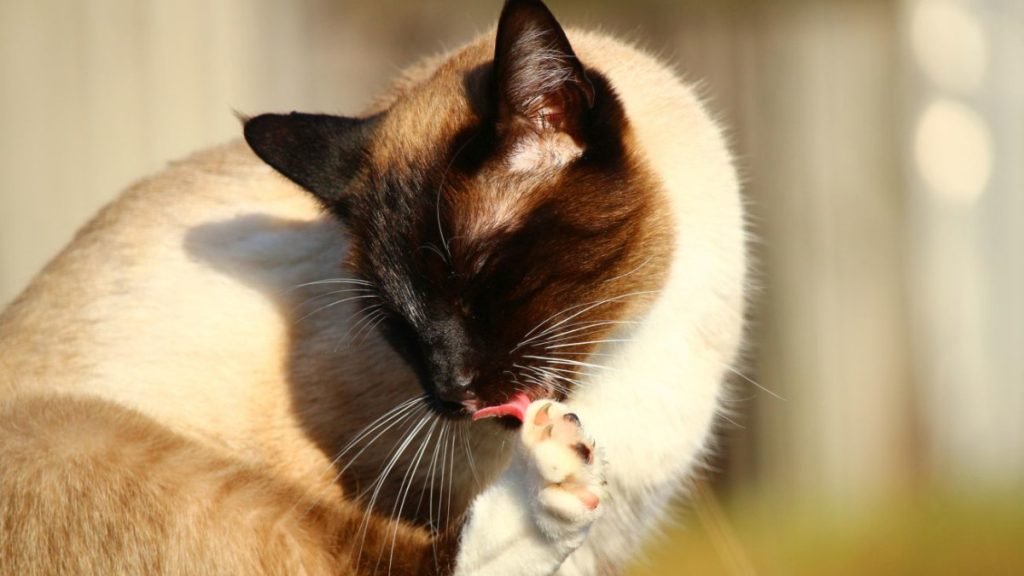
Have you ever watched your cat spend a surprising amount of time licking its fur and wondered, “How long do cats groom themselves?” Understanding this behavior isn’t just about satisfying curiosity—it can reveal a lot about your cat’s health and happiness.
If you want to know what’s normal and when to be concerned, keep reading. This guide will help you see grooming in a whole new light and strengthen the bond with your furry friend.
Daily Grooming Routine
Cats are known for their meticulous grooming habits, but have you ever wondered how much time they actually spend cleaning themselves each day? Understanding your cat’s daily grooming routine can help you notice any changes that might signal health issues. Let’s break down the typical grooming time and how often these sessions occur.
Average Grooming Time
On average, cats spend about 30 to 50 minutes grooming themselves daily. This time is divided into multiple short sessions rather than one long session. Some cats may groom even longer if they have thicker coats or are under stress.
Think about your own cat: have you noticed them spending more time licking their fur after a meal or when they seem restless? This behavior is normal and part of their effort to stay clean and calm.
Frequency Of Grooming Sessions
Cats typically groom themselves multiple times throughout the day, often between 5 to 10 sessions. These sessions can last just a few minutes each, spread evenly from morning until night. The frequency can increase if your cat is shedding, feeling anxious, or recovering from illness.
Does your cat suddenly spend less time grooming? It might be a sign to check for skin problems or discomfort. Keeping an eye on how often your cat grooms helps you stay ahead of potential health concerns.

Credit: www.kinship.com
Reasons Cats Groom Themselves
Cats spend a lot of time grooming themselves. This behavior is natural and very important for their well-being. Grooming helps cats stay healthy and comfortable in many ways. Understanding why cats groom can explain their daily habits and needs.
Maintaining Cleanliness
Cats groom to keep their fur clean and free from dirt. Their rough tongues remove loose hair and dust. This helps prevent skin problems and infections. Clean fur also keeps cats looking neat and tidy.
Regulating Body Temperature
Grooming helps cats control their body heat. When cats lick their fur, saliva spreads and cools their skin. This is especially helpful on hot days. Grooming also helps keep the fur fluffy, which traps air for warmth in cold weather.
Scent Marking And Communication
Through grooming, cats spread their unique scent on their fur. This scent marks their territory and signals ownership. Grooming can also show trust between cats when they lick each other. It acts as a way to communicate with other cats.
Reducing Stress And Anxiety
Grooming calms cats during stressful times. Licking releases endorphins that make them feel safe. This habit helps cats relax and cope with fear or boredom. Grooming can be a soothing routine for nervous cats.
Factors Affecting Grooming Duration
Cats spend varying amounts of time grooming themselves. This depends on many factors that influence how long they clean their fur each day. Understanding these factors helps explain why some cats groom more or less than others.
Grooming is not just about cleanliness. It also helps cats relax and stay healthy. The time they spend grooming can change based on their age, breed, and surroundings. These elements affect both their need and ability to groom well.
Age And Health
Young cats tend to groom more often. They have more energy and better flexibility. Older cats may groom less due to joint pain or stiffness. Health problems like arthritis or obesity can limit grooming time.
Sick cats might groom less because they feel weak. Skin conditions can also affect grooming behavior. Cats with fur problems may spend extra time cleaning specific areas.
Breed Differences
Different breeds have different grooming needs. Long-haired breeds need more time to keep their fur clean. Short-haired cats spend less time grooming. Some breeds have oily fur, which changes grooming habits.
Breeds with dense or thick coats may require longer grooming sessions. Hairless cats groom differently because they lack fur but still clean their skin. Breed traits influence how grooming is done.
Environmental Influences
The cat’s environment affects grooming duration. Cats in clean homes may groom less. Outdoor cats often groom more to remove dirt and debris. Weather can also change grooming habits.
Hot weather may cause cats to groom more to cool down. Stressful environments can reduce grooming time. Cats feel safe and relaxed groom more often and longer.
)
Credit: www.northroadvet.com.au
Signs Of Overgrooming
Noticing your cat grooming more than usual can be worrying. Grooming is a natural behavior, but too much of it—overgrooming—can signal that something is wrong. Recognizing the signs early helps you protect your cat’s skin and overall health.
Causes Of Excessive Grooming
Overgrooming often starts because of physical discomfort. Your cat might have fleas, allergies, or a skin infection that makes them lick or scratch constantly.
Sometimes, stress triggers this behavior. Changes in the environment, like moving to a new home or introducing a new pet, can make your cat anxious. This anxiety often shows up as excessive grooming.
It’s important to watch for hair loss, redness, or sores on your cat’s skin. These are clear signs that grooming has gone beyond normal levels and could need medical attention.
Behavioral And Medical Implications
Excessive grooming is more than just a bad habit; it might indicate deeper issues. Behaviorally, your cat could be trying to cope with boredom or anxiety. Have you seen a cat groom itself more after being left alone for a long time? That’s a red flag.
Medically, overgrooming can lead to wounds, infections, and even permanent skin damage. If your cat’s grooming causes bald patches or scabs, it’s time to consult a vet. Ignoring these signs might lead to more serious health problems.
Ask yourself: Is your cat grooming to feel better or hiding pain? Observing your cat’s habits closely can help you decide when to seek help and what changes to make at home.
How To Support Healthy Grooming
Supporting healthy grooming habits helps keep cats clean and comfortable. Cats groom to stay cool, remove dirt, and reduce stress. Owners play a key role in encouraging good grooming routines. Simple actions help your cat feel well and look great.
Regular Vet Checkups
Routine vet visits catch skin or health problems early. Illnesses can reduce a cat’s grooming activity. Vets check for parasites, allergies, and dental issues. Early treatment supports better grooming and overall health. Schedule checkups at least once a year for most cats.
Proper Nutrition
Quality food keeps a cat’s coat shiny and skin healthy. Nutrients like omega-3 fatty acids improve fur texture. Balanced meals support energy for grooming and play. Avoid feeding low-quality or junk food. Fresh water also helps maintain skin moisture and fur cleanliness.
Creating A Stress-free Environment
Stress can cause cats to groom too much or too little. Provide quiet spaces where your cat feels safe. Maintain a consistent daily routine to reduce anxiety. Offer toys and scratching posts to keep your cat busy. Calm cats show better grooming habits and stay happier.
Credit: www.squeakycleangrooming.com
Frequently Asked Questions
How Long Do Cats Groom Themselves Daily?
Cats typically groom themselves for 30 to 50 minutes each day. Grooming helps keep their fur clean and regulates body temperature. It also reduces stress and strengthens the bond with their environment.
Why Do Cats Spend So Much Time Grooming?
Cats groom to remove dirt, loose fur, and parasites. Grooming also helps distribute natural oils for a healthy coat. Additionally, it provides comfort and reduces anxiety in cats.
Can Excessive Grooming Harm My Cat?
Yes, excessive grooming can cause skin irritation and hair loss. It may indicate stress, allergies, or medical issues. Consult a vet if your cat grooms more than usual.
Do Cats Groom More In Hot Weather?
Cats usually groom more in hot weather to cool down. Grooming spreads saliva that evaporates, helping to lower their body temperature. This natural behavior keeps them comfortable.
Conclusion
Cats spend a good part of their day grooming themselves. This helps keep their fur clean and healthy. Grooming also helps cats feel calm and relaxed. Every cat spends a different amount of time grooming, depending on its age and health.
Watching your cat groom can tell you a lot about its mood and well-being. Remember, grooming is a natural and important habit for cats. It shows they care for themselves and stay comfortable.
