

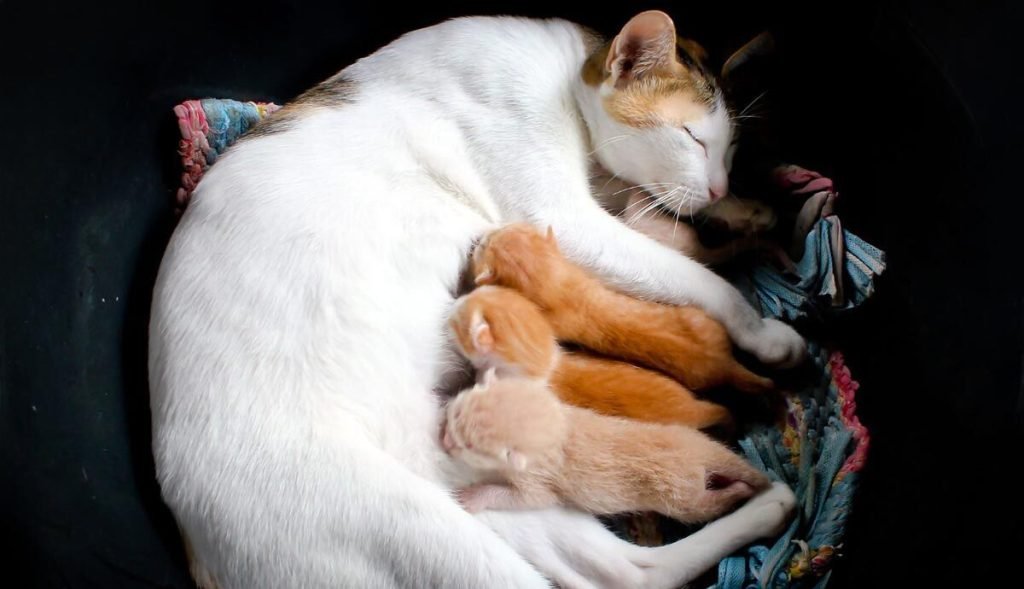
Are you curious about how long cat pregnancies last? If you have a feline friend or are thinking about adopting a pregnant cat, understanding the timeline is important.
Knowing what to expect can help you prepare and take the best care of your cat during this special time. You’ll discover the key stages of a cat’s pregnancy and learn how to recognize signs that your cat is ready to welcome her kittens.
Keep reading to get all the essential information you need to support your furry companion every step of the way.
Cat Pregnancy Duration
Understanding the duration of a cat’s pregnancy is key to preparing for the arrival of new kittens. Cat pregnancy, also called the gestation period, usually lasts just under two months but can vary slightly. Knowing this timeline helps you provide the best care for your cat during this delicate phase.
Typical Length Of Cat Pregnancy
Most cat pregnancies last between 63 and 65 days. However, it’s normal for some cats to give birth a few days earlier or later, anywhere from 58 to 70 days. This variation depends on factors like the cat’s age, breed, and health.
Have you noticed your cat acting differently around the two-month mark? This timing often coincides with her preparing to give birth, signaling it’s time to create a comfortable nesting space.
Factors That Influence Gestation Period
- Breed Differences:Larger breeds like Maine Coons might have slightly longer pregnancies.
- Number of Kittens:A smaller litter may lead to a longer pregnancy, while a large litter can shorten it.
- Health and Nutrition:A healthy, well-fed cat usually experiences a normal gestation period.
Keep an eye on your cat’s overall health during pregnancy. Proper nutrition and veterinary checkups can prevent complications that might affect the length of her pregnancy.
Signs That Birth Is Near
As the pregnancy nears its end, your cat may show clear signs that labor is imminent. These include restlessness, nesting behavior, and a drop in body temperature. Knowing these signs helps you support your cat and prepare for a smooth delivery.
Have you prepared a quiet and warm place for your cat to give birth? This simple step can make a big difference in her comfort and safety during labor.

Credit: www.discovermagazine.com
Signs Of A Pregnant Cat
Recognizing the signs of a pregnant cat can help you provide the best care for her and prepare for the arrival of kittens. Pregnancy in cats brings several noticeable changes, both physical and behavioral. Understanding these signs early can make a big difference in ensuring a healthy pregnancy and a smooth delivery.
Physical Changes To Watch For
One of the first signs you might notice is a change in your cat’s nipples. They often become pinker and more prominent, a process called “pinking up.” This change usually appears around the third week of pregnancy.
Your cat’s abdomen will also start to enlarge as the kittens grow. This usually becomes noticeable around the fourth week but can vary depending on the cat’s size and number of kittens.
Behavioral Changes In A Pregnant Cat
Pregnant cats often become more affectionate or, conversely, more withdrawn. You might notice your cat seeking more attention or suddenly wanting to be left alone.
Some cats show nesting behavior, searching for quiet, safe places to give birth. If your cat starts spending more time in hidden spots, it might be a sign she’s preparing for motherhood.
Changes In Appetite And Energy Levels
Many pregnant cats experience an increase in appetite around the second or third week. However, some may have a temporary loss of appetite during early pregnancy, similar to morning sickness in humans.
You might also see changes in energy. Your cat may become less active and prefer resting more as her body works hard to support the growing kittens.
How To Confirm Your Cat’s Pregnancy
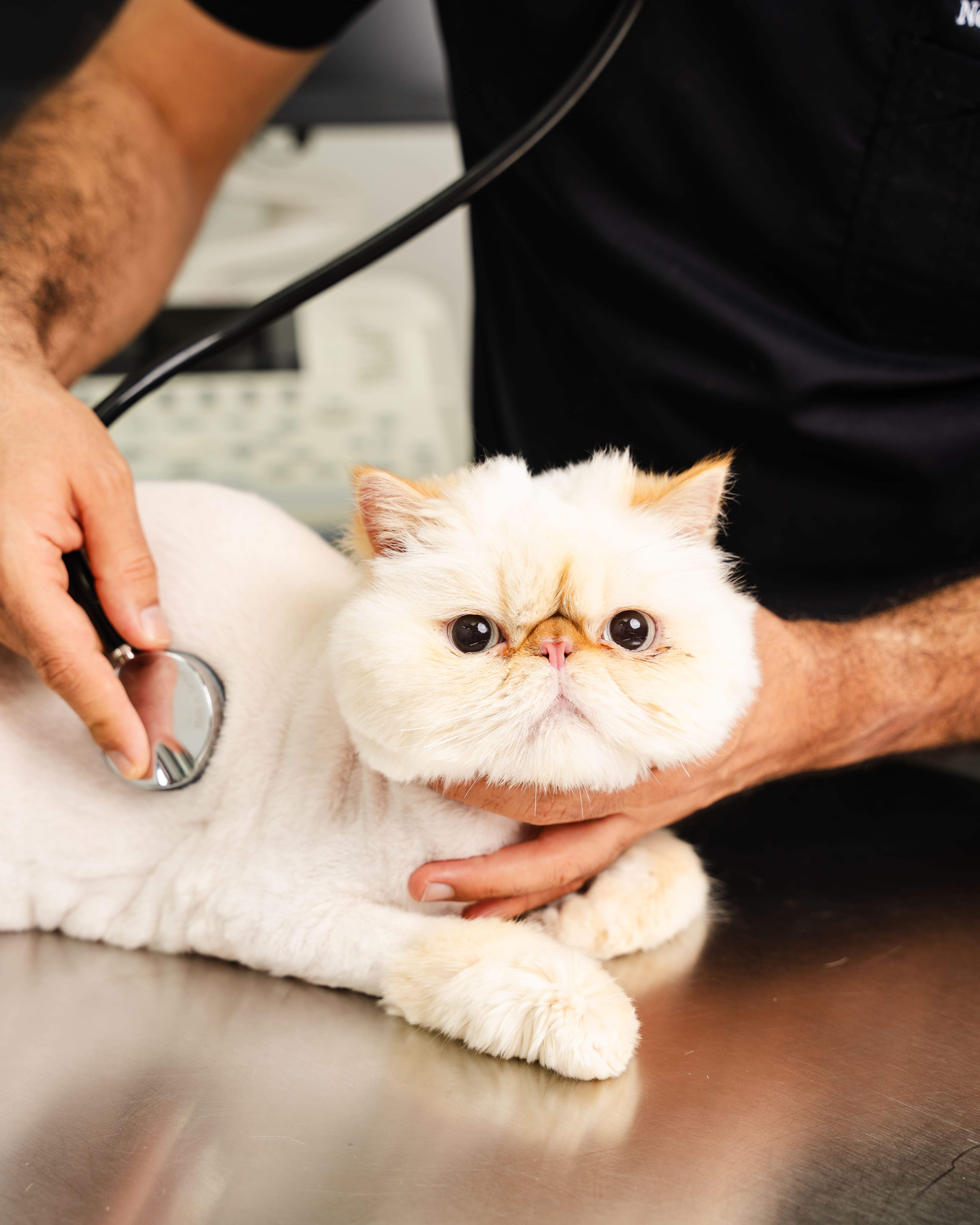
If you suspect your cat is pregnant, a visit to the vet is the best way to confirm. Ultrasounds can detect pregnancy as early as two weeks, and the vet can also check your cat’s overall health.
Keep in mind that some signs can be similar to other health conditions. Only a professional can provide a clear diagnosis and guide you on proper care.
Stages Of Cat Pregnancy
Cat pregnancy lasts about 63 to 65 days. It has three main stages. Each stage brings important changes in the mother cat and her kittens. Understanding these stages helps provide the right care. Here is what happens in each stage of cat pregnancy.
Early Stage
This stage lasts for about the first two weeks. The fertilized eggs move to the uterus. The mother cat may show small changes in behavior. She might eat a little less or be more tired. No visible signs appear yet. This is a crucial time for kitten development.
Middle Stage
The middle stage covers weeks three to six. Kittens start growing rapidly inside the mother. You may notice the cat’s belly growing bigger. Her nipples become pinker and larger. The mother cat’s appetite usually increases. She may seek more attention and rest more often.
Final Stage
The last stage is from week seven to birth. The mother’s belly is very round and heavy now. She may become restless or hide in quiet places. Nesting behavior begins as she prepares for delivery. Watch for signs of labor, such as pacing or licking her genitals. This stage needs gentle care and calm surroundings.
Health And Nutrition Tips
Keeping your pregnant cat healthy requires extra attention to her diet and activity. Proper health and nutrition help support her and her growing kittens. Small changes in what she eats and how she moves can make a big difference during this crucial time.
Dietary Needs
Your cat’s nutritional needs increase significantly during pregnancy. She needs food rich in protein and calories to support her energy and the development of her kittens.
Choose high-quality kitten food rather than adult cat food. Kitten formulas provide the extra nutrients she requires, including calcium, which is essential for strong bones.
- Feed smaller, more frequent meals to ease digestion.
- Ensure constant access to fresh water to stay hydrated.
- Avoid giving her any supplements or vitamins unless your vet recommends them.
Have you noticed how your cat’s appetite changes during pregnancy? Monitoring her eating habits helps you adjust portions and avoid overfeeding or underfeeding.
Exercise Recommendations
While your cat needs rest, light exercise is still important for her well-being. Gentle play or short periods of movement help maintain muscle tone and reduce stress.
Avoid vigorous activities or anything that risks injury. Encourage her to stretch or chase toys at her own pace.
- Create a safe, calm environment for her to explore.
- Use interactive toys that promote gentle movement.
- Watch for signs of tiredness or discomfort and let her rest as needed.
Have you tried simple play sessions with your pregnant cat? It can boost her mood and keep her body healthy without overexertion.
Preparing For Birth
Preparing for your cat’s birth is a crucial step that can make a big difference in how smoothly everything goes. You want to create a calm, safe space where your cat feels secure. This will help reduce stress for both you and your feline friend as the big day approaches.
Setting Up A Nesting Area
Your cat instinctively looks for a quiet, warm place to give birth. Choose a spot away from loud noises and heavy foot traffic. A cozy corner in a quiet room is often ideal.
Use a box or a pet bed with high sides to provide privacy and protect the kittens. Line it with soft blankets or towels that can be easily washed. Make sure the nesting area is easily accessible to your cat but out of reach of other pets or small children.
Ask yourself: Would you feel safe giving birth in this spot? If the answer is no, keep adjusting the space until it feels right. Your cat’s comfort is key to a smooth delivery.
Gathering Supplies
Having the right supplies ready can make you feel more confident and prepared. Keep everything in one place so you’re not scrambling at the last minute.
- Clean towels for drying kittens
- Disposable gloves to keep things sanitary
- Heating pad or hot water bottle wrapped in a towel to keep newborns warm
- Scissors and dental floss for emergencies, like tying off umbilical cords
- Contact information for your vet or emergency animal hospital
Think about how quickly you can get help if something doesn’t go as planned. Having a phone nearby and knowing your vet’s emergency number can be a lifesaver.
Credit: noblevetclinic.com
Post-birth Care
Post-birth care is crucial for both the mother cat and her kittens. It ensures their health and comfort during this vulnerable time. Paying close attention to their needs can prevent complications and promote a smooth recovery.
Monitoring The Mother
Keep a close eye on your cat’s behavior after she gives birth. Watch for signs of distress, such as excessive panting, restlessness, or refusal to eat. These could indicate complications that require immediate veterinary attention.
Check her nipples and mammary glands regularly. They should be free from swelling or redness, which might signal mastitis. Also, monitor her energy levels—she should start to regain strength within a few days.
Ask yourself: Is she grooming herself and her kittens? A mother who neglects these tasks may be unwell or stressed. Provide a quiet, comfortable space to help her feel secure.
Caring For Newborn Kittens
Newborn kittens need warmth and frequent feeding to thrive. Make sure they are nursing properly and gaining weight each day. If any kitten seems weak or isn’t feeding, consult your vet promptly.
Keep the nesting area clean and dry. Change bedding regularly to prevent infections. You might notice the mother gently licking her kittens—this stimulates their circulation and helps them eliminate waste.
Consider this: How often are you checking on the kittens? Frequent, gentle checks can help you spot problems early. Remember, newborns are fragile, and your care makes a big difference in their survival and growth.
When To Contact A Veterinarian
Knowing when to contact a veterinarian during your cat’s pregnancy is crucial. Some signs show that your cat needs medical help quickly. Early care can keep both mother and kittens healthy.
Watch closely for any unusual behavior or symptoms. Your cat may hide pain or discomfort. Acting fast can prevent serious problems during pregnancy.
Signs Of Labor Complications
- Strong contractions lasting over an hour without kittens being born
- Bleeding that is heavy or smells bad
- Visible distress or excessive panting
- More than two hours between kittens during labor
Unusual Symptoms During Pregnancy
- Loss of appetite lasting more than 24 hours
- Severe vomiting or diarrhea
- Swollen or painful abdomen
- Discharge from the vagina that is green, yellow, or has a foul smell
General Health Concerns
- Weakness or collapse
- High fever above 103°F (39.4°C)
- Difficulty breathing or coughing
- Sudden weight loss or gain
When Labor Does Not Start
If your cat is overdue by more than a week, call your vet. A delay could signal a problem with the pregnancy or kittens.

Credit: www.reddit.com
Frequently Asked Questions
How Long Is A Cat’s Pregnancy Typically?
A cat’s pregnancy usually lasts between 63 and 65 days. This period is about nine weeks from conception to birth. Variations of a few days are normal depending on the breed and health of the cat.
What Signs Indicate A Cat Is Pregnant?
Common signs include weight gain, enlarged nipples, and changes in behavior. Pregnant cats may also show nesting behavior and increased appetite. Early vet visits confirm pregnancy and monitor health.
Can Cat Pregnancy Length Vary By Breed?
Yes, pregnancy length can vary slightly by breed. Most cats have similar gestation periods, but some larger breeds may have longer pregnancies. Always consult a vet for specific breed-related information.
When Should I Take A Pregnant Cat To The Vet?
Take your cat to the vet as soon as pregnancy is suspected. Early check-ups ensure the health of both mother and kittens. Regular visits help manage nutrition and prevent complications.
Conclusion
Cat pregnancies usually last about 63 to 65 days. This short time means cats develop quickly. Watching your cat’s health is very important. Signs like restlessness or nesting show birth is near. Knowing the timeline helps you prepare well. Your care supports a safe, healthy delivery.
Stay calm and patient during this time. Every cat and litter may differ slightly. Being ready helps both you and your cat. Expect little kittens soon—an exciting new chapter!
