

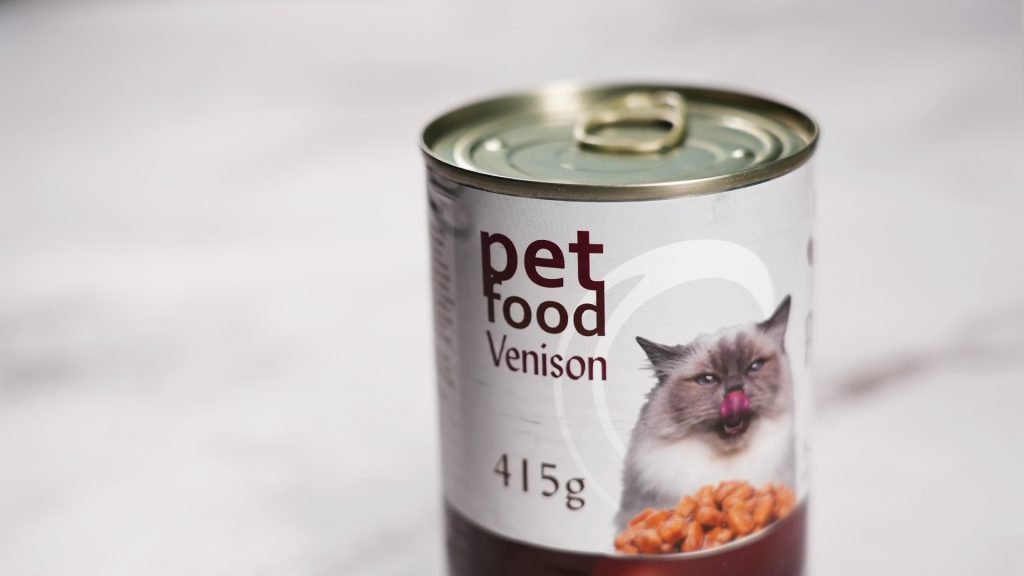
Have you ever wondered how long you can leave wet cat food out before it goes bad? You want to keep your furry friend safe and healthy, but it’s not always easy to know when that tasty meal becomes risky.
Leaving wet food out too long can lead to spoilage and even make your cat sick. You’ll discover the simple rules you need to follow to protect your pet—and avoid wasting food. Keep reading to learn exactly how to handle wet cat food safely and confidently.

Credit: www.wikihow.com
Risks Of Leaving Wet Cat Food Out
Leaving wet cat food out for too long can lead to several risks that directly affect your cat’s health and well-being. Understanding these dangers helps you make better choices about feeding times and storage. Let’s dive into the main risks to watch out for.
Bacterial Growth And Contamination
Wet cat food contains moisture, creating an ideal environment for bacteria to multiply rapidly once exposed to air. After just a couple of hours at room temperature, harmful bacteria like Salmonella and E. coli can start to grow.
Have you ever noticed a sour smell or a change in texture when your cat’s food has been left out? That’s a sign bacteria might be taking over. Feeding contaminated food can not only upset your cat’s stomach but also pose a risk to your family if proper hygiene isn’t maintained.
Health Issues For Cats
Eating spoiled wet food can cause vomiting, diarrhea, and dehydration in cats. In severe cases, it might lead to food poisoning or more serious infections that require veterinary care.
Think about your cat’s sensitive digestive system. Even a small amount of bad bacteria can trigger discomfort or illness. Protecting your cat means not leaving wet food out beyond the safe window—usually no more than two hours.
Credit: www.petco.com
Safe Time Limits For Wet Cat Food
Knowing the safe time limits for leaving wet cat food out is crucial for your cat’s health and your peace of mind. Wet cat food can spoil quickly, creating a risk for bacterial growth that could make your pet sick. Understanding how long you can safely leave it out helps you avoid waste and keeps your feline friend happy and healthy.
Room Temperature Guidelines
At room temperature, wet cat food should not be left out for more than 2 hours. Beyond this time, bacteria start to multiply rapidly, increasing the risk of foodborne illness. If the room is cooler, close to 70°F (21°C), you might stretch this slightly, but it’s best not to push the limit.
Once your cat finishes eating, remove any leftovers promptly. If your cat doesn’t eat all the food within 2 hours, discard it rather than refrigerate, as bacteria may have already started to grow. It’s better to offer smaller portions more frequently than risk spoilage.
Variations By Climate And Season
Hot and humid climates reduce the safe time for leaving wet cat food out. When temperatures rise above 85°F (29°C), bacteria multiply faster, meaning wet food should be removed within 1 hour. During summer or in warm kitchens, it’s wise to monitor feeding times closely.
In cooler seasons or climates, you can be a bit more flexible but still stick to the 2-hour rule. Even in winter, wet food left out for several hours becomes unsafe. Consider how your home’s heating or air conditioning affects the actual temperature around the food bowl.
Have you ever noticed your cat turning up their nose at food left out too long? That’s a natural warning sign. Paying attention to temperature and timing can save you from health risks and wasted food.
Storage Tips For Wet Cat Food
Storing wet cat food correctly keeps it fresh and safe for your pet. Proper storage prevents spoilage and maintains flavor. It also helps avoid bacterial growth that can harm your cat. Follow these tips to store wet cat food effectively and extend its shelf life.
Proper Refrigeration Techniques
Place leftover wet cat food in the fridge within two hours. Keep the temperature at or below 40°F (4°C). Store the food on a middle or lower shelf, not the door. The door’s temperature changes often, risking spoilage. Avoid leaving the food out at room temperature for long. Use the food within 24 to 48 hours after opening.
Using Airtight Containers
Transfer wet cat food to a clean, airtight container after opening. This stops air from drying out the food or causing bacteria growth. Use small containers to store only the amount your cat will eat. Label the container with the opening date to track freshness. Avoid storing food in the original can once opened, as it can oxidize and spoil faster.
Signs Spoiled Wet Cat Food
Knowing the signs of spoiled wet cat food helps protect your pet’s health. Spoiled food can cause stomach issues or worse. Cats cannot always tell if food is bad. Owners must check food before feeding.
Changes In Smell And Appearance
Spoiled wet cat food often smells sour or rancid. Fresh food has a mild, meaty aroma. If the smell is strong or unpleasant, it is unsafe.
Look for changes in color. Spoiled food may look darker or have mold spots. Texture can become slimy or dry. These are clear signs to discard the food immediately.
Behavioral Changes In Cats
Cats may refuse to eat spoiled food. They might sniff and walk away. Eating bad food can cause vomiting, diarrhea, or lethargy.
Watch for sudden changes in appetite or energy. If your cat acts sick after eating, check the food first. Early detection prevents serious health problems.
Feeding Practices To Avoid Waste
Proper feeding practices help reduce wasted wet cat food. Wet food spoils quickly if left out too long. This leads to waste and can harm your cat’s health. Smart feeding habits keep food fresh and minimize leftovers. They also help control your cat’s weight and nutrition.
Portion Control Strategies
Serve small amounts of wet food at a time. Cats eat better in smaller portions. Use the feeding guidelines on the food label. Observe your cat’s appetite and adjust portions as needed. Avoid overfeeding to prevent leftover food. Store opened cans properly to keep food fresh.
- Measure food with a scoop or scale
- Feed multiple small meals daily
- Watch your cat’s eating habits closely
- Discard uneaten food after two hours
Scheduled Feeding Vs Free Feeding
Scheduled feeding means giving food at set times. This helps control portions and reduces waste. Cats learn to eat during meal times. Leftover food can be removed promptly, preventing spoilage.
Free feeding means leaving food out all day. This can cause food to go bad. Cats may overeat or ignore food, creating waste. Wet food is not suited for free feeding due to quick spoilage.
| Scheduled Feeding | Free Feeding |
|---|---|
| Food given 2-3 times daily | Food available all day |
| Better portion control | Higher risk of spoilage |
| Less waste | More food waste |
| Encourages routine | Can lead to overeating |

Credit: www.wikihow.com
Alternatives To Leaving Food Out
Leaving wet cat food out for long periods can cause spoilage and health risks. Finding good alternatives helps keep your cat healthy and happy. These options ensure fresh food without the worry of bacteria growth or waste.
Automatic Feeders
Automatic feeders release food at set times. They keep food fresh and portion-controlled. This stops food from sitting out too long. You can schedule several small meals a day. Your cat gets fresh food regularly. These devices also reduce overeating and food waste.
Using Fresh Food Portions
Serving smaller portions more often keeps food fresh. Prepare only what your cat can eat in one sitting. This avoids leftovers that spoil quickly. Store unopened food in the fridge or freezer. Warm the food slightly before serving. This method gives your cat fresh, tasty meals every time.
Frequently Asked Questions
How Long Can Wet Cat Food Stay Out Safely?
Wet cat food can safely stay out for up to 2 hours at room temperature. After 2 hours, bacteria growth increases, risking your cat’s health. If the room is hot, reduce this time. Always refrigerate leftovers promptly to keep the food fresh and safe.
What Happens If Wet Cat Food Is Left Out Too Long?
Leaving wet cat food out too long causes bacterial growth. This can lead to spoilage and potential food poisoning for your cat. Spoiled food smells bad and changes texture. Feeding spoiled food can cause vomiting, diarrhea, and other health issues in cats.
Should I Refrigerate Leftover Wet Cat Food?
Yes, always refrigerate leftover wet cat food within 2 hours. Store it in an airtight container to maintain freshness. Refrigeration slows bacterial growth and prevents spoilage. Use refrigerated leftovers within 24-48 hours to ensure safety and quality for your cat.
Can Cold Weather Extend Wet Cat Food Safety Time?
Cold weather can slightly extend wet cat food safety time. Lower temperatures slow bacterial growth, but do not exceed 4 hours at room temperature. Always use caution and refrigerate leftovers promptly to avoid health risks for your cat.
Conclusion
Wet cat food should not stay out too long. Bacteria grow fast in warm food. Leaving food out for more than two hours can be risky. Always store leftovers in the fridge quickly. Serving fresh food keeps your cat healthy and happy.
Pay attention to your cat’s eating habits. Clean bowls regularly to avoid germs. Taking these simple steps helps prevent sickness. Your cat deserves safe and fresh meals every day. Keep food fresh, and your pet will thank you.
