

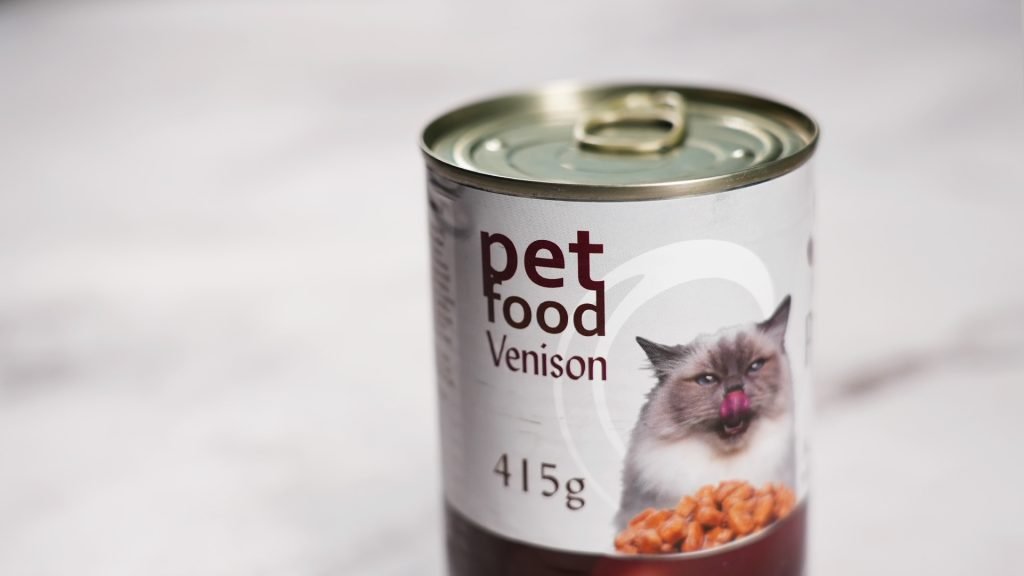
You love giving your cat the best, and wet cat food is often the tastiest choice. But have you ever wondered how long you can leave it out before it goes bad?
Leaving wet cat food out too long can cause it to spoil, risking your furry friend’s health. Knowing the safe time frame can save you from unnecessary worry and keep your cat happy and healthy. Keep reading to discover exactly how long wet cat food can stay out, and learn simple tips to keep your pet’s meals fresh every time.
Risks Of Leaving Wet Cat Food Out
Leaving wet cat food out for too long can cause serious problems. The food can spoil quickly, creating risks for your cat’s health. Understanding these risks helps keep your pet safe and healthy.
Bacterial Growth And Contamination
Wet cat food is moist, which makes it a perfect place for bacteria to grow. Bacteria multiply fast at room temperature. The longer food stays out, the more bacteria it can have. Contaminated food can cause illness in cats.
Impact On Cat’s Health
Eating spoiled food can upset your cat’s stomach. Symptoms may include vomiting, diarrhea, and loss of appetite. Infections from bacteria can be serious. Some bacteria produce toxins that harm your cat’s organs. Keeping food fresh protects your cat from these dangers.
Signs Of Spoiled Food
- Unpleasant or sour smell
- Change in color or texture
- Sticky or slimy surface
- Mold or unusual spots
Always check wet food before feeding. If you see these signs, do not give it to your cat.

Credit: www.wikihow.com
Safe Time Limits For Wet Cat Food
Safe time limits for wet cat food are crucial for your cat’s health. Wet food spoils faster than dry food, so you must be careful. Knowing how long wet cat food stays fresh helps prevent illness.
Leaving wet food out too long can cause bacteria growth. This can lead to stomach upset or worse problems for your cat. Understanding safe time limits keeps your pet safe and happy.
Room Temperature Guidelines
Wet cat food should not stay out more than two hours at room temperature. Warmer rooms shorten this time. If the room is above 85°F (29°C), the food may spoil in just one hour.
Always check the food before giving it to your cat. If it smells bad or looks dry, throw it away. Do not feed spoiled food to your cat.
Effects Of Ambient Temperature
Higher temperatures speed up bacteria growth in wet cat food. In summer or hot rooms, wet food can go bad quickly. Cooler rooms slow down spoilage, but still, do not leave food out too long.
Cold temperatures below 40°F (4°C) can keep opened wet food safe for several days if refrigerated. Always store leftovers in the fridge to keep them fresh.
Comparison With Dry Cat Food
Dry cat food lasts longer outside than wet food. It can stay out all day without spoiling. Dry food has low moisture, which slows bacteria growth.
Wet food has high moisture, making it easy for bacteria to grow fast. This is why wet food needs more careful handling than dry food. Always follow safe time limits to protect your cat’s health.
Storage Tips For Wet Cat Food
Proper storage of wet cat food keeps it fresh and safe for your pet. It helps stop bacteria growth and bad smells. Follow simple steps to store wet cat food correctly after opening. This keeps the food tasty and healthy for your cat.
Refrigeration Best Practices
Store opened wet cat food in the refrigerator quickly. Keep it cold at or below 40°F (4°C). Use the original can or transfer food to a clean container. Do not leave wet food out for more than two hours. Cold temperatures slow bacterial growth and keep food fresh longer.
Using Airtight Containers
Use airtight containers to store leftover wet cat food. They prevent air from entering and drying the food. Airtight containers also stop strong smells from spreading in the fridge. Choose containers made of glass or BPA-free plastic for safety. Label containers with the date to track freshness.
Avoiding Cross-contamination
Keep wet cat food separate from raw meat or other foods. Use clean utensils each time to serve the food. Never put leftover food back into the original can. Wash hands and containers thoroughly to prevent germs. Proper hygiene avoids foodborne illness and keeps your cat safe.

Credit: www.wikihow.com
Feeding Habits To Minimize Waste
Managing your cat’s feeding habits plays a crucial role in minimizing wet food waste. Leftover wet food not only spoils quickly but can also attract pests and create unpleasant odors. By adjusting how and when you feed your cat, you can ensure they eat fresh portions every time, reducing waste and saving money.
Portion Control Strategies
Start by measuring your cat’s daily wet food needs accurately. Most feeding guidelines on packaging are a helpful baseline, but observe how much your cat actually eats to adjust portions.
Try feeding smaller amounts more frequently rather than one large serving. This helps avoid leftover food sitting out too long and keeps your cat interested in their meals.
Have you noticed your cat leaving half their bowl untouched? Cut back the portion next time and see if they finish it completely. This simple tweak can cut waste dramatically.
Scheduled Feeding Vs Free Feeding
Scheduled feeding involves providing meals at specific times and removing uneaten food after a set period. This method limits the time wet food is left out, keeping it fresh and safe.
Free feeding, where food is always available, can lead to spoilage since wet food dries out quickly. It works better for dry food but isn’t ideal for wet food.
Think about your cat’s routine and personality. Does your cat graze throughout the day or prefer set meal times? Align feeding style with their habits to minimize leftover wet food.
Monitoring Your Cat’s Appetite
Pay attention to changes in your cat’s eating patterns. A sudden drop in appetite might mean they are bored with the food or feeling unwell.
Keep a feeding diary for a few days, noting how much your cat eats and when. This helps spot trends and avoid overfeeding.
Have you tried rotating wet food flavors or brands? Sometimes variety can stimulate appetite and reduce waste from uneaten meals.
When To Discard Leftover Wet Food
Knowing when to discard leftover wet cat food helps keep your pet safe. Wet food can spoil quickly if left out. Spoiled food may cause stomach problems or worse. It is important to check food before feeding your cat again. Use simple tests to decide if the food is still good.
Visual And Smell Checks
Look closely at the leftover wet food. Check for changes in color or texture. Slimy or moldy spots mean it is unsafe. Smell the food gently. A sour or bad odor signals spoilage. If the food looks or smells odd, throw it away.
Time-based Disposal Rules
Wet cat food should not sit out more than two hours. In warm rooms, this time can be shorter. After two hours, bacteria grow fast. Even if the food looks fine, it may be unsafe. If you cannot refrigerate leftovers quickly, discard them.
Preventing Foodborne Illness
Serve fresh portions to avoid waste and illness. Clean your cat’s bowl after each meal. Store unused wet food in the fridge promptly. Use airtight containers to keep food fresh. These steps reduce the risk of your cat getting sick.

Credit: www.wikihow.com
Alternatives To Leaving Food Out
Leaving wet cat food out for long periods can lead to spoilage and health risks for your feline friend. Luckily, there are smart alternatives to keep your cat’s meals fresh without constant supervision. These options help maintain food quality and ensure your cat enjoys every bite safely.
Using Food Warmers
Food warmers are a great way to keep wet cat food at a safe temperature throughout mealtime. These devices prevent the food from cooling down too quickly, which can make it less appealing to your cat. You can find electric warmers or insulated bowls designed specifically for pet food.
Think about how often you heat your own meals to keep them tasty. Your cat deserves the same care. Using a food warmer means you don’t have to worry about food sitting out and going bad, especially if your cat takes their time eating.
Multiple Small Meals
Instead of leaving a large portion out all day, try feeding your cat smaller meals more frequently. This approach reduces the risk of food spoiling and keeps your cat interested in mealtime. You can divide a single can of wet food into multiple servings and refrigerate the extras.
Setting a feeding schedule also helps your cat develop a routine, which many cats find comforting. Have you noticed how your cat reacts when food isn’t available all the time? Offering smaller, fresh portions can improve their appetite and digestion.
Switching To Dry Food Options
Dry cat food offers a convenient alternative when you’re concerned about wet food spoiling. It can be left out safely for longer periods without losing quality. This makes it a practical choice for busy pet owners or those who prefer free-feeding.
While dry food lacks the moisture content of wet food, you can balance your cat’s diet by adding water or broth to their meals. This keeps them hydrated and supports their health. Have you tried mixing textures to see what your cat prefers?
Frequently Asked Questions
How Long Can Wet Cat Food Stay Out Safely?
Wet cat food can be left out for up to two hours at room temperature. Beyond this, harmful bacteria grow rapidly, risking your cat’s health. In warm environments, reduce this time to one hour to ensure safety.
Is Refrigerated Wet Cat Food Safe After Opening?
Yes, opened wet cat food should be refrigerated immediately. It stays fresh for 3-4 days when sealed properly in the fridge. Always use an airtight container to maintain quality and prevent spoilage.
What Happens If Wet Cat Food Is Left Out Too Long?
Leaving wet cat food out too long causes bacterial growth. This leads to spoilage, unpleasant odors, and potential food poisoning in cats. It’s best to discard any food left out beyond the safe time frame.
Can I Warm Up Refrigerated Wet Cat Food?
Yes, you can warm refrigerated wet cat food slightly before serving. Use a microwave or warm water bath, ensuring it’s not too hot. Warm food enhances aroma and encourages cats to eat more.
Conclusion
Wet cat food should not sit out more than two hours. Bacteria grow fast in warm food. Leaving food out too long can make your cat sick. Always store leftovers in the fridge quickly. Serve fresh food to keep your cat healthy and happy.
Watch your cat’s eating habits and clean bowls often. This helps avoid waste and keeps your pet safe. Simple steps protect your furry friend every day. Safe feeding means a healthy, happy cat at home.
