

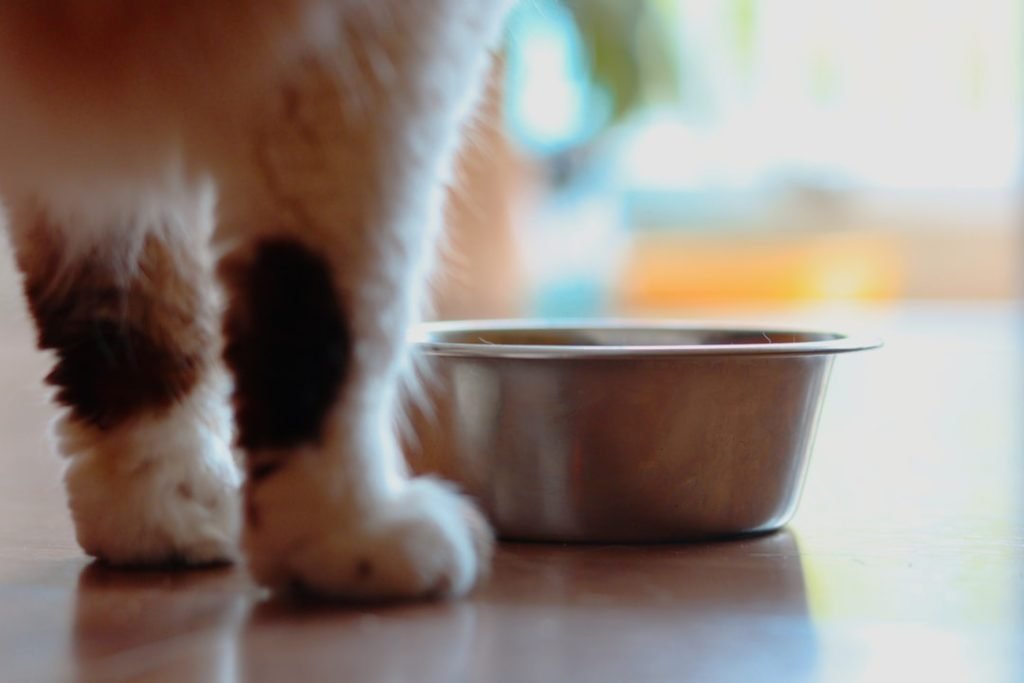
Have you ever wondered how long your cat can go without food? It’s a question every cat owner should know the answer to.
When your furry friend stops eating, it’s natural to worry and ask yourself, “Is this serious? ” Understanding how long a cat can safely go without food can help you act quickly and protect your pet’s health. You’ll discover key facts and signs to watch for, so you’re always prepared to keep your cat safe and healthy.
Keep reading—your cat depends on you.

Credit: www.aol.com
Cat’s Food Needs
Cats need a balanced diet to stay healthy and active. Their food needs depend on age, weight, and health. Understanding these needs helps prevent problems caused by not eating enough. Cats cannot store fat like some animals, so regular feeding is important.
Daily Nutritional Requirements
Cats require protein, fats, vitamins, and minerals every day. Protein is vital for muscle and tissue repair. Fat provides energy and supports skin and coat health. Vitamins and minerals help the immune system and overall body function.
- Protein should make up about 30-40% of their diet.
- Fat content ranges from 15-25% depending on activity level.
- Water is essential to prevent dehydration.
Feeding high-quality commercial cat food can meet these needs. Homemade diets need careful planning to avoid nutrient gaps.
Factors Affecting Appetite
Many things affect a cat’s desire to eat. Illness, stress, or changes in environment can reduce appetite. Age also plays a role; older cats may eat less.
- Dental problems can cause pain while eating.
- Changes in food type or brand can cause refusal.
- Stress from moving or new pets can lower hunger.
Monitoring eating habits helps catch health issues early. Cats should not go more than 24-48 hours without food. Loss of appetite can lead to serious liver problems quickly.

Credit: felinefancy.co.uk
Survival Without Food
Understanding how long a cat can survive without food is crucial for any cat owner. Cats rely heavily on regular nutrition to maintain their health and energy. When deprived of food, their bodies start to use stored energy, but this process only lasts so long before serious health issues arise.
Average Time Cats Can Last
Cats can generally survive without food for about one to two weeks, but this depends on several factors like their age, health, and hydration level. However, even a few days without eating can cause significant damage to their organs, especially their liver.
dehydration worsens the situation quickly, so water intake is just as important as food. If your cat stops eating for more than 24 hours, it’s important to seek veterinary advice immediately. Have you ever noticed your cat refusing food? That could be a warning sign you shouldn’t ignore.
Differences Between Cats And Other Pets
Cats are obligate carnivores, meaning their bodies are built to process meat and specific nutrients they can’t get elsewhere. This makes their survival without food different from other pets like dogs or rabbits, which are omnivores or herbivores.
Dogs, for example, can usually last longer without food due to their ability to digest a wider variety of nutrients. Cats also have a unique metabolism that makes them more vulnerable to fasting. This means your cat can become critically ill faster than other pets if it stops eating.
Knowing these differences helps you understand why you must act quickly if your cat refuses food. What would you do if your cat suddenly stopped eating today?
Health Risks Of Fasting
Understanding the health risks of fasting is crucial if your cat stops eating. Cats rely heavily on regular nutrition to keep their bodies functioning. Missing meals isn’t just about hunger; it can lead to serious medical problems quickly.
Dehydration Dangers
Dehydration can set in rapidly when a cat refuses both food and water. Even if your cat appears sleepy or inactive, inside their body, water loss is stressing vital organs. Without enough fluids, blood thickens, making it harder for the heart to pump and for kidneys to filter toxins.
Have you noticed your cat’s gums becoming sticky or dry? This is a clear sign of dehydration. Immediate action is necessary to prevent further harm.
Liver Problems
Cats are prone to a condition called hepatic lipidosis, or fatty liver disease, when they don’t eat for several days. Without food, the body starts breaking down fat quickly, overwhelming the liver. This causes toxins to build up, leading to severe liver damage.
I once cared for a cat who stopped eating after surgery. Within days, the vet warned that if feeding didn’t resume, the liver could fail. This experience showed me how fragile a cat’s liver health is during fasting.
Weakness And Organ Failure
Extended fasting drains your cat’s energy, causing weakness and lethargy. The heart, kidneys, and other organs need nutrients to keep working properly. Without them, these organs begin to fail, which can be life-threatening.
Have you seen your cat struggling to move or respond? These are signs their body is shutting down. Acting quickly to restore nutrition can save your cat’s life.

Credit: www.aol.com
Signs Of Starvation
Recognizing the signs of starvation in your cat is crucial for timely intervention. Cats can experience subtle changes before severe health issues appear. Paying attention to these signs can help you act quickly to save your cat’s health and well-being.
Behavioral Changes
Your cat might suddenly seem less active or hide more than usual. They could also show irritability or become unusually clingy, seeking more attention than before.
Loss of appetite is a clear warning sign, but watch for changes in how your cat behaves around food—like sniffing and then walking away. Does your cat seem restless or anxious? These behavioral shifts often signal distress linked to starvation.
Physical Symptoms
Look for weight loss that’s noticeable even when your cat’s fur is thick. Their ribs and spine may become more visible or easy to feel under the skin.
Other signs include sunken eyes, dry or flaky skin, and a dull coat. You might also notice weakness or difficulty standing, which tells you starvation is affecting their muscles and energy levels.
When To Seek Help
Knowing when to seek help if your cat stops eating is crucial. Cats can survive without food for a short time, but the risks grow quickly. Acting early can prevent serious health problems and even save your cat’s life.
Emergency Situations
Some signs mean your cat needs emergency care right away. If your cat is vomiting repeatedly, has diarrhea, or shows signs of severe weakness, don’t wait. A sudden loss of appetite combined with difficulty breathing or collapse is a clear alarm.
Watch for visible dehydration, pale gums, or seizures. These symptoms point to urgent health issues. Have you ever noticed your cat hiding and refusing to eat for more than a day? That’s a red flag.
Veterinary Intervention
If your cat refuses food for more than 24 hours, it’s time to call your vet. Cats can develop a dangerous condition called hepatic lipidosis after just a few days without eating. Early veterinary care can prevent this from becoming life-threatening.
Your vet will likely perform a physical exam and run blood tests. Treatment might include fluids, appetite stimulants, or feeding tubes. Don’t wait for your cat to “just start eating again” on its own—getting professional help improves the chances of a quick recovery.
Preventing Food Refusal
Preventing food refusal in cats is important for their health and well-being. Cats may stop eating due to stress, illness, or changes in their environment. Acting quickly can help avoid serious health problems. Creating a comfortable eating routine and adjusting their diet helps keep cats interested in food.
Encouraging Eating Habits
Create a calm and quiet place for your cat to eat. Avoid loud noises or disturbances during mealtime. Offer food at the same times every day to build a routine. Use clean bowls and fresh water nearby. Warm the food slightly to improve smell and taste. Try hand-feeding or offering small treats to encourage eating. Watch your cat’s body language to understand preferences. Praise your cat gently to make mealtime positive.
Dietary Adjustments
Offer different types of food to find what your cat likes. Mix wet and dry food to add variety. Choose high-quality food with good protein content. Avoid sudden changes in diet; introduce new food slowly over days. Add small amounts of tuna juice or broth to entice eating. Check the expiration date and storage of the food. Consult a vet for special diets if your cat has health issues.
Frequently Asked Questions
How Long Can A Cat Survive Without Food?
A healthy cat can survive about one to two weeks without food. However, it depends on water intake and overall health. Cats need regular nutrition to avoid serious health issues like liver disease. Always seek veterinary advice if your cat stops eating.
What Happens If A Cat Doesn’t Eat For Days?
If a cat doesn’t eat for more than 24-48 hours, it risks developing hepatic lipidosis. This serious liver condition can be fatal without treatment. Lack of food weakens the immune system and causes dehydration. Immediate veterinary care is essential in such cases.
Can A Cat Go Without Water Longer Than Food?
No, cats cannot survive longer without water than food. Cats can only survive a few days without water. Dehydration sets in quickly and causes severe health problems. Always ensure your cat has access to fresh, clean water at all times.
Why Might A Cat Stop Eating Suddenly?
A cat may stop eating due to illness, dental pain, stress, or environmental changes. Loss of appetite often signals underlying health issues that need attention. Early diagnosis and treatment improve recovery chances. Consult a vet if your cat refuses food suddenly.
Conclusion
Cats can only go a few days without food before facing risks. Their bodies need regular energy to stay healthy and strong. Watch for signs if your cat stops eating. Quick action can prevent serious health problems. Always provide fresh food and water daily.
Keep your cat’s diet consistent and balanced. Remember, hunger can signal illness, so consult a vet if needed. Taking care of your cat’s nutrition keeps them happy and safe. Don’t wait too long to seek help—it matters a lot.
