


Washing a cat might sound tricky, and you’re probably wondering how to do it without stressing both you and your furry friend. You want your cat clean, but you also want to keep the experience calm and safe.
What’s the best way to make bath time smooth and even enjoyable? You’ll discover simple, effective steps to wash your cat with confidence. Keep reading to learn tips that will protect your cat’s comfort and keep their fur looking fresh and healthy.
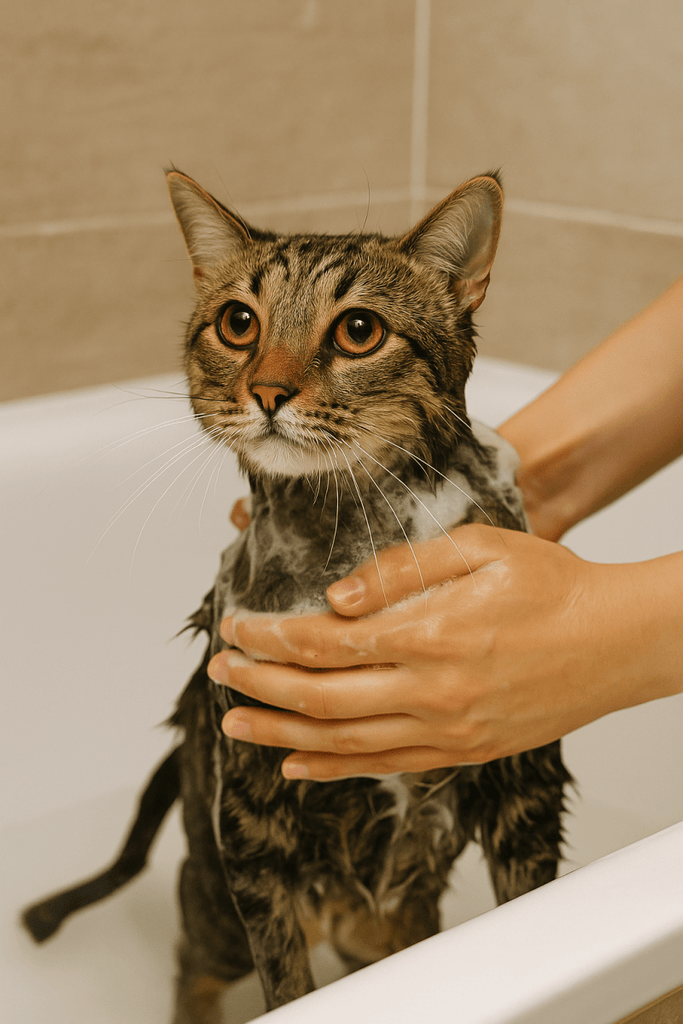
Credit: dirtbusters.co.uk
Preparing For The Bath
Preparing your cat for a bath is key to a smooth experience. Cats dislike water, so planning helps reduce stress. Calm and readiness make the bath faster and safer for both of you.
Gathering Supplies
Collect everything before you start. This includes:
- Cat shampoo (mild and designed for cats)
- A large towel
- A cup or small container for rinsing
- A brush or comb
- Non-slip mat for the tub or sink
- Latex or rubber gloves (optional)
Having all items close helps you stay calm and focused.
Choosing The Right Location
Select a quiet, warm room. The bathroom or kitchen sink works well. A small area limits your cat’s movements. Use a non-slip mat to keep your cat secure. Avoid noisy places to keep your cat calm.
Calming Your Cat
Speak softly and gently pet your cat. Let your cat explore the bath area before starting. Use treats to create positive feelings. Keep movements slow to avoid startling your cat. Patience is important for a calm bath time.
Step-by-step Bathing Process
Bathing a cat can be a smooth experience if you follow the right steps carefully. Cats usually dislike water, so preparing and handling each stage with patience makes a big difference. Let’s break down the bathing process into clear actions that help keep your cat calm and clean.
Brushing Before Bath
Before you even bring out the water, brush your cat thoroughly. This removes loose fur and untangles mats that can worsen when wet. I noticed that my cat stays calmer when I spend time brushing him first, probably because it feels like a gentle routine rather than a sudden bath.
Brushing also gives you a chance to check for any skin issues or wounds that could get irritated during the bath. Would you want to wash an area that’s already sore? Probably not, so this step is crucial.
Water Temperature Tips
Use lukewarm water that feels comfortable to your wrist—not too hot and not cold. Cats are very sensitive to temperature changes, and a wrong water temperature can stress them out quickly. I once tried cold water, and my cat’s reaction was immediate—lots of frantic scratching and meowing.
Always test the water before starting the bath. If you’re unsure about the perfect temperature, think about what feels good on your skin; cats prefer something similar.
Applying Cat-friendly Shampoo
Only use shampoos made specifically for cats to avoid harmful chemicals. Human or dog shampoos can irritate their skin or cause allergic reactions. When you apply shampoo, focus on gentle strokes and avoid the face and ears entirely.
Massaging the shampoo slowly into their fur can help relax your cat. Have you noticed how cats sometimes knead with their paws when calm? A soothing touch during shampooing can create that same comfort.
Rinsing Thoroughly
Rinse your cat carefully to remove all shampoo residue. Leftover shampoo can dry out their skin and cause itching. Use a gentle stream of water, keeping clear of the face, and make sure the water runs clear before stopping.
It might take longer than you expect, but thorough rinsing prevents future discomfort. Imagine wearing soap all day—would you like that?
Drying Your Cat
Wrap your cat in a soft, absorbent towel to start drying right after the bath. Avoid using a hairdryer unless your cat is already used to the noise and sensation. I found that talking softly while drying helps keep my cat calm during this often stressful stage.
Let your cat air-dry in a warm, draft-free room afterward. Have you ever noticed how fast they start grooming after a bath? That’s their way of finishing the drying process and feeling comfortable again.
Common Challenges And Solutions
Washing a cat comes with its unique set of challenges. These obstacles can make the experience stressful for both you and your feline friend. Understanding common issues and how to handle them will help turn bath time into a smoother, less frightening event.
Handling Fear And Resistance
Cats often fear water and the bathing process. To ease their anxiety, start by creating a calm environment with soft voices and gentle movements. Use a non-slip mat in the sink or tub to help your cat feel secure and prevent slipping.
Try introducing water slowly. Instead of plunging your cat into a bath, use a damp cloth to wet them gradually. This gentle approach can reduce panic and build trust.
Have you noticed your cat calming down after a few minutes? Patience and reassurance go a long way in overcoming fear.
Dealing With Scratches
Scratches are a common risk during cat baths. Wearing long sleeves and using thick towels to wrap your cat can protect your skin. If your cat struggles, consider using a grooming glove to maintain better control while keeping your hands safe.
Distract your cat with treats or a favorite toy before and after the bath to create positive associations. Your calmness and confidence can also help your cat feel less defensive and more cooperative.
Cleaning Difficult Areas
Some spots like under the chin, behind the ears, and the paws can be tricky to clean. Use a soft toothbrush or a cloth dipped in water and gentle cat shampoo to reach these areas without causing discomfort.
Focus on one area at a time and speak softly to keep your cat relaxed. If your cat resists, pause and try again later rather than forcing the process.
Have you found any techniques that make cleaning these spots easier? Sharing tips can help others facing the same challenge.
Credit: lvvetspecialtyer.com
Alternative Cleaning Methods
Bathing a cat can be stressful for both the pet and the owner. Many cats dislike water and resist full baths. Alternative cleaning methods offer gentle ways to keep cats clean without a full wash. These techniques maintain hygiene and comfort while reducing stress.
Using Waterless Shampoo
Waterless shampoo is a practical option for cleaning cats without water. It comes in foam or spray forms that you apply to your cat’s fur. Rub the product gently into the coat and then wipe off with a towel. This method removes dirt and oils without soaking your cat. It is quick and less scary for shy cats.
Spot Cleaning Techniques
Spot cleaning targets dirty or sticky areas on your cat’s fur. Use a damp cloth or pet-safe wipes to gently clean these spots. Focus on paws, face, and tail where dirt often gathers. Spot cleaning keeps your cat fresh between baths. It also helps prevent skin problems by removing debris regularly.
Regular Grooming Benefits
Brushing your cat regularly is vital for cleanliness. Grooming removes loose fur, dirt, and prevents mats. It also spreads natural oils that keep the coat shiny and healthy. Regular grooming reduces shedding and hairballs. It strengthens the bond between you and your cat. Most cats enjoy gentle brushing, making it a calm routine.
When To Seek Professional Help
Knowing when to ask for help with washing your cat can save both of you a lot of stress. Some cats simply do not tolerate water or grooming well, and forcing the issue can cause harm or trauma. Recognizing the signs that your cat needs a professional groomer can make the whole process safer and more comfortable.
Signs Your Cat Needs A Groomer
Does your cat struggle aggressively when you try to bathe them? This resistance can lead to scratches or bites, and it’s a clear sign that professional help might be necessary.
Look for matted fur that you can’t safely comb out at home. These tangles can cause discomfort and skin problems if left untreated. Also, if your cat has oily or dirty fur that won’t improve with regular brushing, a groomer’s expertise is invaluable.
Health issues like skin infections, excessive shedding, or flea infestations are additional red flags. Groomers are trained to handle these conditions carefully and can recommend veterinary care if needed.
Choosing A Professional Service
Finding the right groomer means looking for someone experienced with cats specifically. Ask about their approach to handling anxious or aggressive cats. A gentle and patient demeanor is essential.
Visit the facility beforehand if possible. Is it clean and calm? Are the staff knowledgeable and friendly? These details matter when your cat’s comfort is on the line.
Check reviews and ask other cat owners for recommendations. You want a service that values safety and understands feline behavior deeply. And don’t hesitate to discuss your cat’s unique needs before booking an appointment.

Credit: khpet.com
Frequently Asked Questions
How Often Should I Wash My Cat?
Cats generally need washing only every few months. Over-bathing can dry their skin. Regular brushing usually suffices to keep them clean and healthy.
What Is The Best Shampoo For Washing Cats?
Use a shampoo specifically formulated for cats. Avoid human or dog shampoos, as they can irritate your cat’s skin and coat.
How Do I Safely Bathe A Nervous Cat?
Use lukewarm water and keep calm. Hold your cat gently and speak softly. Use a non-slip surface to prevent slipping.
Can I Use A Towel Instead Of A Bath For My Cat?
Yes, a towel bath with damp cloths can clean your cat. It’s less stressful and works well for minor dirt or dust.
Conclusion
Washing a cat can seem tricky but is possible with care. Use warm water and gentle shampoo made for cats. Stay calm and speak softly to keep your cat relaxed. Always dry your cat well after the bath. Regular brushing helps reduce the need for washing.
Remember, patience makes the process easier for both of you. Clean cats stay healthy and happy. Try these tips to make bath time less stressful. You and your cat can get through it together.
