

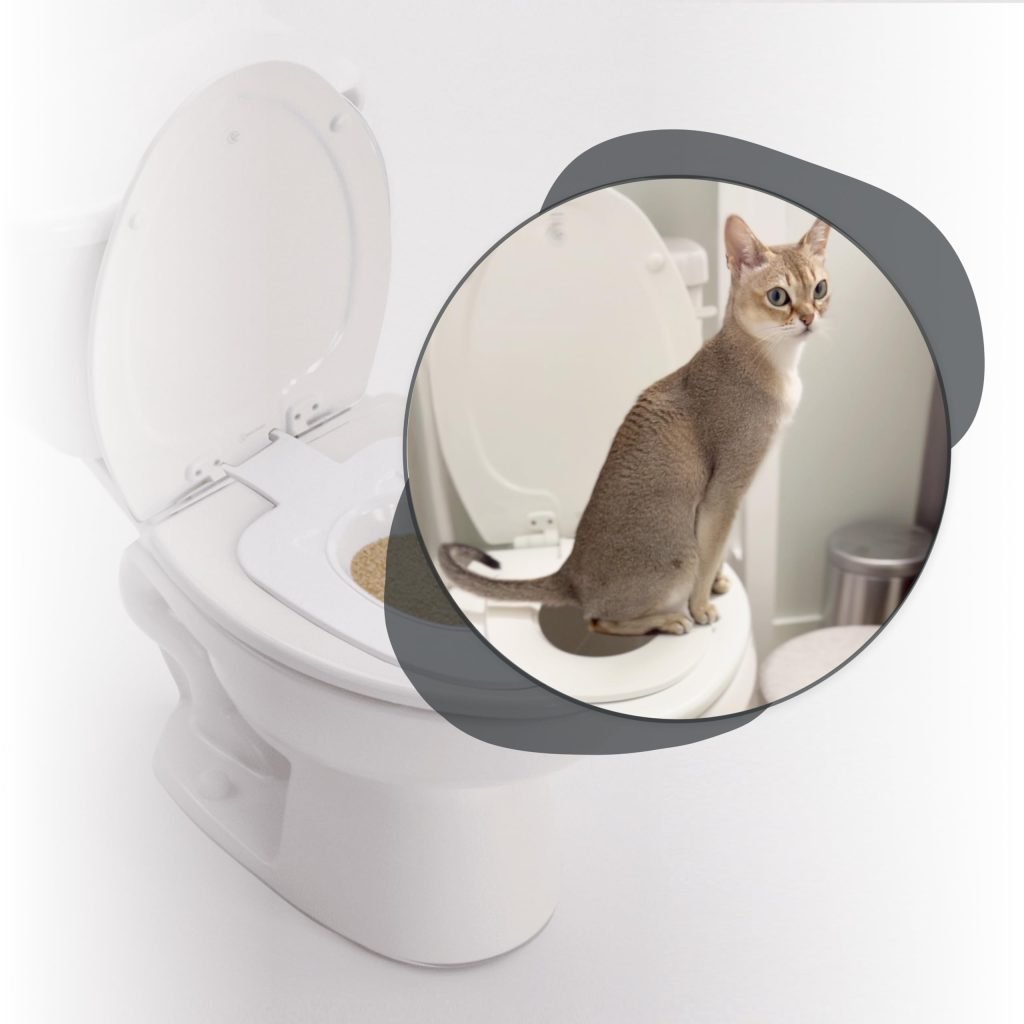
Have you ever wished your cat could ditch the litter box for good? Training your cat to use the toilet might sound impossible, but it’s easier than you think—and it comes with some surprising benefits.
Imagine no more scooping, no more odor, and a cleaner home for you and your furry friend. If you want to learn the simple steps to make this happen, keep reading. By the end, you’ll have everything you need to start this clever and rewarding training with your cat today.

Credit: www.youtube.com
Benefits Of Toilet Training Cats
Training cats to use the toilet reduces litter mess and saves money. It also helps keep the home cleaner and odors away. Cats often learn quickly with patience and simple steps.
Toilet training cats can offer several surprising benefits. It reduces the need for litter boxes, saving space in your home. This shift from litter box to toilet can also lower costs on cat litter. Moreover, it’s an eco-friendly option, reducing litter waste. Let’s explore some specific benefits of toilet training your feline friend.Improved Home Cleanliness
Toilet training helps maintain a cleaner home environment. No more litter scattered around the house. It minimizes odors associated with traditional litter boxes. Your home will smell fresh.Cost Savings
Toilet training eliminates the need for purchasing cat litter. You’ll save money over time. It’s a one-time investment for a training kit.Environmental Benefits
Less litter means reduced landfill waste. It’s a small step towards a greener planet. Toilet training is a sustainable choice.Space Efficiency
Toilet training frees up space in your home. No more dedicated litter box areas. Ideal for small living spaces.Health Benefits
Using a toilet can reduce dust-related allergies. It’s cleaner and healthier for both cats and owners. Less chance of bacteria spread from litter. Toilet training offers a modern solution for cat care. Embrace the benefits for a cleaner, greener lifestyle.Preparing Your Cat And Bathroom
Getting your cat ready to use the toilet and setting up the bathroom properly are crucial steps that can make the whole training process smoother and more successful. It’s not just about placing your cat near the toilet; you need to create an environment that feels safe and comfortable for your furry friend. Taking time to prepare both your cat and the bathroom helps reduce stress and encourages positive behavior.
Choosing The Right Location
Pick a bathroom that your cat can easily access at all times. Avoid busy or noisy bathrooms where your cat might feel startled or uneasy. A quiet, low-traffic bathroom will help your cat focus and feel less anxious during training.
Think about how often you use the bathroom too. If it’s your only bathroom, your cat might struggle with privacy. If possible, choose one where you can control access, giving your cat uninterrupted toilet time.
Gathering Necessary Supplies
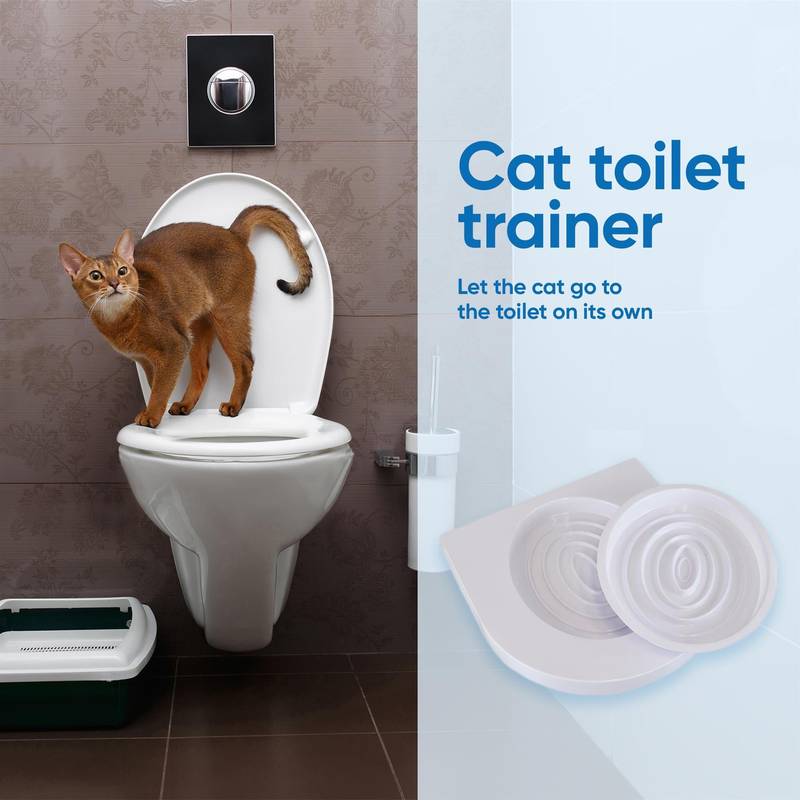
Before you start training, gather all the supplies you’ll need to make the transition smooth. A cat toilet training kit is a good investment; it usually includes a special training seat that fits on your toilet.
You’ll also want to have some flushable litter and cleaning supplies ready. Keeping the area clean is important so your cat doesn’t get turned off by any bad smells or mess.
Have treats on hand to reward your cat during the process. Positive reinforcement helps your cat associate the toilet with good experiences. Do you have a favorite treat that your cat can’t resist? That can be a great motivator.
Introducing The Litter Box Near The Toilet
Introducing the litter box near the toilet is the first move in toilet training cats. This helps your cat get used to the new location. It reduces stress and makes the change easier for your pet.
Place the litter box close to the toilet, but not on it. This allows your cat to find the box without confusion. Keep the box in a quiet spot with little noise and traffic.
Watch your cat’s behavior. Some cats may feel unsure at first. Be patient and give them time to adjust. Praise your cat when they use the litter box near the toilet.
Choose The Right Litter Box
- Select a box that fits next to your toilet comfortably.
- Use a box with low sides for easy access.
- Keep the box clean to encourage your cat to use it.
Maintain The Usual Litter
- Keep the same type of litter your cat likes.
- Do not change litter scents or textures suddenly.
- Clean the litter box regularly to avoid odors.
Allow Time For Adjustment
- Give your cat several days to get used to the new spot.
- Observe if your cat is using the box as usual.
- Move the box closer to the toilet gradually over time.
Gradually Raising The Litter Box
Raising the litter box slowly helps your cat adjust to using the toilet. This step makes the transition smooth and less scary. The goal is to match the box height to the toilet seat over time. It takes patience and close attention to your cat’s behavior.
Using Stacks Or Boxes
Place sturdy boxes or stacks under the litter box. Raise the box a little every few days. Make sure the setup is stable and won’t tip over. Gradually add more boxes or increase stack height. This helps your cat get used to higher levels step by step.
The gradual lift avoids sudden changes that might scare your cat. The litter box stays comfortable and familiar while moving upward. Keep the box level and secure during the entire process.
Monitoring Your Cat’s Comfort
Watch your cat carefully during this phase. Look for signs of stress or avoidance. If your cat hesitates or stops using the box, pause the raising process. Give your cat time to adjust at the current height.
Encourage your cat with gentle praise and treats. Make sure the litter box remains clean and inviting. Comfort is key to success in toilet training. Slow and steady changes keep your cat confident.
Transitioning To A Training Seat On The Toilet
Transitioning your cat from a litter box to a toilet is a big change, and the training seat plays a key role in this process. It acts as a bridge between the familiar litter box and the unfamiliar toilet bowl. Your cat will need time and patience to get used to this new setup, so your approach should be gentle and encouraging.
Selecting A Training Seat
Choose a training seat designed specifically for cats. These seats fit securely over the toilet and have a removable inner tray to hold litter. Avoid DIY solutions at first; a well-made training seat provides stability and comfort that encourages your cat to stay on the toilet.
Look for seats with adjustable sizes to fit your toilet perfectly. Some models have gradual openings that you can enlarge over time, helping your cat adjust to the idea of using the toilet water below. Have you noticed your cat’s hesitation? A stable, secure seat can reduce their anxiety significantly.
Filling The Seat With Litter
Start by adding a small amount of your cat’s regular litter to the training seat. This provides a familiar scent and texture, easing your cat’s transition from the litter box. Keep the litter shallow at first to prevent spills and encourage your cat to explore the new area.
Gradually reduce the amount of litter over days or weeks. This encourages your cat to rely less on the litter and more on the toilet itself. Pay close attention to your cat’s behavior—if they seem uncomfortable or avoid the seat, slow down the process and add a bit more litter to keep them confident.

Credit: www.youtube.com
Reducing The Litter Amount
Reducing the amount of litter is a key step when training your cat to use the toilet. It helps your cat adjust gradually and keeps the transition smooth. Too much litter can make it harder for your cat to get used to the new setup, so cutting back little by little is important.
Start By Decreasing The Litter Gradually
Begin by slightly reducing the litter in the tray each day. If your cat is used to a full layer, try cutting it down to half first. Watch how your cat reacts—if it seems uncomfortable, slow down the reduction to avoid stress.
Use Less Litter In The Training Seat
When you place the training seat over the toilet, fill it with just a small amount of litter. This encourages your cat to balance more on the seat instead of digging. I noticed that my cat stopped scratching aggressively once the litter was minimal, making the process faster.
Observe Your Cat’s Behavior Closely
Pay attention to how your cat uses the litter as you reduce it. Are they hesitant or avoiding the seat? Adjust the litter amount if needed to keep them comfortable. Your cat’s comfort is key, and small changes can make a big difference.
Keep The Toilet Clean To Encourage Use
With less litter, odors can become stronger, which might put your cat off. Clean the toilet and training seat regularly to keep it fresh. A clean area helps your cat feel safe and more willing to use the toilet.
Removing The Training Seat
Removing the training seat is a key phase in toilet training your cat. It means your cat is ready to use the actual toilet without extra help. This step needs patience and careful attention to your cat’s behavior.
At this point, your cat should feel comfortable balancing on the toilet seat. The goal is to help them adjust to using the toilet without the training aid. This process takes several days or weeks, depending on the cat.
Gradually Widen The Hole In The Training Seat
Start by making the hole in the training seat bigger. Do this slowly, little by little. Each day, increase the hole size a small amount. This encourages your cat to balance better and aim correctly.
Watch how your cat reacts. If they seem uneasy, pause the size increase for a day or two. This helps your cat build confidence and skill before moving on.
Reduce The Amount Of Litter In The Seat
Lower the litter amount in the training seat gradually. Cats like to dig and cover their waste. Reducing litter helps them get used to the toilet surface.
Remove a little litter every few days. This change prepares your cat for the bare toilet seat. It also reduces the smell and mess around the toilet.
Remove The Training Seat Completely
Once your cat is comfortable with the largest hole and little to no litter, remove the seat. Place your cat on the toilet seat and encourage them to balance. Use treats or praise to reward success.
Be patient. Your cat might fall or hesitate at first. Support them gently and keep practicing. Soon, your cat will use the toilet without the training seat.
Tips For Maintaining Success
Maintaining success in training your cat to use the toilet requires ongoing care and attention. Small habits can make a big difference. Keeping the toilet clean and watching for signs your cat struggles helps keep the routine smooth. Consistency is key to long-term success.
Cleaning The Toilet Regularly
Always keep the toilet bowl clean and fresh. Cats dislike dirty or smelly places. A clean toilet encourages them to continue using it. Use mild, pet-safe cleaners to avoid harsh chemicals. Flush often to remove any traces of waste.
Check the toilet seat for any stains or residues. Wipe it down daily to keep it inviting. Avoid strong scents that may scare your cat. Clean surroundings help your cat feel comfortable and confident.
Recognizing Signs Of Regression
Watch your cat’s behavior closely. Signs of regression may include scratching outside the toilet or avoiding it. If your cat seems hesitant or nervous, offer gentle encouragement. Changes in routine or stress can cause setbacks.
Act quickly if you notice problems. Return to previous training steps if needed. Patience and understanding help your cat regain confidence. Early action prevents bad habits from forming again.
Troubleshooting Common Challenges
Training a cat to use the toilet can be tricky. Many cats need time and patience to adjust. Some common challenges may slow the progress. Troubleshooting these issues helps keep training on track. Understanding typical problems makes the process smoother and less stressful.
Handling Accidents
Accidents happen during toilet training. Do not punish your cat for mistakes. Clean the area thoroughly with a pet-safe cleaner. Avoid ammonia-based products that attract cats back to the spot.
Watch for signs your cat feels stressed or confused. Provide a quiet, calm space for your cat to use the toilet. Keep the litter box nearby until your cat fully adapts. Gradually move the litter box closer to the toilet.
Dealing With Stubborn Cats
Some cats resist toilet training. Stay patient and keep sessions short. Use treats and praise to encourage good behavior. Avoid forcing your cat near the toilet. Let your cat explore and adjust at their own pace.
Observe your cat’s preferences. Some cats prefer a certain toilet seat type or height. Adjust the training tools to fit your cat’s comfort. Consistency and positive reinforcement will help overcome stubbornness.
Credit: kmccberwick.ca
Frequently Asked Questions
How Long Does Toilet Training Take For Cats?
Toilet training a cat typically takes 4 to 8 weeks. Patience and consistency are key. Some cats learn faster, depending on their personality and age.
What Supplies Do I Need To Train My Cat?
You need a cat toilet training kit, treats, and patience. A training seat that fits over the toilet bowl helps transition your cat smoothly.
Can All Cats Be Toilet Trained?
Most cats can be trained, but some may resist. Older cats or shy personalities might take longer or prefer litter boxes.
Is Toilet Training Safe For Cats?
Yes, toilet training is safe if done gradually. Avoid rushing, as sudden changes can confuse or stress your cat.
Conclusion
Training cats to use the toilet takes time and patience. Start slow, and reward your cat often. Watch your cat’s behavior and adjust your steps. Not every cat learns at the same speed. Stay calm and keep sessions short. This method can save litter and reduce mess.
Your cat will feel proud with each success. Enjoy the process and celebrate small wins. Toilet training can be a fun bonding experience. With care, your cat can learn this new skill.
