

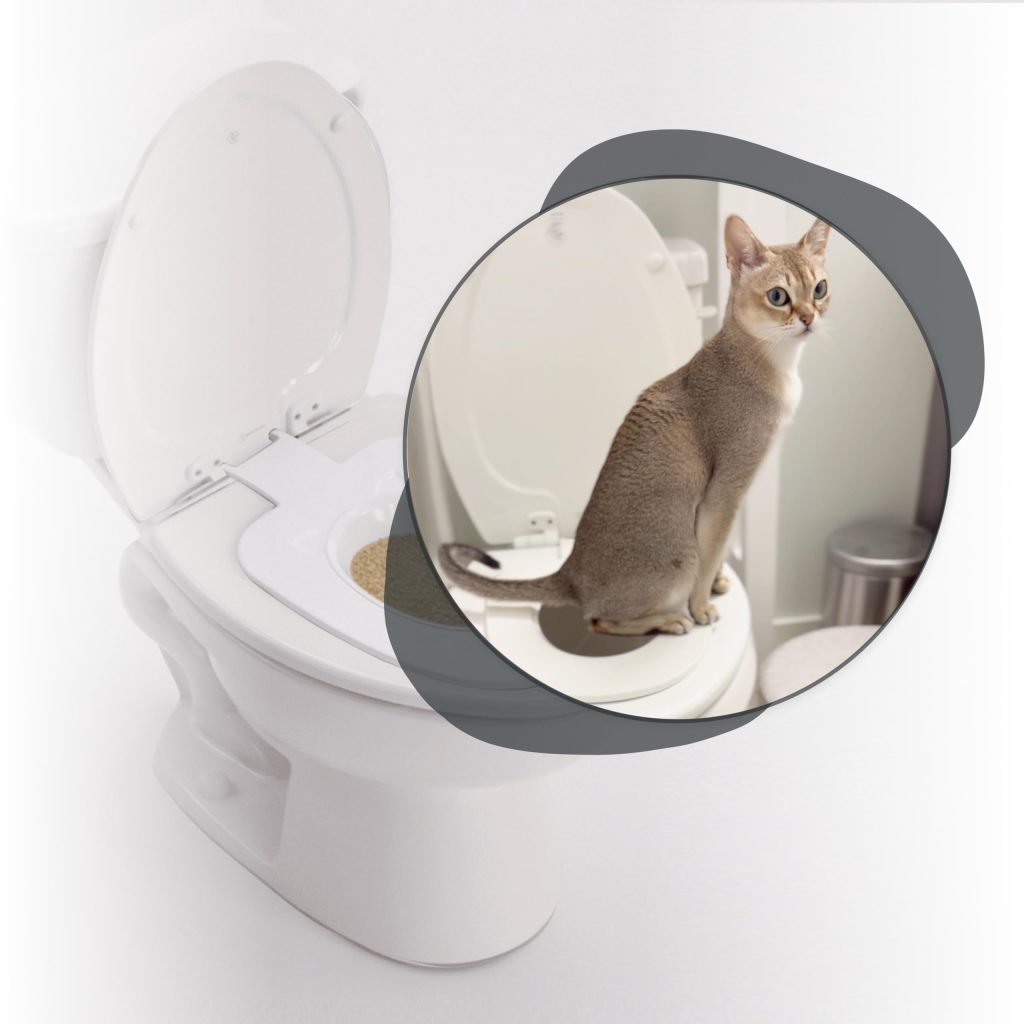
Have you ever wondered if your cat could ditch the litter box and use the toilet like you do? Training your cat to use the toilet might sound impossible, but with the right steps, you can make it happen.
Imagine the convenience of no more scooping or buying litter. You’ll discover simple, effective techniques to guide your furry friend toward this surprising skill. Stick with me, and you’ll learn how to transform your cat’s habits—making life cleaner and easier for both of you.
Ready to get started? Let’s dive in!
Benefits Of Toilet Training Cats
Training cats to use the toilet offers many benefits for both pets and owners. It can make daily life cleaner and easier. Toilet training reduces the need to buy and clean litter boxes.
Cats that use the toilet often show less odor in the home. It also helps keep the environment cleaner by reducing litter waste. This method can save money over time on litter and cleaning supplies.
Improved Hygiene And Cleanliness
Toilet training helps keep your home fresher and cleaner. It stops litter from spreading around the house. Less mess means fewer chances for bacteria and germs to grow.
Cost Savings On Litter And Supplies
Using the toilet means no need to buy litter regularly. This reduces expenses for cat owners. It also lowers the time spent cleaning and refilling litter boxes.
Environmental Benefits
Toilet training reduces the amount of litter thrown away. This helps lower waste in landfills. It also decreases the use of non-biodegradable materials often found in litter.
Convenience For Pet Owners
No more scooping or changing litter daily. This saves time and effort. It makes caring for your cat easier and less stressful.
Encourages Independence In Cats
Cats learn to use the toilet by themselves. This builds their confidence and independence. It strengthens your bond by showing trust in their abilities.
Supplies You’ll Need
Training cats to use the toilet requires some specific supplies. These items make the process easier and safer for your cat. Having the right tools helps your pet learn faster and feel comfortable.
Prepare all supplies before you start training. This reduces stress for both you and your cat. It also ensures a smooth transition from the litter box to the toilet seat.
Toilet Training Kit For Cats
A toilet training kit designed for cats is essential. These kits usually include a special seat that fits over your toilet. The seat holds litter and guides your cat to the toilet bowl. Some kits come with step-by-step instructions to follow.
Cat Litter
Use the same type of litter your cat is used to. This helps your cat feel familiar with the new setup. Avoid scented or clumping litter during training to prevent messes in the toilet.
Step Stool Or Ramp
A step stool or ramp helps your cat reach the toilet easily. This is important for smaller or older cats. It reduces the chance of accidents or falls during training.
Cleaning Supplies
Keep cleaning supplies nearby. Accidents can happen during training. Use pet-safe cleaners to keep the toilet area clean and odor-free. This encourages your cat to keep using the toilet.
Treats And Positive Reinforcement
Treats help motivate your cat during the training process. Reward your cat for small successes. Positive reinforcement builds good habits and makes learning fun.
Preparing Your Cat
Preparing your cat for toilet training is key to success. Cats need time to adjust to new habits. Patience and gentle encouragement help them feel comfortable. Start by making small changes to their current bathroom routine. Gradually introduce new steps to avoid stress. A calm environment helps your cat learn faster.
Introduce Litter Box Changes
Begin by moving the litter box closer to the toilet. Do this slowly over several days. Reduce the amount of litter in the box bit by bit. This helps your cat get used to less litter. Use a clean, shallow box similar to a toilet seat size. Keep the box stable to avoid wobbling. Watch your cat’s behavior to see if they are comfortable.
Encourage Use Of A Training Seat
Next, place a training seat on the toilet. This seat should hold some litter at first. Let your cat explore the seat without pressure. Praise or reward them when they use it. Keep the seat steady to avoid fear or slips. Slowly decrease the litter in the seat over time. This helps your cat learn to balance on the toilet rim.
Step-by-step Training Process
Training a cat to use the toilet takes patience and a clear plan. Follow a step-by-step process to guide your cat smoothly through the change. Each phase helps your cat adjust and build confidence.
Move Litter Box Closer To Toilet
Start by placing the litter box near the toilet. Do this over several days to avoid stress. Your cat gets used to the new location without pressure. This helps them link the toilet area with their bathroom habits.
Place Litter Box On Toilet Seat
Next, lift the litter box onto the toilet seat. Secure it so it doesn’t move or fall. Let your cat explore and use it there. This step prepares them for the toilet’s height and position.
Use A Special Training Seat
Replace the litter box with a special training seat. It fits over the toilet and holds litter. Gradually make the hole in the seat bigger each day. This encourages your cat to balance on the seat and use less litter.
Gradually Reduce Litter
Start using less litter in the training seat. Reduce it little by little over weeks. Cats need litter to feel comfortable, so go slow. This change helps them adapt to using the toilet without litter.
Remove Training Seat
Finally, remove the training seat completely. The cat will sit directly on the toilet seat. Praise and reward your cat for using the toilet. Keep the bathroom door open for easy access.
Tips For Success
Training a cat to use the toilet takes time and effort. Success depends on how well you follow key practices. These tips help make the process smooth and less stressful. Focus on your cat’s comfort and progress. Pay attention to small signs and celebrate wins.
Patience And Consistency
Be patient during every step of training. Cats need time to adjust to new habits. Keep your training routine consistent and steady. Avoid rushing or forcing your cat. Repeat the process daily to build good habits. Small, steady progress leads to success.
Positive Reinforcement
Use treats and praise to encourage good behavior. Reward your cat right after they use the toilet correctly. Positive feedback helps your cat understand what you want. Avoid punishment, as it can cause fear or confusion. Make training a happy experience for your cat.
Monitor Your Cat’s Behavior
Watch your cat closely for signs of stress or discomfort. Notice if your cat avoids the toilet or acts anxious. Adjust training steps if your cat seems upset. Regularly check your cat’s health and litter habits. Early detection of problems keeps training on track.

Credit: www.amazon.com
Common Challenges
Training cats to use the toilet is not always easy. Many owners face common challenges that can slow progress. Understanding these challenges helps prepare for a smoother training journey.
Some cats may feel uneasy or scared during training. Others may resist changing their habits. Accidents can happen, causing frustration for both cat and owner.
Fear Of Water
Many cats dislike water. The toilet bowl might seem strange and scary. The sight and sound of water can cause anxiety. This fear can stop cats from approaching the toilet.
Patience is key. Introduce water slowly. Use positive reinforcement to build comfort. Avoid forcing the cat near water.
Reluctance To Use Toilet
Cats prefer familiar places. The litter box feels safe and private. The toilet can seem open and noisy. This change can make cats hesitate or refuse to try.
Gradual steps help. Move the litter box closer to the toilet. Slowly replace litter with water. Let cats explore at their own pace.
Accidents And Setbacks
Accidents are normal during toilet training. Cats might go back to the litter box. Stress or confusion can cause setbacks. This is part of learning.
Stay calm and consistent. Clean accidents thoroughly to avoid odors. Praise small successes to encourage progress.
Safety And Hygiene Considerations
Training cats to use the toilet requires attention to safety and hygiene. These factors protect both your cat and your home environment. Cleanliness helps prevent infections and odors. Safety ensures your cat feels secure while learning.
Toilet training is different from using a litter box. The toilet is higher and less stable for cats. Proper steps reduce risks and keep the process smooth. Careful planning keeps your cat comfortable and healthy.
Choosing The Right Toilet Training Kit
Select a kit made from durable, non-toxic materials. Avoid sharp edges or parts that can break easily. The kit should fit securely on the toilet seat. This prevents slips or accidents during training.
Maintaining Cleanliness During Training
- Clean the toilet and training kit daily.
- Use pet-safe cleaning products to avoid harmful chemicals.
- Rinse thoroughly to remove all cleaning residues.
- Remove waste promptly to prevent bad smells.
Monitoring Your Cat’s Health
Watch for signs of stress or discomfort. Toilet training can be confusing for some cats. Check for urinary or digestive problems regularly. Consult a vet if your cat shows unusual behavior or health issues.
Ensuring Toilet Safety
- Keep the bathroom door open during training.
- Place a non-slip mat near the toilet.
- Supervise your cat in the early training stages.
- Never leave the toilet lid closed when training starts.
Preventing Accidents And Injuries
Train your cat to jump up and down carefully. Avoid forcing your cat to use the toilet. Provide a steady platform or step stool. This reduces the risk of falls or injuries.

Credit: www.walmart.com

Credit: www.amazon.com
Frequently Asked Questions
How Long Does It Take To Train Cats To Use Toilet?
Training a cat to use the toilet typically takes 4 to 8 weeks. Patience and consistency are key. Each cat learns at its own pace, so progress may vary.
What Supplies Do I Need For Toilet Training Cats?
You will need a special cat toilet training seat, treats, and patience. Gradually transition from litter box to toilet. Avoid harsh corrections to keep training positive.
Can All Cats Be Trained To Use The Toilet?
Most cats can learn toilet training with time and encouragement. However, some cats may resist due to personality or age. Observe your cat’s comfort and adjust training accordingly.
Is Toilet Training Safe For Cats?
Yes, toilet training is safe if done gradually. Avoid forcing your cat. Ensure the toilet seat is stable and clean. Monitor your cat’s health and hygiene throughout training.
Conclusion
Training cats to use the toilet takes time and patience. Start slow and watch your cat’s comfort. Celebrate small wins along the way. Not every cat will learn quickly or easily. Stay calm and keep sessions short. Use treats and praise to encourage good behavior.
Remember, each cat is different and unique. Enjoy the process and bond with your pet. Toilet training can reduce litter mess at home. Give your cat the chance to learn naturally. Keep trying, and success will come with care.
