

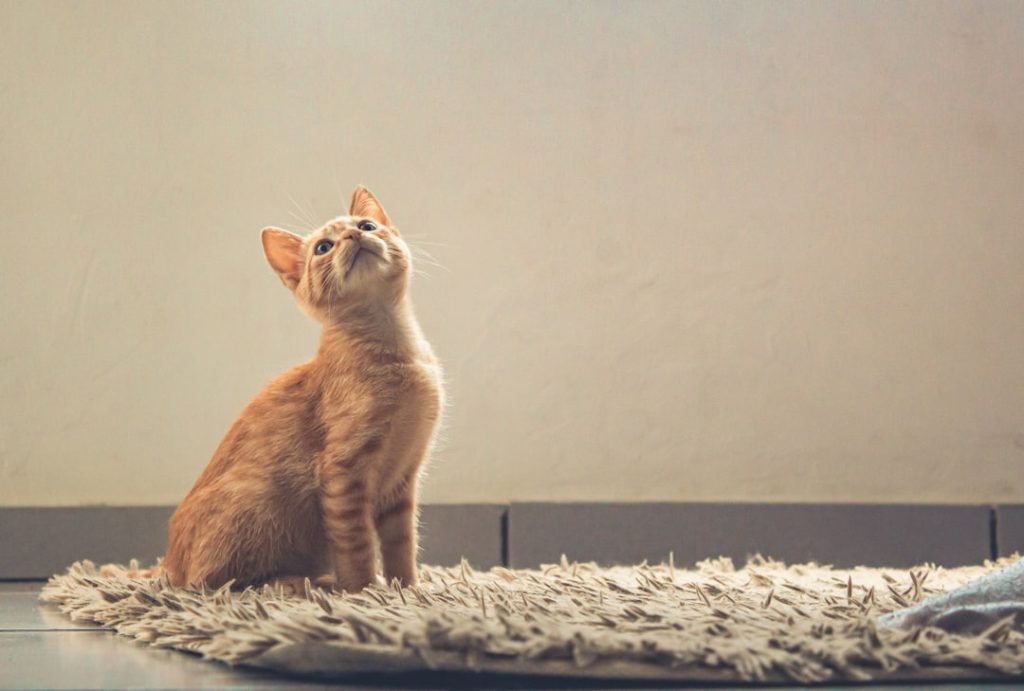
Training a cat might sound impossible, but it’s not as hard as you think. If you want your furry friend to stop scratching the furniture, come when called, or even do simple tricks, you can teach them with the right approach.
Imagine having a cat that listens to you and behaves the way you want—sounds great, right? You’ll discover easy and effective ways to train your cat, making your life together more enjoyable. Ready to unlock your cat’s hidden potential? Let’s dive in!

Credit: www.catschool.co
Why Train Your Cat
Training a cat might sound unusual to some. Cats have a reputation for being independent and stubborn. Yet, training helps build a better bond between you and your pet. It also keeps your cat safe and happy. Training teaches your cat good habits and reduces unwanted behaviors.
Benefits For You And Your Cat
Training brings many rewards for both owner and cat. A trained cat knows basic commands and behaves well. This makes daily life easier and less stressful. It reduces scratching furniture or jumping on counters. You enjoy a calm, friendly pet that listens to you.
Your cat feels more secure with clear rules. Training provides mental stimulation and exercise. It prevents boredom and related problems like chewing or excessive meowing. Training also strengthens trust and communication between you two. Your cat learns to respond safely in different situations.
Common Training Goals
- Using the litter box consistently
- Stopping scratching on furniture
- Coming when called
- Walking on a leash
- Accepting grooming and handling
- Reducing biting or scratching during play
These goals improve your cat’s behavior and quality of life. They help keep your home clean and peaceful. Many cats enjoy the challenge and attention training brings. It creates a happy and respectful relationship between you and your cat.
:strip_icc()/spruce-pets-cat-clicker-training-5594c453bd7f499aa8e7cf756d485afc.png)
Credit: www.thesprucepets.com
Preparing For Training
Training a cat begins long before any commands or tricks. Preparation sets the stage for success. Creating the right setting and having the right tools ready can make a big difference. Cats need calm, quiet spaces to focus and learn. Distractions can slow progress or confuse them.
Preparation also means gathering items that reward and motivate your cat. Treats, toys, and clickers help communicate and encourage good behavior. Being ready with these tools ensures training sessions stay short and positive.
Choosing The Right Environment
Pick a quiet room with minimal noise and few distractions. Avoid places with other pets or loud sounds. A calm area helps your cat focus better on your commands. Keep the space clean and safe. Remove anything that might scare or distract your cat. Use soft lighting and a comfortable temperature. This makes the cat feel secure and willing to participate.
Gathering Necessary Tools
Prepare simple tools to guide your cat during training. Have small, tasty treats that your cat loves. Use a clicker or a soft noise to mark good actions. Select a favorite toy to keep your cat interested. Keep all items within reach before starting. This saves time and keeps your cat engaged. Use a leash or harness if teaching commands that need control. Having everything ready helps training flow smoothly and stays fun.
Basic Training Techniques
Training a cat requires patience and clear communication. Basic training techniques help build trust and teach your cat good behavior. These methods focus on encouraging positive actions rather than punishment. Understanding these techniques makes training easier and more enjoyable for both you and your cat.
Positive Reinforcement
Positive reinforcement means rewarding your cat for good behavior. It helps your cat learn what actions you want. For example, praise or treats can follow a desired action. This encourages your cat to repeat the behavior. Avoid punishment, as it can cause fear and confusion.
Clicker Training Basics
Clicker training uses a small device that makes a clicking sound. The click marks the exact moment your cat does something right. You pair the click with a reward, like a treat. Over time, your cat learns to associate the click with positive outcomes. This method improves timing and clarity in training.
Using Treats Effectively
Treats motivate your cat during training sessions. Use small, tasty treats that your cat loves. Give treats immediately after the desired behavior. Avoid overfeeding by limiting treat quantity. Mixing treats with verbal praise works well. This keeps training fun and rewarding for your cat.
Teaching Simple Commands
Teaching simple commands to your cat builds trust and improves your bond. Cats learn best through short sessions and rewards. Keep training fun and consistent to see quick results. Patience and repetition are key to success.
Sit And Stay
Start by holding a treat above your cat’s head. Move it slowly backward to encourage the cat to sit. Say “sit” clearly as the cat lowers its bottom. Give the treat immediately as a reward. Repeat this several times daily.
Once your cat sits on command, introduce “stay.” Use a calm voice and say “stay.” Step back slowly and wait a few seconds. Return and reward if the cat stays still. Increase the time gradually.
Come When Called
Choose a quiet place for training this command. Call your cat’s name followed by “come” in a happy tone. Show a treat or toy as motivation. When the cat comes, praise and reward quickly. Practice often but keep sessions short.
Never call your cat to punish or the command loses meaning. Make coming to you a positive experience every time.
Using A Litter Box
Place the litter box in a quiet, easy-to-find spot. Show the cat the box after meals and naps. Gently place the cat inside and let it explore. Praise when the cat uses the box correctly.
Keep the box clean by scooping daily and changing litter weekly. Avoid moving the box often to prevent confusion. Use unscented litter that feels soft to the paws.
Addressing Behavioral Issues
Addressing behavioral issues in cats requires patience and understanding. Each cat shows its discomfort or needs differently, and recognizing these signs early can save you from frustration. Your goal is to guide your cat toward better habits while keeping your relationship strong and positive.
Stopping Scratching
Scratching is natural for cats, but it can damage your furniture. To redirect this behavior, provide scratching posts made of sisal or cardboard and place them near the areas your cat likes to scratch. Reward your cat with treats or affection when they use these posts.
If your cat scratches furniture, try covering the area with double-sided tape or a plastic protector. This makes the surface unpleasant to scratch but doesn’t hurt your cat.
Have you noticed your cat scratching more when stressed or bored? Sometimes adding more playtime or interactive toys can reduce unwanted scratching.
Reducing Aggression
Aggression in cats can stem from fear, pain, or territorial instincts. Watch for triggers like loud noises, sudden movements, or other pets. Avoid punishing aggressive behavior—it often makes the problem worse.
Instead, give your cat a safe space to retreat and calm down. Use toys to engage your cat’s hunting instincts in a positive way, such as feather wands or laser pointers.
Think about what might be causing your cat’s aggression. Could stress or an uncomfortable environment be the cause? Adjusting their surroundings can make a big difference.
Managing Excessive Meowing
Excessive meowing can mean your cat is hungry, lonely, or seeking attention. Before reacting, ask yourself if your cat’s needs are truly met. Sometimes, they just want to communicate.
Teach your cat to meow less by responding only when the meowing is reasonable. Ignore attention-seeking meows that happen at inappropriate times.
Try to establish a daily routine that includes regular feeding, play, and rest. Cats feel more secure when they know what to expect, which reduces unnecessary vocalizing.
Advanced Training Tips
Advanced training takes your cat’s skills beyond basic commands and deepens the bond between you. It challenges your cat mentally and physically, making training sessions more fun and rewarding. These tips help you engage your cat in new ways, turning everyday moments into opportunities for learning.
Training With Toys
Toys are powerful tools for teaching complex behaviors. Use interactive toys like feather wands or laser pointers to encourage your cat to follow, jump, or even fetch. Notice how your cat reacts—if they seem excited by a particular toy, use it consistently to keep their interest high.
Try hiding treats inside puzzle toys to teach problem-solving skills. This keeps your cat mentally sharp and motivated to engage with the toy repeatedly. Have you observed your cat’s favorite play style? Tailoring toys to their preferences can make training smoother and more effective.
Leash Training Your Cat
Leash training turns walks into a safe, stimulating adventure for your cat. Start indoors by letting your cat wear a harness for short periods, rewarding calm behavior with treats. Gradually add the leash and allow your cat to explore under your control.
Patience is key—cats don’t always take to the leash right away. Keep sessions short and positive, and never force your cat outside before they’re ready. Imagine the places your cat could safely explore with leash training—does your cat seem curious about the outdoors?
Teaching Tricks
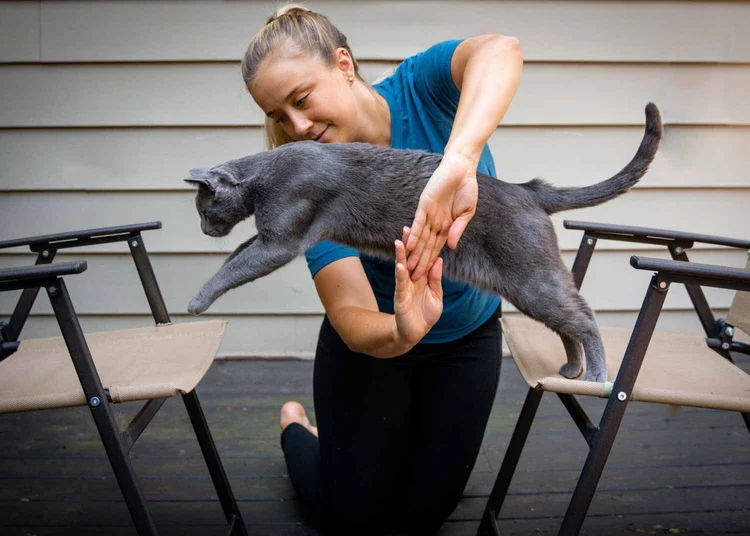
Teaching tricks is a fun way to stimulate your cat’s mind and showcase their intelligence. Simple tricks like “sit,” “high five,” or “spin” can be taught using clicker training paired with treats. Consistency matters—short, frequent sessions keep your cat engaged without frustration.
Break down each trick into small steps and celebrate every tiny success. For instance, reward your cat for looking at your hand before expecting a high five. Have you tried teaching your cat a trick? Watching them learn can be surprisingly rewarding for both of you.
Common Mistakes To Avoid
Training a cat can be rewarding but tricky. Many people make mistakes that slow progress or stress the cat. Avoiding common errors helps build trust and good habits. Focus on what not to do to keep training smooth and effective.
Inconsistency
Inconsistency confuses cats. They learn best with regular signals and routines. Skipping training sessions or changing rules often stops progress. Keep commands, rewards, and timing steady. Practice daily, even if only for a few minutes.
Punishment Pitfalls
Punishing cats harms the bond and creates fear. Cats do not understand punishment like humans do. Avoid yelling, hitting, or spraying water. Use positive reinforcement instead. Reward good behavior to encourage learning and trust.
Ignoring Cat’s Mood
Cats have moods like people. Training when a cat is tired, scared, or distracted is ineffective. Watch for signs of stress or disinterest. Wait for a calm, alert moment to start training. Respect their feelings to keep sessions positive.
Credit: www.catschool.co
Maintaining Training Progress
Maintaining training progress with your cat is just as important as the initial training sessions. Without consistent effort, your cat might forget what they’ve learned or slip back into old habits. Keeping up with the training creates a stable routine that your cat can rely on.
Regular Practice
Practice makes perfect, even for cats. Set aside a few minutes every day to review commands or behaviors your cat has learned. Short, frequent sessions work better than long, occasional ones because cats have short attention spans.
Try mixing the training into playtime or mealtime to keep your cat interested. Have you noticed how your cat responds differently on busy days versus quiet days? Adjust your sessions to fit their mood and energy level.
Rewarding Good Behavior
Positive reinforcement is key to keeping your cat motivated. Use treats, affection, or playtime as rewards whenever your cat follows a command or behaves well. This encourages them to repeat the behavior.
Be consistent with rewards. If your cat knows good behavior leads to something pleasant, they’re more likely to keep it up. What kind of rewards does your cat respond to best? Tailor your rewards to what excites them most.
Adapting To Changes
Cats can be sensitive to changes in their environment or routine. Moving to a new home, adding a pet, or even a change in your schedule can affect their training progress. Be patient and ready to adjust your approach accordingly.
Observe your cat’s reactions and modify training sessions to reduce stress. Sometimes, you may need to go back a step and reinforce basics before moving forward. How do you notice your cat’s stress signals? Recognizing these can help you adapt effectively.
Frequently Asked Questions
How Long Does It Take To Train A Cat?
Training a cat usually takes a few weeks to months. Consistency and patience are key. Short, regular sessions work best.
What Are The Best Methods To Train A Cat?
Positive reinforcement, like treats and praise, works well. Avoid punishment, use clicker training, and keep sessions fun.
Can All Cats Be Trained Effectively?
Most cats can learn basic commands and tricks. Individual personality affects training success. Patience and tailored techniques improve results.
How Do I Stop My Cat From Scratching Furniture?
Provide scratching posts and reward their use. Use deterrents on furniture. Consistent redirection helps change behavior.
Conclusion
Training a cat takes time and patience. Small steps work best. Reward good behavior with treats or praise. Keep sessions short to hold your cat’s attention. Stay calm and gentle throughout the process. Every cat learns at its own pace.
Celebrate progress, no matter how small. Enjoy building a stronger bond with your pet. Training helps your cat feel safe and happy. Try different methods to see what fits best. Consistency is key for lasting results.
