

Have you ever wondered if your cat is getting enough water? Cats can hide signs of dehydration very well, and by the time you notice, it might already be serious.
Knowing how to tell if your cat is dehydrated could save your furry friend from discomfort or worse. You’ll learn simple and clear ways to spot dehydration early. Keep reading—your cat’s health could depend on it.

Credit: yumove.co.uk
Common Causes Of Cat Dehydration
Cats, like all living beings, need a consistent intake of water to stay healthy. However, dehydration is a common issue that can sneak up on your feline friend. Understanding the common causes of cat dehydration can help you take preventive measures and keep your cat well-hydrated.
Heat Exposure
Heat can be a silent thief of your cat’s hydration. If your cat spends a lot of time outdoors or in a warm environment, it might be losing more fluids than it can replenish. Make sure you provide a shaded area and plenty of fresh water, especially during hot weather.
Illness And Infection
Illnesses such as kidney disease or diabetes can cause increased water loss. Infections can also lead to dehydration due to symptoms like vomiting or diarrhea. If your cat seems lethargic or shows signs of illness, it’s crucial to consult a vet promptly.
Inadequate Water Intake
Sometimes, cats just don’t drink enough water. This can be due to a lack of access to clean water or simply because they don’t like the taste. Try offering different sources, such as a cat water fountain, to encourage them to drink more.
Are you keeping a watchful eye on your cat’s hydration habits? Ensuring your cat stays hydrated is as important as feeding it nutritious meals. Keep an eye on these common causes and you might prevent dehydration from becoming a serious health concern.
Physical Signs Of Dehydration
Recognizing physical signs of dehydration in cats helps protect their health. These signs show when a cat needs more fluids. Observing your cat closely can prevent serious problems.
Dry Mouth And Gums
Dehydrated cats often have dry, sticky mouths and gums. Their gums may lose their usual pink color and appear pale or dull. The texture feels tacky instead of moist. This dryness signals a lack of fluids in the body.
Sunken Eyes
Eyes that look sunken or dull indicate dehydration. The area around the eyes may appear hollow or recessed. The cat’s eyes lose their usual brightness and moisture. This sign shows the body is pulling water away from less vital areas.
Loss Of Skin Elasticity
Skin loses its stretchiness when a cat is dehydrated. Gently pinch the skin between the shoulder blades and release it. Normally, skin snaps back quickly. Slow return or sagging means the cat lacks fluids. This is a key sign to watch for.
Behavioral Changes To Notice
Behavioral changes often signal dehydration in cats. These signs help catch the problem early. Watch your cat closely for any unusual actions.
Lethargy And Weakness
A dehydrated cat may seem very tired and weak. Movements become slower and less confident. Playfulness and energy drop noticeably. This happens because the body lacks fluids to function well.
Reduced Appetite
Dehydration can cause a cat to eat less or refuse food. The mouth may feel dry and uncomfortable. Eating less is a clear sign of distress. This behavior shows the cat is not feeling well.
Increased Sleeping
Cats usually sleep a lot but excessive sleep is a red flag. A dehydrated cat may sleep more than usual. It avoids activity to save energy. Extra rest is the body’s way to heal and cope.
Checking Hydration At Home
Checking your cat’s hydration at home can be simpler than you think. You don’t need special tools—just a little observation and a few quick tests. These simple checks can help you spot dehydration early, so your furry friend gets help before things get serious.
Skin Tent Test
Gently pinch the skin at the back of your cat’s neck or between the shoulder blades. Lift it up and then let go. If the skin snaps back right away, hydration is likely good.
But if the skin stays tented or returns slowly, your cat might be dehydrated. This test gives you a quick, hands-on way to assess their fluid levels. Have you tried this before? It’s surprising how revealing such a small action can be.
Capillary Refill Time
Press your cat’s gums lightly until they turn pale, then release. Watch how quickly the pink color returns.
Healthy hydration means color should come back in about 1 to 2 seconds. If it takes longer, this could be a sign of dehydration or poor circulation. This test is easy to do but powerful for spotting trouble early.
Monitoring Urine Output
Keep an eye on how often your cat urinates and the amount of urine produced. Changes in frequency or volume may indicate hydration issues.
For instance, if your cat is urinating less or the urine appears very dark, dehydration could be the cause. Tracking this over a few days gives you a clearer picture of their hydration status. Have you noticed any changes in your cat’s bathroom habits lately?
When To See A Veterinarian
Knowing when to seek veterinary care for a dehydrated cat can make a huge difference in their recovery. Mild dehydration might be manageable at home, but certain signs mean you should act quickly. Understanding these warning signals helps you protect your furry friend from serious health risks.
Severe Symptoms
Look out for signs like lethargy, sunken eyes, or dry, sticky gums. If your cat is panting heavily or has a rapid heartbeat, these are urgent red flags. These symptoms show dehydration is affecting vital organs and need immediate veterinary attention.
Persistent Dehydration
If your cat refuses water for more than 24 hours or keeps showing signs of dehydration despite your efforts, it’s time to visit the vet. Sometimes cats hide their discomfort, so don’t wait until symptoms worsen. Persistent dehydration can lead to kidney damage or other complications that require professional care.
Underlying Health Issues
Some cats have medical conditions like diabetes or kidney disease that increase dehydration risk. If your cat has a chronic illness and starts showing dehydration symptoms, call your vet right away. Managing underlying health problems often means more frequent monitoring of hydration levels.
Credit: mendocinoanimalhospital.net
Preventing Dehydration In Cats
Preventing dehydration in cats is vital for their health and happiness. Cats can easily lose water through heat, illness, or lack of drinking. Keeping them hydrated supports their organs and energy. Small changes at home help maintain their water levels every day.
Providing Fresh Water
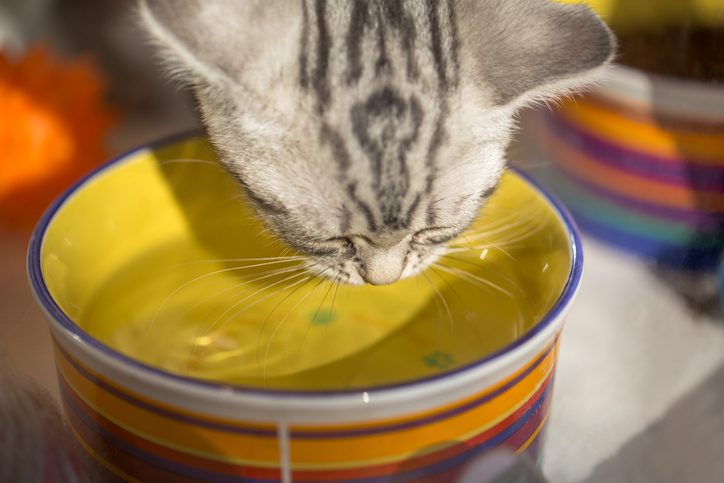
Always offer clean, fresh water daily. Change the water at least twice a day. Use shallow bowls that are easy for cats to access. Some cats prefer running water. Consider a cat water fountain to encourage drinking. Place water bowls in quiet areas away from food bowls.
Wet Food Benefits
Wet food contains high moisture content, helping hydration. It is easier for cats to consume compared to dry food alone. Mix wet food with dry kibble for variety. Wet food also supports urinary tract health. Feeding wet food regularly can reduce dehydration risks.
Creating A Comfortable Environment
Keep your home cool and shaded during hot days. Avoid placing litter boxes and water bowls in the same area. Provide cozy resting spots away from direct sunlight. Reduce stress, as anxious cats may drink less. Monitor your cat’s behavior to notice early signs of dehydration.

Credit: www.youtube.com
Frequently Asked Questions
How Can I Check If My Cat Is Dehydrated?
You can check dehydration by gently pinching your cat’s skin. If it doesn’t snap back quickly, dehydration may be present. Also, dry gums and sunken eyes are signs. Always consult a vet if you suspect dehydration.
What Are The Common Dehydration Symptoms In Cats?
Common symptoms include lethargy, dry mouth, sunken eyes, and loss of skin elasticity. Cats may also show decreased appetite and reduced urination. These signs indicate a need for immediate hydration and veterinary care.
Why Is Cat Dehydration Dangerous?
Dehydration can cause organ failure, shock, and even death in cats. It disrupts essential body functions and weakens the immune system. Early detection and treatment are crucial to prevent serious health issues.
How Much Water Should A Cat Drink Daily?
Cats typically need about 50-60 ml of water per kilogram of body weight daily. This amount varies based on diet, activity, and environment. Always provide fresh water and monitor intake to prevent dehydration.
Conclusion
Cats can get dehydrated quickly and need water often. Watch for signs like dry gums, lethargy, or sunken eyes. A simple skin pinch test helps check hydration fast. Keep fresh water available and encourage your cat to drink. Early care can prevent serious health problems.
Stay alert to changes in your cat’s behavior or appearance. Acting soon helps your cat stay healthy and happy. Remember, small actions make a big difference in your cat’s well-being.
