

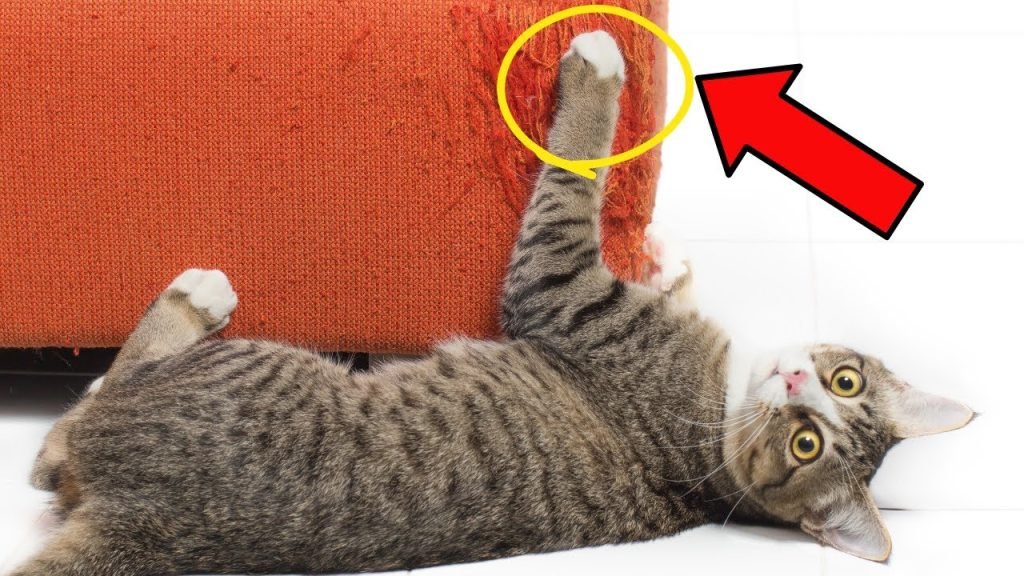
Are you tired of finding scratches all over your favorite furniture? You’re not alone.
Cats love to scratch, but that doesn’t mean your couch or chairs have to suffer. What if you could protect your furniture without upsetting your furry friend? You’ll discover simple and effective ways to stop your cat from scratching where they shouldn’t.
Keep reading to learn how to save your home and keep your cat happy at the same time.
Why Cats Scratch Furniture
Cats scratch furniture for many natural reasons. Scratching helps them keep their claws sharp and healthy. It also marks their territory with scent glands in their paws. Scratching is a way for cats to stretch their muscles and relieve stress. Understanding why cats scratch helps us protect our furniture better.
Instinctual Behavior
Scratching is part of a cat’s natural instincts. Wild cats use scratching to mark territory and communicate with other cats. This behavior remains in domestic cats even if they do not need to defend territory.
Claw Maintenance
Cats scratch to remove old claw sheaths. This keeps their claws sharp and clean. Without scratching, claws can become dull or overgrown, causing discomfort.
Stretching And Exercise
Scratching helps cats stretch their muscles. It works their paws, legs, and back. Stretching also helps cats stay flexible and healthy.
Marking Territory
Cats have scent glands in their paws. When they scratch, they leave a scent mark. This marks their space and signals other animals to stay away.
Stress Relief
Scratching can reduce a cat’s stress and anxiety. It helps them feel calm and safe. Cats often scratch more when they feel nervous or bored.
Understanding Cat Behavior
Understanding why cats scratch furniture is key to stopping this behavior. Cats scratch not just to damage but for several natural reasons. Recognizing these reasons helps provide better care and solutions. This section explains the basic behaviors driving cats to scratch.
Instinctual Needs
Scratching is a natural and important activity for cats. It helps them keep their claws sharp and healthy. Cats also scratch to stretch their muscles. This action supports their physical health and flexibility. Scratching marks their territory by leaving visible marks and scent. These instinctual needs make scratching hard to stop completely.
Communication Methods
Scratching is a way cats talk without words. They use it to show ownership of a place or object. The marks and scents left behind send messages to other cats. This can prevent conflicts and establish boundaries. Understanding this helps in redirecting scratching to safe places.
Training And Deterrence Strategies
Training and deterrence strategies help redirect your cat’s scratching habits. These methods protect furniture and keep your cat happy. Patience and consistency play a big role in success.
Positive Reinforcement
Positive reinforcement encourages good behavior. Reward your cat when it scratches on the right items. Use treats, praise, or petting as rewards. Place scratching posts or pads near furniture your cat likes to scratch. Gently move your cat to these posts when it starts scratching furniture. Repeat this often to build a habit.
Using Deterrent Sprays
Deterrent sprays make furniture less appealing. These sprays have smells cats dislike but are safe for them. Apply the spray on areas your cat scratches most. Test a small spot first to avoid damage. Reapply the spray regularly to keep the effect strong. Combine sprays with training for best results.

Credit: www.amazon.com
Providing Alternatives
Providing alternatives helps redirect your cat’s natural scratching behavior. Cats need to scratch to keep their claws sharp and stretch their muscles. Without proper outlets, they target furniture. Offering attractive options satisfies this urge and saves your belongings.
Scratching Posts
Scratching posts are essential tools. Choose tall posts that allow full body stretch. Materials like sisal rope appeal to many cats. Place posts near favorite furniture or sunny spots.
Encourage use by rubbing catnip or hanging toys on posts. Reward your cat with treats or praise after scratching. Replace old or worn posts to keep interest alive.
Interactive Toys
Toys stimulate your cat’s play and scratch instincts. Wand toys, balls, and puzzle feeders keep cats busy and happy. Rotate toys regularly to prevent boredom.
Interactive toys help reduce stress and excess energy. A tired cat scratches less out of frustration. Playtime strengthens your bond and keeps your cat healthy.
Protecting Your Furniture
Protecting your furniture from cat scratches helps keep your home looking neat. Cats scratch to mark territory and keep claws sharp. Stopping them from scratching furniture means giving them other options and making furniture less appealing. Simple tools can shield your sofas and chairs without harm to your cat.
Furniture Covers
Furniture covers act as a barrier between your cat’s claws and your upholstery. Use thick, durable fabrics to protect sofas and armchairs. Covers are easy to clean and replace. They prevent damage and save money on repairs. Some covers have textures cats dislike, which helps deter scratching. Choose covers that fit well and stay in place.
Double-sided Tape
Cats dislike sticky surfaces on their paws. Applying double-sided tape to furniture edges stops scratching quickly. The tape feels uncomfortable to cats, so they avoid those spots. Use tape on areas most scratched, like armrests or corners. Replace tape regularly to keep it sticky. This method is safe and chemical-free, making it pet-friendly.
Long-term Solutions
Stopping cats from scratching furniture needs patience and smart care. Short fixes do not last. Long-term solutions focus on changing habits and protecting your home. These approaches help cats feel happy and reduce damage.
Regular Nail Trimming
Keeping your cat’s nails short reduces the damage from scratching. Trim nails every two to three weeks. Use a sharp nail clipper designed for cats. Cut only the sharp tip, avoiding the pink part called the quick. This prevents pain and bleeding.
Start trimming when your cat is calm. Give treats and praise to create a positive experience. If unsure, ask a vet or groomer for help. Regular trimming keeps nails less sharp and less harmful to furniture.
Environmental Enrichment
Give cats proper places to scratch. Provide multiple scratching posts or pads around your home. Choose different materials like sisal, cardboard, or carpet. Cats like to stretch and scratch on various surfaces.
Place scratching posts near favorite resting spots or furniture they usually scratch. Encourage use by rubbing catnip or toys on posts. Play with your cat near these spots to build interest.
Offer climbing trees and hiding places. A rich environment keeps cats active and less bored. Bored cats scratch more out of frustration. Enrichment reduces unwanted scratching and improves well-being.
Choosing The Right Products
Choosing the right products can help protect your furniture from cat scratches. The right materials and placement make a big difference. Products designed specifically for cats encourage them to scratch elsewhere. This keeps your furniture safe and your cat happy. Understanding what materials work best and where to place them is key.
Material Considerations
Cats prefer certain textures for scratching. Rough and fibrous materials attract them the most. Sisal, corrugated cardboard, and natural wood are popular choices. Avoid soft or smooth fabrics. These do not satisfy a cat’s scratching needs.
Look for durable products that last longer. Strong materials withstand repeated scratching. This saves money and effort over time. Consider products that are safe and non-toxic for pets. Check labels before purchasing.
Placement Strategies
Place scratching posts or pads where cats like to scratch. Near furniture they damage often is a good spot. Cats often scratch near their resting areas or entry points.
Ensure the product is stable and tall enough. Cats like to stretch when they scratch. An unstable or too short post will not work well.
Try multiple locations if needed. This gives your cat options and reduces damage risks. Move products gradually closer to furniture you want to protect. This guides your cat’s behavior gently.

Credit: smart.dhgate.com
Common Mistakes To Avoid
Stopping your cat from scratching furniture takes more than just placing a scratching post nearby. Many pet owners unintentionally make mistakes that can worsen the behavior or confuse their cat. Recognizing these common errors helps you create a clear, consistent environment that guides your cat toward better scratching habits.
Avoid Punishing Your Cat
Using punishment like yelling, spraying water, or physical reprimands often backfires. Cats don’t connect punishment with their scratching behavior and may become fearful or stressed. Instead, focus on rewarding good behavior to encourage your cat to use designated scratching areas.
Don’t Neglect Providing Proper Alternatives
Simply telling your cat “no” won’t work if you don’t offer something better. Cats need appropriate scratching surfaces like posts or pads that satisfy their natural urge. Place these alternatives near the furniture your cat targets to make the switch easier.
Skip Over Understanding Your Cat’s Preferences
Every cat has unique preferences for scratchers—some like vertical posts, others prefer horizontal pads. Ignoring what your cat enjoys can lead to failure in redirecting scratching. Observe your cat to find out what textures and positions they prefer, then provide those options.
Don’t Forget Consistency In Training
Inconsistent responses confuse your cat. If you sometimes allow scratching and other times scold, your cat won’t learn what’s expected. Make sure everyone in your household responds the same way and maintains clear boundaries.
Avoid Using Furniture Covers Or Deterrents Without Encouragement
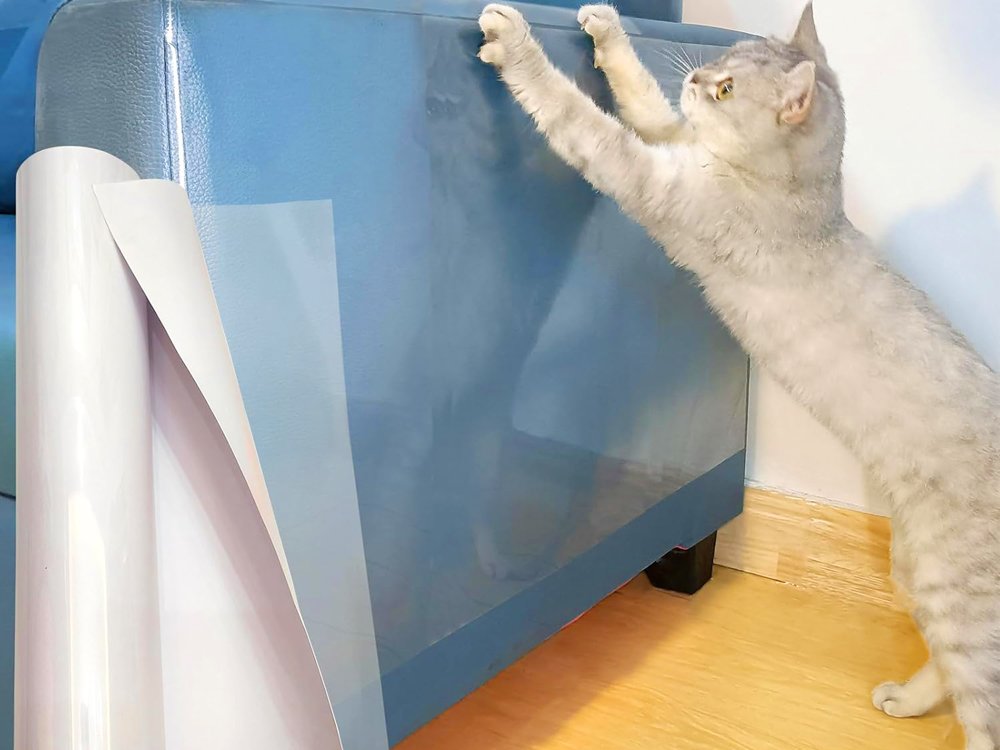
Covering furniture with plastic or double-sided tape might deter scratching temporarily. However, without teaching your cat alternative spots, this only redirects the problem elsewhere. Encourage positive scratching habits rather than relying solely on deterrents.
Credit: www.ysdiecut.com
Frequently Asked Questions
How Can I Protect My Furniture From Cat Scratching?
Use scratching posts near furniture to redirect your cat’s behavior. Apply double-sided tape or furniture covers to deter scratching. Regular nail trimming and nail caps help reduce damage. Reward your cat for using designated scratching areas.
Why Do Cats Scratch Furniture Frequently?
Cats scratch to mark territory, stretch muscles, and shed nail sheaths. Scratching provides mental and physical stimulation. Furniture often smells like their territory, attracting them to scratch there. Providing alternatives satisfies their natural instincts.
What Materials Discourage Cats From Scratching Furniture?
Cats dislike sticky, rough, or slippery textures. Use double-sided tape, aluminum foil, or plastic protectors on furniture edges. These materials create an unpleasant surface that discourages scratching. Avoid harsh chemicals that may harm your cat.
Can Training Stop Cats From Scratching Furniture?
Yes, consistent training helps stop unwanted scratching. Redirect cats to scratching posts with treats and praise. Avoid punishment, as it can cause fear or stress. Patience and positive reinforcement are key to success.
Conclusion
Stopping cats from scratching furniture takes patience and simple steps. Provide your cat with good scratching posts nearby. Use covers or sprays that cats dislike on your furniture. Trim your cat’s nails regularly to reduce damage. Reward your cat when it uses the right spots.
Keep your cat busy with toys and playtime. Small changes can make a big difference over time. Your furniture stays safe, and your cat stays happy. A peaceful home for both you and your furry friend.
