

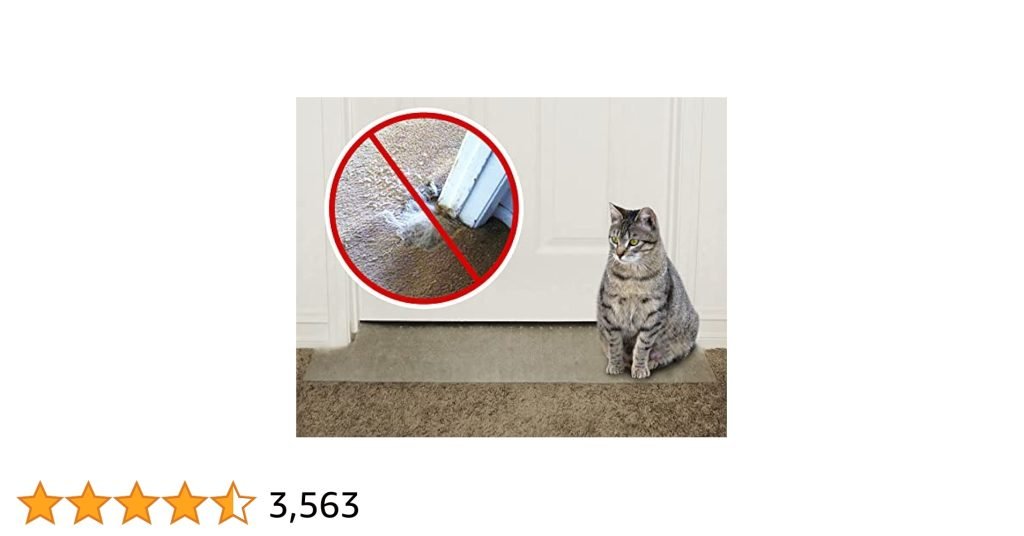
Are you tired of finding your carpet shredded by your cat’s claws? It’s frustrating to see your home’s favorite spots turning into scratching zones.
But don’t worry—you’re not alone, and there are simple ways to protect your carpet without upsetting your furry friend. You’ll discover effective tips that help you stop your cat from scratching the carpet, keeping both your floors and your pet happy.
Keep reading, because the solution might be easier than you think.

Credit: www.youtube.com
Why Cats Scratch Carpets
Cats scratch carpets to sharpen their claws and mark territory. Providing scratching posts and using deterrents can protect your carpet effectively. Redirecting their scratching habit helps keep both cats and carpets happy.
Why Cats Scratch Carpets If you’ve ever found your feline friend kneading their claws into your beautiful carpet, you’re not alone. Many cat owners face the same puzzling behavior and wonder why their cats choose carpets as their scratching post. Understanding the reasons behind this can help you address the issue more effectively.Natural Instincts
Cats scratch due to their ingrained natural instincts. In the wild, they scratch trees to sharpen their claws and stretch their bodies. Your carpet often becomes a substitute for this essential behavior.Marking Territory
Scratching is more than just a physical act; it’s a way for cats to mark their territory. The act leaves both a visual mark and a scent from their paw pads. This dual purpose is crucial in a cat’s world of communication.Nail Maintenance
Just like humans need to trim their nails, cats scratch to maintain theirs. This helps remove the outer layer of their claws, keeping them sharp and healthy. It’s a natural grooming routine you can’t ignore.Boredom And Stress
Have you noticed your cat scratching more when left alone? It could be a sign of boredom or stress. Scratching provides a release, much like how you might tap your foot when anxious. To keep your cat from turning your carpet into a scratching post, consider what their actions might be telling you. Would a new scratching post solve the issue, or could it be time for more interactive play? Addressing the root cause can make both you and your feline friend happier.
Credit: www.amazon.com
Identifying Problem Areas
Stopping a cat from scratching the carpet starts with knowing where the problem is. Cats often choose specific spots to scratch. These spots tell a lot about their behavior and needs. Finding these areas helps to protect your carpet and keep your cat happy. Observe your home carefully to identify these problem spots. This makes it easier to guide your cat to better scratching choices.
Common Carpet Spots
Cats usually scratch in places they visit often. Near doors, windows, or furniture edges are popular spots. They like areas with texture they can grip easily. Corners of rooms or under tables can show wear from scratching. Look for loose carpet fibers or worn patches. These are signs your cat uses that area often. Noticing these spots early prevents more damage later.
Behavioral Patterns
Scratching is a natural cat behavior. It helps them stretch muscles and mark territory. Some cats scratch more when stressed or bored. Observe when your cat scratches the carpet. Does it happen after waking up or during play? Does your cat scratch alone or near other pets? Understanding why your cat scratches helps find better solutions. Behavioral clues guide you to redirect this habit gently and effectively.
Effective Deterrents
Stopping a cat from scratching the carpet requires patience and the right deterrents. Cats scratch to mark territory and keep their claws sharp. Using effective deterrents helps protect your carpet without hurting your cat. Choose options that feel unpleasant to cats but safe for them and your home.
Using Double-sided Tape
Double-sided tape feels sticky and strange under a cat’s paws. Cats dislike this texture and often avoid taped areas. Apply the tape on carpet spots where your cat scratches the most. Replace the tape regularly to keep it sticky. This simple tool can quickly train cats to stop scratching certain spots.
Applying Cat-repellent Sprays
Cat-repellent sprays contain smells cats dislike. Spray these on carpet areas to keep cats away. Use sprays made from natural ingredients for safety. Test a small carpet spot first to avoid damage. Reapply the spray often, especially after cleaning. The scent helps stop scratching by making the area unattractive.
Aluminum Foil And Other Textures
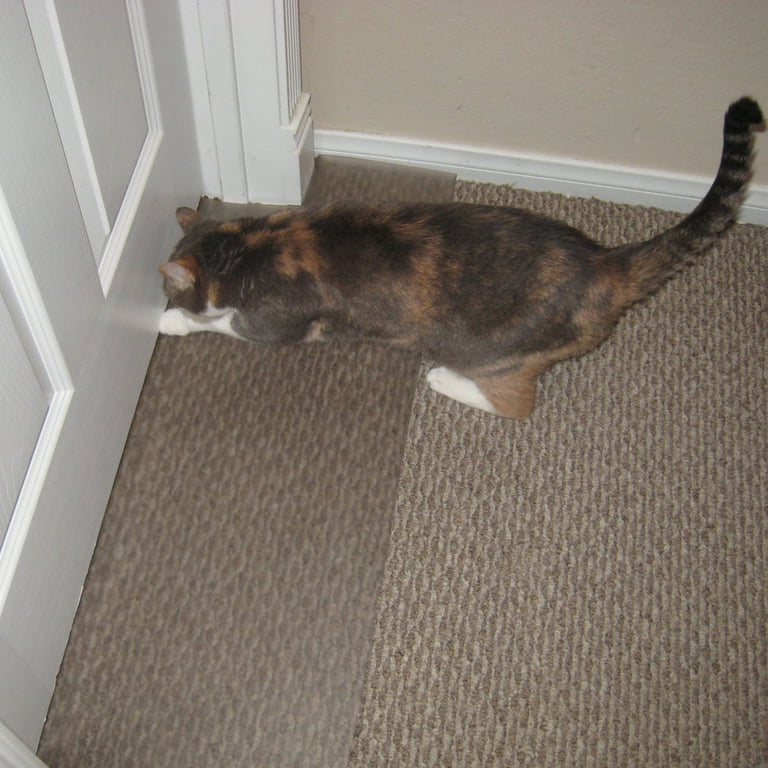
Aluminum foil’s crinkly, noisy texture scares many cats. Cover carpet areas with foil to deter scratching. Other textures like plastic mats or rough fabric also work. Change textures if your cat gets used to one. These materials create an uncomfortable surface that cats avoid. They protect carpets without causing harm.
Credit: www.greensafaris.com
Providing Alternatives
Providing alternatives is key to stop cats from scratching the carpet. Cats scratch to mark territory and keep their claws healthy. Offering other options satisfies their natural needs. This approach protects your carpet and keeps your cat happy. The right alternatives attract your cat and redirect scratching behavior.
Choosing The Right Scratching Posts
Select scratching posts that are sturdy and tall enough for full stretch. Posts should be stable and not wobble when your cat uses them. Materials like sisal rope or carpet attract cats more than smooth wood. Place posts near favorite scratching spots to encourage use. A post with a wide base prevents tipping and feels secure.
Encouraging Use With Catnip
Sprinkle catnip on scratching posts to draw your cat’s attention. Catnip creates a pleasant smell that excites many cats. Rub a catnip spray on posts or scatter dried catnip on top. This makes the post a fun place for your cat to scratch. Reward your cat with treats or praise after using the post.
Variety In Textures And Locations
Offer different textures like cardboard, carpet, and sisal for variety. Cats like exploring new surfaces for scratching. Place scratching posts in several rooms and near resting spots. This gives your cat many choices and reduces carpet damage. Rotate posts occasionally to keep your cat interested and engaged.
Nail Care And Maintenance
Proper nail care is key to stopping cats from scratching the carpet. Cats use their claws to mark territory and stretch muscles. Maintaining their nails reduces damage to furniture and floors. It also keeps your cat comfortable and healthy. Nail care is simple with a few regular steps and tools.
Regular Trimming
Trimming your cat’s nails often prevents sharp tips. Use a special pet nail clipper for safety. Cut only the clear tip, avoiding the pink quick inside. If unsure, trim a little at a time. Regular trimming keeps nails short and less likely to catch on carpet fibers. Reward your cat with treats to make trimming easier.
Soft Nail Caps
Soft nail caps are small covers glued over claws. They stop scratching without hurting your cat. Nail caps come in various colors and sizes. They last several weeks before needing replacement. Applying nail caps is painless. They protect carpets and furniture from damage. Check your cat’s nails regularly to ensure caps stay in place.
Professional Grooming Options
Professional groomers offer nail trimming and care services. They handle nervous or squirmy cats with gentle skill. Groomers can apply nail caps quickly and safely. Regular visits keep your cat’s nails in top shape. Ask your groomer for advice on home nail care. Professional help removes stress and ensures proper nail maintenance.
Behavioral Training Tips
Stopping your cat from scratching the carpet requires more than just physical barriers. Behavioral training plays a crucial role in guiding your cat toward better habits. Understanding how to communicate with your cat through positive actions can change their behavior effectively.
Positive Reinforcement
Encourage your cat to scratch in the right places by rewarding them when they do. Use treats, gentle petting, or praise immediately after they use a scratching post. This helps your cat associate the correct behavior with positive outcomes.
Try placing a scratching post near their favorite carpet spots. When they use it, offer a small treat right away. Over time, your cat will learn that the post is more rewarding than the carpet.
Redirecting Scratching
If you catch your cat scratching the carpet, calmly move them to a scratching post or pad. Avoid yelling or punishment; instead, gently guide them to the right place. This shows your cat where scratching is allowed without creating fear.
Try adding catnip or toys to scratching posts to make them more appealing. You can also cover the carpet temporarily with a less attractive surface, like double-sided tape, to discourage scratching in that area.
Consistency And Patience
Changing your cat’s scratching habits takes time and regular effort. Be consistent with your responses and rewards every day. Skipping days or reacting differently can confuse your cat and slow progress.
Remember, patience is key. Cats learn through repetition, so keep guiding and encouraging them without frustration. How might your daily routine change to support this consistent training?
Environmental Enrichment
Stopping your cat from scratching the carpet often requires more than just deterrents. Cats naturally need stimulation and outlets for their energy. Environmental enrichment offers a way to satisfy your cat’s instincts, reducing unwanted behavior by keeping them engaged and happy.
Interactive Toys
Interactive toys grab your cat’s attention and keep them busy. Toys that mimic prey, like feather wands or laser pointers, encourage natural hunting behaviors. You can even rotate toys regularly to keep things fresh and exciting for your cat.
Have you noticed how your cat reacts differently to new toys? Sometimes, a simple change can redirect their scratching urge away from the carpet.
Climbing Structures
Adding climbing structures gives your cat a space to climb, scratch, and explore safely. Cat trees, shelves, or wall-mounted perches provide vertical territory, which cats love. These spaces help satisfy their need to mark territory without damaging your carpet.
Try placing a scratching post near the climbing structure to create a dedicated area for your cat’s natural behaviors.
Quality Playtime
Spending quality playtime with your cat can decrease destructive scratching. Daily sessions of active play help burn off excess energy and strengthen your bond. Even short, focused playtimes can make a big difference in your cat’s behavior.
Ask yourself: are you spending enough interactive time with your cat to keep them mentally and physically satisfied?
When To Seek Professional Help
Sometimes, home solutions are not enough to stop a cat from scratching the carpet. Persistent scratching may signal deeper issues. It can cause damage and stress for both you and your cat. Knowing when to seek professional help is important. Experts can offer advice and treatments tailored to your cat’s needs. This can improve your cat’s behavior and protect your home.
Veterinary Advice
Veterinarians check for health problems causing scratching. Skin infections, allergies, or parasites might make a cat scratch more. Pain or discomfort can also lead to this behavior. A vet exam can find these issues early. Treatment can reduce scratching caused by medical conditions. Vets may suggest medications or changes in diet. They also provide tips on managing scratching safely.
Animal Behaviorists
Behaviorists study why cats act the way they do. They help when scratching is due to stress or anxiety. Cats may scratch to mark territory or release tension. Behaviorists create plans to change these habits. They use rewards and environment changes to guide cats. Their advice can reduce scratching without punishment. Working with a behaviorist can improve your cat’s quality of life.
Frequently Asked Questions
How Can I Stop My Cat From Scratching Carpet?
Provide scratching posts near carpeted areas. Use deterrents like double-sided tape or citrus sprays on carpets. Reward your cat for using posts instead of carpet.
Why Do Cats Scratch Carpets Frequently?
Cats scratch to mark territory, sharpen claws, and stretch muscles. Carpets feel soft and satisfying, making them an attractive scratching surface.
What Are Safe Alternatives To Carpet Scratching?
Offer sisal or cardboard scratching posts. Place them near favorite carpet spots. Use catnip or toys to encourage use.
Can Trimming Cat Claws Reduce Carpet Damage?
Yes, regular claw trimming reduces sharpness, minimizing damage. Use proper nail clippers and be gentle to avoid hurting your cat.
Conclusion
Stopping a cat from scratching the carpet takes patience and care. Provide your cat with good scratching posts nearby. Use gentle training to guide them away from the carpet. Cover the carpet with protective mats if needed. Reward your cat for using the right spots.
Over time, your cat will learn new habits. Keep their claws trimmed to reduce damage. With these simple steps, your carpet stays safe and your cat stays happy.
