


Is your cat leaving fur all over your clothes, furniture, and floors? Shedding can be frustrating, but you don’t have to live with endless hair everywhere.
If you want a cleaner home and a happier pet, understanding how to stop your cat from shedding is the key. You’ll discover simple, effective ways to reduce shedding and keep your cat’s coat healthy and shiny. Ready to say goodbye to those pesky hairs?
Keep reading, because the solution is easier than you think.
Causes Of Cat Shedding
Understanding why your cat sheds is the first step to managing the fur around your home. Shedding is a natural process, but certain factors can increase the amount of hair your feline friend loses. Knowing these causes helps you take better care of your pet and reduce the mess.
Biological Cycle And Seasonal Changes
Cats shed as part of their natural hair growth cycle. They lose old or damaged hair to make room for new growth. This process speeds up during seasonal changes, especially in spring and fall.
Have you noticed your cat shedding more when the weather shifts? That’s because they adapt their coat thickness according to the temperature. Understanding this cycle can help you prepare and manage shedding better.
Diet And Nutrition
Your cat’s diet plays a big role in the health of their fur. Poor nutrition can lead to excessive shedding and dull hair. Cats need a balanced diet rich in omega-3 and omega-6 fatty acids to maintain a healthy coat.
If you see more fur on the furniture, consider reviewing your cat’s food. Sometimes, a simple change in diet can reduce shedding noticeably.
Stress And Environment
Stress affects cats just like it does people. Changes in their environment, loud noises, or new pets can increase shedding. Stress-related shedding is a sign that your cat may need more comfort or a quieter space.
Have you moved recently or introduced a new pet? Watch your cat’s behavior and shedding patterns closely during these times.
Health Issues And Parasites
Excessive shedding can signal underlying health problems. Skin infections, allergies, or parasites like fleas cause discomfort and more fur loss. If your cat is scratching a lot or has bald patches, it’s time to visit the vet.
Ignoring these signs can worsen the problem, so prompt attention is key to keeping your cat comfortable and shedding under control.

Credit: www.reddit.com
Breeds Prone To Shedding
Some cat breeds shed more than others, which can make managing fur around your home a bigger challenge. Knowing which breeds are prone to shedding helps you prepare better and choose the right grooming routine. It also helps set expectations if you’re thinking about bringing a new feline friend into your life.
Persian Cats
Persians have long, thick fur that tends to shed heavily throughout the year. Their coat requires daily brushing to prevent mats and reduce loose hair. If you’ve ever run your hand over a Persian’s silky coat, you know how much fur can come off with just a gentle stroke.
Maine Coon Cats
Maine Coons are known for their dense, water-resistant fur. They shed seasonally, with heavier shedding in spring and fall. Regular grooming can help keep shedding under control and stop fur from piling up on your furniture.
Siberian Cats
Siberians have a thick triple-layered coat designed for cold climates, which means they shed a lot during seasonal changes. They may surprise you with bursts of fur appearing seemingly overnight. You’ll want to brush them frequently, especially during shedding season, to keep your home cleaner.
Domestic Shorthair And Longhair
While these cats don’t belong to a specific breed, many shed quite a bit depending on their genetics. Longhaired varieties shed more, but even shorthaired cats can leave noticeable fur around. Paying attention to your cat’s shedding pattern helps you adjust grooming habits effectively.
Why Does Shedding Vary So Much?
Shedding depends on genetics, environment, and health. Some cats naturally lose more hair to adapt to seasons or temperature changes. Have you noticed your cat shedding more during spring or fall? This pattern is common and often manageable with the right care.
Dietary Changes To Control Shedding
Diet plays a major role in managing a cat’s shedding. A balanced diet keeps their skin and coat healthy. Poor nutrition often leads to dry skin and excess shedding. Small changes to what your cat eats can reduce shedding significantly. Focus on foods rich in key nutrients that support fur health and strength.
Essential Nutrients For Healthy Fur
Cats need certain nutrients for a shiny, strong coat. These include:
- Omega-3 and Omega-6 Fatty Acids:Help reduce inflammation and keep skin moisturized.
- Protein:Builds the keratin in fur and skin cells.
- Vitamins A and E:Support skin repair and protect against damage.
- Zinc:Aids in skin healing and fur growth.
- Biotin:Enhances hair strength and reduces breakage.
These nutrients work together to slow shedding and improve coat quality.
Recommended Cat Foods
Choose cat foods that list high-quality protein sources first. Look for formulas with added fish oils or flaxseed for healthy fats. Grain-free options often contain fewer fillers and may help sensitive skin. Wet food can add hydration, which benefits the skin.
Brands that focus on natural ingredients usually include essential vitamins and minerals. Avoid foods with too many artificial additives or fillers. Consult your vet for specific dietary needs based on your cat’s health.
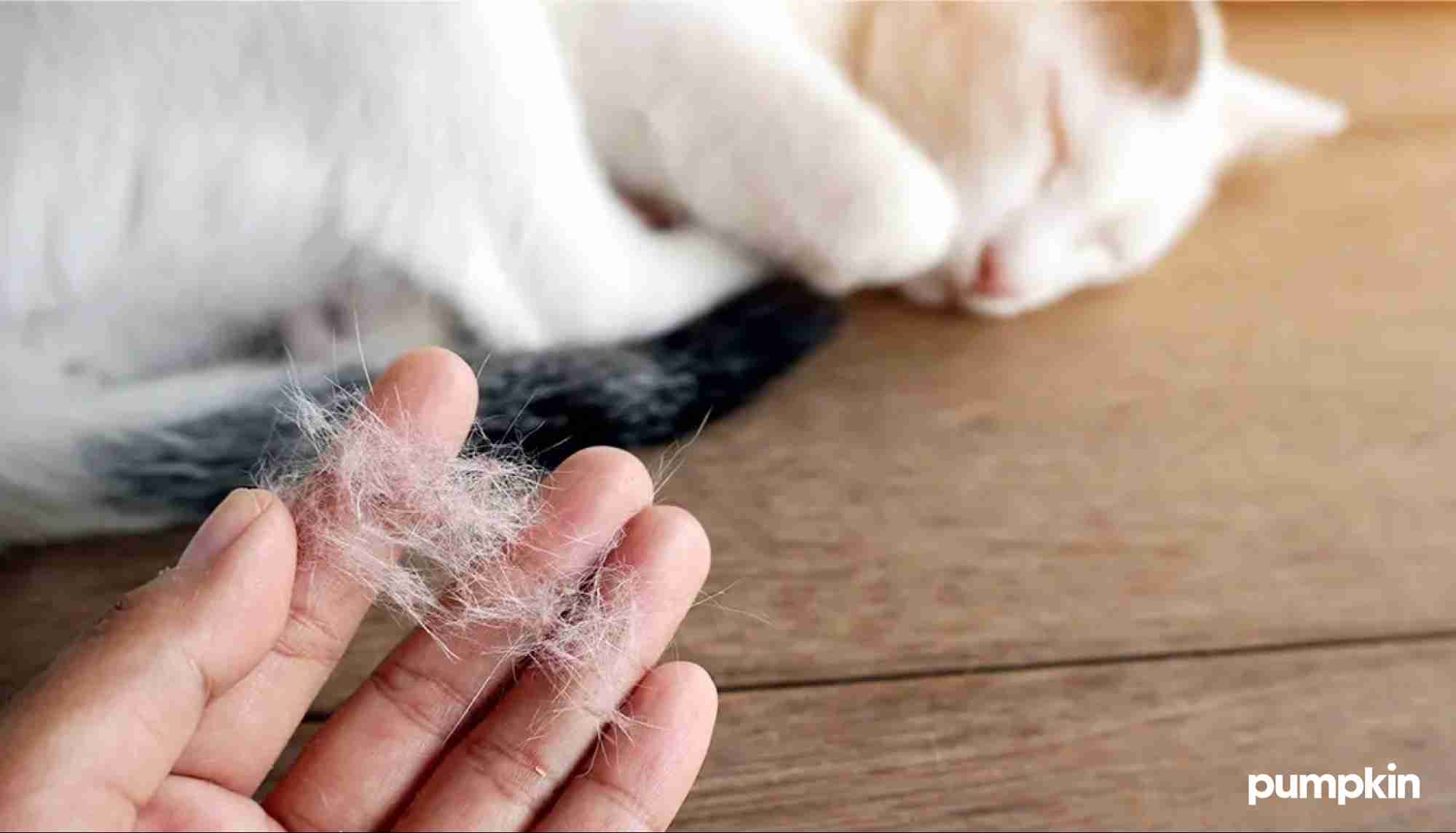
Credit: www.pumpkin.care
Grooming Techniques
Grooming plays a crucial role in managing your cat’s shedding. Regular care not only reduces loose hair around your home but also keeps your feline friend comfortable and healthy. Understanding the right techniques can make the process smoother for both you and your cat.
Brushing Tips
Choose a brush that suits your cat’s fur type—slicker brushes work well for long-haired breeds, while rubber brushes are great for short-haired cats.
Brush your cat gently but thoroughly at least a few times a week. This helps remove loose fur before it falls off naturally.
Try brushing in the direction of hair growth to avoid irritating your cat’s skin. Pay special attention to areas where mats or tangles form easily, like behind the ears and under the legs.
If your cat resists brushing, start with short sessions and reward them with treats. Have you noticed how some cats even seem to enjoy the grooming as a bonding moment?
Bathing Recommendations
Bathing your cat can reduce shedding by washing away dead hair and skin flakes, but it’s important not to overdo it. Too frequent baths can dry out your cat’s skin, leading to more shedding.
Use a cat-specific shampoo that moisturizes and soothes the skin. Avoid human shampoos as they can cause irritation.
Make bath time calm and safe—use lukewarm water and keep sessions brief. If your cat is nervous, consider using a spray nozzle or a damp cloth to clean instead of a full bath.
Ask yourself: Could occasional baths combined with regular brushing be the key to a less hairy home?
Environmental Adjustments
Creating the right environment helps reduce your cat’s shedding. Small changes in your home can make a big difference. These adjustments support your cat’s skin health and control loose fur.
Humidity Control
Dry air makes your cat’s skin dry and flaky. This can cause more shedding. Use a humidifier to keep the air moist. Aim for 40-50% humidity in your home. It helps your cat’s skin stay healthy and less itchy.
In winter, heaters dry out the air more. Place a humidifier near your cat’s favorite resting spots. This keeps their skin comfortable and reduces shedding.
Regular Cleaning Practices
Loose fur spreads around the house if not cleaned often. Clean floors and furniture regularly to remove cat hair. Use a vacuum with a pet hair attachment for best results.
Wash your cat’s bedding at least once a week. This removes hair and dander that can build up. Regular cleaning helps keep your home fresh and your cat’s fur under control.
Health Checks For Underlying Issues
Shedding can sometimes signal health issues beneath the surface. Regular health checks help identify these problems early. Addressing underlying causes can reduce excessive shedding and improve your cat’s comfort.
Allergies And Skin Conditions
Allergies cause itching, redness, and hair loss in cats. Common triggers include food, pollen, and dust mites. Skin infections or inflammation can worsen shedding. Watch for bald patches or scabs on your cat’s body. A vet can diagnose allergies or skin problems. Treatments may include special diets or medications. Keeping your cat’s skin healthy lowers shedding and discomfort.
Parasite Prevention
Fleas, ticks, and mites irritate your cat’s skin. These parasites cause scratching and hair loss. Regular parasite control stops infestations before they grow. Use vet-recommended flea and tick preventives year-round. Check your cat’s fur often for signs of parasites. Early detection prevents severe skin damage and shedding. Parasite prevention supports your cat’s overall health and coat quality.
Supplements To Reduce Shedding
Supplements can help reduce your cat’s shedding by improving skin and coat health. Healthy skin means less loose fur around your home. Proper nutrients support hair growth and reduce breakage.
Choosing the right supplements makes a big difference. Natural options often work best and have fewer side effects. Always check with a vet before adding supplements to your cat’s diet.
Omega-3 Fatty Acids
Omega-3 fatty acids support healthy skin and shiny fur. They reduce inflammation that causes itching and hair loss. Fish oil is a common source of omega-3 for cats.
- Improves skin hydration
- Reduces dryness and flakiness
- Strengthens hair follicles
Regular omega-3 intake can lower shedding significantly. Look for high-quality fish oil supplements made for pets. Start with small doses to avoid digestive upset.
Vitamin Supplements
Vitamins play a vital role in coat health. Vitamin E and biotin help maintain skin elasticity and hair growth. Deficiencies in these vitamins may cause excessive shedding.
- Vitamin E protects skin cells
- Biotin supports hair structure
- Vitamin A promotes healthy skin
Choose supplements designed for cats to get the right balance. Avoid giving human vitamins, as they can harm your pet. Consistent vitamin support helps keep shedding under control.
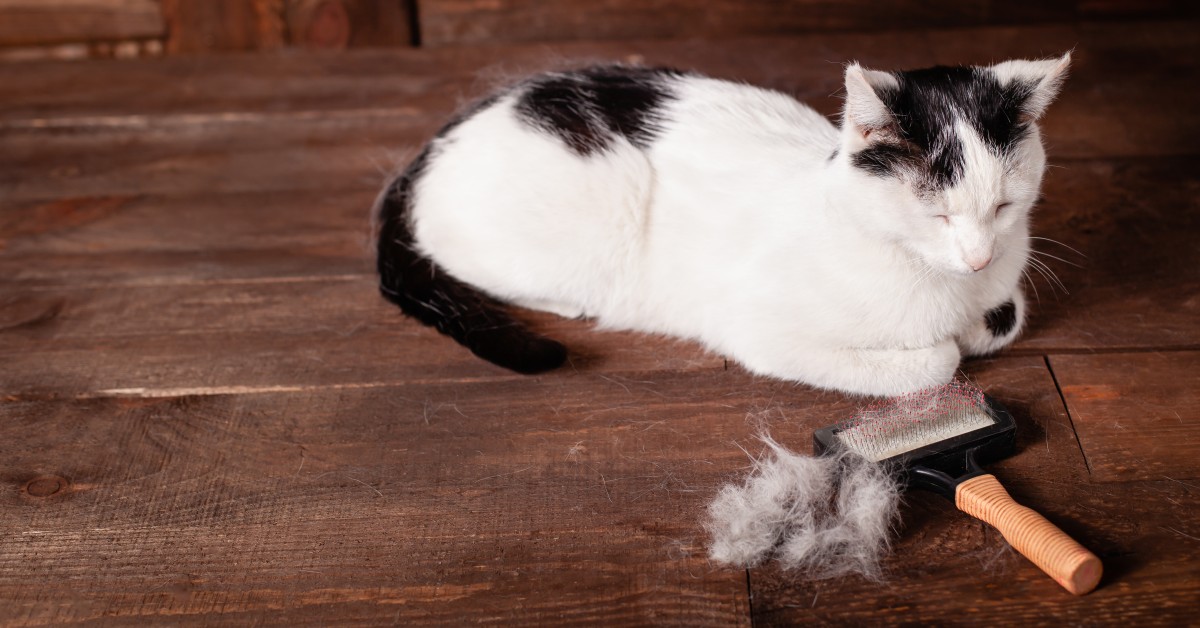
Credit: www.petassure.com
Tools To Manage Shedding
Managing cat shedding can feel like a nonstop battle, but having the right tools makes a big difference. Choosing effective brushes and vacuum cleaners designed for pet hair will help control loose fur before it spreads around your home. These tools not only keep your space cleaner but also improve your cat’s comfort and coat health.
Effective Brushes And Combs
Not all brushes are created equal when it comes to handling shedding. Tools like slicker brushes and deshedding combs are specifically designed to reach the undercoat where most shedding happens.
A slicker brush with fine, short wires works well for removing loose fur and preventing mats. I once switched to a deshedding tool for my long-haired cat, and the difference was immediate—less hair on my clothes and fewer furballs around the house.
- Slicker Brushes:Best for removing tangles and loose fur gently.
- Deshedding Tools:Reach deep into the undercoat to remove dead hair.
- Rubber Grooming Gloves:Great for sensitive cats and quick fur removal.
Try different brushes to see what your cat prefers. A comfortable grooming session encourages regular use and keeps shedding under control.
Vacuum Cleaners For Pet Hair
Regular vacuuming is a must if you want to keep your home free from cat hair. But not all vacuums handle pet fur well. Choose a vacuum cleaner designed with strong suction and specialized pet hair attachments.
My experience with a pet-specific vacuum showed me how much easier cleaning becomes. The rotating brush heads and HEPA filters trap fur and dander effectively, improving air quality too.
- Pet Hair Attachments:Designed to reach corners and upholstery where fur collects.
- Strong Suction Power:Essential for lifting hair embedded in carpets and rugs.
- HEPA Filters:Help reduce allergens by capturing fine pet dander.
Do you notice fur everywhere even after cleaning? A vacuum made for pet hair can save you time and frustration while keeping your living space fresh.
Frequently Asked Questions
How Often Should I Brush My Cat To Reduce Shedding?
Brushing your cat daily or at least three times a week helps remove loose fur. It reduces shedding and prevents hairballs. Use a suitable brush for your cat’s fur type to get the best results.
What Diet Helps Minimize Cat Shedding?
Feeding your cat a balanced diet rich in omega-3 and omega-6 fatty acids improves coat health. High-quality protein also supports strong fur. Proper nutrition reduces excessive shedding naturally.
Can Bathing My Cat Reduce Shedding?
Bathing your cat occasionally with a gentle shampoo can remove loose fur and dirt. However, avoid frequent baths as they may dry out the skin and increase shedding.
Are There Supplements To Control Cat Shedding?
Yes, supplements with omega fatty acids and vitamins can improve skin and coat health. Consult your vet before adding supplements to your cat’s diet to ensure safety.
Conclusion
Stopping your cat from shedding takes patience and care. Regular brushing helps remove loose fur. Feeding good food supports healthy skin and coat. Keep your home clean to reduce fur buildup. Remember, some shedding is normal for cats. Gentle care and attention make a big difference.
Your cat will feel happier and healthier too. Small steps bring better results over time. Keep these tips in mind every day. Shedding can become easier to manage.
