

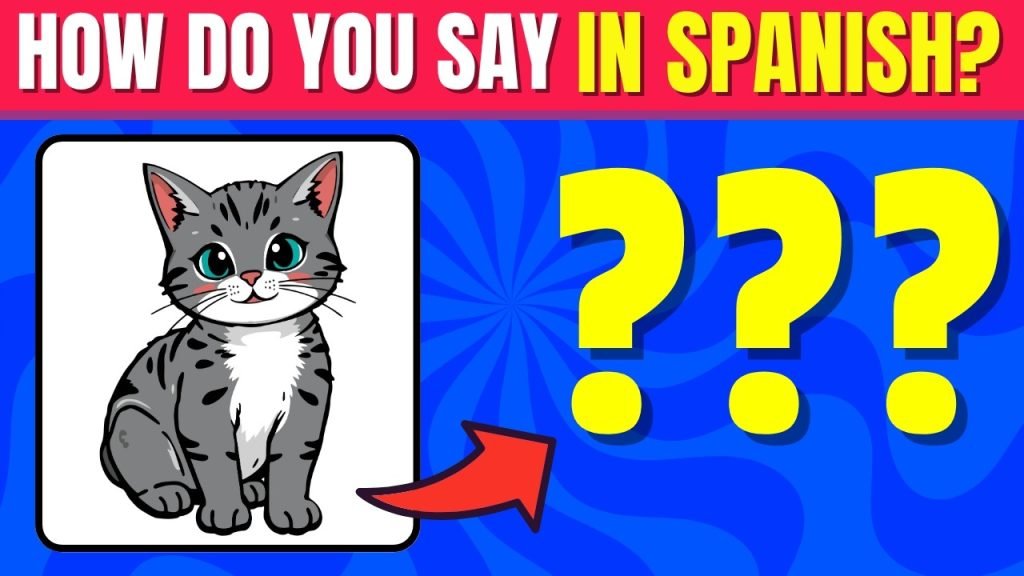
Have you ever wondered how to say “cat” in Spanish? Whether you’re chatting with friends, traveling, or just curious, knowing this simple word can open up a whole new world of connection.
Imagine how easy it would be to spot a cat and share that moment in another language. Stick with me, and you’ll not only learn the word but also discover fun tips to remember it quickly. Ready to add a little feline flair to your Spanish?
Let’s dive in!
Credit: traveling-cats.com
Common Spanish Words For Cat
Learning how to say “cat” in Spanish can be more intriguing than you might think. While the common translation is “gato,” there’s more to the word than meets the eye. Understanding these variations can enhance your language skills and cultural knowledge. Let’s dive into the different ways you can refer to a cat in Spanish.
Gato Vs. Gatito
The word “gato” is the standard term for “cat” in Spanish. It’s simple, easy to remember, and widely used. But what if you want to convey a sense of affection or refer to a kitten? That’s where “gatito” comes in. Adding the diminutive “-ito” or “-ita” can express endearment, much like calling a cat “kitty” in English. Have you ever wondered how a single suffix could change the tone of a word so significantly?
Regional Variations
Just as English has its regional dialects, Spanish offers diverse ways to say “cat” depending on the region. In some parts of Spain, you might hear “michi” or “micho,” terms that are more colloquial and affectionate. Latin American countries also have their variations, with “minino” being a popular choice. These variations add a layer of cultural richness to the language, making it even more fascinating. Have you ever encountered these terms while traveling or speaking with native speakers?
Pronunciation Tips
Pronouncing the Spanish word for cat, “gato,” can be simple with the right tips. Small sounds make a big difference. Focus on specific parts of the word to sound natural.
Mastering The ‘g’ Sound
The ‘G’ in “gato” sounds different than in English. It is a soft sound, like the ‘h’ in “hello” but stronger. To make this sound:
- Place the back of your tongue near the throat.
- Push air out gently without voice vibration.
- Practice with words like “gato,” “gente,” and “gusto.”
Try saying “gato” slowly and repeat often to get used to this ‘G’ sound.
Accent And Intonation
Spanish words have clear stress patterns. In “gato,” stress falls on the first syllable: GA-to.
- Say the first syllable louder and longer.
- Keep the second syllable short and soft.
- Use a smooth, even tone without rising at the end.
This natural rhythm helps your Spanish sound more authentic and easy to understand.
Using Cat In Everyday Phrases
Using the word “cat” in everyday Spanish phrases can make your conversations feel more natural and lively. It’s not just about knowing the translation—gato—but also about seeing how it fits into daily speech. This helps you connect better with native speakers and understand their culture a bit deeper.
Talking About Pets
When you talk about pets in Spanish, the word gatois often part of simple, relatable sentences. You might say, “Tengo un gato muy juguetón,”which means, “I have a very playful cat.” This kind of phrase helps you share personal stories and bond over common interests.
Have you ever noticed how pet owners describe their cats differently? Using phrases like “Mi gato es muy cariñoso,”meaning “My cat is very affectionate,” adds warmth to your conversations. It shows you care and pay attention to details, making your Spanish feel more genuine.
Idioms And Expressions
Spanish has some interesting idioms involving cats that might surprise you. For example, “Buscarle tres pies al gato”literally means “to look for three feet on the cat,” which is used when someone complicates something unnecessarily. Imagine if you said that in English—would it make people laugh or think twice?
Another common expression is “Cuando el gato no está, los ratones bailan,”meaning “When the cat’s away, the mice will dance.” This phrase perfectly captures those moments when people take advantage of someone’s absence. Knowing these idioms can make your conversations more colorful and show you understand everyday Spanish beyond just the basics.

Credit: www.youtube.com
Cultural Insights About Cats In Spanish-speaking Countries
Cats have a special place in many Spanish-speaking cultures. They often appear in stories, art, and daily life. Understanding these cultural views helps us appreciate the word gato, which means cat in Spanish. Cats are not just pets; they carry meaning and tradition across different countries.
Folklore And Traditions
In Spain and Latin America, cats are part of many old tales and beliefs. Some people see black cats as lucky, while others think the opposite. In Mexico, cats appear in legends about witches and magic. They symbolize mystery and protection in many stories. Cats also appear in festivals and local art, showing their cultural importance.
Popular Cat Names
Many cat names in Spanish-speaking countries reflect local language and culture. People often choose simple, cute names that show affection. Some popular names include:
- Pelusa (Fluff)
- Chispa (Spark)
- Simba
- Luna (Moon)
- Micho (a common nickname for gato)
Names often describe a cat’s color, personality, or a beloved character from stories. These names tell us about the close bond between cats and their owners.
Practice Exercises
Practice exercises help you remember new words like “cat” in Spanish. They make learning active and fun. Use simple exercises often to improve quickly. Small daily efforts build strong language skills.
Listening Practice
Listen to native speakers say the word “cat” in Spanish. The word is gatofor a male cat and gatafor a female cat. Hearing the word helps you remember it better.
- Play short audio clips with the word gato.
- Watch videos of cats with Spanish narration.
- Repeat the word after the speaker to catch the sound.
Speaking Drills
Say the word gatoout loud many times. Practice saying it in sentences. Speaking boosts your confidence and pronunciation skills.
- Repeat: “El gato es bonito” (The cat is cute).
- Describe a picture of a cat using gatoor gata.
- Record yourself saying the word and listen back.

Credit: www.spanish.academy
Frequently Asked Questions
What Is The Spanish Word For Cat?
The Spanish word for cat is “gato” for a male cat and “gata” for a female cat. These terms are commonly used in everyday conversation.
How Do You Pronounce Cat In Spanish?
“Cat” in Spanish is pronounced as “GAH-to” for a male cat and “GAH-tah” for a female cat. The emphasis is on the first syllable.
Are There Regional Variations For Cat In Spanish?
Yes, some regions use slang or different terms for cat, but “gato” and “gata” are widely understood across Spanish-speaking countries.
Can “gato” Mean Anything Else In Spanish?
Besides meaning “cat,” “gato” can also refer to a car jack or a clever person, depending on context. The meaning changes with usage.
Conclusion
Now you know how to say cat in Spanish: “gato” for a male cat and “gata” for a female. This simple word connects you to Spanish speakers everywhere. Practice saying it aloud to remember easily. Learning small words like this builds your Spanish step by step.
Keep exploring new words to grow your language skills. Soon, speaking Spanish will feel natural and fun. Little by little, your confidence will rise. Keep going, and enjoy every new word you learn!
