

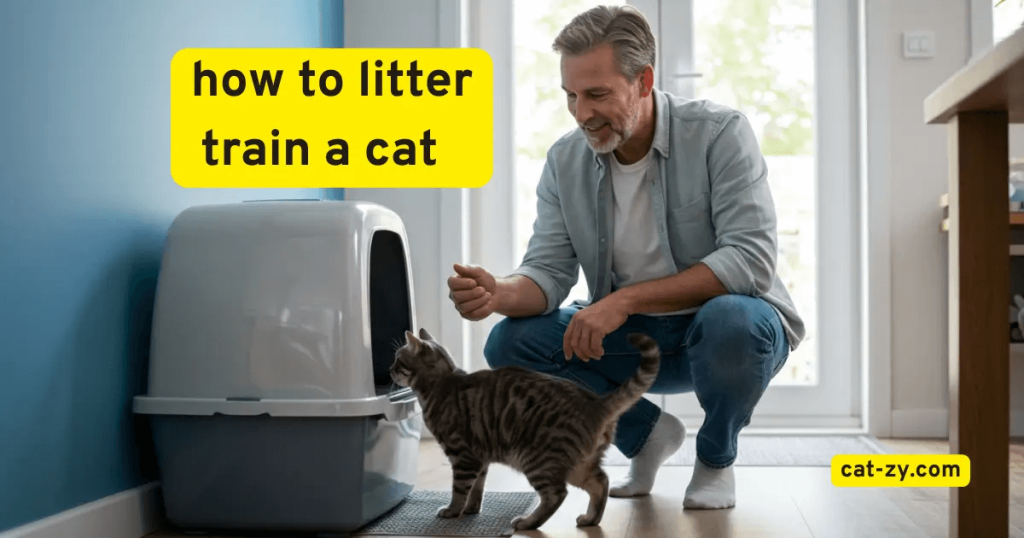
Getting your cat to use the litter box might seem simple, but it can sometimes feel like a tricky challenge. You want a clean home and a happy pet, but accidents happen, leaving you frustrated.
What if you could make litter training easy and stress-free for both you and your cat? You’ll discover clear, practical steps to help your cat learn where to go – so you can enjoy a fresh-smelling home and a well-behaved furry friend.
Keep reading, and let’s make litter training a breeze together.
Choosing The Right Litter Box
Choosing the right litter box plays a big role in training your cat. Cats feel comfortable using a litter box that fits their size and needs. Picking the right box helps avoid accidents and keeps your cat happy. Consider the size and type carefully. Also, think about where to place the box for easy access and privacy.
Size And Type Options
Pick a litter box that is large enough for your cat to move freely. The box should be at least one and a half times the length of your cat. Small boxes can make cats avoid using them.
There are several types of litter boxes:
- Open boxes: Easy to clean and good for cats who like space.
- Covered boxes: Provide privacy but may trap smells.
- Self-cleaning boxes: Good for busy owners but can be noisy.
Choose a box type that matches your cat’s personality and your cleaning habits.
Placement Tips
Place the litter box in a quiet, low-traffic area. Cats like privacy when they use the bathroom. Avoid placing the box near their food and water bowls.
Make sure the box is easy to reach. Avoid spots that are too noisy or crowded. Keep the box on a stable surface to prevent tipping.
Provide more than one box if you have multiple cats. This reduces stress and territorial issues.
Selecting Suitable Cat Litter
Selecting the right cat litter is a crucial step in litter training your cat. The litter you choose affects your cat’s comfort and willingness to use the box consistently. It also impacts your cleaning routine and home odor control.
Different Litter Materials
Cat litter comes in various materials, each with pros and cons. Clay-based litter is popular for its absorbency and odor control but can be dusty and heavy. Silica gel crystals trap moisture well and control smell but may not appeal to every cat’s paws.
Natural options like corn, wheat, or pine are biodegradable and less dusty. If you want an eco-friendly choice, these could work well. However, some cats might take time to adjust to the texture or scent.
Think about your cat’s preferences and any allergies. Have you noticed your cat avoiding the litter box before? The litter material might be the reason.
Clumping Vs Non-clumping
Clumping litter forms solid clumps when wet, making it easier to scoop daily. This keeps the litter box cleaner and fresher for your cat. On the other hand, non-clumping litter absorbs moisture but requires a full change more often.
If you prefer less frequent litter changes, non-clumping might seem convenient. But it can lead to stronger odors and soggy litter, which cats dislike. Clumping litter helps you spot waste quickly, preventing your cat from stepping into dirty areas.
Consider your cleaning habits and your cat’s reaction. Have you tried both types before? Your choice can make a big difference in your cat’s litter box use and your cleaning routine.
Introducing Your Cat To The Litter Box
Introducing your cat to the litter box is a key step in litter training. It helps your cat learn where to go for bathroom needs. Patience and consistency make this process smooth and stress-free. Creating a calm environment invites your cat to explore the litter box confidently. Watch your cat’s reactions and adjust your approach as needed.
Initial Placement Strategies
Choose a quiet, low-traffic spot for the litter box. Avoid noisy or busy areas that might scare your cat. Place the box on a flat surface for stability. Keep the box away from the cat’s food and water dishes. This separation encourages good hygiene and comfort. Use a box size suitable for your cat’s age and size. Start with one box to avoid confusion.
Encouraging Exploration
Gently place your cat inside the litter box a few times daily. Let your cat sniff and look around freely. Praise your cat softly to build positive feelings. Avoid forcing your cat to stay in the box. Use toys or treats nearby to create a fun atmosphere. Keep the litter clean to invite frequent visits. The goal is curiosity, not pressure.

Credit: scrumbles.co.uk
Establishing A Routine
Creating a daily routine helps cats learn where and when to use the litter box. Cats feel safe with regular habits. This reduces accidents and stress. Establishing a routine involves timing feeding and litter use. It also includes keeping the litter box clean on a set schedule.
Feeding And Litter Timing
Feed your cat at the same times each day. Cats usually need to use the litter box shortly after eating. Watch your cat’s behavior after meals. Guide them gently to the litter box then. This builds a clear connection between eating and using the litter box.
Consistent Cleaning Schedule
Clean the litter box every day or at least once daily. Cats prefer a clean place to do their business. Remove clumps and waste to keep it fresh. Replace all litter and wash the box weekly. A clean box encourages your cat to use it regularly.
Handling Common Challenges
Training a cat to use the litter box is often straightforward, but challenges can arise that test your patience. Handling these common setbacks effectively is crucial to keeping both your home clean and your feline friend happy. Understanding the root of problems and responding with calm, practical solutions makes a big difference.
Dealing With Accidents
Accidents happen, even with the best-trained cats. Instead of reacting with frustration, focus on identifying why your cat might be missing the box. Is the litter box clean enough? Cats are very particular, and a dirty box can be a major turn-off.
Consider the location of the box as well. If it’s in a noisy or hard-to-reach spot, your cat might avoid it. Moving it to a quieter, more accessible area can encourage proper use.
Clean accidents thoroughly with an enzyme cleaner. This removes odors that might attract your cat back to the same spot. Have you noticed if accidents happen after a change in your cat’s routine? Stress or health issues often play a role, so a vet visit might be necessary.
Addressing Avoidance Behavior
When your cat avoids the litter box altogether, it’s a sign something is wrong. Sometimes the type of litter or box style doesn’t suit your cat’s preferences. Try different litters—some cats prefer unscented, fine-grain types, while others like clumping varieties.
Observe your cat’s behavior closely. Do they circle or sniff around the box without using it? This could indicate discomfort or fear. Adding an extra box in a different location can reduce anxiety and give your cat options.
Patience is key. Offer gentle encouragement and rewards when your cat uses the box correctly. Have you tried changing the cleaning schedule? Some cats prefer a freshly scooped box several times a day.
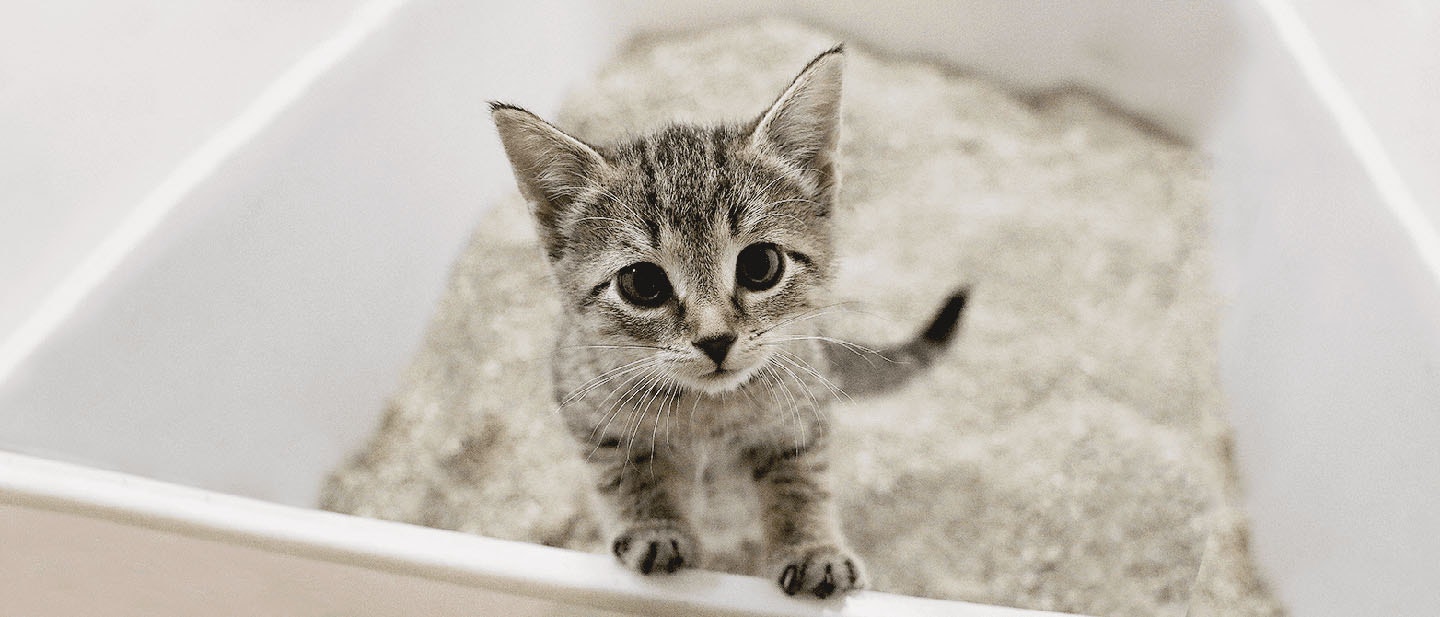
Credit: www.whiskas.com.ph
Reinforcing Positive Behavior
Reinforcing positive behavior is key to successful litter training. Cats respond best when they understand what actions please you. Encouraging good habits helps your cat feel confident and eager to use the litter box consistently.
Using Rewards
Giving your cat a reward immediately after it uses the litter box reinforces the right behavior. Rewards can be treats, gentle petting, or verbal praise with a happy tone. Cats remember these positive moments and associate the litter box with something good.
Try to keep rewards simple and consistent. If your cat avoids the box, don’t withhold affection entirely—just wait for the right moment to reward. Have you noticed your cat’s eyes brighten after a treat? That’s a sign you’re on the right track.
Avoiding Punishment
Punishing your cat for accidents can create fear and confusion. Cats don’t connect punishment with the behavior if it’s delayed, which makes it ineffective. Instead, focus on redirecting your cat to the litter box calmly and patiently.
Negative reactions may lead your cat to hide or avoid you, which can hinder training. Ask yourself—how would you feel if you were punished for a mistake you didn’t understand? Treat your cat’s learning process with kindness to build trust and success.
When To Seek Veterinary Advice
Knowing when to seek veterinary advice during litter training can save you time and frustration. Sometimes, your cat’s difficulties are not about behavior but health. Recognizing these signs early helps your cat get the care they need and improves the training process.
Health Issues Affecting Training
Medical problems like urinary tract infections or bladder stones often cause accidents outside the litter box. If your cat suddenly stops using the litter box or shows pain while going, it’s a red flag.
Other health issues such as kidney disease or diabetes may also affect litter habits. Your vet can run tests to find hidden problems that disrupt normal bathroom behavior.
Ignoring these signs can lead to more severe complications and make litter training nearly impossible. Have you noticed your cat licking their private area excessively or showing blood in the urine? These symptoms mean it’s time to visit the vet.
Behavioral Concerns
Sometimes, litter box refusal stems from stress, anxiety, or changes in the environment. Moving to a new home or adding another pet can unsettle your cat.
If your cat is avoiding the litter box but shows no signs of illness, behavioral factors might be at play. Your vet can suggest strategies or refer you to a behaviorist who specializes in cats.
Pay attention to your cat’s overall mood. Are they hiding more than usual or vocalizing distress? Addressing emotional health alongside physical health often leads to successful litter training.
Credit: www.petsradar.com
Frequently Asked Questions
How Long Does It Take To Litter Train A Cat?
Litter training usually takes one to two weeks. Consistency and patience speed up the process. Young kittens learn faster than adult cats.
What Is The Best Litter For Training Cats?
Clumping, unscented, and fine-grained litter is ideal. It mimics natural soil, making cats comfortable. Avoid strong scents that may deter them.
How Often Should I Clean The Cat’s Litter Box?
Clean the litter box daily by scooping waste. Replace all litter weekly to maintain hygiene. A clean box encourages regular use.
Can I Use Multiple Litter Boxes For Training?
Yes, place multiple boxes in quiet, accessible spots. This prevents accidents and helps cats learn location. One box per cat is recommended.
Conclusion
Training your cat to use the litter box takes patience and care. Keep the box clean and place it in a quiet spot. Praise your cat when it uses the box correctly. Watch for signs if your cat avoids the box.
Consistency helps your cat learn faster. Remember, each cat learns at its own speed. With gentle guidance, your cat will adapt well. Enjoy the process and stay positive. Clean habits start with simple steps every day. Your cat can become litter trained with your help.
