

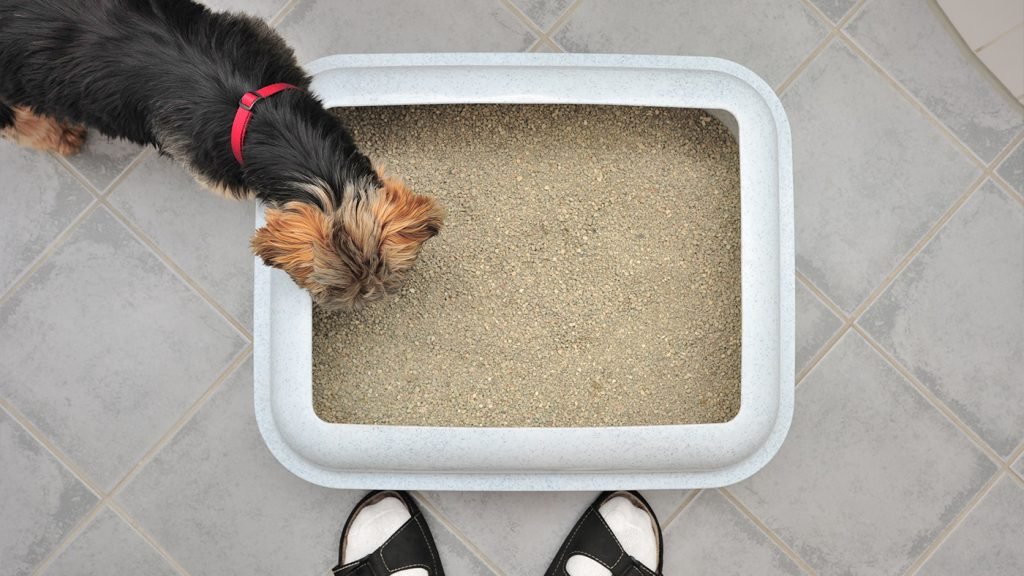
Getting your cat to use the litter box can feel like a big challenge. You want your home to stay clean, and your furry friend to feel comfortable.
But how do you make sure your cat understands where to go? You’re not alone if this seems tricky. The good news is, with the right steps, you can teach your cat to use the litter box quickly and easily.
Keep reading, and you’ll discover simple tips that work every time. Your cat—and your home—will thank you.
Choosing The Right Litter Box
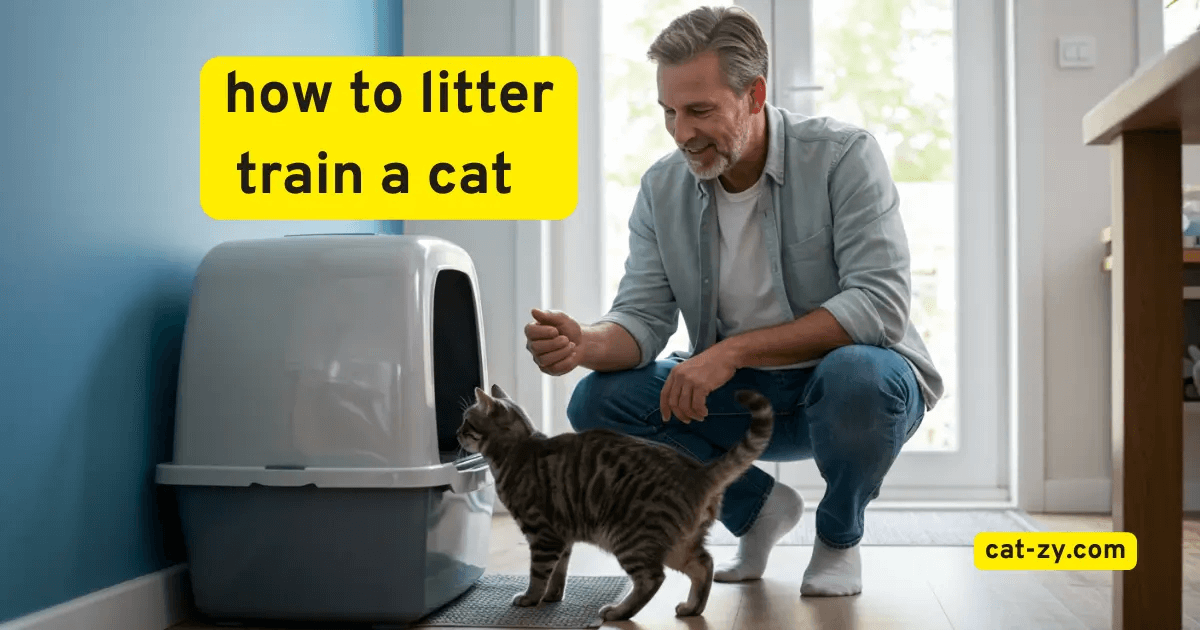
Choosing the right litter box is key to successful cat training. Cats need a comfortable and clean space for their bathroom habits. A proper litter box helps your cat feel safe and encourages consistent use. This section covers types of litter boxes, size and placement tips, and materials and maintenance.
Types Of Litter Boxes
- Open litter boxes are simple and easy to access.
- Covered litter boxes provide privacy and reduce odor.
- Self-cleaning litter boxes save time by automatically scooping waste.
- Top-entry litter boxes prevent litter scatter and keep dogs out.
Choose a style that fits your cat’s habits and your home.
Size And Placement Tips
- Select a box large enough for your cat to turn around comfortably.
- Place the litter box in a quiet, low-traffic area.
- Avoid placing boxes near food and water bowls.
- Keep litter boxes on a level surface to prevent spills.
- Consider having multiple boxes for multiple cats.
Materials And Maintenance
- Plastic litter boxes are lightweight and easy to clean.
- Choose a box with smooth surfaces to prevent bacteria buildup.
- Regularly scoop waste at least once daily.
- Wash the box with mild soap weekly to keep it fresh.
- Replace the litter box if it develops cracks or strong odors.
Credit: medium.com
Selecting The Best Cat Litter
Selecting the best cat litter is key to successful litter box training. Cats are picky about their litter, and the right choice makes them comfortable. The right litter helps control odors and keeps the box clean. It also affects how easy it is for you to maintain the box. Choosing the right type means your cat will use the box more often.
Clumping Vs Non-clumping
Clumping litter forms solid clumps when wet. This makes cleaning easier and keeps the box fresh. Non-clumping litter absorbs moisture but does not form clumps. It may need to be changed more often. Many cats prefer clumping litter because it feels softer on their paws. Owners find clumping litter more convenient for daily cleaning.
Scented Or Unscented
Scented litter masks odors with added fragrances. Some cats dislike strong smells and may avoid the box. Unscented litter has no added scent and is often better for sensitive cats. It relies on natural odor control instead. Unscented litter is a safer choice for kittens and cats with allergies.
Eco-friendly Options
Eco-friendly litters are made from natural materials like corn, wheat, or recycled paper. They break down faster in landfills and are safer for the environment. Many are biodegradable and compostable. These litters often have low dust and are gentle on paws. They offer a green choice without sacrificing cleanliness.
Introducing The Litter Box To Your Cat
Introducing the litter box to your cat is the first step in successful training. Cats need to feel safe and comfortable near the box. A calm and quiet environment helps your cat accept the new space. Patience is key during this phase. Observe your cat’s behavior and adjust the setup as needed to build trust and familiarity.
Initial Placement Strategies
Choose a quiet spot with low traffic for the litter box. Avoid noisy or busy areas like kitchens or near loud appliances. Place the box on a flat surface for stability. Keep it away from your cat’s food and water bowls. Multiple boxes may help in larger homes or multi-cat households. This prevents territorial issues and encourages use.
Encouraging Exploration
Allow your cat to sniff and explore the litter box freely. Gently place your cat inside the box a few times. Use soft praise or a calm voice to create positive feelings. You can sprinkle a little catnip near the box. This attracts your cat and makes the box more inviting. Let your cat decide when to use it on their own.
Handling Hesitation
Some cats may show fear or avoidance at first. Do not force or punish your cat near the box. Instead, try covering the box with a low barrier to reduce exposure. Change the litter type if your cat dislikes the texture or smell. Keep the box clean to avoid unpleasant odors. Patience and gentle encouragement help overcome fear.
Creating A Consistent Routine
Creating a consistent routine is key to helping your cat feel secure and understand where and when to use their litter box. Cats thrive on predictability, so setting a regular schedule can reduce accidents and build good habits faster. Your role is to guide your cat gently but firmly, making the litter box a natural part of their daily life.
Feeding And Bathroom Schedule
Feeding your cat at the same times every day helps regulate their bathroom habits. Cats usually need to go shortly after eating, so timing meals can predict when to place them near the litter box. Try offering food in the morning and evening, then watch for signs they want to use the box.
Have you noticed how your cat behaves after meals? Use these moments to encourage litter box visits. This simple routine helps your cat associate eating with bathroom time, making training smoother.
Positive Reinforcement Techniques
Reward your cat immediately after they use the litter box correctly. Use treats, gentle petting, or verbal praise to show them they did something right. Avoid punishment; cats respond better to encouragement than fear.
Consistency in rewards is crucial. If your cat knows good behavior leads to positive outcomes, they will repeat it. Think about how you feel when you get praise for a job well done—your cat feels the same way.
Monitoring Progress
Keep a simple log of your cat’s litter box use and any accidents. Tracking this helps you spot patterns or potential problems early. If accidents happen often in a particular spot, placing a litter box there might solve the issue.
Ask yourself: Is your cat adjusting to the routine, or do they seem confused? Adjust your schedule or reward system based on what you observe. Staying patient and attentive makes all the difference in successful training.
Dealing With Common Challenges
Training a cat to use a litter box isn’t always straightforward. You’ll likely face some challenges along the way. Understanding how to handle these common issues can save you frustration and keep your home clean and your cat happy.
Avoiding Accidents
Accidents happen, but frequent ones signal a problem. Make sure the litter box is clean—cats hate dirty boxes and may avoid them. Scoop daily and change the litter regularly to keep it fresh.
Place the box in a quiet, accessible spot. If it’s hidden behind noisy appliances or in a busy hallway, your cat might hesitate to use it. Also, consider the box size—too small can be uncomfortable.
Have you noticed specific times or places where accidents occur? Tracking this can reveal patterns to address. Sometimes, adding a second box in a different location helps, especially if your home is large.
Addressing Litter Box Aversion
Some cats develop an aversion to the litter box for reasons like scent, texture, or past stress. Try switching to a different type of litter—many cats prefer unscented, fine-grain varieties.
Watch your cat’s behavior closely. If they seem hesitant or avoid the box, gently encourage use with positive reinforcement like treats. Avoid punishing accidents; it only worsens anxiety.
Does your cat associate the box with pain? Health issues like urinary tract infections can cause discomfort. A vet visit can rule out medical causes before blaming behavior.
Managing Multi-cat Households
Multiple cats can complicate litter box training. Each cat may have different preferences and territorial instincts. Provide one box per cat plus one extra to reduce competition.
Place boxes in different locations so shy or dominant cats don’t block access. Watch for signs of bullying or guarding around the boxes and intervene if necessary.
Have you tried providing varied litter boxes—covered and uncovered? Some cats prefer privacy, while others like openness. Offering options lets each cat find their comfort zone.
Credit: www.petsradar.com
Cleaning And Hygiene Tips
Keeping your cat’s litter box clean is key to successful litter box training. A tidy box encourages your cat to use it regularly and helps prevent unwanted messes around your home. Let’s look at some practical cleaning and hygiene tips that make maintenance easy and effective.
Daily Cleaning Practices
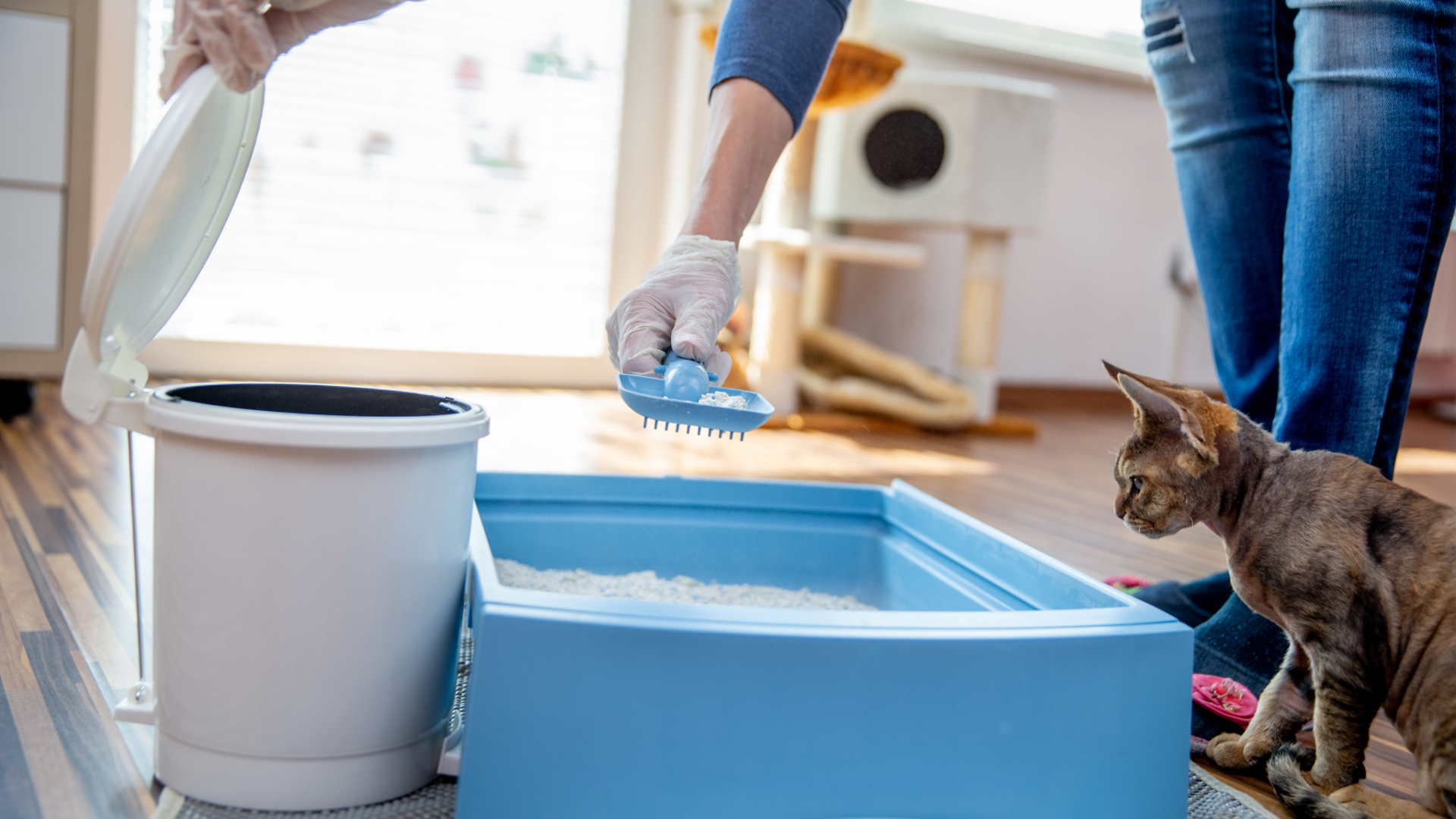
Remove clumps and solid waste from the litter box every day. This simple habit keeps the box inviting for your cat and reduces the chance of odors building up.
Use a scoop with holes to sift through the litter quickly. It saves time and ensures you don’t throw away clean litter unnecessarily.
Check the litter depth regularly and add fresh litter if it looks low. Cats prefer a good layer to dig and cover their waste properly.
Deep Cleaning Frequency
Empty the entire litter box and wash it thoroughly with mild soap and warm water at least once a week. Avoid strong-smelling cleaners, as they can deter your cat from using the box.
Rinse the box well to remove any soap residue. Dry it completely before adding new litter to prevent clumping issues.
If your cat has multiple boxes, rotate deep cleaning so there’s always a clean option available, reducing stress for your pet.
Preventing Odors
Use unscented clumping litter to manage smells without overwhelming your cat’s sensitive nose. Scented litters can sometimes drive cats away from their box.
Place the litter box in a well-ventilated area. Good airflow helps keep odors from lingering in your home.
Consider adding a layer of baking soda under the litter to absorb odors naturally. Just make sure your cat doesn’t have any sensitivity to it.
When To Seek Professional Help
Training a cat to use a litter box usually goes smoothly. Sometimes, cats may refuse or struggle despite your efforts. Knowing when to seek professional help can save time and stress.
Experts can offer advice or treatment for tricky cases. Watch for signs that point to deeper issues needing attention.
Behavioral Issues
Some cats avoid the litter box due to stress or anxiety. Changes in the home, new pets, or loud noises can trigger this. Aggressive behavior or sudden litter refusal may also signal problems.
Professionals like animal behaviorists can identify causes. They suggest ways to reduce stress and improve habits.
Medical Concerns
Health problems often cause litter box troubles. Urinary tract infections, kidney disease, or arthritis can make cats avoid the box. Watch for signs like blood in urine or frequent attempts to urinate.
Ignoring medical issues can worsen your cat’s health. A vet can diagnose and treat these problems quickly.
Consulting A Veterinarian
Visit a vet if your cat suddenly stops using the litter box. Bring details about your cat’s behavior and litter habits. The vet may perform tests to find medical causes.
The vet’s advice helps create a clear plan for recovery. Early action improves your cat’s comfort and litter training success.
Credit: www.iams-india.com
Frequently Asked Questions
How Long Does It Take To Litter Box Train A Cat?
Litter box training usually takes 1 to 2 weeks. Consistency and patience speed up the process. Young kittens may learn faster with regular guidance.
What Type Of Litter Is Best For Training Cats?
Clumping, unscented, and fine-grained litter is ideal for training. It mimics natural sand and is gentle on paws. Avoid scented litters that may deter cats.
How Often Should You Clean The Litter Box?
Clean the litter box daily to encourage use. Remove clumps and waste promptly. Full litter replacement should happen once a week to maintain hygiene.
Where Should The Litter Box Be Placed?
Place the litter box in a quiet, low-traffic area. Avoid noisy or busy spots to reduce stress. Ensure easy access and privacy for your cat.
Conclusion
Training a cat to use a litter box takes patience and care. Keep the box clean and in a quiet place. Praise your cat when it uses the box correctly. Watch for any accidents and gently guide your cat back.
Consistency helps your cat learn faster. Soon, your cat will use the litter box without trouble. Enjoy a cleaner home and a happy pet. Small steps lead to great results. Stay calm and keep trying. Your effort will pay off.
