

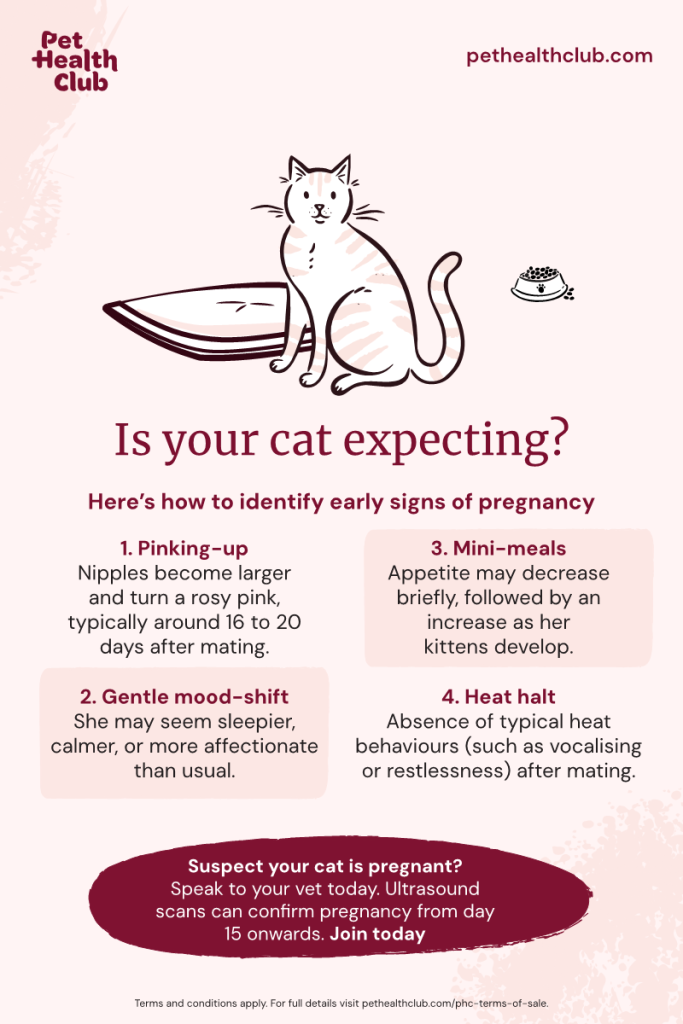
Are you wondering if your cat might be expecting kittens? Knowing the signs of pregnancy in your feline friend is important for giving her the care she needs.
But how can you tell if your cat is really pregnant or just showing some unusual behavior? You’ll discover clear and simple ways to recognize the early signs of pregnancy. By paying attention to these clues, you’ll feel more confident and ready to support your cat through this special time.
Keep reading to learn exactly what to look for and what steps to take next.

Credit: www.aol.com
Physical Changes In Pregnant Cats
Noticing physical changes in your cat is one of the clearest signs she might be pregnant. These changes often start subtly but become more obvious as the weeks go by. Paying close attention to these shifts can help you confirm her condition early and prepare for the arrival of kittens.
Nipple Enlargement And Color Change
One of the first physical signs of pregnancy in cats is the change in their nipples. You might see them grow larger and become more pink or rosy in color. This happens because her body is getting ready to nurse the kittens.
Have you noticed your cat’s nipples becoming more prominent or changing shade? This simple observation can be a strong hint that she is expecting.
Abdominal Swelling
As the kittens grow, your cat’s belly will start to swell noticeably. This usually becomes apparent around the third week of pregnancy. The swelling will be gradual, so checking her size regularly can help you track this change.
Keep in mind that not all cats show a big belly early on, especially if they are overweight or have a thick coat. Have you tried gently feeling her abdomen to detect any unusual fullness?
Increased Appetite
Pregnant cats often eat more to support their growing babies. You might find your cat asking for food more frequently or finishing her meals faster. This rise in appetite is natural and essential for her health and the kittens’ development.
If your cat suddenly seems very hungry, it’s a good idea to consider pregnancy as a possibility. Are you ready to adjust her diet to meet these new nutritional needs?

Credit: catsforlife.co
Behavioral Signs Of Pregnancy
Pregnancy changes a cat’s behavior in many ways. These changes help you notice her condition early. Cats show clear signs that differ from their usual habits. Observing these behaviors can guide you in caring for her properly.
Increased Affection
Pregnant cats often want more attention than usual. They may follow you around the house. Purring and rubbing against you become frequent. This need for closeness helps them feel safe and loved. You might notice your cat seeking comfort more often.
Nesting Behavior
As the due date nears, cats start preparing a cozy spot. They look for quiet, warm places to rest. Scratching and arranging blankets or soft items is common. This instinctive behavior is a sign she is ready for her kittens. Watch for any new hiding spots she creates.
Changes In Grooming Habits
Pregnant cats may groom themselves more carefully or less often. Some clean their bellies and sides frequently. Others might become less active in grooming. These shifts protect their growing belly or save energy. Notice how her grooming routine changes over time.
Veterinary Confirmation
Veterinary confirmation is the best way to know if your cat is pregnant. A vet can provide clear answers using safe and accurate methods. Early confirmation helps ensure your cat gets the right care. Vets use tools and tests that are not available at home. These help detect pregnancy before obvious signs appear.
Ultrasound And Palpation
Ultrasound is a common tool vets use to check pregnancy. It shows images of the kittens inside the cat’s belly. This test is safe and painless for the cat. Ultrasounds can detect pregnancy as early as 2-3 weeks after mating.
Palpation means gently feeling the cat’s abdomen. Vets can sometimes feel small bumps, which are the developing kittens. This usually works after the third week of pregnancy. Palpation requires skill to avoid hurting the cat or causing stress.
Blood Tests
Blood tests can detect hormones linked to pregnancy. One key hormone is relaxin, produced only when a cat is pregnant. Vets take a small blood sample to check for this hormone. Blood tests can confirm pregnancy around 25-30 days after mating.
This method helps confirm pregnancy before physical signs appear. It is reliable and fast but needs lab analysis. Your vet will guide you on the best time to test.
Dietary And Health Considerations
Dietary and health care play a big role in a cat’s pregnancy. A pregnant cat needs changes in food and care to stay healthy. Proper nutrition supports her and the growing kittens. Regular health checks catch problems early. Both help ensure a safe pregnancy and delivery.
Nutritional Adjustments
Pregnant cats need more calories and nutrients. Their body works harder to support kittens. Feeding high-quality kitten food is best. It has extra protein, vitamins, and minerals.
- Increase food portions gradually as pregnancy progresses.
- Offer fresh water at all times.
- Avoid raw or unsafe foods that can harm mother or kittens.
Small, frequent meals help with morning sickness and digestion. Balanced nutrition improves milk production after birth. This supports newborn kittens’ growth and immune health.
Regular Veterinary Check-ups
Vet visits confirm pregnancy and monitor health. They check weight, temperature, and overall condition. Ultrasounds or X-rays may be done to see kittens.
- Vaccinations and parasite control are important before pregnancy.
- Discuss any signs of illness or unusual behavior with the vet.
- Follow vet advice on supplements and medications.
Regular exams reduce risks for mother and babies. Early care helps prevent complications and ensures strong kittens.
Preparing For The Arrival Of Kittens
Preparing for the arrival of kittens means creating a safe, calm space where your cat feels comfortable and secure. This time is crucial for both the mother and her newborns. You want to help her feel supported and reduce any stress she might have as the big day approaches.
Setting Up A Birthing Area
Choose a quiet, warm corner away from household noise and foot traffic. A small box or a cozy carrier lined with soft blankets works well. Make sure the space is easy for your cat to access but protected from other pets or small children.
Think about cleanliness—will you be able to change bedding quickly and often? A spot near a window can provide natural light but avoid direct drafts. Have you noticed how your cat prefers privacy? Respect that by not disturbing her too much.
Gathering Necessary Supplies
Prepare a kit with essentials like clean towels, disposable gloves, and a heating pad set on low. Keep a notebook handy to track the birth progress or any unusual signs. Include a bottle of iodine to clean the umbilical cords if needed.
Don’t forget contact numbers for your vet or an emergency animal hospital. Having scissors sterilized and ready can be helpful, but only use them if you feel confident. Are you ready to step in calmly if your cat needs help during labor?

Credit: www.care.com
Frequently Asked Questions
How Can I Tell If My Cat Is Pregnant?
Look for behavioral changes like increased affection and appetite. Physical signs include swollen nipples and a larger abdomen. A vet can confirm pregnancy with an ultrasound or palpation.
What Are Early Signs Of Cat Pregnancy?
Early signs include morning sickness, mood changes, and tender nipples. Your cat may also sleep more and eat less initially. These signs usually appear within two weeks of conception.
When Should I Take My Cat To The Vet For Pregnancy?
Visit the vet around three weeks after mating. The vet can confirm pregnancy and check your cat’s health. Early vet visits help ensure a safe pregnancy and proper care.
Can A Cat’s Behavior Indicate Pregnancy?
Yes, pregnant cats often become more affectionate and restless. They may seek quiet places and show nesting behavior. Behavioral changes help owners recognize pregnancy early.
Conclusion
Knowing the signs of a pregnant cat helps you care better. Watch for changes in behavior, appetite, and body shape. Regular vet visits confirm pregnancy and keep your cat healthy. Prepare a quiet, comfortable space for her to rest. Stay patient and gentle as she goes through this time.
Understanding these clues makes the journey smoother for both of you. Keep love and care at the center of everything. Your cat will appreciate the support during her pregnancy.
