

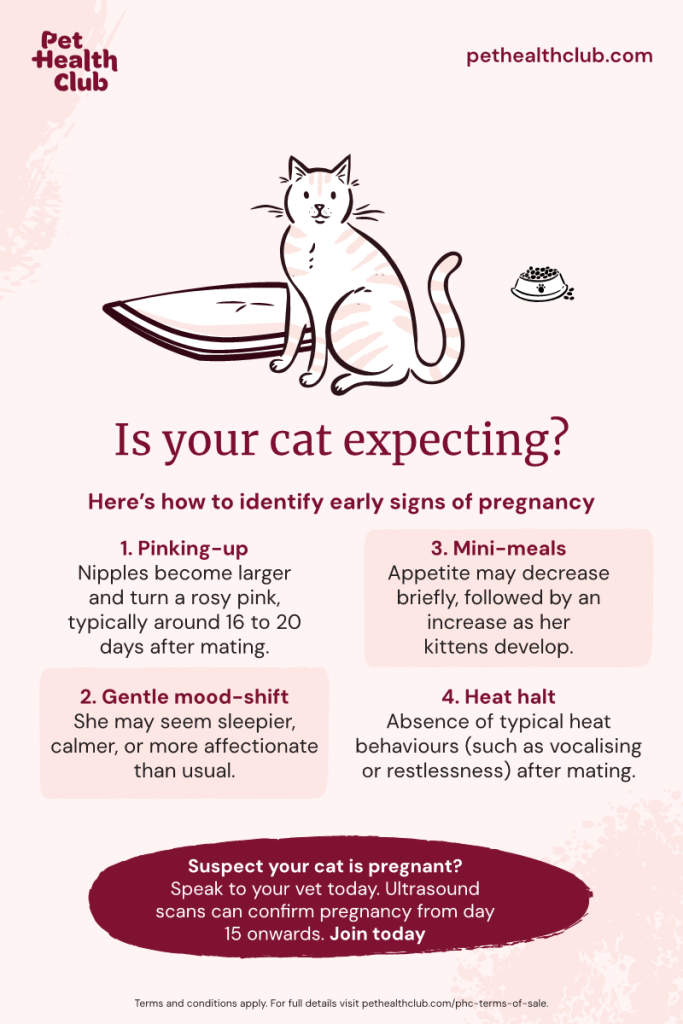
Are you wondering if your cat might be expecting kittens? It can be tricky to tell at first, especially if you’re not sure what signs to look for.
But knowing whether your cat is pregnant is important for her health and happiness. You’ll discover clear, easy ways to spot the early signs of pregnancy in your cat. By the end, you’ll feel confident about what’s happening with your furry friend and know exactly when to seek care.
Keep reading to learn how to recognize pregnancy in your cat and give her the best support possible.

Credit: catsforlife.co
Physical Changes
Recognizing physical changes in your cat is one of the clearest signs that she might be pregnant. These changes usually start to appear a few weeks after mating and can give you clues before you even visit the vet. Paying close attention to these signs can help you prepare for the arrival of kittens and ensure your cat gets the care she needs.
Nipple Enlargement
One of the earliest and most noticeable signs is nipple enlargement. Your cat’s nipples may become pinker, larger, and more pronounced, often called “pinking up.” This change happens because her body is preparing to feed her kittens.
Have you ever noticed your cat grooming her belly more than usual? This behavior often accompanies nipple changes and signals her awareness of the growing kittens inside.
Weight Gain
As the pregnancy progresses, your cat will start to gain weight steadily. This isn’t just fat; it’s the growing kittens, placenta, and fluids adding to her body mass. If you notice your cat’s belly becoming rounder and heavier over a few weeks, it’s a strong indicator of pregnancy.
Keep in mind that weight gain can vary between cats. Some might show a subtle increase, while others balloon noticeably. Weighing your cat weekly can help you track this change accurately.
Increased Appetite
Pregnant cats often experience a boost in appetite to support their developing babies. You might see your cat eating more frequently or showing more interest during feeding time. This increased hunger helps her body gather the extra nutrients needed for a healthy pregnancy.
Have you tried offering smaller, more frequent meals to accommodate her growing appetite? This can keep her energy steady and prevent digestive upset.
Behavioral Changes
Behavioral changes often give the first clues about a cat’s pregnancy. These shifts in mood and habits can be subtle or quite clear. Observing your cat closely helps understand her needs and comfort during this time. Here are some common behavioral signs to watch for.
Increased Affection
Pregnant cats often seek more attention and closeness. They may follow you around the house more than usual. Petting and gentle touch can become very important to them. Some cats become more vocal, asking for love and reassurance. This change shows their need for comfort and security.
Nesting Instincts
As the due date approaches, cats start preparing a safe place. They look for quiet, hidden spots to rest and give birth. You might find your cat dragging soft items like blankets or clothes. This behavior is a natural instinct to create a warm nest. Providing a cozy box can help satisfy this urge.
Changes In Activity Levels
Pregnant cats usually slow down and rest more. Playful bursts might decrease as they conserve energy. You may notice less jumping or running around. At the same time, some cats stay alert and explore their surroundings carefully. Watching these changes helps you support her health better.
Observing The Abdomen
Observing your cat’s abdomen is a clear way to check for pregnancy signs. Changes in the belly often indicate growth inside. Careful observation can help you notice early signs. Watch for size and shape differences over days or weeks. This helps you understand if your cat is expecting kittens.
Abdominal Swelling
Pregnant cats usually show swelling in the abdomen. The belly grows rounder and softer as kittens develop. Swelling starts small and becomes more visible after a few weeks. Your cat’s waistline may disappear or look wider. Sometimes, the skin on the belly looks stretched and smooth. This swelling is one of the easiest signs to spot.
Gentle Palpation Tips
Touching your cat’s abdomen can help confirm pregnancy. Use very gentle pressure to avoid harming her or the kittens. Follow these tips for safe palpation:
- Make sure your cat is calm and relaxed.
- Use your fingers, not your nails, to feel the belly.
- Start with light touches near the sides of the abdomen.
- Try to feel small, firm lumps inside, which are the kittens.
- If your cat shows any discomfort, stop immediately.
Gentle palpation is best done around 20 days after mating. Before this, kittens are too small to feel. After 30 days, the abdomen becomes too sensitive to touch.

Credit: www.care.com
Veterinary Confirmation
Veterinary confirmation is the most reliable way to know if your cat is pregnant. A vet can use special tools and tests to check your cat’s health and pregnancy status. These exams help detect pregnancy early and ensure the mother and kittens stay healthy. Here are two common veterinary methods used for confirmation.
Ultrasound And X-rays
Ultrasound is a safe and painless test that shows the kittens inside your cat. It can detect pregnancy as early as two to three weeks after mating. Ultrasounds help check the number of kittens and their heartbeat.
X-rays provide a clear picture of the kittens’ bones later in pregnancy. Usually, vets perform X-rays around 40 days after breeding. X-rays help confirm how many kittens your cat is carrying.
Blood Tests
Blood tests can measure hormone levels linked to pregnancy. These tests detect a hormone called relaxin, which appears only during pregnancy. Blood tests work best about 25 to 30 days after mating.
This method is quick and less stressful for your cat. It helps vets confirm pregnancy even before the kittens are visible on ultrasound or X-rays.
Caring For A Pregnant Cat
Caring for a pregnant cat requires extra attention and gentle care. Pregnancy is a delicate time for your cat. Proper care helps her stay healthy and gives her kittens a strong start. This section covers key areas to focus on during her pregnancy.
Nutrition And Diet
A pregnant cat needs more calories and nutrients. Feed her high-quality kitten food, rich in protein and fat. This food supports both the mother and growing kittens. Offer small, frequent meals to keep her energy steady. Fresh water must be available at all times. Avoid giving treats that lack nutrition.
Comfort And Environment
Create a quiet, safe space for your cat to rest. Use soft bedding in a warm, draft-free area. Keep this spot clean and away from loud noises. Limit her activity to avoid stress or injury. Provide a cozy nesting box as the due date nears. This helps her feel secure and ready for birth.
Monitoring Health
Watch for changes in appetite, behavior, or weight. Check for swelling or discharge from her nipples. Regular vet visits ensure her health and the kittens’ well-being. Look for signs of illness like vomiting or lethargy. Early detection of problems allows prompt care and treatment.
Preparing For Birth
Preparing for your cat’s birth means more than just waiting and watching. It involves careful observation and creating a calm environment where your cat feels secure. This stage is crucial for the health of both the mother and her kittens.
Recognizing Labor Signs
Labor signs can be subtle at first. You might notice your cat becoming restless or nesting, often rearranging blankets or bedding. She may also show a decrease in appetite and start licking her genital area frequently.
As labor gets closer, your cat could shiver or pant, even though she’s not hot. Watch for contractions—these are visible muscle spasms in her abdomen. If you see any unusual discharge or if labor seems prolonged, be ready to call your vet immediately.
Setting Up A Safe Space
Your cat needs a quiet, warm, and private spot to give birth. Choose a low-traffic area of your home where she won’t be disturbed by loud noises or other pets.
Prepare a nesting box with clean towels or blankets. The box should be large enough for her to stretch out comfortably but cozy enough to keep the kittens warm.
- Place the box away from drafts and direct sunlight.
- Keep fresh water nearby but avoid moving the box once she starts nesting.
- Check the area daily to ensure it stays clean and inviting.
Have you thought about what you will do if your cat needs help during delivery? Being prepared with emergency contacts and knowledge can make all the difference.

Credit: www.youtube.com
Frequently Asked Questions
How Early Can You Tell If A Cat Is Pregnant?
You can usually detect pregnancy in cats after 2 to 3 weeks. Early signs include nipple swelling and behavioral changes. A vet can confirm pregnancy with an ultrasound around this time.
What Are Common Signs Of A Pregnant Cat?
Common signs include increased appetite, morning sickness, swollen nipples, and nesting behavior. Your cat may also become more affectionate or tired as pregnancy progresses.
Can A Cat’s Behavior Indicate Pregnancy?
Yes, pregnant cats often show changes like increased affection, restlessness, or nesting. These behavioral shifts help prepare them for motherhood and can indicate pregnancy.
How Long Is A Cat’s Pregnancy?
A typical cat pregnancy lasts about 63 to 65 days. It can range from 58 to 70 days depending on the individual cat and breed.
Conclusion
Knowing if your cat is pregnant helps you give proper care. Watch for signs like appetite change, weight gain, and behavior shifts. A vet visit can confirm pregnancy and ensure health. Early care supports the mother and kittens well-being. Stay patient and gentle with your cat during this time.
Keep observing her daily for any new symptoms or needs. This way, you help your cat have a safe, healthy pregnancy. Caring for a pregnant cat is rewarding and important.
