


You love your cat and want the best for them. But how can you tell if your furry friend is in pain?
Cats are experts at hiding discomfort, making it hard for you to know when something is wrong. If you miss the signs, your cat could suffer longer than necessary. You will discover clear and simple ways to recognize if your cat is in pain.
Knowing these signs can help you act quickly and keep your cat happy and healthy. Keep reading to learn what to watch for and how to help your beloved pet feel better.
Credit: www.splootvets.com
Behavior Changes
Changes in a cat’s behavior often signal pain. Notice if your cat hides more, moves less, or becomes unusually quiet. These shifts can help identify discomfort early.
Cats are mysterious creatures, often hiding their pain. Understanding their behavior is key. Changes in behavior can signal discomfort. Observing these changes helps identify pain. Here, we discuss common behavior changes in cats.Reduced Activity
Cats in pain may move less. They might avoid jumping or climbing. Playful activities could decrease. Their energy levels drop noticeably. Watch for sudden laziness or lethargy. These signs indicate discomfort.Hiding More Often
A cat in pain may seek solitude. It hides away from people and other pets. Cats choose dark, quiet places. These spots offer comfort and security. Frequent hiding is a red flag.Aggression Or Irritability
Pain can make cats irritable. They might hiss or growl more. Gentle touches could provoke aggression. They may swat or bite suddenly. This behavior is out of character. Recognize it as a cry for help.
Credit: walkinpets.com
Physical Signs
Recognizing physical signs of pain in your cat can be challenging because cats often hide their discomfort. However, certain changes in their body language and behavior can give you clear clues. Paying close attention to these signs will help you respond quickly and make your cat more comfortable.
Limping Or Difficulty Moving
If your cat suddenly starts limping or seems hesitant to jump or climb, it could be a sign of pain. You might notice them favoring one leg or avoiding certain movements altogether. Have you seen your cat take smaller steps or pause frequently during walks around the house? These subtle shifts often indicate discomfort that needs attention.
Changes In Grooming Habits
Cats are usually meticulous groomers. A sudden drop in grooming or over-grooming a specific spot can signal pain. For example, if your cat stops cleaning a certain area or develops bald patches, it might be trying to avoid touching a sore spot. What changes have you noticed in your cat’s coat or grooming routine lately?
Unusual Posture Or Stiffness
Watch how your cat sits or lies down. A stiff, hunched posture or reluctance to stretch can mean they’re protecting a painful area. Sometimes, they may keep their tail tucked or avoid curling up as they usually do. Have you observed your cat holding itself differently, even when resting?
Vocalization
Cats use sounds to tell us how they feel. Changes in their vocalization can signal pain. Notice any new noises or louder cries. Pay attention to the way your cat meows or yowls. These sounds often mean something is wrong.
Increased Meowing Or Yowling
A cat in pain may meow more than usual. The meows might sound louder or more urgent. Yowling, a longer and more drawn-out cry, can also appear. This often shows discomfort or distress. Your cat may call out more at night. It’s a sign they feel uneasy or hurt.
Unusual Sounds
Listen for sounds your cat does not normally make. Growling, hissing, or even a soft whimper can mean pain. These noises might come when you touch a sore spot. Sometimes, cats make odd chirps or moans. These unusual sounds warn us they need help.
Credit: vetgirlontherun.com
Eating And Drinking Habits
Eating and drinking habits offer clear signs about your cat’s well-being. Cats in pain often show changes in these routines that are easy to miss if you’re not paying close attention. Noticing these subtle shifts early can help you act quickly and get your feline friend the care they need.
Decreased Appetite
Your cat might eat less or even skip meals if they’re hurting. Pain can make chewing or swallowing uncomfortable, or simply reduce their desire to eat. If your usually enthusiastic eater suddenly leaves food behind, it’s a red flag worth investigating.
Think about your own experiences: have you ever lost your appetite because of a toothache or stomach pain? Cats feel the same way but can’t tell you directly. Watch for partial eating, picking at food, or avoiding favorite treats—they’re all clues.
Changes In Drinking Patterns
Does your cat drink more or less water than usual? Both can signal discomfort or illness. Increased drinking might point to kidney issues or diabetes, while decreased intake could mean mouth pain or nausea.
Keep a water journal for a few days if you notice any change. Compare current habits to the norm and share these details with your vet. This simple step can make a big difference in diagnosing the problem early.
Litter Box Issues
Litter box issues are often one of the first signs that a cat may be in pain. Changes in bathroom habits can signal discomfort or health problems. Paying attention to these changes helps catch pain early and improve your cat’s well-being.
Avoiding The Litter Box
Cats in pain might avoid their litter box completely. This can happen because the act of stepping in or digging hurts. They may choose strange places to relieve themselves instead.
Watch for signs like:
- Urinating outside the box
- Defecating in unusual areas
- Showing reluctance to enter the litter box
This behavior often signals discomfort or injury. It is important to observe and consult a vet if this happens.
Straining Or Difficulty Urinating
Straining to urinate is a serious sign of pain or illness. Your cat may spend a long time in the litter box. They might cry out or show signs of distress.
Look for these signs:
- Frequent attempts to urinate with little success
- Crying or vocalizing during urination
- Blood in the urine
These symptoms can indicate urinary tract infections or blockages. Immediate veterinary care is often needed to relieve pain and prevent complications.
Eye And Facial Expressions
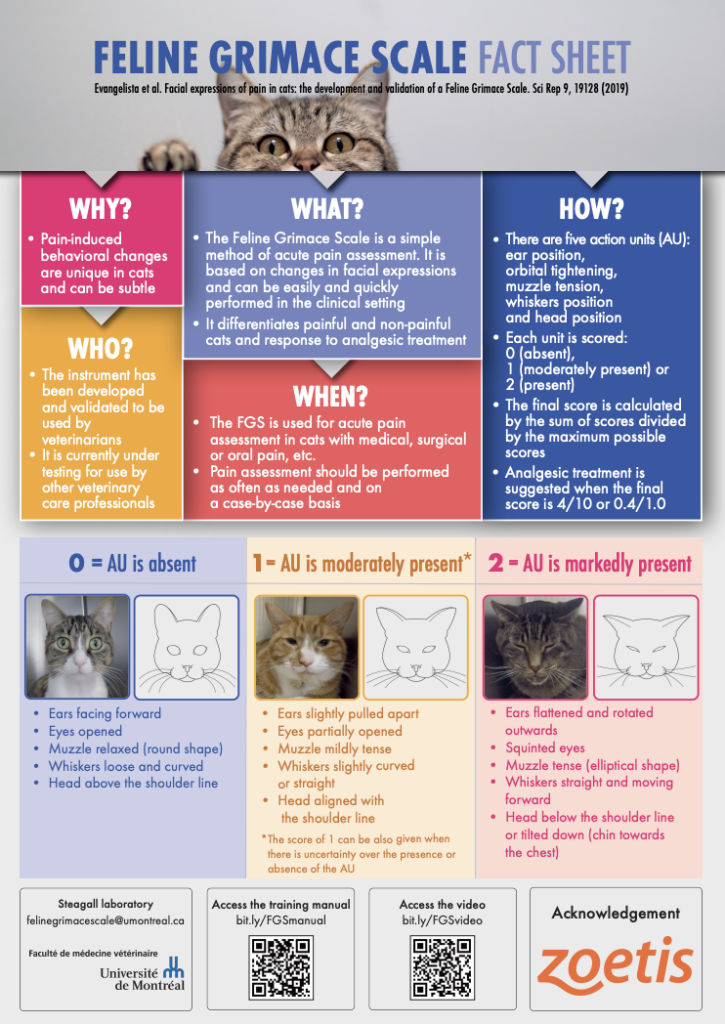
Your cat’s eyes and facial expressions can tell you a lot about how they feel. Cats are masters at hiding pain, but subtle changes in their eyes or ears can give you important clues. Paying attention to these details helps you act quickly if your cat is hurting.
Squinting Or Dilated Pupils
Notice if your cat’s eyes look different than usual. Squinting can mean discomfort or pain, especially if it happens often or lasts a long time. Dilated pupils might also signal stress or pain, even if your cat is in a calm environment.
Once, my cat started squinting after a fall. It was a small sign, but it led me to discover a minor injury early. Have you ever seen your cat’s eyes change like this unexpectedly?
Tense Or Flattened Ears
Look at your cat’s ears next. When a cat is in pain, their ears may press back tightly against their head. This tension shows they are uncomfortable or anxious.
Flat ears can also mean fear or pain, especially if combined with other signs like hiding or reduced movement. If your cat’s ears suddenly change position for no clear reason, it’s worth a closer look.
When To See A Vet
Knowing when to see a vet is crucial for your cat’s health. Cats often hide pain well. Early vet visits can prevent serious problems. Watch closely for signs that don’t go away. Acting fast can save your cat from suffering.
Persistent Signs
Look for changes that last more than two days. These may include:
- Loss of appetite
- Hiding or avoiding contact
- Changes in grooming habits
- Reluctance to move or jump
- Unusual vocalization or growling
Persistent signs often mean your cat is hurting. A vet can find the cause and offer treatment. Do not wait for symptoms to worsen.
Emergency Symptoms
Some signs require immediate vet care:
- Difficulty breathing or rapid breathing
- Severe bleeding or wounds
- Sudden weakness or collapse
- Continuous vomiting or diarrhea
- Seizures or loss of consciousness
These symptoms are serious. Immediate veterinary help is critical. Quick action can save your cat’s life.
Frequently Asked Questions
How Can I Tell If My Cat Is In Pain?
Look for changes in behavior, such as hiding or aggression. Notice limping, vocalizing, or loss of appetite. These signs often indicate discomfort or pain in cats.
What Are Common Symptoms Of Cat Pain?
Common signs include decreased activity, reduced grooming, and changes in posture. Cats may also show sensitivity to touch or unusual vocalizations when in pain.
When Should I Take My Cat To The Vet For Pain?
If your cat shows persistent signs like limping, loss of appetite, or unusual behavior for more than 24 hours, consult a vet promptly for diagnosis and treatment.
Can Cats Hide Pain Effectively?
Yes, cats often hide pain to avoid appearing vulnerable. Subtle signs like decreased movement or changes in grooming habits can indicate hidden pain.
Conclusion
Cats hide pain well. Watch for changes in behavior or eating. Notice if your cat moves less or seems grumpy. Small signs matter. Acting fast can help your cat feel better. Trust your gut and seek help from a vet.
Caring for your cat means paying close attention. A happy cat is often a healthy cat. Stay alert and keep your pet comfortable every day.
